
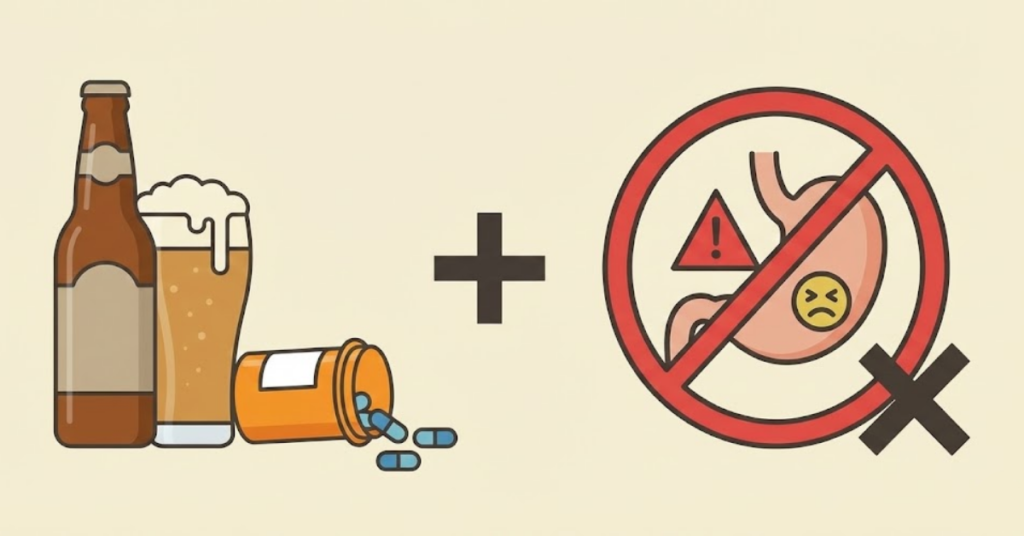
No, you should avoid beer with antibiotics because alcohol can worsen side effects and, with some drugs, trigger unsafe reactions.
That first sip of beer can feel tempting when you are stuck on the couch with an infection and a course of antibiotics. The bottle is cold, friends are relaxing, and you feel well enough to join in. Then the doubt lands: can i drink beer while taking antibiotic without causing trouble?
This question comes up in clinics and pharmacies every single day. The short version: some antibiotic and alcohol combinations are flat-out unsafe, and even when the mix is not strictly banned, beer still makes treatment tougher on your body. This article walks through the main rules, common medicines, real-world scenarios, and safer choices.
Can I Drink Beer While Taking Antibiotic? Main Safety Answer
The safest plan for most people is to skip beer for the entire antibiotic course and a short time after the last dose. That may sound strict, yet it keeps you away from two different problems: direct drug–alcohol reactions and extra strain on a body that is already fighting infection.
A few antibiotics react so strongly with alcohol that even small amounts can cause flushing, pounding heartbeat, nausea, vomiting, and a feeling of sudden illness. Metronidazole and tinidazole sit at the top of that list, and many hospital leaflets warn patients not to drink for at least 48 hours after the last dose.
Guidance from services such as the NHS antibiotic interactions page and the Mayo Clinic advice on antibiotics and alcohol also points out that linezolid can interact with tap beer and red wine, raising blood pressure.
| Antibiotic | Beer Interaction Risk | Practical Advice |
|---|---|---|
| Metronidazole | High | No alcohol during treatment and for at least 48 hours after the last dose. |
| Tinidazole | High | No alcohol during treatment and for at least 72 hours after the last dose. |
| Trimethoprim-sulfamethoxazole | Moderate | Alcohol can increase side effects; best to avoid or keep to zero. |
| Linezolid | Specific drinks | Tap beer and some aged drinks can raise blood pressure; avoid these completely. |
| Doxycycline | Moderate | Beer may worsen nausea and reduce adherence to the course; skipping alcohol helps. |
| Amoxicillin | Low to moderate | Not a classic interaction, yet alcohol still stresses the body; avoid where possible. |
| Azithromycin | Low to moderate | Stomach upset and dizziness from both beer and the drug can stack up. |
| Ciprofloxacin | Moderate | Mixing with alcohol can amplify dizziness and make falls more likely. |
| Cephalosporins (some types) | Moderate to high | Certain agents may cause reactions similar to metronidazole; follow label warnings strictly. |
Why Beer Counts As Alcohol For Your Prescription
Beer might feel milder than spirits, yet the alcohol in a pint is still ethanol. That means the same chemical that interacts with your medicine, strains the liver, and changes how steady you feel. Strong craft beer can contain as much alcohol as a large glass of wine, and a few bottles in one evening easily reach binge levels.
Even low alcohol or “light” beer can cause trouble with medicines that have strict alcohol bans. For drugs such as metronidazole, leaflets advise avoiding any alcohol at all, including some mouthwashes and cough syrups, because even small amounts can trigger a reaction.
How Alcohol Interacts With Antibiotics And Your Body
Beer and antibiotics affect the same organs and systems. Mix them and the strain adds up. You feel more wiped out, side effects hit harder, and healing may drag.
Side Effects Add Up Quickly
Many antibiotics already cause nausea, stomach cramps, loose stools, headache, or dizziness. Beer can cause each of those on its own. Put them together and the chance of vomiting, spinning vision, or a pounding headache rises fast.
That is not only unpleasant. Once you are running to the bathroom or feeling unsteady, you are more likely to skip or delay the next dose. Missed doses give bacteria a better chance to survive, which raises the risk that the infection lingers or comes back.
Beer, Liver Load And Sleep
Your liver helps process both antibiotics and alcohol. During treatment it already works harder, especially if you take other medicines. Heavy drinking around that time adds more work and can push liver enzymes higher. People with long-standing liver disease face even more risk.
Alcohol also breaks up sleep. You may fall asleep faster after a drink, yet the night often comes with more waking, vivid dreams, and early morning fatigue. Good rest helps your body clear infection, so broken sleep stretches out the days until you feel like yourself again.
Can I Drink Beer While Taking Antibiotics Safely? Real World Scenarios
Life is messy, and questions about beer and antibiotics rarely stay on paper. Here are common situations and how many health workers would talk them through in everyday language. This is education, not a stand-in for advice from your own doctor or pharmacist.
You Drank Beer Before You Saw The Warning
Plenty of people take the first doses, read the leaflet later, and only then notice the alcohol warning. If that happens, do not panic. Stay hydrated with water, pay attention to any flushing, chest pounding, or sickness, and follow local emergency advice if you feel suddenly unwell, shaky, or short of breath.
For the rest of the course, treat the warning as strict. Switch to alcohol-free drinks and keep an eye on how you feel over the next day or two.
You Are Near The End Of A Short Course
Many common infections are treated with a three to seven day course. If you only have a day or two left, the simplest approach is to hold off on beer until at least 24 hours after the final tablet, and longer for drugs with known alcohol reactions.
For metronidazole, national guidance usually recommends at least 48 hours from the last dose before drinking again. Tinidazole often carries a 72-hour gap. Waiting gives the medicine time to clear and reduces the chance of a sudden reaction.
Your Doctor Said One Drink Is Fine
Sometimes a prescriber will say that one standard drink with dinner is unlikely to cause a problem with a specific drug and your health history. In that case, stick to that limit, drink slowly, and avoid topping up. One standard drink means roughly 12 ounces of regular beer at around 5% alcohol, not a high-strength pint.
If you feel drowsy, light-headed, or sick after that small amount, do not add more. Go back to water or soft drinks and let your prescriber know at the next visit.
Side Effects And Warning Signs After Mixing Beer And Antibiotics
Sometimes people discover a drug and alcohol interaction only after they have had a drink. Symptoms range from mild stomach upset to red flag signs that need urgent medical help. Listening to those signals matters.
| Symptom | Possible Meaning | Suggested Action |
|---|---|---|
| Flushing, pounding heartbeat | Possible metronidazole-type reaction | Stop drinking, sit or lie down, call urgent care if it does not settle quickly. |
| Nausea, repeated vomiting | Strong stomach irritation or reaction | Stop alcohol, sip water in small amounts; seek urgent help if you cannot keep fluids down. |
| Severe headache, chest pain | Raised blood pressure or cardiac strain | Seek emergency care without delay. |
| Shortness of breath, wheeze, swelling of lips or face | Possible allergic reaction | Call emergency services at once. |
| Confusion, trouble staying awake | Combined sedation from alcohol and medicine | Seek immediate medical help; do not try to sleep it off. |
| Dark urine, yellow eyes or skin | Possible liver strain or damage | Arrange urgent review with a healthcare professional. |
| Mild nausea, loose stools only | Common antibiotic and alcohol side effects | Stop beer, rest, and use oral rehydration drinks; contact a clinic if symptoms last. |
When To Seek Help Right Away
Call emergency services or attend the nearest emergency department if you have chest pain, trouble breathing, swelling of the tongue or throat, sudden confusion, or uncontrolled vomiting. These signs point to a reaction that needs prompt assessment.
If you feel unsteady, fall, or hit your head after mixing beer and antibiotics, get checked even if you feel better later. Alcohol can hide symptoms of head injury or other damage.
How Long Should You Wait To Drink Beer After Antibiotics?
Many people plan ahead for celebrations, nights out, or holidays and want to know how long they should wait after the last tablet. There is no single timer that fits every medicine, yet a few rules help.
General Waiting Times
For most short courses of common antibiotics without strong alcohol warnings, a gap of at least 24 hours after the final dose is a common rule of thumb. That gives your body time to clear much of the drug.
For metronidazole, many national health services advise avoiding alcohol for at least 48 hours after the last dose. Tinidazole often carries a 72-hour gap. Linezolid needs special care with tap beer and some aged drinks even near the end of therapy.
Personal Factors That Change The Gap
Liver or kidney disease, older age, low body weight, and regular heavy drinking all slow the way your body handles medicine and alcohol. In those situations, longer gaps make sense, and many clinicians will recommend no alcohol at all during treatment and for a full week after.
Other medicines add layers too. Sedatives, strong painkillers, some antidepressants, and many sleep aids combine poorly with beer. When in doubt, ask the prescriber or pharmacist who knows your full list.
Practical Ways To Skip Beer During Your Antibiotic Course
A clear rule is easier to follow when you have simple swaps ready. Social plans do not have to stop while you treat an infection, and you can still share time with friends while protecting your health.
Smart Drink Swaps
Try alcohol-free beer, sparkling water with citrus slices, or simple mocktails built from fruit juice, herbs, and soda water. Many bars now carry long lists of low or zero alcohol options that look and feel like a treat without the interaction risk.
At home, keep a jug of water or herbal tea near the couch. Take small sips through the day. That approach helps you stay hydrated and reduces the urge to reach for a bottle out of habit.
Social Plans Without Pressure
If you feel awkward turning down beer, a straightforward line helps: “I am on antibiotics this week, so I am sticking to soft drinks.” Most people understand right away, and several may admit that they should probably cut back while sick too.
Choose meet-ups that do not revolve around heavy drinking, such as a walk, a movie night, or a board game evening. When the main plan is activity and conversation, what sits in your glass matters less.
Bringing It All Together
So, can i drink beer while taking antibiotic? For medicines with clear alcohol warnings such as metronidazole, tinidazole, certain cephalosporins, and linezolid, the answer is a firm no during treatment and for days after. For other antibiotics, beer still raises side-effect risk and slows recovery, so skipping alcohol remains the safest move.
If you are ever unsure, read the leaflet again and talk with your own doctor or pharmacist before opening a bottle. A short break from beer protects your treatment, shortens sick days, and keeps you away from sudden, unpleasant reactions.