
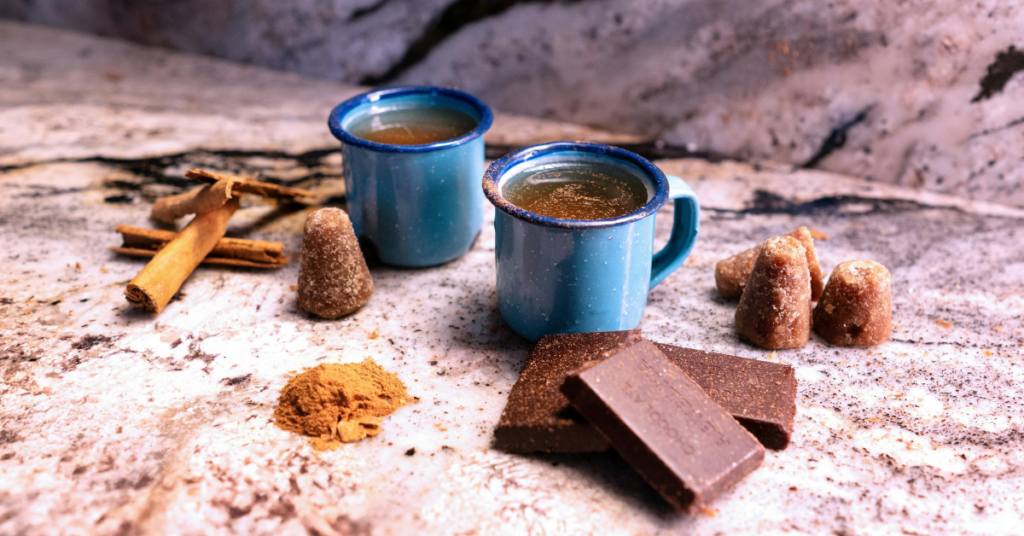
Yes, you can enjoy hot chocolate while pregnant, as long as you monitor your total caffeine intake and keep it under 200 mg per day.
Cravings hit hard during pregnancy. One moment you want pickles, the next you need a warm, comforting mug of cocoa. If you are worried about safety, you can breathe easy. A standard cup of hot chocolate contains significantly less caffeine than coffee. This makes it a safer alternative for moms-to-be who need a hot beverage without the jitters.
But moderation still matters. Many store-bought mixes come loaded with sugar, and certain artisanal blends might hide ingredients that aren’t pregnancy-friendly. You also need to count that caffeine toward your daily total if you drank tea or soda earlier. Knowing what goes into your mug helps you enjoy that chocolatey treat without stress.
Caffeine Content In Hot Chocolate And Pregnancy Safety
Doctors and health organizations generally agree on a specific caffeine limit for pregnant women. The American College of Obstetricians and Gynecologists (ACOG) advises keeping consumption below 200 milligrams per day. High levels of caffeine can cross the placenta and affect your baby’s heart rate. Since your baby’s metabolism is still developing, they cannot process caffeine as quickly as you can.
Hot chocolate does contain caffeine, but the amounts are usually small. The caffeine comes from the cocoa beans used to make the chocolate powder or syrup. The darker the chocolate, the higher the caffeine content. A standard packet of milk chocolate mix might have very little, while a rich, dark chocolate blend will pack more of a punch.
You should compare hot cocoa against other common drinks to see where it fits in your daily allowance. This helps you plan your day so you never accidentally cross that 200 mg line.
Caffeine Comparison In Common Beverages
This table breaks down how hot chocolate stacks up against other daily drinks. It provides a clear picture of how much “budget” a mug of cocoa uses up.
| Beverage Type (8 oz serving) | Avg. Caffeine Content (mg) | % of Daily Pregnancy Limit (200mg) |
|---|---|---|
| Brewed Coffee | 95 mg | 47.5% |
| Espresso (1 shot) | 63 mg | 31.5% |
| Black Tea | 47 mg | 23.5% |
| Green Tea | 28 mg | 14% |
| Cola (Regular) | 22 mg | 11% |
| Hot Chocolate (Mix Packet) | 5–10 mg | 2.5–5% |
| Hot Chocolate (Dark, Homemade) | 20–25 mg | 10–12.5% |
| Decaf Coffee | 2 mg | 1% |
Can I Drink Hot Chocolate While Pregnant?
You absolutely can. The phrase “can I drink hot chocolate while pregnant?” often stems from a fear of hidden risks. But compared to energy drinks or triple-shot lattes, hot chocolate is quite gentle. The 5 to 25 mg of caffeine in a typical mug is a fraction of what you would find in a morning coffee. You would have to drink over ten cups of standard hot cocoa to approach the safety limit.
Most of the concern should actually shift away from caffeine and toward sugar and calories. Cocoa butter and milk solids provide fat, which is necessary for nutrient absorption, but the added sugars in commercial powders can be excessive. If you manage your blood sugar levels well, a mug here and there poses no harm.
Focus on how you feel after drinking it. Some women experience heartburn during pregnancy. Chocolate relaxes the valve between the stomach and esophagus, which might trigger acid reflux. If you notice heartburn flaring up after your treat, you might want to skip it before bed.
Nutritional Benefits Of Cocoa For Expecting Mothers
Hot chocolate isn’t just an empty indulgence. Cocoa powder itself is rich in phytonutrients. When you prepare it with milk, you also get a boost of calcium and protein, both essential for your baby’s bone development.
Antioxidants And Flavonoids
Cocoa beans are packed with flavonoids. These are powerful antioxidants that help fight oxidative stress in the body. Some studies suggest that moderate chocolate consumption might help maintain healthy blood pressure levels. During pregnancy, keeping your blood pressure stable is vital for preventing complications like preeclampsia.
Magnesium Boost
Many pregnant women suffer from leg cramps or restless sleep. Magnesium deficiency often plays a role in these issues. Cocoa is a natural source of magnesium. While a single cup won’t replace a prenatal vitamin, every bit of dietary magnesium helps. It aids in muscle relaxation and can contribute to better mood regulation.
Sugar Content And Gestational Diabetes Risks
While the caffeine is negligible, the sugar content in hot chocolate demands attention. Gestational diabetes affects many women, requiring strict blood sugar management. A typical packet of instant hot cocoa can contain 20 to 25 grams of sugar. That is nearly your entire recommended daily limit for added sugars in one drink.
Consuming high-sugar beverages causes rapid spikes in blood glucose. This is followed by a crash, which can leave you feeling tired or irritable. If you have been diagnosed with gestational diabetes, you do not have to ban hot chocolate entirely. But you should change how you drink it.
Opt for unsweetened cocoa powder and sweeten it yourself with a small amount of honey, maple syrup, or a pregnancy-safe stevia blend. Using high-protein milk, like dairy or soy, also helps slow down the absorption of sugar into your bloodstream. This prevents that sharp spike and makes the drink more satisfying.
Ingredients To Watch Out For
Not all hot chocolates are simple mixtures of cocoa and sugar. Coffee shops and premium brands often add extras that might not be suitable for pregnancy. You need to read labels carefully.
Herbal Add-ins And Spices
Some “functional” hot cocoa blends include herbs like maca root, ashwagandha, or high doses of turmeric. Medical experts advise caution with herbal supplements during pregnancy because many have not been tested for safety. Stick to culinary spices like cinnamon or nutmeg in normal food amounts. Avoid blends that promise “energy” or “hormone balance,” as these often contain unregulated herbs.
Artificial Sweeteners
Diet hot chocolate mixes often use artificial sweeteners to keep calories low. While the FDA approves sweeteners like sucralose and aspartame for general use, some women prefer to avoid them. Saccharin is one sweetener most doctors suggest avoiding because it can cross the placenta. If you see saccharin on the ingredient list, choose a different brand.
Frequency: Can I Drink Hot Chocolate While Pregnant?
You might still wonder about frequency: “How often can I drink hot chocolate while pregnant?” The answer lies in your overall diet. If you eat a balanced diet rich in vegetables, proteins, and whole grains, having a cup of hot chocolate a few times a week is fine. It becomes a problem only if it replaces nutrient-dense meals or causes you to exceed your weight gain guidelines.
Treat it as a dessert rather than a hydration source. Water should remain your primary beverage. But on a cold day or when you feel low, a warm mug can do wonders for your mental state. A happy, relaxed mom is good for the baby, too. Just keep an eye on the extras—whipped cream and marshmallows add empty calories without nutritional benefit.
Choosing The Right Milk Base
The liquid you use to make your hot chocolate changes its nutritional profile. Water makes a low-calorie drink but removes the benefits of protein and calcium. Milk is usually the better choice for pregnancy.
Pasteurized Dairy Milk
Cow’s milk provides calcium, Vitamin D, and protein. But you must ensure the milk is pasteurized. Raw or unpasteurized milk carries a risk of Listeria, a bacteria that is dangerous for pregnant women. If you buy farm-fresh milk, boil it thoroughly before adding your cocoa.
Plant-Based Alternatives
Almond, oat, and soy milk are popular dairy-free options. Soy milk is the closest to cow’s milk in protein content. Almond and oat milks are often lower in protein but can be fortified with calcium. Check the label to ensure you are getting those extra vitamins. Avoid homemade plant milks that haven’t been heat-treated if you are unsure about the safety of the raw ingredients.
Brand Breakdown For Smart Shopping
The nutritional gap between brands is huge. Some are mostly sugar; others are pure cocoa. This table helps you spot the difference so you can pick a safer option.
| Brand / Type | Sugar Content (g) | Est. Caffeine (mg) |
|---|---|---|
| Swiss Miss Milk Choc | 23g | ~5 mg |
| Starbucks Hot Cocoa | 32g | ~20 mg |
| Nestle Rich Choc | 12g | ~4 mg |
| Ghirardelli Double Choc | 26g | ~10 mg |
| Unsweetened Cocoa (1 tbsp) | 0g | ~12 mg |
Safe Alternatives To Traditional Hot Cocoa
If you want to avoid caffeine entirely or just want variety, several warm beverages mimic the comfort of hot chocolate without the cocoa bean.
Carob Powder Options
Carob is the most direct substitute for chocolate. It tastes sweet and nutty but contains zero caffeine. It is naturally sweeter than cocoa, so you often need less added sugar. You can swap carob powder 1:1 for cocoa powder in any homemade recipe. It is rich in calcium and fiber, making it a healthy win for pregnancy.
White Chocolate
White chocolate technically contains cocoa butter but no cocoa solids. This means it has zero caffeine. A white hot chocolate can satisfy that creamy, sweet craving without adding to your daily caffeine count. But be careful—white chocolate is almost entirely sugar and fat. It is a dessert, not a health drink.
Warm Spiced Milk
Sometimes you just want something warm to hold. Steamed milk with a dash of vanilla extract, cinnamon, and a touch of honey is soothing. It provides the calcium and protein benefits without the stimulant effects of chocolate. This is an excellent pre-bedtime drink that won’t keep you or the baby awake.
Final Tips For A Healthy Cup
Making your hot chocolate at home is the best way to control what you consume. Start with unsweetened cocoa powder to get the maximum antioxidant benefit. Add a sweetener of your choice sparingly. Use pasteurized milk for a creamy texture and nutrient boost.
Avoid buying large mocha drinks at coffee shops regularly. These often contain espresso shots mixed with chocolate syrup, drastically increasing the caffeine content. If you order out, ask specifically for a “hot chocolate” and confirm they do not add espresso. Requesting skim or 1% milk can also reduce the saturated fat content.
Listen to your body. If you feel jittery or your baby becomes very active after a mug, you might be sensitive to the caffeine or sugar. In that case, switch to a smaller portion or a caffeine-free alternative. But for most women, a mug of hot chocolate is a safe, cozy way to survive the long months of pregnancy.