
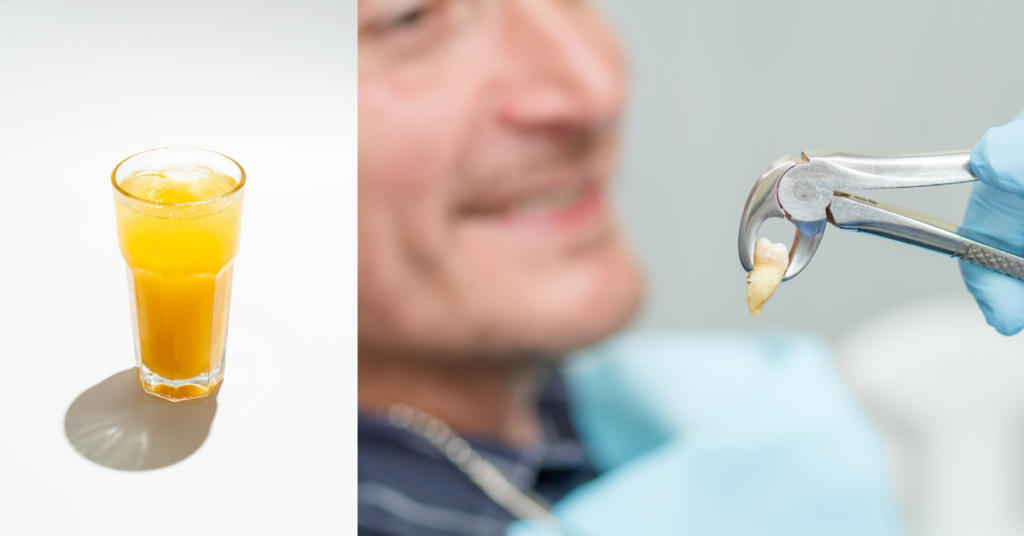
Yes, you can drink juice after tooth extraction, but choose non-acidic options like apple juice and avoid using a straw to prevent dry socket.
Recovering from oral surgery requires careful choices about what you consume. You want to stay hydrated and keep your blood sugar up, especially if you cannot eat solid foods yet. While juice offers vitamins and energy, the wrong type can irritate your wound or disrupt the healing process. The acidity in certain fruits and the suction action used with straws are the main risks you must manage.
Knowing which beverages aid recovery and which ones cause pain helps you heal faster. This guide breaks down safe juice choices, acidity levels, and the correct drinking techniques to protect the blood clot forming in your socket.
The Rules: Can I Drink Juice After Tooth Extraction?
Patients often ask, “can I drink juice after tooth extraction?” immediately after leaving the clinic. The answer depends heavily on the type of juice and how you drink it. Your mouth undergoes significant changes during the first 24 to 48 hours. A blood clot forms in the extraction site, acting as a protective bandage over the exposed bone and nerves.
Juice can be a great way to get nutrients when chewing is impossible. However, highly acidic liquids can dissolve that clot or cause a stinging sensation in the raw tissue. You need to select beverages with a higher pH level (less acidic) and avoid anything with seeds or pulp that could get stuck in the wound.
Temperature also plays a role. Hot liquids can increase blood flow to the area, potentially causing more bleeding or throbbing. Cold or room-temperature juices are soothing and help reduce inflammation. Following these basic parameters ensures you get the benefits of fruit juice without the setbacks.
Understanding Acidity and Oral Wounds
The pH scale measures how acidic or alkaline a substance is. The lower the number, the higher the acidity. Human blood and tissues are generally neutral, around pH 7.4. When you introduce a liquid with a low pH (high acid) to an open oral wound, it causes a chemical reaction that feels like a burn.
Citrus fruits are the most common offenders. Orange, lemon, and grapefruit juices contain citric acid, which is harsh on recovering gum tissue. Drinking these too soon can delay cell regeneration and increase your discomfort. It is best to stick to mild, sweeter juices during the initial healing phase.
Below is a detailed breakdown of common juices and their safety profile for the first few days of recovery.
Juice Acidity and Safety Guide
| Juice Type | Approximate pH Level | Safety Verdict (First 48 Hours) |
|---|---|---|
| Apple Juice | 3.5 – 4.0 | Safe (Mild) |
| White Grape Juice | 2.8 – 3.3 | Safe (If diluted) |
| Orange Juice | 3.3 – 4.2 | Avoid (High Citric Acid) |
| Pineapple Juice | 3.3 – 3.6 | Avoid (Acidic) |
| Peach Nectar | 3.4 – 3.9 | Safe (Soothing texture) |
| Tomato Juice | 4.1 – 4.6 | Avoid (Salt/Acid irritates) |
| Pear Nectar | 3.5 – 4.6 | Safe (Very mild) |
| Lemonade | 2.0 – 2.6 | Avoid (Too harsh) |
The Number One Danger: Straws
The tool you use to drink is just as important as the drink itself. You must never use a straw after a tooth extraction. Using a straw creates suction (negative pressure) inside your mouth. This suction can physically pull the blood clot out of the socket.
Losing this blood clot leads to a condition called dry socket (alveolar osteitis), which exposes the underlying bone and nerves to air and food. Dry socket is intensely painful and delays healing by weeks. According to the Mayo Clinic, avoiding straw use for at least one week is a primary preventive measure against this complication.
Sip your juice directly from the glass or use a spoon if you are consuming a thicker smoothie. If your mouth is numb from anesthesia, take small sips to avoid spilling or biting your lip accidentally.
Best Juices to Speed Up Recovery
Choosing the right juice can actually help your body repair tissue. You need vitamins, specifically Vitamin C, to synthesize collagen, which builds new gum tissue. Since you cannot chew crunchy fruits or vegetables yet, liquid nutrition bridges the gap.
Apple and Grape Juice
Apple juice is the gold standard for dental recovery. It has a manageable acidity level, contains no pulp, and provides sugar for energy. Most people find clear apple juice easy to swallow, and it rarely causes stinging. White grape juice is another solid option, though some people prefer diluting it with water to cut the sweetness and thickness.
Vegetable Blends
If you have a juicer at home, blending non-acidic vegetables can be very healing. Celery, cucumber, and carrot juices are packed with minerals and have a much gentler pH level than fruit juices. They are also lower in sugar, which helps prevent bacteria growth in the mouth. Just make sure to strain the juice thoroughly to remove any fibrous bits that could get stuck in your stitches or socket.
Drinks to Avoid for the First 24 Hours
Your body is in a delicate state immediately after surgery. During the first day, you should avoid carbonated sodas, alcohol, and very hot drinks entirely. Carbonation can irritate the tissue, and the bubbles might dislodge the clot. Alcohol thins the blood, which can make it harder for the clot to stabilize and causes bleeding to restart.
Citrus juices fall into this avoidance category too. Even if you love orange juice, the burn is not worth it. Wait until your gums have healed over—usually about 3 to 4 days—before reintroducing highly acidic beverages.
Can I Drink Juice After Tooth Extraction If It Has Pulp?
Another variation of the main question is, “can I drink juice after tooth extraction if it contains pulp?” The short answer is no. You should stick to clear liquids for the first few days. Bits of pulp from orange juice, smoothies with berry seeds, or thick fibrous nectars can lodge themselves inside the empty tooth socket.
Food debris trapped in the socket becomes a breeding ground for bacteria. This increases the risk of infection and causes foul breath. If a piece of pulp gets stuck, you cannot aggressively rinse it out without risking the blood clot. It is much safer to buy “pulp-free” varieties or strain your juice through a fine-mesh sieve or cheesecloth before drinking.
Temperature Matters: Cold vs. Hot
Cold beverages are your friend during the first 24 hours. Cold reduces swelling by constricting blood vessels and provides a numbing effect that helps with pain management. Chilled apple juice or a cold peach nectar smoothie (eaten with a spoon) can feel very relieving on sore gums.
Hot liquids like tea, coffee, or warm apple cider should be avoided initially. Heat expands blood vessels, which can lead to increased swelling and prolonged bleeding. Wait at least 24 hours before consuming warm beverages, and even then, test the temperature to ensure it is lukewarm rather than piping hot.
How to Drink Safely During Recovery
The mechanics of drinking change temporarily after surgery. Do not swish the juice around your mouth. The motion of vigorous swishing can disturb the extraction site just like a straw would. Instead, tilt your head back slightly and let the liquid flow to the back of your throat to swallow.
If you are struggling with numbness, do not rush. Dribbling is common when your lips are numb. Use a towel and take your time. Hydration is important for flushing out the anesthesia and keeping your system running, so drink frequently but in small, controlled amounts.
Liquid Recovery Timeline
Knowing when to reintroduce certain textures and temperatures helps you plan your meals. This timeline serves as a general guide for most simple extractions. Complex wisdom tooth removal may require a slower pace.
| Time Since Surgery | Recommended Liquids | What to Avoid |
|---|---|---|
| 0–24 Hours | Water, chilled apple juice, clear broth. | Straws, hot drinks, carbonation, alcohol, acidic juice. |
| 24–72 Hours | Smoothies (spoon only), vegetable juice, lukewarm tea. | Straws, spicy tomato juice, crunchy seeds/pulp. |
| Day 4–7 | Most juices (including diluted citrus), soft foods. | Straws (wait a full week), extremely hot liquids. |
| Day 7+ | Normal fluid intake. | Anything causing pain. |
Maintaining Oral Hygiene After Sugary Drinks
Fruit juice is high in natural sugar. When sugar sits on your teeth and gums, it feeds harmful bacteria. Since you cannot brush vigorously near the extraction site immediately, you need to be careful about sugar buildup.
After finishing your juice, drink a glass of plain water. This helps wash away residual sugar and acid without the need for scrubbing. After the first 24 hours, you can begin gentle saltwater rinses. The American Dental Association recommends mixing 1/2 teaspoon of salt into a cup of warm water and gently bathing the area to keep it clean and soothe irritation.
Warning Signs to Watch For
While most people tolerate juice well, pay attention to your body’s signals. If you drink a specific juice and feel a sharp stinging sensation, stop immediately and switch to water. If bleeding restarts after drinking, bite down gently on a gauze pad and avoid talking or drinking for 30 minutes to let the clot reform.
Persistent throbbing pain that radiates to your ear or eye, accompanied by a bad taste in the mouth, could indicate dry socket or infection. This usually happens 3 to 4 days post-op. If you suspect this, contact your dentist rather than trying to self-medicate with more fluids.
Nutritional Boosts in Liquid Form
Since your diet is limited, you might worry about protein and calorie intake. Clear fruit juice provides carbohydrates but lacks protein. You can fortify your recovery diet by incorporating protein shakes or milk-based drinks if you are not lactose intolerant.
Dairy products like milk and yogurt are alkaline and coat the stomach, which is helpful if you are taking strong pain medication that might cause nausea. Mixing a banana with milk and a little honey creates a nutrient-dense drink that is gentle on the mouth and filling. Just remember to eat it with a spoon if it is thick.
Common Myths About Pineapple Juice
You may have heard that drinking pineapple juice before or after surgery helps with swelling. This is because pineapple contains bromelain, an enzyme with anti-inflammatory properties. While bromelain is effective, drinking large amounts of pineapple juice on an open wound can be counterproductive due to the high acidity.
If you want to use pineapple juice for swelling, drink it in the days leading up to the surgery, not immediately after. Or, dilute it heavily with water (50/50 mix) to reduce the acid bite while still getting some enzymatic benefits.
Final Thoughts on Hydration
Staying hydrated is the most passive yet effective way to help your body heal. Water is always the best choice, but juice breaks the monotony and keeps your blood sugar stable. By avoiding straws, checking for pulp, and steering clear of citrus for a few days, you can enjoy your favorite beverages without risking your recovery.
Always listen to your dentist’s specific aftercare instructions, as they know the complexity of your specific extraction. When in doubt, plain water or cool apple juice are your safest bets.