
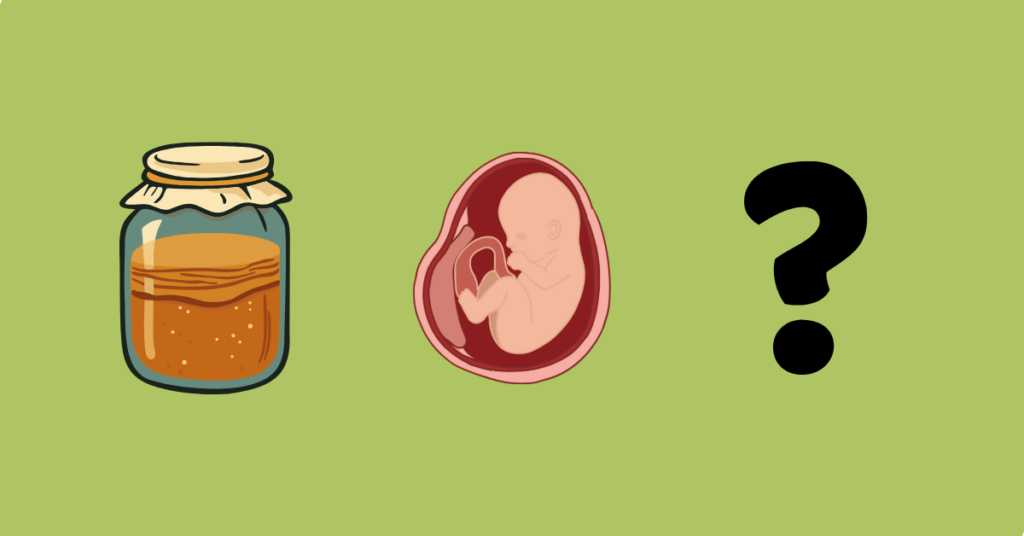
No, medical experts generally advise against drinking kombucha tea while pregnant due to the risks of harmful bacteria, trace alcohol content, and unpasteurized ingredients.
Pregnancy often brings intense cravings for something cold, tart, and fizzy. Kombucha seems like a healthy choice because of its probiotic reputation. However, this fermented tea carries specific risks that outweigh the benefits during these nine months. Understanding why this popular drink sits on the “avoid” list helps you make safer choices for you and your growing baby.
Can I Drink Kombucha Tea While Pregnant?
The short answer is no. Most healthcare providers recommend you stop drinking kombucha until after you deliver. The primary concern is that traditional kombucha is unpasteurized. Manufacturers bottle it raw to preserve the colony of bacteria and yeast that drives fermentation. While these microbes are good for gut health in an average adult, raw foods pose a safety threat during pregnancy.
Your immune system changes when you are expecting. It becomes less aggressive to ensure it does not reject the fetus. This natural suppression makes you more susceptible to foodborne illnesses like listeriosis or salmonella. Since raw kombucha does not undergo the heat treatment (pasteurization) that kills harmful pathogens, drinking it introduces a gamble that is not worth taking.
Another factor is the lack of standardization. Every batch of kombucha varies. One bottle might be perfectly safe, while another from the same brand could have higher bacterial counts or alcohol levels due to continued fermentation in the bottle. This unpredictability is the main reason doctors suggest you steer clear.
Breakdown of Kombucha Risks for Expecting Mothers
To understand the specific dangers, we need to look at what is actually inside that bottle. It is not just tea; it is a bioactive culture. The following table details the components of kombucha and why they matter right now.
| Component | Why It Is Present | Pregnancy Concern |
|---|---|---|
| Live Bacteria | Result of fermentation (the SCOBY). | Risk of contamination with harmful pathogens like Listeria, which can cross the placenta. |
| Alcohol | Byproduct of yeast consuming sugar. | Can range from 0.5% to 3.0% ABV; no amount of alcohol is proven safe for a fetus. |
| Caffeine | From the black or green tea base. | Adds to daily intake; high caffeine links to low birth weight. |
| Acidity (pH) | Acetic acid produced during brewing. | Aggravates heartburn and damages tooth enamel, which is already softer during pregnancy. |
| Raw Sugar | Food for the yeast. | Unnecessary calories that can spike blood sugar, a concern for gestational diabetes. |
| Herbal Additives | Flavorings like hibiscus or ginger. | Some herbs are not studied for pregnancy safety or may stimulate uterine contractions. |
| Heavy Metals | Leeching from improper vessels (mainly homemade). | Lead toxicity if brewed in ceramic or lead-crystal containers. |
The Hidden Alcohol Factor
Many people do not realize kombucha contains alcohol. It is a fermented product, similar to how beer or wine starts, though the process stops sooner. Commercial brands sold as “non-alcoholic” must contain less than 0.5% alcohol by volume (ABV) according to federal regulations. This sounds negligible, but it is not zero.
The issue arises with storage and shipping. If a bottle of raw kombucha sits on a warm delivery truck or a store shelf that isn’t cold enough, fermentation continues. The yeast keeps eating the sugar and producing alcohol. Tests on commercial brands have found alcohol levels climbing to 2.5% or even 3% in bottles sitting on shelves. That is comparable to a light beer.
Since medical consensus states there is no known safe amount of alcohol during pregnancy, unintentionally consuming a drink with 2% ABV is a risk. You have no way of knowing the exact alcohol content of the bottle you pick up at the grocery store.
Bacteria and Food Safety
The “raw” aspect is the biggest red flag. We are told to avoid raw sushi, unpasteurized cheese, and runny eggs. Kombucha falls into this same category. Pasteurization involves heating a liquid to a specific temperature to kill bacteria. This process makes milk and juice safe for pregnant women. Authentic kombucha skips this step.
Why Listeria Matters
Listeria monocytogenes is the bacteria that causes listeriosis. Unlike many other germs, Listeria can grow even in cool temperatures, like your refrigerator. If a batch of kombucha gets contaminated during bottling, the bacteria can thrive.
According to the FDA’s advice on food safety for expecting mothers, pregnant women are about 10 times more likely to get listeriosis than the general population. This infection can lead to severe complications, including miscarriage or preterm labor, even if you only feel mild flu-like symptoms.
Can I Drink Kombucha Tea While Pregnant? – The Pasteurized Loophole
You might wonder if pasteurized versions are acceptable. A few brands offer pasteurized kombucha. In these products, the manufacturer heats the tea to kill all bacteria and then may add probiotic strains back in afterward. Theoretically, this eliminates the risk of listeriosis and stops the fermentation process, preventing alcohol levels from rising.
However, even with pasteurization, you must check the caffeine and sugar content. Also, many enthusiasts argue that pasteurized kombucha lacks the health benefits of the original drink. If you crave the taste, a pasteurized version is safer, but you should still read the label carefully to ensure no unapproved herbal supplements were added for flavor.
Caffeine Content Concerns
Kombucha starts as tea—usually black or green. This means it naturally contains caffeine. Fermentation reduces the caffeine slightly, but it does not remove it. An 8-ounce serving typically holds anywhere from 10mg to 50mg of caffeine, depending on the steep time and tea type.
Current guidelines suggest limiting caffeine to 200mg per day. While a single cup of kombucha fits within this limit, you need to count it alongside your morning coffee, chocolate, and soda. Caffeine crosses the placenta easily and can affect your baby’s heart rate. If you are already sensitive to stimulants, the combination of sugar and caffeine in kombucha might make you feel jittery or increase anxiety.
The Danger of Homemade Brews
Home-brewed kombucha presents an even higher risk than store-bought options. When you brew at home, you lack the sterile environment of a commercial facility. The risk of contamination from wild mold or harmful bacteria is significantly higher.
Furthermore, the fermentation process is difficult to control in a home kitchen. One batch might be mild, while the next could ferment longer and develop higher alcohol content. There is also the risk of chemical leaching. The acid in kombucha can draw lead and toxins out of ceramic pots or crystal bowls. For these reasons, you should never consume homemade fermented drinks while pregnant.
Safe Alternatives to Satisfy the Craving
Giving up kombucha does not mean you have to suffer through nine months of plain water. You can find plenty of safe ways to get your probiotic fix or that fizzy, tart flavor you miss. Below is a comparison of safer options.
| Alternative | Why It Works | Safety Check |
|---|---|---|
| Yogurt & Kefir | Rich in probiotics; supports digestion. | Safe if pasteurized. Look for “Live & Active Cultures” on the label. |
| Sparkling Water + Splash of Juice | Mimics the carbonation and tartness of kombucha. | Completely safe. No caffeine or alcohol risks. |
| Pickles & Sauerkraut | Fermented foods offer gut-healthy bacteria. | Avoid refrigerated raw types unless cooked; shelf-stable jars are pasteurized (but have fewer probiotics). |
| Ginger Ale or Ginger Tea | Helps with nausea and provides a sharp flavor. | Safe. Ginger is well-regarded for morning sickness relief. |
| Fruit-Infused Water | Refreshing and hydrating without added sugar. | Safe. Wash all fruit thoroughly before infusing. |
Better Sources of Probiotics
Many women drink kombucha specifically for gut health. Pregnancy can slow down digestion, leading to constipation and bloating, so the desire for probiotics makes sense. You can support your microbiome without the risks of raw tea.
Pasteurized Yogurt and Kefir
These dairy (or non-dairy) products are the gold standard for pregnancy-safe probiotics. The pasteurization process kills harmful pathogens in the milk before the beneficial probiotic cultures are added. This ensures you get the good bacteria without the bad. Greek yogurt also provides a healthy dose of protein and calcium, which supports your baby’s bone development.
Supplements
If you struggle to eat fermented foods, ask your doctor about a probiotic supplement. Many high-quality options are formulated specifically for prenatal health. This allows you to control the exact strain and dosage you are taking, eliminating the guesswork associated with fermented beverages.
What If I Already Drank Kombucha?
If you consumed kombucha before realizing the risks, try not to panic. The statistical likelihood of contracting a serious illness from a single bottle is low. Many women drink it before they know they are pregnant without issue.
Monitor your health over the next few weeks. Watch for symptoms like fever, muscle aches, nausea, or diarrhea. If you notice anything unusual, contact your healthcare provider immediately. Mention that you consumed unpasteurized fermented tea so they can run the appropriate tests if necessary.
For the remainder of your pregnancy, switch to the safer alternatives mentioned above. It is always better to pause risky habits now to ensure a smooth, worry-free pregnancy journey.
Acidity and Dental Health
Pregnancy hormones already make your gums more sensitive and prone to inflammation, a condition known as pregnancy gingivitis. The high acidity in kombucha can erode tooth enamel, making your teeth more susceptible to decay. Combined with the sugar content, frequent consumption creates an environment where cavities thrive. Choosing water or milk is far kinder to your teeth during this vulnerable time.
Final Thoughts on Kombucha and Pregnancy
While the benefits of probiotics are real, the delivery method matters. The combination of raw fermentation, alcohol byproducts, and caffeine makes kombucha a poor choice for expecting mothers. There are simply too many variables to guarantee safety in every bottle. By choosing pasteurized yogurt, kefir, or simply a refreshing glass of sparkling water with lime, you protect your baby from unnecessary risks while still satisfying your thirst.
Always consult your OB-GYN regarding any dietary changes or questions about nutrition during pregnancy. They can provide personalized advice based on your health history and specific needs.