
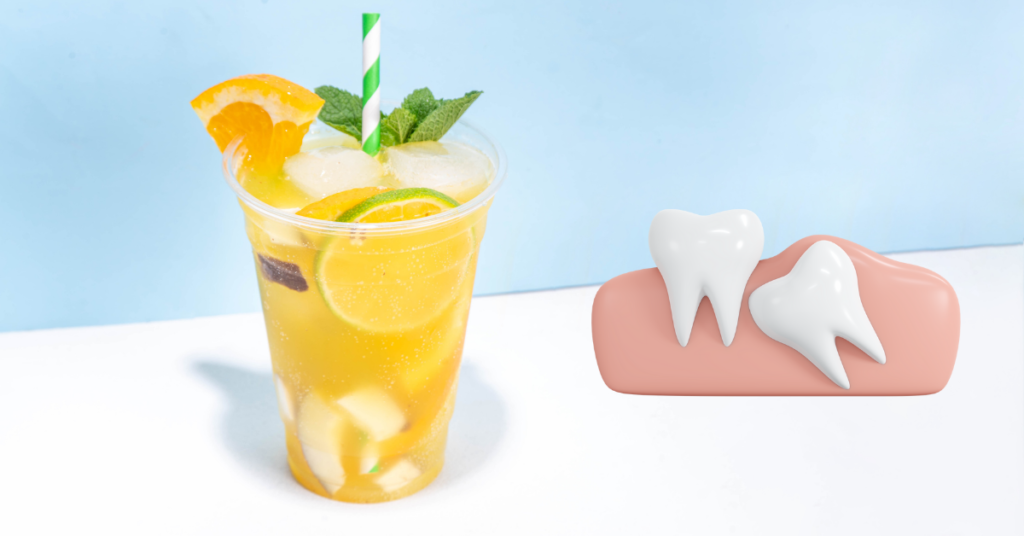
No, avoid drinking lemonade after wisdom teeth removal for at least one week because the high acidity burns the wound and risks dissolving the blood clot.
Recovering from oral surgery requires a strict menu, and your beverage choices matter just as much as soft foods. While a cold glass of lemonade might sound soothing for a sore jaw, the chemical makeup of lemons poses a direct threat to your healing gums. The citrus extract attacks sensitive tissue, causing sharp pain and potentially delaying your recovery.
You need hydration to heal, but water and non-acidic fluids are safer bets right now. Understanding exactly how citric acid interacts with a fresh extraction site will save you from unnecessary stinging and complications like dry socket.
The Acid Problem: Why Lemonade Hurts Healing
The primary reason dentists advise against lemonade is the pH level. The mouth maintains a neutral pH balance to promote enzyme activity and tissue repair. Lemons are highly acidic, usually sitting between 2 and 3 on the pH scale. When this acid washes over a fresh surgical wound, the reaction is immediate and painful.
Your gum tissue is raw and inflamed after the dentist removes your wisdom teeth. Introducing acid to this environment is like pouring lemon juice on a cut finger, but inside a sensitive mucous membrane. The irritation leads to increased swelling and redness, which extends the time you spend in the uncomfortable initial healing phase.
Beyond simple pain, acidity alters the oral environment. A highly acidic mouth supports certain bacteria and can erode the forming fibrin clot. This clot acts as a biological bandage over the empty tooth socket and the exposed bone beneath it. If you weaken this clot with acid, you risk exposing the nerves and bone, a condition known as dry socket.
Comparing Common Drinks During Recovery
It helps to see where lemonade stands compared to other common beverages you might crave. Choosing the wrong drink can set your recovery back by days.
| Beverage Type | Acidity Level (Approx. pH) | Recovery Safety Verdict |
|---|---|---|
| Fresh Lemonade | 2.0 – 2.6 | Unsafe (High sting risk) |
| Water (Tap or Bottled) | 7.0 (Neutral) | Safe (Best option) |
| Apple Juice | 3.3 – 4.0 | Caution (Dilute first) |
| Milk / Soy Milk | 6.5 – 6.8 | Safe (Good protein) |
| Cola / Sodas | 2.5 – 3.0 | Unsafe (Acid + Carbonation) |
| Sports Drinks (Gatorade) | 2.9 – 3.2 | Caution (High sugar/acid) |
| Chamomile Tea (Cooled) | 6.0 – 7.0 | Safe (Soothing) |
| Orange Juice | 3.3 – 4.2 | Unsafe (Pulp + Acid) |
Can I Drink Lemonade After Wisdom Teeth Removal?
You cannot drink lemonade immediately following surgery. The extraction site remains an open wound for the first few days. During this window, the blood clot is fragile and unstable. Oral surgeons generally recommend avoiding all acidic, spicy, and crunchy items for a minimum of 5 to 7 days.
If you drink lemonade too soon, the citric acid attacks the collagen structure of the healing tissue. This attack delays the formation of granulation tissue, which is the creamy-white substance that eventually replaces the blood clot. You want to keep the wound site neutral and calm. Water, lukewarm broth, and milk provide hydration without chemical aggression.
Some patients assume that watering down the lemonade makes it safe. While dilution reduces the sting, the pH often remains low enough to cause irritation. It is safer to switch to an entirely different flavor profile, such as vanilla, mild berry, or simply plain water, until the gum tissue closes over the socket.
The Risk of Dry Socket
Dry socket (alveolar osteitis) is the complication every patient fears. It occurs when the blood clot dislodges or dissolves before the wound heals. This exposes the underlying bone and nerves to air, food, and fluids. The pain is intense and often radiates to the ear and neck.
Acidic beverages contribute to dry socket in two ways. First, the chemical composition can prematurely break down the clot. Second, people often drink lemonade through a straw. The suction force created by using a straw creates a vacuum in the mouth that physically pulls the clot out of the socket. This combination of suction and acidity creates a perfect storm for complications.
[Image of extraction site healing stages]
When Is It Safe To Drink Lemonade Again?
Patience pays off when recovering from dental surgery. You will not have to avoid your favorite citrus drinks forever, but timing is everything.
The First 24–48 Hours
This is the “danger zone.” Your body is working hard to stop bleeding and establish the initial clot. Any disturbance here restarts the clock on your recovery. Avoid lemonade entirely. Even a small sip can cause a burning sensation that lasts for hours. Stick strictly to water and prescribed rinses.
The One-Week Mark
By day 7, most patients have significant soft tissue healing. The blood clot is usually secure or replaced by granulation tissue. You can try a small amount of lemonade to test your sensitivity. If you feel any stinging or throbbing, stop immediately and wait another two days. If you drink it, take small sips directly from the cup—no straws.
Always rinse your mouth gently with water after consuming acidic drinks during this phase. This neutralizes the pH in your mouth and washes away sugar residue that could feed bacteria near the wound.
Can I Drink Lemonade After Wisdom Teeth Removal With A Straw?
You should never use a straw to drink lemonade—or anything else—after wisdom teeth removal. The suction is more dangerous than the drink itself in many cases. The mechanical action of sucking creates negative pressure inside the oral cavity.
This pressure acts directly on the blood clot sitting in the extraction site. It can rip the clot loose instantly. Once that clot is gone, your body has to start the healing process over, but without the protection the clot provided. This leaves you open to infection and extreme pain. Doctors typically advise waiting 10 to 14 days before using a straw again.
Sugar Content And Bacteria Growth Risks
Lemonade is rarely just lemon juice and water; it is packed with sugar to mask the sourness. High sugar content creates another layer of risk for your recovery. The bacteria naturally present in your mouth thrive on sugar. When they feast on the sucrose in your drink, they produce acid as a byproduct.
This creates a cycle of acidity. You drink acidic lemonade, and then the bacteria create more acid from the sugar. This bacterial bloom increases the risk of infection in the socket. Infections cause swelling, discharge, and fever, often requiring antibiotics to clear up.
For a detailed breakdown of how diet impacts recovery, the American Association of Oral and Maxillofacial Surgeons provides guidelines on maintaining a clean oral environment to prevent infection.
Keeping The Mouth Clean
If you accidentally consume a sugary or acidic drink, oral hygiene becomes your defense. However, you cannot brush the extraction site vigorously. Instead, perform a gentle Salt Water Rinse. Mix half a teaspoon of salt into a cup of warm water. Tilt your head side to side to let the water wash over the wounds. Do not spit forcefully; let the water fall out of your mouth into the sink.
Better Alternatives For Hydration And Vitamin C
You might want lemonade for the Vitamin C boost, believing it helps healing. While Vitamin C is beneficial for collagen production, you can get it from non-acidic sources or supplements that don’t pass over the wound. Focus on drinks that soothe rather than sting.
Water and Gentle Teas
Hydration keeps your saliva production up, which contains natural infection-fighting enzymes. Plain water is the gold standard. If you need flavor, lukewarm herbal teas like chamomile or peppermint are excellent. They have mild anti-inflammatory properties and lack the acidity of fruit teas.
Smoothies (Without Seeds)
Smoothies offer a way to get nutrients and cool down the mouth, which reduces swelling. Use bananas, yogurt, mild protein powder, and milk or almond milk. Avoid berries with small seeds (strawberries, raspberries) as the seeds can get trapped in the socket. Do not blend citrus fruits into your recovery smoothie.
Other Beverages To Avoid During Recovery
Lemonade is not the only drink on the prohibition list. Several other common beverages share characteristics that disrupt healing.
Carbonated Sodas
The bubbles in soda can dislodge the blood clot just like suction does. Carbonation creates pressure changes in the mouth. Most sodas are also highly acidic (phosphoric acid) and sugary. Diet sodas are not safer; they still contain acid and carbonation.
Alcohol And Hot Coffee
Alcohol thins the blood, making it harder for clots to form and stay put. It can also interact negatively with prescribed pain medication. Hot coffee promotes blood flow to the area, which increases bleeding and throbbing. If you need caffeine, drink iced coffee or lukewarm tea, but avoid hot temperatures for the first 72 hours.
How To Reintroduce Acidic Drinks Safely
Once you pass the initial danger zone, you can slowly bring lemonade back into your diet. Listening to your body signals is the best way to avoid a setback.
| Days Post-Op | Allowed Actions | Warning Signs |
|---|---|---|
| Days 1–3 | None. Stick to water/milk. | Bleeding, throbbing. |
| Days 4–6 | Diluted apple juice allowed. | Stinging sensation. |
| Days 7–10 | Sips of lemonade (No straw). | Sensitivity to cold/sour. |
| Day 10+ | Regular drinking (Straw allowed if healed). | Dull ache in jaw. |
| Day 14+ | Full diet usually resumed. | None typically. |
| Anytime | Rinse with water immediately after acid. | Redness around socket. |
| Emergency | Call dentist if pain returns. | Bad taste/breath (Infection). |
If you notice throbbing after a drink, your body is telling you the tissue is not ready. Retreat to water for another 24 hours.
Signs You Drank Acidic Fluids Too Soon
Mistakes happen. You might take a sip of a friend’s drink without thinking, or order a cocktail with lime juice once you feel better. Knowing the signs of irritation allows you to act fast.
Managing Irritation
The most common symptom is a sharp, stinging pain at the incision site. This differs from the dull ache of bone healing. You might also see increased redness or minor bleeding if the acid disturbed the scab. If this happens, rinse gently with warm salt water immediately to neutralize the area.
Persistent pain that does not go away with over-the-counter medication warrants a call to your oral surgeon. It could indicate that the acid exposure progressed to dry socket or an infection. According to the Mayo Clinic, dry socket is the most common complication following removal, and diet plays a massive role in preventing it.
Recovery is short compared to the long-term health of your mouth. Trading a glass of lemonade for a glass of water for one week ensures your gums heal smoothly and you avoid the dentist’s chair for a painful correction.