
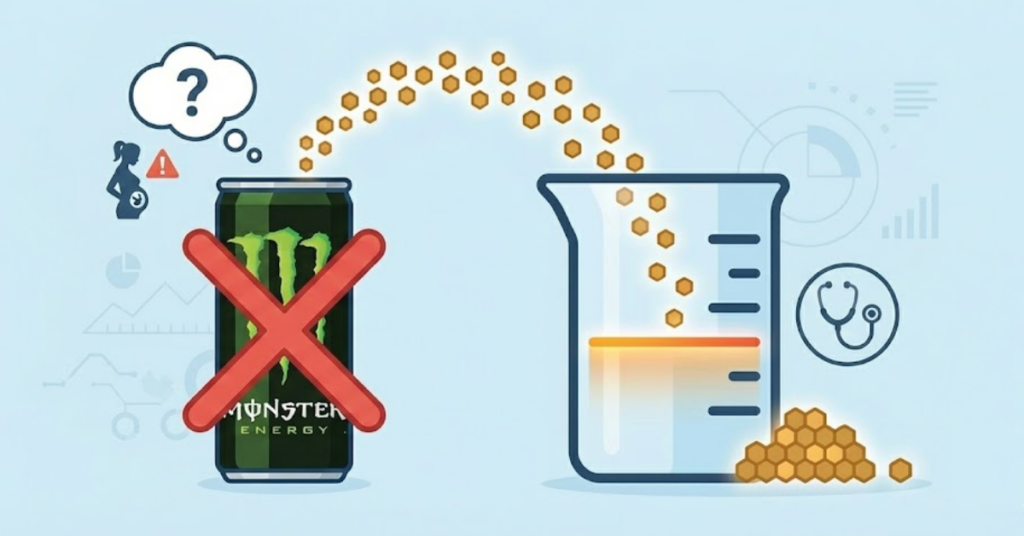
Most doctors advise against drinking Monster Energy while pregnant due to high caffeine content, artificial additives, and herbal ingredients that lack safety data for fetal development.
Pregnancy fatigue is a heavy reality. Your body works overtime growing a new life, and your energy levels often crash long before the day ends. Before you were pregnant, cracking open a Monster Energy drink might have been your go-to fix for that mid-afternoon slump. Now, you have to pause and check labels.
You likely know caffeine is restricted, but energy drinks are more complex than a simple cup of coffee. They contain “energy blends” that interact with your body differently. Understanding exactly what is inside that can helps you make the safest choice for you and your baby.
Can I Drink Monster While Pregnant?
The short answer from most obstetricians and health organizations is no. While you might technically find a can that sits just under the daily caffeine limit, the risks extend beyond just the caffeine count. Energy drinks fall into a category of beverages that are not regulated as strictly as food or medication, which creates gray areas regarding their safety during pregnancy.
American medical guidelines suggest pregnant individuals limit caffeine intake to 200 milligrams per day. A standard 16-ounce can of Monster typically contains around 160 milligrams of caffeine. On paper, this looks like it fits within the limit. However, this number does not account for the interactions of other stimulants found in the proprietary energy blend.
When you ask, “Can I Drink Monster While Pregnant?”, you also have to consider the sugar content and chemical additives. High sugar intake can complicate blood glucose levels, potentially increasing the risk of gestational diabetes. The artificial sweeteners in sugar-free versions also cross the placenta, and while many are deemed safe in moderation, the combined chemical load in energy drinks is often discouraged.
The Caffeine Content In Monster Energy Drinks
Not all Monster cans are created equal. The brand offers dozens of varieties, ranging from the original sugary green can to coffee hybrids and tea blends. The caffeine content varies significantly between these options. Some larger cans or concentrated formulas easily exceed the 200mg safety limit in a single serving.
You need to verify the size of the can you are holding. Many energy drinks come in 24-ounce cans that contain multiple servings. Drinking the whole can pushes you well into the danger zone for caffeine consumption.
Below is a breakdown of caffeine levels in popular Monster varieties to help you gauge the risk.
| Product Name | Can Size (oz) | Caffeine (mg) |
|---|---|---|
| Monster Original (Green) | 16 oz | 160 mg |
| Monster Lo-Carb | 16 oz | 160 mg |
| Monster Zero Ultra (White) | 16 oz | 150 mg |
| Monster Mega | 24 oz | 240 mg |
| Java Monster (Coffee Blend) | 15 oz | 200 mg |
| Monster Rehab (Tea Blend) | 15.5 oz | 160 mg |
| Monster Hydro (Non-Carbonated) | 25.4 oz | 188 mg |
| Monster Assault | 16 oz | 160 mg |
As the table shows, a single “Mega” can immediately disqualifies itself. Even the standard cans sit uncomfortably close to the ACOG recommended caffeine limit of 200mg. If you drink a Monster and then have a chocolate bar or a cup of tea later, you will surpass the daily safety threshold.
Hidden Ingredients To Watch Out For
The caffeine listed on the label is synthetic caffeine. However, energy drinks differ from coffee because they include supplements that act as additional stimulants. These ingredients are often listed under a “Proprietary Energy Blend,” meaning the exact amounts are not always transparent.
Guarana Seed Extract
Guarana is a plant native to the Amazon that produces seeds with a potent caffeine concentration—roughly four times the amount found in coffee beans. When a label lists caffeine and guarana separately, the actual stimulant load is higher than the stated caffeine milligrams. Manufacturers are not always required to include the naturally occurring caffeine from guarana in the total caffeine count on the nutrition facts panel. This hidden stimulant source makes tracking your intake difficult.
Panax Ginseng
Ginseng is a common herbal supplement used to boost energy and mental clarity. While generally safe for non-pregnant adults, its safety during pregnancy is debated. Some animal studies have linked high doses of ginseng to developmental abnormalities in embryos. Because ethical restrictions prevent testing these herbs on pregnant women, no definitive safety data exists. Medical professionals usually recommend avoiding unnecessary herbal supplements to err on the side of caution.
Taurine
Taurine is an amino acid found naturally in meat and fish. It supports metabolism and neurological development. The amount found in energy drinks is synthetic and much higher than what you would get from a normal diet. While taurine itself isn’t explicitly classified as dangerous, the effect of flooding a developing fetus with high doses of synthetic amino acids combined with caffeine is not well studied.
Risks Of High Energy Drink Consumption
Your body processes substances differently when you are pregnant. Your metabolism slows down to prioritize nutrient delivery to the baby, which means caffeine and other chemicals stay in your bloodstream longer. The half-life of caffeine doubles or even triples during the second and third trimesters.
Vasoconstriction And Blood Flow
Caffeine acts as a vasoconstrictor, meaning it narrows blood vessels. This can temporarily raise your blood pressure and heart rate. Consistent high intake restricts blood flow to the placenta. The placenta is your baby’s only source of oxygen and nutrients. Limiting stimulants ensures that this vital lifeline remains wide open and efficient.
Low Birth Weight Risks
Studies consistently show a correlation between high caffeine intake and low birth weight. Babies born smaller than average may face health challenges such as difficulty regulating body temperature, blood sugar issues, and a higher risk of infection. By swapping out the energy drink for water or a lower-caffeine option, you directly support your baby’s growth metrics.
Withdrawal Symptoms For The Baby
Babies share your blood supply. If you consistently consume high levels of caffeine and sugar, your baby becomes accustomed to that chemical environment. After birth, the sudden drop in these substances can cause withdrawal symptoms in newborns. This often manifests as irritability, jitteriness, and disrupted sleep patterns during those crucial first few days of life.
Artificial Sweeteners And Sugar Loads
A standard can of green Monster contains about 54 grams of sugar. That is equivalent to roughly 13 teaspoons of sugar in one sitting. This massive glucose spike puts immense pressure on your pancreas.
During pregnancy, your hormones naturally make your cells slightly more resistant to insulin. This is a biological adaptation to ensure the baby gets enough glucose. However, flooding your system with liquid sugar can overwhelm this delicate balance, increasing your risk of gestational diabetes. This condition can lead to a larger baby (macrosomia), which often complicates delivery.
The “Zero Ultra” or “Lo-Carb” versions use artificial sweeteners like sucralose and acesulfame potassium (Ace-K). While the FDA approves these for general consumption, some studies suggest that artificial sweeteners can alter gut bacteria and metabolism. Given that your gut health influences your baby’s immune system, sticking to natural sweeteners or water is preferable.
Safe Alternatives For Energy Boosts
You still need to function. The exhaustion you feel is physical and hormonal, so simply “pushing through” isn’t always an option. Fortunately, there are safer ways to get a lift without the risks associated with Monster.
Switching to natural sources of caffeine allows you to control the dose. You also avoid the “chemical soup” of preservatives and color dyes found in commercial energy drinks. Here is how Monster compares to safer alternatives regarding caffeine and safety profile.
| Drink Option | Caffeine (Approx) | Pregnancy Safety Verdict |
|---|---|---|
| Monster Energy (16oz) | 160 mg + Additives | Avoid |
| Brewed Coffee (8oz) | 95 mg | Safe (Limit 2 cups) |
| Black Tea (8oz) | 47 mg | Safe |
| Green Tea (8oz) | 28 mg | Safe (High antioxidants) |
| Matcha Latte (8oz) | 30-70 mg | Safe (Slow release energy) |
| Ice Water with Lemon | 0 mg | Best (Combats fatigue) |
Cold Water Therapy
It sounds too simple to work, but dehydration is a primary cause of pregnancy fatigue. Your blood volume increases by up to 50% during pregnancy, requiring massive amounts of water. Drinking a glass of ice-cold water provides a shock to the system that wakes you up and rehydrates your cells instantly.
Protein-Rich Snacks
Energy drinks provide a sugar rush followed by a crash. Protein provides sustained energy. A handful of almonds, a hard-boiled egg, or a slice of cheese can stabilize your blood sugar. Stable blood sugar prevents the dips that make you reach for caffeine in the first place.
Focus On Sleep Hygiene
Insomnia is common in pregnancy. Create a routine that maximizes the rest you do get. Keep your room cool, use a pregnancy pillow for support, and avoid screens for an hour before bed. Even a 20-minute power nap during the day can be more effective than caffeine for restoring alertness.
What If I Already Drank One?
If you drank a Monster before you knew you were pregnant, or if you had one recently before reading this, do not panic. One single can is highly unlikely to cause immediate harm to your baby. The risks discussed here are generally associated with consistent, high-level consumption.
Stress is also bad for pregnancy. The best course of action is to simply stop drinking them now. Focus on hydration and a balanced diet moving forward. If you experience rapid heartbeat, severe jitters, or dizziness after drinking one, lay down on your left side to improve blood flow and drink plenty of water to help flush your system. If symptoms persist, call your healthcare provider.
Can I Drink Monster While Pregnant? – Final Verdict
The consensus is clear: you should avoid Monster Energy drinks during pregnancy. The combination of high caffeine, massive sugar content, and unregulated herbal supplements creates unnecessary risks for your developing baby. While the caffeine amount in a single can might technically sit within the 200mg limit, the other variables make it a gamble not worth taking.
Your energy levels will fluctuate, but choosing safer alternatives like small amounts of coffee, tea, or simply staying hydrated will keep you alert without compromising safety. Always consult your OB-GYN if you are struggling with unmanageable fatigue, as it can sometimes indicate iron deficiency anemia.