
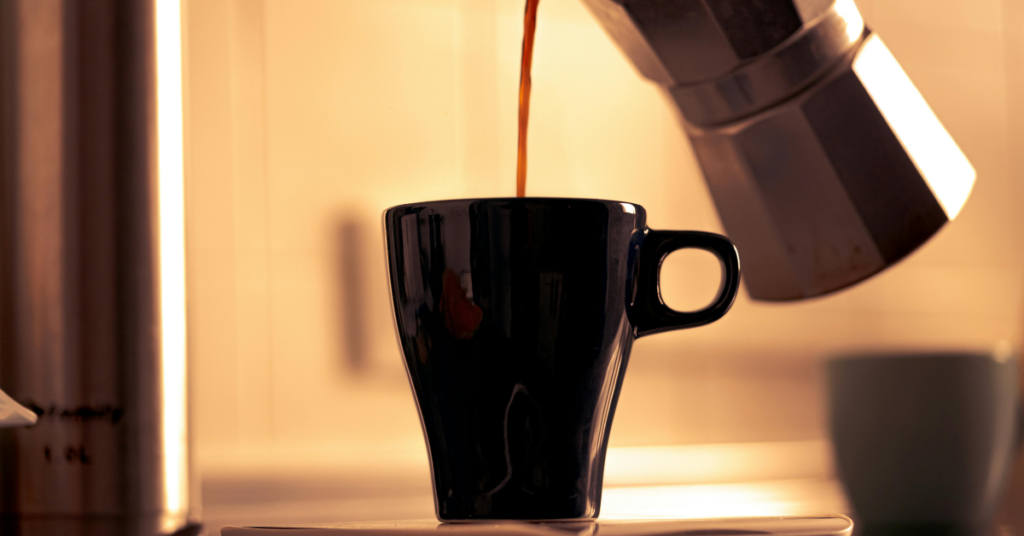
A full drip coffee pot usually holds 20 to 60 fl oz, depending on the machine’s listed cup size and total capacity.
Why Coffee Pot Ounces Feel So Confusing
Ask three people how big a pot of coffee is and you will probably hear three different answers. One person thinks of a 12 cup machine that feeds a weekend brunch, another pictures a five cup brewer on a tiny counter, and a third uses a travel mug that drains half the carafe in one pour. The label on the coffee maker rarely matches the mugs in the cupboard, which makes planning a full pot trickier than it looks.
The core problem is that a coffee maker cup is not the same as a standard eight ounce measuring cup. Many household brewers treat one cup as about five fluid ounces of brewed coffee, while some stretch that to six. A detailed coffee measurement guide shows that many carafes define a cup as five ounces or less, so the total in the pot shifts a lot from one machine to the next. That detail trips people up.
How Many Fl Oz In A Pot Of Coffee? Common Pot Sizes
This is where people start typing how many fl oz in a pot of coffee? into a search bar. The answer always depends on how many cups your machine says it can brew and which cup size the manufacturer uses. Once you know both numbers, the math is simple multiplication.
The table below shows the typical range you get from common drip coffee maker sizes, using both a five ounce and a six ounce definition of a cup. This reflects the way many popular brands describe their carafes.
| Labeled Pot Size (cups) | Fl Oz At 5 Oz Per Cup | Fl Oz At 6 Oz Per Cup |
|---|---|---|
| 4 cup brewer | 20 fl oz | 24 fl oz |
| 5 cup brewer | 25 fl oz | 30 fl oz |
| 6 cup brewer | 30 fl oz | 36 fl oz |
| 8 cup brewer | 40 fl oz | 48 fl oz |
| 10 cup brewer | 50 fl oz | 60 fl oz |
| 12 cup brewer | 60 fl oz | 72 fl oz |
| 14 cup brewer | 70 fl oz | 84 fl oz |
Most modern drip machines fall into the range in that chart. A compact four or five cup model suits one or two coffee drinkers, while ten cup and twelve cup brewers are common in households that go through several mugs each morning. Larger commercial brewers can go far beyond fourteen cups, and the same cup size logic still applies.
If you own a twelve cup coffee maker that uses a five ounce cup, a full pot holds about sixty fluid ounces of coffee. A similar machine built around a six ounce cup output delivers roughly seventy two fluid ounces. Those numbers explain why one full carafe can fill four large sixteen ounce travel mugs but only if the manufacturer uses the smaller cup standard.
Why Cup Markings Change Your Pot Size
The next step is to stop guessing and look at your own machine. Coffee makers do not share a universal rule for cup size, so two models with the same twelve cup label can produce noticeably different volumes. One may follow the classic five ounce standard, while another treats a coffee cup more like six ounces.
The easiest way to check is with a kitchen scale or a measuring jug. Fill the reservoir to the four cup line with cold water. Pour that water back out into a measuring cup and read the amount in fluid ounces. Divide by four and you have the cup size the manufacturer uses for that brewer.
If that small experiment shows twenty ounces at the four cup mark, each labeled cup on the machine equals five ounces. If the result lands near twenty four ounces, your brewer is built around a six ounce cup. Multiply that number by the total cup count the coffee maker lists for a quick answer to how many fl oz in a pot of coffee? for that specific model.
Typical Mug Sizes Versus Coffee Pot Capacity
Part of the daily confusion comes from the mugs people actually drink from. Many favorite coffee mugs are eight to twelve ounces, and insulated travel cups often hold sixteen or twenty. When a carafe claims to offer twelve cups of coffee based on a five ounce standard, the pot suddenly seems much smaller once you start pouring into larger mugs.
A twelve cup pot built on five ounce cups offers about sixty ounces of brewed coffee. That equals only three large twenty ounce travel tumblers or four sixteen ounce cafe style mugs. The same pot feels more generous if you pour into traditional six ounce coffee cups at a family table.
When you know both your mug size and your coffee pot capacity in fluid ounces, planning the morning brew gets easier. You can decide whether to fill the reservoir to the top, stop at the eight cup mark, or brew a small batch for a single person without leaving cold coffee behind on the hot plate.
How Brew Ratio Links To Pot Size
Knowing how many fluid ounces sit in the carafe is only half the picture. The next piece is how much ground coffee you need for that water volume. For balanced drip coffee, the Specialty Coffee Association golden cup standard describes a brew ratio close to one part coffee to sixteen to eighteen parts water by weight. Many home guides translate that into about two tablespoons of coffee for every six fluid ounces of water.
Once you have the cup size pinned down, you can use that rule to decide how much coffee to scoop into the filter. That way you do not rely on vague spoon counts or guesswork that changes every time someone else makes the pot.
Using A Simple Ratio For Real Pots
Here is a straightforward way to tie everything together. First, confirm the cup size for your coffee maker. Second, multiply that by the number of cups you plan to brew to get total fluid ounces. Third, match that water volume with a steady coffee dose that suits your taste.
The table below gives sample starting points for common pot sizes using the familiar guideline of about two tablespoons of ground coffee per six fluid ounces of water. You can tweak these numbers once you know whether you like your coffee slightly stronger or lighter.
| Full Pot Size | Approximate Water (fl oz) | Starting Coffee Dose |
|---|---|---|
| 4 cup pot | 20–24 fl oz | 7–8 tablespoons |
| 6 cup pot | 30–36 fl oz | 10–12 tablespoons |
| 8 cup pot | 40–48 fl oz | 13–16 tablespoons |
| 10 cup pot | 50–60 fl oz | 17–20 tablespoons |
| 12 cup pot | 60–72 fl oz | 20–24 tablespoons |
These numbers line up with the SCA golden cup guideline of about fifty five to sixty grams of coffee per liter of water, which sits in the same range as one gram of coffee for sixteen to eighteen grams of water. Once you convert that standard from grams and liters to tablespoons and fluid ounces, home brewing feels far less mysterious.
How To Measure A Coffee Pot Accurately
Labels printed on a carafe can fade or wear off over time, and not every manufacturer prints both cups and ounces. A quick measurement session gives you a fresh reference that you can trust. You only need a kitchen scale or a clear measuring jug with ounce markings.
Start with an empty machine and an empty carafe. Fill the reservoir all the way to the top line using cold water from the measuring jug, keeping track of how many ounces you pour. Note that total. That number is the true maximum water capacity of your brewer in fluid ounces, no matter what the cup label says on the box.
If the reservoir and the carafe do not match during that test, always trust the lower number. Some machines leave a small amount of water behind in the reservoir, especially at the maximum fill line. In daily use that small gap will not matter much, yet it can throw off coffee strength if you assume every drop makes it into the pot.
Tweaking Strength Once You Know Your Pot Size
Once you understand the size of your pot of coffee in fluid ounces, dialing in flavor turns into a simple ratio game. You can edge the coffee dose up a little for a bolder brew on sleepy mornings or trim it back when you want a gentler cup in the afternoon.
If a twelve cup machine yields about sixty fluid ounces and you usually brew at twenty four tablespoons, try stepping down to twenty or up to twenty eight and see how the flavor feels. Small changes in dose often make more difference than large changes in water volume, as long as the filter basket still drains correctly.
Putting It All Together For Everyday Brewing
When you first ask how many fluid ounces live in a pot of coffee, the topic seems simple. Then you discover that every manufacturer picks its own cup size, and a twelve cup machine can hide anything from about sixty to more than seventy ounces.
Once you measure your own carafe, the guesswork disappears. You know how many fl oz go into a full pot, how many mugs that fills, and how much coffee to add for your favorite strength. That small bit of prep makes every brew feel consistent and easy. That habit keeps brewing stress low.