
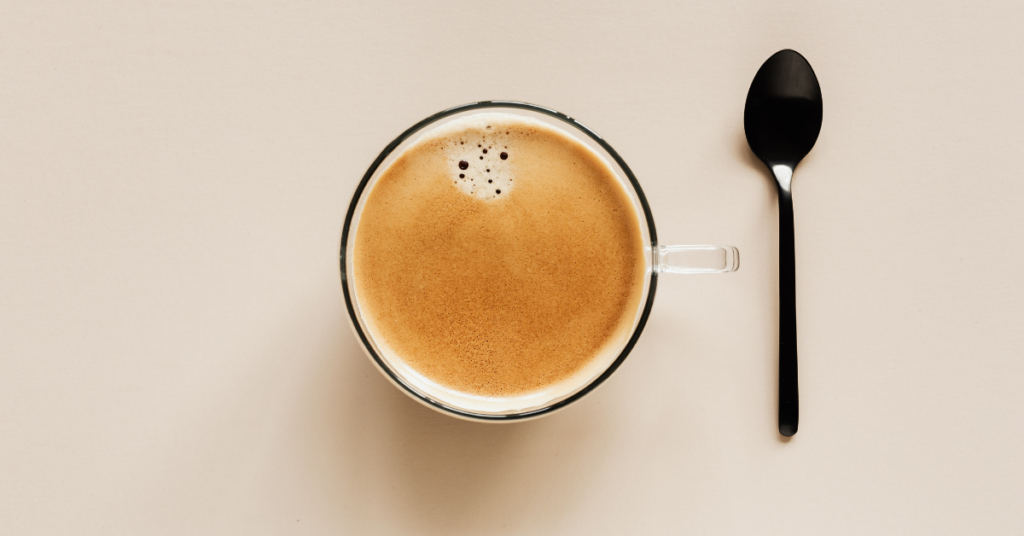
From 1 litre of milk, you usually get about 4–8 cups of coffee, depending on cup size, drink style, and how much milk you pour into each mug.
When you stand in front of the fridge with a single carton and wonder how many cups of coffee from 1 litre milk you can pour, the answer is a range, not one fixed number. One litre is 1,000 millilitres of milk, and the way you stretch that milk depends on cup size, drink style, how much foam you like, and whether you brew espresso drinks or simple instant coffee.
Most home drinkers land somewhere between 4 and 8 cups of milk coffee from 1 litre of milk. A milk heavy latte uses more milk each time, while a smaller cappuccino or a modest splash of milk in brewed coffee uses much less. The goal is to match your own habits to some simple numbers so you know whether one litre will carry you through a day, a weekend, or a work week.
How Many Cups Of Coffee From 1 Litre Milk? Cup Basics
To answer how many cups of coffee from 1 litre milk in a practical way, it helps to start with common serving sizes. Nutrition and food labeling rules often treat one standard serving of milk as 1 cup, which is about 240 millilitres, or 8 fluid ounces. That means 1 litre of milk lines up with a bit more than four standard milk servings.
When you turn that same milk into coffee drinks, the milk usually shares the cup with espresso or brewed coffee. A latte in a 240 millilitre cup often uses two thirds of that volume for milk, while a cappuccino of similar total size may use closer to 100 to 120 millilitres of milk with a generous layer of foam on top.
| Milk Per Cup (ml) | Drink Style Example | Cups From 1 Litre |
|---|---|---|
| 50 | Small splash in brewed coffee | 20 cups |
| 75 | Generous splash in brewed coffee | 13 cups |
| 100 | Mini cappuccino or flat white | 10 cups |
| 125 | Small flat white or small latte | 8 cups |
| 150 | Standard home latte mug | 6 cups |
| 200 | Large latte or mocha | 5 cups |
| 250 | Extra large latte style drink | 4 cups |
This table gives you a quick feel for the range. If you only use a small splash of milk in drip coffee, one litre can give you twenty cups. If you pour large lattes with 200 millilitres of milk in a tall mug, the same carton will give you around five drinks. Most people sit in the middle, which is why 4 to 8 cups of coffee from 1 litre milk is such a common range.
Factors That Change Your Coffee Count
Cup Size And Shape
Cup volume is the first variable that shifts how many drinks you get. Many espresso cups sit around 60 to 90 millilitres and hold straight espresso with little or no milk. Cappuccino cups often sit around 150 to 180 millilitres, with room for espresso, milk, and foam. Latte glasses regularly sit around 240 millilitres or more, and most of that space ends up filled with milk based coffee and foam.
If your household uses small cappuccino cups, 1 litre of milk stretches a long way. If every drink goes into a big 300 millilitre mug filled mostly with milk coffee, that same litre disappears faster. Before shopping, check the volume marks on your favourite mugs or measure how much water they hold, then match that to the milk per cup rows in the first table.
Drink Style: Latte, Cappuccino, Flat White, Or Instant Coffee
The second big driver is drink style. A classic cappuccino is often built with equal parts espresso, steamed milk, and foam, with the milk portion sitting near 100 millilitres in many guides. A latte uses more milk, with some barista resources describing cups where roughly two thirds of a 240 millilitre glass is steamed milk and microfoam wrapped around a double espresso shot.
If you mostly drink cappuccinos or flat whites that sit near the 100 to 125 millilitre milk mark, 1 litre supports 8 to 10 cups without trouble. If you favour tall lattes with 180 to 200 millilitres of milk in each glass, expect 4 to 6 drinks instead. Instant coffee with milk tends to fall closer to the splash style on the chart, so one litre goes much further in that case.
How Strong You Like The Coffee And Milk Balance
Personal taste might be the biggest reason two people can give different answers when someone asks this question. Some drinkers like a dark, strong cup with just a soft cloud of milk on top. Others like a mild, creamy drink where coffee plays more of a background role.
Try measuring the milk you pour into your next cup with a small jug or kitchen scale. If you find that you usually add around 120 millilitres of milk to each drink, you can safely plan on about eight similar cups from 1 litre. If you land closer to 160 or 180 millilitres, your carton will sit nearer five or six drinks before it runs dry.
Frothing, Wastage, And Steaming Losses
Home baristas often lose a little milk during steaming and pouring. Frothing pitchers keep a layer of milk that never leaves the jug, and many people pour a bit down the sink when texture is not fully right. That means the full 1,000 millilitres in the carton do not always end up in cups.
If you steam milk, assume that 5 to 10 percent might stay behind in the pitcher or get tossed. On 1 litre of milk, that equals 50 to 100 millilitres. With that loss, your effective milk for drinks might drop from 1,000 millilitres to closer to 900. In practical terms, this often turns the nice round numbers in the table into something slightly lower in the real kitchen.
Real Life Plans For 1 Litre Of Milk
Single Coffee Drinker At Home
If you drink one large milk coffee each morning and like a 200 millilitre pour of milk in a big mug, one litre of milk lasts around five days. You could stretch the week by cutting the milk to 150 millilitres and adding a bit more hot water or coffee. That simple tweak boosts your count to around six or seven cups without a major change in your daily drink.
When you prefer smaller cappuccinos with 100 millilitres of milk each, 1 litre easily gives you around ten home coffee moments. In that case you might even share a carton with another person and still stay stocked through the work week.
Two People Sharing A Carton
For a pair who both drink milk coffee, planning ahead stops empty carton surprises. Picture a couple where each person enjoys a 150 millilitre milk latte every morning. Together they use 300 millilitres a day, so 1 litre lasts a little over three days.
If one person prefers strong coffee with only 50 millilitres of milk and the other wants a 180 millilitre latte, the shared carton splits unevenly. You can still plan by treating the low milk drinker as four days of supply per 1 litre and the latte drinker as around five servings. The real number of cups now depends on how you share those drinks over the week.
Hosting Friends Or Family
Entertaining a group makes this question even more useful. If you plan to serve eight guests a round of cappuccinos built with about 100 millilitres of milk each, 1 litre lines up almost perfectly with that plan. You will want a little extra in case of frothing loss, so starting with a bit more than 1 litre or keeping a second carton on hand feels wise.
If you host a brunch with large lattes for everyone, treat 1 litre as enough for about five full size drinks with some spare milk for one or two smaller cups. You can stretch the supply by offering a mix of drink sizes, such as standard lattes for a few guests and smaller cappuccino style cups for others.
Sample Coffee Plans From 1 Litre Of Milk
This section turns the raw numbers into easy plans you can adjust to your own routine. Pick the row that looks closest to your habits and tweak the milk per cup or drink count as needed.
| Scenario | Typical Drinks | Cups From 1 Litre |
|---|---|---|
| Solo drinker, large lattes | 200 ml milk in each mug | 5 cups |
| Solo drinker, medium lattes | 150 ml milk in each mug | 6–7 cups |
| Solo drinker, cappuccinos | 100–120 ml milk in each cup | 8–10 cups |
| Two people, one latte each day | 2 × 150 ml milk cups per day | 3–4 days of drinks |
| Instant coffee with milk | 50–75 ml milk splash per cup | 13–20 cups |
| Mixed group at brunch | 5 large lattes, 2 small cappuccinos | Use close to 1 litre |
Milk Saving Habits For Daily Coffee
If you often find yourself short on milk before the next shop, a few small habits can stretch 1 litre without making your coffee feel thin. Start by pouring milk into a marked jug instead of straight into the mug. That way you can see whether you are using 150 or 220 millilitres in each drink and nudge the number down over time.
Next, pay attention to foam quality when you steam. Dense microfoam lets milk feel creamy even when you pour a little less. Skim or low fat milk can foam well with the right technique, and many coffee resources suggest aiming for fine, glossy foam with a smooth surface. When the foam sits like that, small changes in milk volume have less effect on the texture in the cup.
You can also plan coffee rounds across the day. Brew stronger coffee with a smaller milk portion in the morning, then keep a larger, gentler latte as an evening treat. Over a full litre, this kind of mix helps you fit an extra cup or two into the same carton.
Main Points For 1 Litre Milk And Coffee Cups
One litre of milk gives enough room for a range of coffee habits. With a small splash of milk in brewed coffee, you can pour up to twenty cups. With standard home lattes, you land closer to five or six cups of coffee from 1 litre milk. With traditional cappuccinos or flat whites, an eight to ten cup range is realistic.
Once you know your usual milk pour, the rest is simple math. Measure a typical drink once, match that volume to the numbers in the table, and plan your shopping list around the number of cups you drink each day. That way, the next time you face this question, you will already know how far that single carton can carry your routine.