
Nothing ruins the calm of a well-planned flower bed faster than a stubborn patch of crabgrass or bindweed pushing through the mulch. The real challenge is finding a material that blocks sunlight and weed seeds without starving your perennials of water and airflow. The wrong choice can smother roots, trap moisture, and create more work than it solves.
I’m Mohammad Maruf — the founder and writer behind Drink4Good. I’ve spent years analyzing landscape material specs, customer feedback, and field performance to separate the fabrics that actually suppress weeds long-term from those that fray, unravel, or fail within a single season.
After comparing dozens of options on material weight, permeability, durability, and installation ease, I’ve narrowed the field to the five most reliable picks. This guide covers everything you need to know before buying ground cover for flower beds, so you can finally enjoy a weed-free garden without the constant maintenance.
How To Choose The Best Ground Cover For Flower Beds
Not all ground covers are created equal. The material composition, weight, permeability, and edge finish all play a role in how well the fabric performs over multiple growing seasons. Here are the key factors to consider before you unroll anything in your garden.
Fabric Weight and Density
The weight is measured in ounces per square yard. A 3.2 oz fabric is the industry standard for residential flower beds — it’s thick enough to block most weed germination but still flexible enough to contour around plants. Lighter fabrics around 1.0 oz tear easily under mulch and allow persistent weeds to push through within months.
Water and Air Permeability
Ground cover that blocks water traps moisture on the surface, leading to mold, root rot, and anaerobic soil conditions. Look for woven geotextile fabrics with high permeability — they allow rainwater to reach roots while preventing evaporation. Non-woven or tightly bonded fabrics often fail this test.
Edge Stability and Fraying
When you cut landscape fabric to fit a flower bed, the edges can unravel and leave loose plastic strands in the soil. Ultrasonic-cut edges or torch-sealed edges prevent this completely. If the fabric frays, you’ll spend extra time pinning down edges or dealing with plastic debris that never biodegrades.
Quick Comparison
On smaller screens, swipe sideways to see the full table.
| Model | Category | Best For | Key Spec | Amazon |
|---|---|---|---|---|
| Groweco 6ft x 50ft | Woven Polypro | General flower beds | 3.2 oz weight | Amazon |
| Winisok 4ft x 100ft | Woven Polypro | Large garden coverage | 5+ year durability | Amazon |
| VEVOR 4ft x 100ft | Woven PP | Heavy-duty projects | Ultrasonic-cut edges | Amazon |
| UWIOFF 4ft x 100ft | PE Fabric | UV-exposed beds | Aging-resistant PE | Amazon |
| Kijamilee 2.6ft x 100ft | Woven/Needle Punch | Narrow flower strips | 99.8% opacity | Amazon |
In‑Depth Reviews
1. Groweco 6ft x 50ft Landscape Fabric
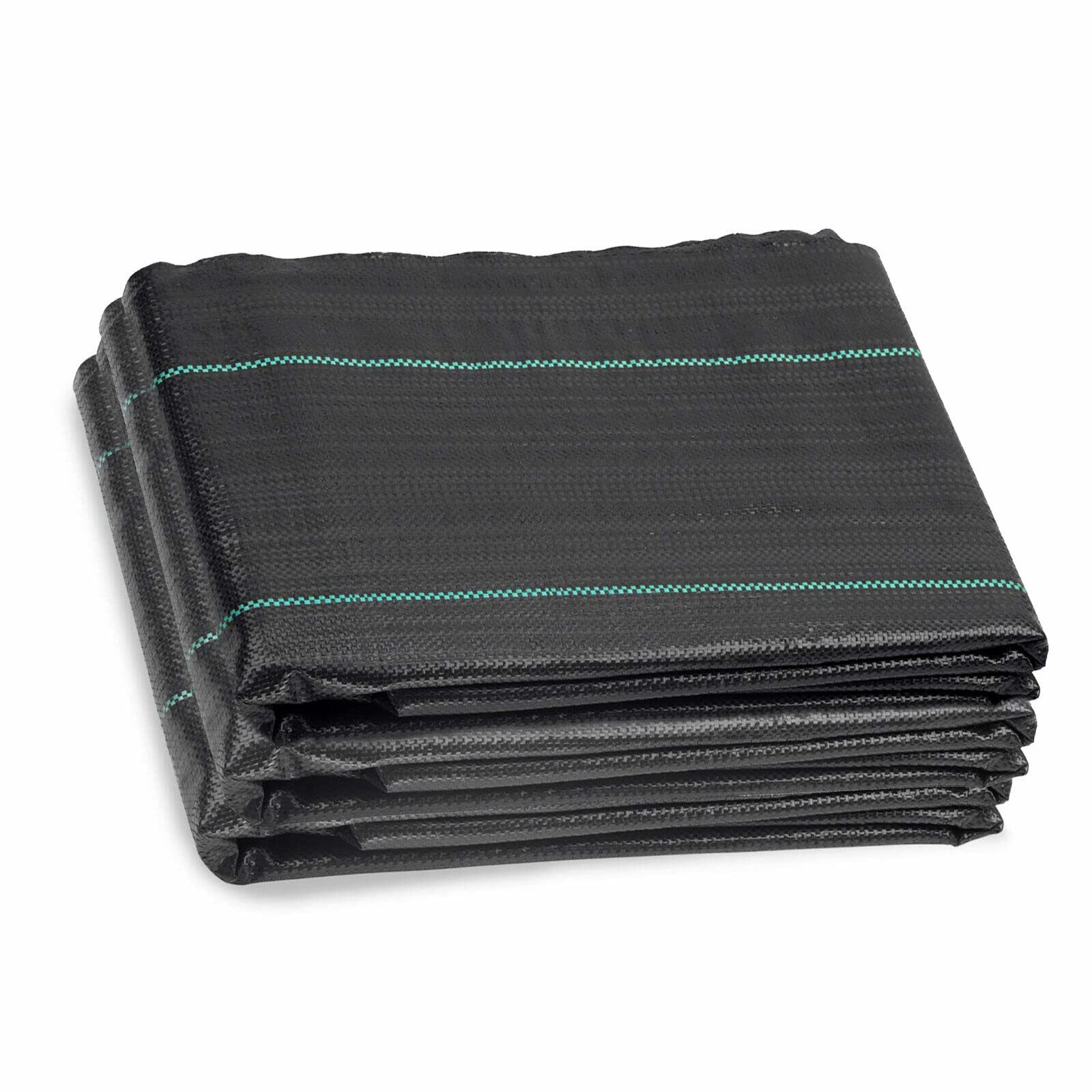
The Groweco fabric uses a 3.2 oz woven polypropylene construction that strikes the perfect balance between durability and flexibility. It’s heavy enough to block tough perennial weeds like dandelion and clover from pushing through, yet the weave is open enough to let rainwater pass through without pooling on the surface. The green stripes printed across the fabric aren’t just cosmetic — they help you line up plant holes and make straight cuts without measuring tape.
Installation is straightforward: unroll the fabric, overlap seams by a few inches, and pin down with landscape staples. Reviewers consistently note that the material holds up well under a layer of mulch or gravel without tearing, and several reported a full weed-free season with no breakthroughs. The 6ft width is ideal for medium to large flower beds, covering ground quickly with fewer seams.
One area where this fabric stands out is the absence of fraying along cut edges. Multiple users mention that it cuts cleanly with standard scissors and the weave doesn’t unravel — a major advantage over budget fabrics that leave plastic strands in the soil. For the price per square foot, this is the most dependable option for residential flower beds.
Why it’s great
- Durable 3.2 oz weave blocks weeds without tearing
- High water permeability prevents soil moisture issues
- Green stripes simplify alignment during installation
Good to know
- 6ft width may be too wide for narrow, winding flower strips
- Not a non-woven fabric — not ideal for heavy foot traffic areas
2. Winisok 4ft x 100ft Weed Barrier

The Winisok barrier is built for gardeners who want a set-it-and-forget-it solution. The tightly woven polypropylene is rated to last over five years in the field, and real-world user reports confirm it stays intact with no weed breakthroughs after two growing seasons. The fabric is thick enough to block sunlight completely, starving weed seeds before they can germinate underneath the surface.
A clever design detail is the ability to torch-cut holes for planting without fraying — reviewers who used a butane torch reported clean, sealed edges that didn’t unravel. For those who prefer scissors, the fabric cuts cleanly but may require a sharp pair to avoid leaving loose strands. The 4ft x 100ft roll provides massive coverage for large flower bed projects, raised beds, or entire garden plots.
One tradeoff is that the fabric density, while great for weed suppression, can feel stiff compared to more flexible alternatives. A small number of buyers noted that pulling it taut over uneven ground required extra anchoring. But once pinned down under a layer of wood chips or river rock, it lies flat and stays put through weather exposure.
Why it’s great
- Exceptional longevity with verified multi-season performance
- Torch-cutting prevents fraying and plastic debris
- Massive 100ft length covers large areas with fewer rolls
Good to know
- Stiffer fabric requires more staples on uneven terrain
- Some users report plastic strands if cut with dull scissors
3. VEVOR 4ft x 100ft Weed Barrier

VEVOR’s woven PP fabric uses ultrasonic cutting technology to produce smooth, burr-free edges that don’t fray during installation or over time. This is a significant practical advantage — frayed edges are the number one cause of fabric failure in flower beds, because loose strands catch on mulch and pull apart under wind or foot traffic. The 3.2 oz density is identical to the premium options, but the price per square foot here is noticeably lower.
The green guide lines are printed clearly at regular intervals, making it easy to align rows of plants or cut straight strips for narrow pathways. Water permeability is strong — reviewers report that even heavy rain drains through quickly without puddling on top. The fabric also resists corrosion from soil contact, which is important for long-term use in damp flower beds.
One minor concern from users is that the fabric, while thick, can be punctured by sharp stones or aggressive tools if not covered with a protective layer of mulch. The recommendation is to install a 2–3 inch layer of bark or gravel on top. Overall, this is an excellent mid-range option that delivers premium-level edge stability at a more accessible price point.
Why it’s great
- Ultrasonic-cut edges resist fraying better than any competitor
- Excellent water and air permeability for healthy root zones
- Clear green guide lines speed up alignment and trimming
Good to know
- Requires a thick mulch layer to prevent puncture damage
- Installation tools not included in the package
4. UWIOFF 4ft x 100ft PE Fabric
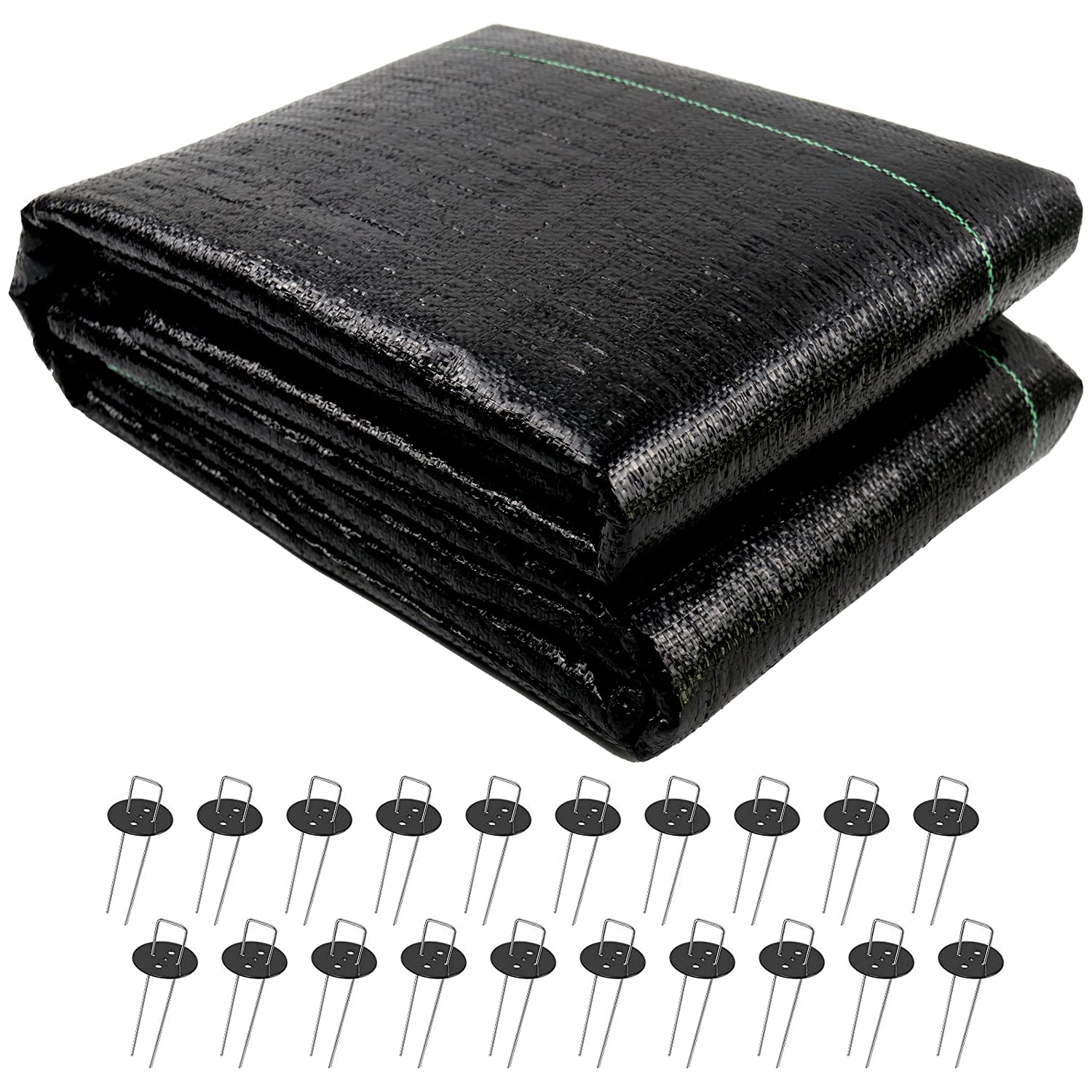
What sets UWIOFF apart from the rest of the field is its PE (polyethylene) construction instead of the standard polypropylene. PE is inherently more flexible and aging-resistant, meaning it holds up better under direct sunlight exposure without becoming brittle. This is a meaningful advantage for flower beds that receive full sun all day — UV degradation is the leading cause of fabric failure after two years in exposed locations.
The 3.2 oz PE fabric has a slightly softer hand than PP options, which makes it easier to drape over curved flower beds and around existing plants. It cuts cleanly with scissors, though some users noticed fraying along cut edges — the recommended workaround is to use a butane torch to seal the cuts, which eliminates loose strands entirely. Water seeps through the material quickly, with no standing water reported even after heavy storms.
On the durability front, reviewers who installed this fabric under decorative stone and foot traffic areas report no tearing or wear after a full season. The 4ft x 100ft roll is substantial, and the fabric holds staples well without ripping at the anchor points. For gardeners who want the most sun-resistant option on the market, this is the clear choice.
Why it’s great
- PE fabric resists UV damage better than polypropylene alternatives
- Soft, flexible material conforms easily to irregular bed shapes
- High water permeability with no surface pooling
Good to know
- Cut edges may fray unless heat-sealed with a torch
- Unravels if left uncut — use tape to secure ends
5. Kijamilee 2.6ft x 100ft Weed Barrier

The Kijamilee fabric uses a dual-layer design — woven high-density polypropylene combined with needle-punched construction — to create a barrier that is 99.8% opaque. This near-total light blockage stops even the most aggressive weed seeds from germinating, because no sunlight reaches the soil surface. The 2.6ft width is specifically tailored for narrow flower strips along walkways, fences, or foundation plantings where a wide roll would be wasteful.
Installation is simple thanks to the lightweight nature of the roll — at under 5 pounds, it’s easy to carry and position by yourself. The fabric is weather-proof and UV-stabilized, so it won’t degrade quickly under sun exposure. Reviewers noted that after a month in place, no weeds had pushed through, and the material stayed flat without curling at the edges.
The tradeoff is that cut edges can separate and unravel if not properly secured. Several users recommend using landscape spikes with plastic washers to pin down the ends, or applying black duct tape along cut lines to prevent fraying. For its specific use case — narrow, linear flower beds — this is a practical, effective solution that won’t leave you with excessive waste material.
Why it’s great
- 99.8% opacity stops all weed germination from light exposure
- Lightweight roll is easy to handle and install solo
- Narrow width minimizes waste for tight flower strips
Good to know
- Cut edges fray and unravel unless taped or pinned securely
- Not ideal for wide, open garden beds due to 2.6ft width
FAQ
Can I install weed barrier fabric directly over existing weeds?
How much mulch should I put on top of landscape fabric?
Will landscape fabric prevent water from reaching my flower roots?
Final Thoughts: The Verdict
For most users, the ground cover for flower beds winner is the Groweco 6ft x 50ft because it combines a durable 3.2 oz weave with excellent permeability and clean-cutting edges at a reasonable cost. If you want the longest-lasting barrier with UV resistance, grab the UWIOFF PE fabric. And for narrow flower strips where a wide roll would be wasteful, nothing beats the Kijamilee 2.6ft roll.