
The single biggest frustration with gluten-free bread baking is the texture—a dry, gritty, dense crumb that crumbles the moment you try to spread butter on it. Finding a flour blend that actually mimics the stretch, structure, and spring of wheat dough is the difference between a sad brick and a loaf your family won’t believe is gluten-free.
I’m Mohammad Maruf — the founder and writer behind Drink4Good. I’ve spent hundreds of hours cross-referencing customer feedback, ingredient profiles, and protein-starch ratios to separate the blends that deliver true dough performance from the ones that leave you with a crumbly mess.
After combing through thousands of verified reviews and lab-spec sheets, I’ve narrowed the field to the five blends that consistently produce a risen, fluffy, sandwich-worthy loaf. Whether you’re a bread machine user or a hand-kneading artisan, this guide to the best gluten-free flour for bread will help you pick the blend that finally delivers the texture you’ve been chasing.
How To Choose The Best Gluten-Free Flour For Bread
Not all gluten-free flours are built alike. A blend that works for cookies can fail spectacularly under the weight of a yeasted dough. You need a flour specifically engineered for bread—one that provides structural protein, the right starch balance, and a particle size that won’t leave you chewing on sand. Here’s what to look for.
Starch-to-Protein Ratio
Bread flour needs protein to form a network strong enough to trap gas from yeast. Look for blends that list a higher proportion of protein-rich flours like white rice flour or superfine brown rice flour, combined with starches like tapioca and potato to add elasticity without weight.
Gum or No Gum
Xanthan gum mimics gluten’s sticky, stretchy quality. Some premium blends include it pre-mixed for convenience; others leave it out so you can dial the amount per recipe. If you’re a bread machine user, a pre-blended gum formula saves you a variable that can go wrong.
Grind Texture & Grit
Grit is the enemy of gluten-free bread satisfaction. The cheapest rice flours leave a sandy mouthfeel. Brands that use superfine milling or who blend that coarse rice flour with smoother potato and tapioca starches drastically improve the crumb. Real user reviews constantly flag gritty texture as a dealbreaker.
Quick Comparison
On smaller screens, swipe sideways to see the full table.
| Model | Category | Best For | Key Spec | Amazon |
|---|---|---|---|---|
| Steve’s GF Bread Flour Blend | Premium | Artisan loaves & cinnamon rolls | Gum-free, 3 lb bag | Amazon |
| Pamela’s Bread Mix | Premium Mix | Bread machine ease | Complete mix, 4 lb bag | Amazon |
| gfJules All Purpose Flour | Mid-Range | 1:1 substitute for any recipe | Top 9 allergen-free, 1.5 lb | Amazon |
| freee White Bread Flour | Import | European-style sourdough | Includes xanthan, 2.2 lb | Amazon |
| gfJules Bread Baking Mix | Mid-Range | Quick sandwich loaves | Complete mix w/ yeast packet | Amazon |
In‑Depth Reviews
1. Steve’s GF Bread Flour Blend by Authentic Foods
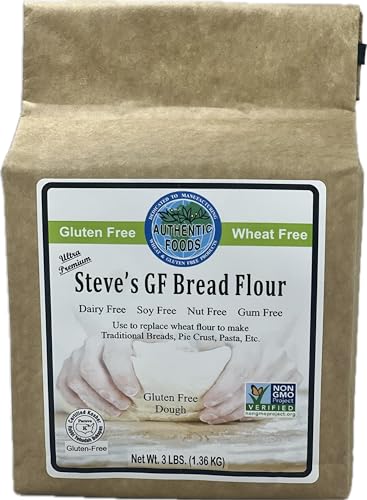
Steve’s Bread Flour Blend is engineered specifically for yeast-risen doughs, and it shows. The blend creates a dough that actually stretches, rolls, and holds shape without crumbling—a near-impossible feat in the gluten-free world. Home bakers consistently report that this flour produces cinnamon rolls, challah, and sandwich loaves that look and tear like wheat bread.
The formula is gum-free, relying on a proprietary grain and starch combination to build structure naturally. This gives you total control over gum addition per recipe, a crucial advantage if you’re dialing in a specific crumb for bagels versus soft dinner rolls. The superfine grind eliminates the gritty mouthfeel that plagues many rice-based competitors.
At a premium price point, this is an investment flour for bakers who prioritize texture above all else. The bag includes a recipe, but you’ll want to visit the brand’s website for the full range of dough-specific instructions—especially for sourdough and enriched doughs like brioche.
Why it’s great
- Produces a true, workable dough that behaves like wheat dough
- Superfine grind with zero gritty texture in the final crumb
- Gum-free design lets you customize gum level for each bake
Good to know
- Premium pricing—cost per loaf is higher than many all-purpose blends
- Requires following brand-specific recipes for best results, not a simple 1:1 swap
2. Pamela’s Products Amazing Gluten-free Bread Mix
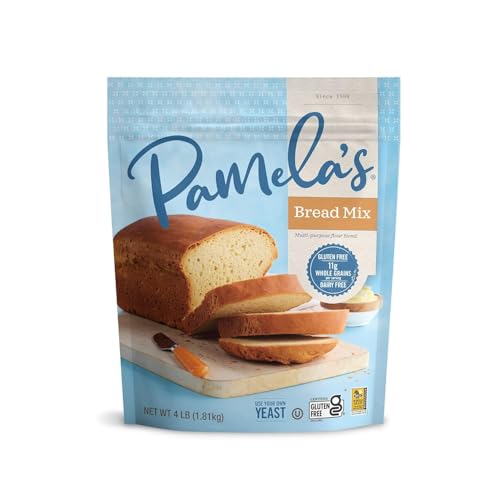
Pamela’s Bread Mix is the closest thing to a foolproof bread machine experience in the gluten-free aisle. It contains a proprietary blend of whole grain sorghum flour, brown rice flour, and tapioca starch that rises reliably in a standard 2-pound bread machine cycle. Multiple verified reviews confirm that this is the only flour they’ve successfully used in a bread maker without ending up with a dense brick.
The bag yields a mild, slightly sweet loaf that toasts beautifully and holds together for sandwiches. Unlike many mixes that require additional eggs or oil, Pamela’s instructions are straightforward: add water, oil, yeast, and the mix. The 4-pound bag is the largest in this roundup, making the cost-per-loaf more reasonable than smaller premium packages.
Some users note a higher sweetness level compared to artisan sourdough blends, and the texture leans toward a soft, fluffy crumb rather than a chewy crust. If you want a crusty boule, this isn’t it. But for reliable, everyday sandwich bread straight from the machine, Pamela’s delivers consistency.
Why it’s great
- Proven reliability in bread machines for a 2-pound loaf
- 4-pound bag offers the best value per loaf among premium brands
- Non-dairy and gluten-free, with a soft, sandwich-ready crumb
Good to know
- Slightly sweeter flavor profile—not ideal for savory or artisan sourdough
- Store pricing can vary significantly; check local availability
3. gfJules Certified Gluten Free All Purpose Flour

gfJules has won the Gluten Free Awards consumer-voted #1 title eight times, and its all-purpose flour is the reason. It’s a white flour blend—white rice flour, corn starch, potato starch, and tapioca starch—designed as a cup-for-cup replacement in any recipe. For bread bakers, it offers a smooth, non-gritty texture that produces cakes, biscuits, and even 2-ingredient bagels that taste like the real thing.
What sets gfJules apart is its commitment to allergen safety. This flour is certified top-9 allergen-free, OU Kosher, and vegan. It’s made in a dedicated gluten-free facility, giving those with celiac or severe allergies complete peace of mind. The blend includes xanthan gum, so you don’t need to add it yourself—a real time-saver for quick bakes.
The trade-off is the price per pound. At 1.5 pounds per pouch, the cost-per-loaf is higher than bulk mixes like Pamela’s. For regular sandwich bread baking, this can add up. But for specialty bakes where texture and safety are non-negotiable—birthday cakes, holiday breads—gfJules justifies its cost with results that consistently earn 5-star reviews.
Why it’s great
- Certified top-9 allergen-free with dedicated facility, ideal for severe allergies
- Smooth, non-gritty texture—no brown rice flour aftertaste
- Pre-mixed with xanthan gum for direct 1:1 substitution
Good to know
- Price per pound is high; not the most economical for weekly bread baking
- As an all-purpose blend, it may not achieve the same rise as a dedicated bread flour formula
4. freee Gluten Free White Bread Flour
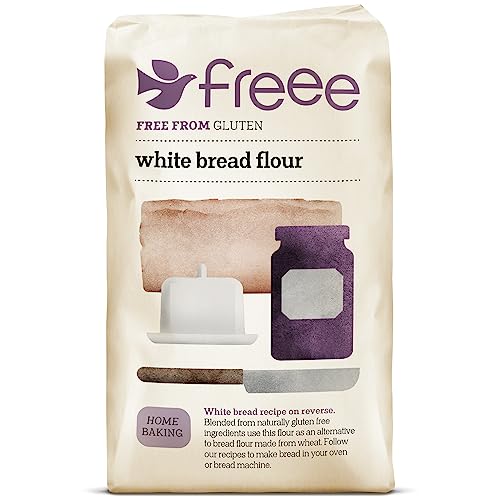
Freee from Doves Farm is a British GF institution, and its White Bread Flour is a direct import that brings European baking standards to your kitchen. The blend combines rice, tapioca, and potato flours with pre-mixed xanthan gum, so you can pour and mix without extra steps. Reviewers praise its ability to produce fluffy banana bread, sourdough, and rolls that lack the dense, heavy texture common in many GF loaves.
The 2.2-pound bag is compact yet generous enough for several loaves. The flour is vegan, kosher, and halal certified, broadening its accessibility. A notable plus is the lack of aftertaste—many users report that this is the first GF flour that doesn’t leave a “weird” residual flavor in baked goods.
Shipping from the UK can be slower than domestic orders, and the packaging is a soft bag without inner seal, which means you’ll want to transfer it to an airtight container immediately. A small number of reviews mention bags arriving damaged, so ordering in a packed box rather than a padded envelope is recommended.
Why it’s great
- No residual aftertaste—clean flavor comparable to wheat flour
- Pre-mixed with xanthan gum for convenience and reliable dough structure
- Vegan, kosher, and halal certified, making it accessible to wide dietary needs
Good to know
- Packaging is a soft bag; risk of damage during shipping
- UK import means longer delivery times compared to domestic brands
5. gfJules Certified Gluten Free Bread Baking Mix
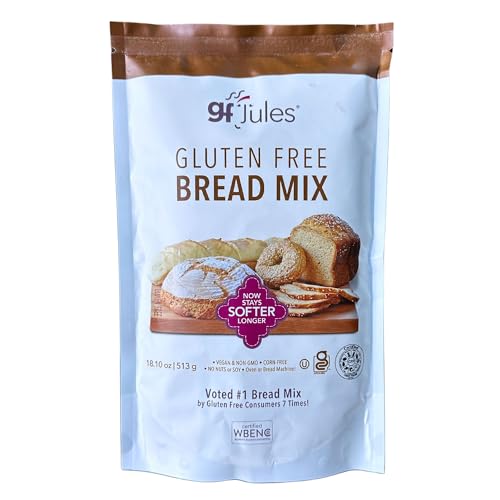
gfJules Bread Baking Mix is designed for the bread purist who wants fluffy, airy crumb without graininess. It produces a full-sized 2-pound loaf, and reviewers consistently say it creates bread so good that non-GF family members can’t tell the difference. The mix works for both oven and bread machine, with simple directions that yield artisan loaves, focaccia, bagels, and even baguettes.
The formula is top-9 allergen-free, vegan, and non-GMO, made in a dedicated GF facility. The dry mix includes the flour and a separate yeast packet, so you only need to add water and oil. The result is a spongy, elastic crumb that holds up for sandwiches and toasts beautifully without falling apart.
The main friction point for repeat buyers is the cost. At roughly per 18-ounce bag, and needing to add your own eggs, oil, and sometimes extra yeast, the total cost per loaf can approach . For occasional baking—holiday breads, special breakfast rolls—the quality is unmatched. For weekly sandwich loaf production, the price may be prohibitive.
Why it’s great
- Fluffy, non-grainy crumb that fools even non-GF eaters
- Versatile for multiple bread forms: loaf, rolls, focaccia, bagels
- Certified top-9 allergen-free and made in a dedicated facility
Good to know
- High cost per loaf—among the priciest mixes per bake
- Additional ingredients (eggs, oil) add to final cost and effort
FAQ
Can I use all-purpose gluten-free flour for bread recipes?
Why is my gluten-free bread still gritty after baking?
Do I need to add xanthan gum to every gluten-free bread recipe?
Final Thoughts: The Verdict
For most users, the best gluten-free flour for bread winner is the Steve’s GF Bread Flour Blend because it produces a dough that actually behaves like wheat dough—stretches, rises, and holds shape without gumminess. If you want a complete mix that works effortlessly in your bread machine, grab the Pamela’s Bread Mix. And for those with severe allergies who need certified top-9-free ingredients, nothing beats the gfJules All Purpose Flour for safety and smooth texture.