
The single most important step in a morning skincare routine is applying the right form of vitamin C. But with L-ascorbic acid, sodium ascorbyl phosphate, 3-O ethyl ascorbic acid, and derivatives packed into serums at every price point, most buyers pick a bottle based on marketing rather than the molecule that actually penetrates their skin type and stays stable on the shelf. The wrong choice can mean irritation, oxidation, or zero visible brightening after months of use.
I’m Mohammad Maruf — the founder and writer behind Drink4Good. I’ve spent over a decade analyzing beauty and wellness product chemistry, comparing the molecular stability, pH ranges, and absorption data that separate effective vitamin C serums from overpriced disappointments.
This guide breaks down the five most reliable formulations on the market, covering potency, skin compatibility, and real-world results so you can choose the best form of vitamin c for skin without guessing.
How To Choose The Best Form Of Vitamin C For Skin
Not all vitamin C molecules are created equal. The version dissolved into the serum determines how deeply the antioxidant penetrates, how long it stays active after opening, and whether it will cause stinging on sensitive skin. Understanding the three most common forms will save you from wasting money on a formula that oxidizes before you finish the bottle.
L-Ascorbic Acid — The Gold Standard With a pH Catch
L-ascorbic acid is the purest, most researched form of vitamin C. It delivers the strongest antioxidant protection and collagen-stimulating effect, but it requires a low pH (around 3.5) to penetrate the skin. This acidity can cause tingling for sensitive types, and the molecule degrades quickly when exposed to light and air — dark, airless packaging is mandatory.
Sodium Ascorbyl Phosphate — Gentle and Stable
This oil-soluble derivative converts to vitamin C once absorbed. It works at a higher, skin-friendly pH, so irritation is rare. While it is less potent molecule-for-molecule than L-ascorbic acid, it stays active much longer in the bottle and pairs well with retinol or niacinamide without causing flushing.
3-O Ethyl Ascorbic Acid — The Hybrid Performer
This ether derivative combines the stability of a synthetic molecule with decent penetration. It is less irritating than L-AA but more effective than ascorbyl phosphate for some users. It is ideal for those who want a genuine brightening effect without the sting at application.
Quick Comparison
On smaller screens, swipe sideways to see the full table.
| Model | Category | Best For | Key Spec | Amazon |
|---|---|---|---|---|
| TruSkin Vitamin C Serum | Premium Synthetic | Balanced brightening + hydration | Sodium Ascorbyl Phosphate, 2 fl oz | Amazon |
| Cetaphil Vitamin C Serum | Premium Sensitive | Ultra-sensitive skin, redness-prone | Niacinamide + Vitamin C, 1 oz | Amazon |
| MEDIHEAL Vitamin C Serum | Mid-Range K-Beauty | Texture refinement + oil control | LHA + PHA exfoliants, 1.35 fl oz | Amazon |
| Eva Naturals Vitamin C Serum | Mid-Range Multi-Active | Acne-prone, congested skin | Retinol + Salicylic Acid blend, 1 fl oz | Amazon |
| Eclat Skincare Vitamin C Serum | Budget-Friendly | First vitamin C serum, glowing skin | 3-O Ethyl Ascorbic Acid, 1 fl oz | Amazon |
In‑Depth Reviews
1. TruSkin Vitamin C Serum
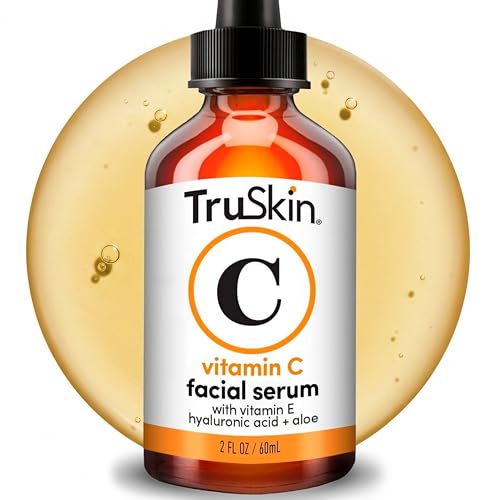
TruSkin uses sodium ascorbyl phosphate, a stable derivative that avoids the low-pH sting common with pure L-ascorbic acid. At 2 fluid ounces, this bottle holds nearly double the volume of most competitors at a similar price per ounce, making it an economical choice for daily use on the face, neck, and chest.
The formula layers vitamin C with hyaluronic acid, vitamin E, aloe vera, and jojoba oil to support the skin barrier while brightening. Multiple users report noticeable fading of sun spots and overall luminosity within weeks, and the unscented, cruelty-free formulation suits most skin types without causing dryness.
Real-world feedback highlights that the dropper bottle design invites air exposure over time, so storing it in a cool, dark cabinet is essential. Some users specifically repurchase the smaller 1-ounce version to ensure the serum remains potent before the bottle is empty.
Why it’s great
- Generous 2-ounce bottle for full face and neck coverage
- Gentle, non-irritating derivative works for sensitive skin
- Hydrating blend includes hyaluronic acid and jojoba oil
Good to know
- Dropper packaging can introduce air and speed oxidation
- Not as potent as pure L-ascorbic acid for rapid results
2. Cetaphil Vitamin C Serum

Cetaphil’s entry into the vitamin C serum category is engineered specifically for sensitive, reactive skin. The formula pairs vitamin C with niacinamide to calm inflammation while brightening, and it is completely fragrance-free, hypoallergenic, and non-comedogenic. Those who have experienced dermatitis or burning from other C serums report zero irritation with this one.
Real users note that the serum absorbs instantly, leaving a silky, non-sticky finish that layers perfectly under sunscreen. After about six months of consistent morning use, many see meaningful fading of hyperpigmentation and an overall more even tone. The lightweight gel texture also provides 24-hour hydration without clogging pores.
The main consideration is patience. Several reviews mention that dark spot reduction requires consistent daily application over several weeks — this is more of a maintenance brightener than an overnight corrective. The dropper bottle can also allow oxidation, though Cetaphil’s formulation is generally more stable than many L-AA serums.
Why it’s great
- Dermatologist-tested for sensitive and reactive skin
- No fragrance, dyes, or pore-clogging ingredients
- Non-sticky, layers seamlessly under makeup and SPF
Good to know
- Dark spot fading takes weeks of consistent use
- Dropper bottle may expose serum to air over time
3. MEDIHEAL Vitamin C Brightening Serum
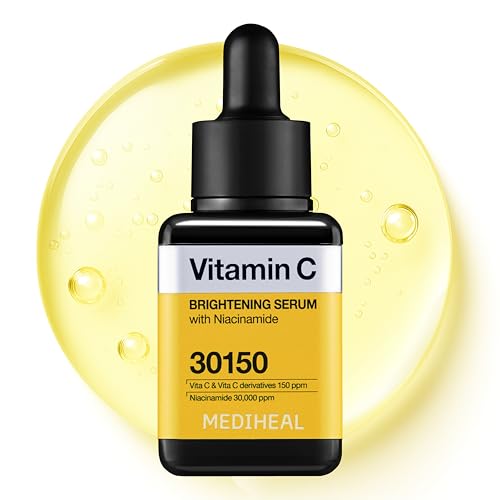
MEDIHEAL differentiates itself by combining vitamin C with mild chemical exfoliants LHA and PHA. This makes it less of a straight brightener and more of a texturizing treatment — it gently dissolves dead skin cells and controls sebum while the vitamin C step works on tone. The triple hyaluronic acid complex counters any potential dryness from the exfoliating components.
Several users report that this serum completely cleared persistent perioral dermatitis and acne better than dedicated acne treatments. The formula absorbs quickly with no stickiness, and it layers well under makeup without pilling. The pump or dropper packaging remains effective for roughly five to six months of daily use.
Results are best for those dealing with congestion, roughness, or dullness rather than deep pigmentation. The exfoliating action means that users should start slowly to avoid initial purging, and those on strong retinoids may want to alternate days. It is hypoallergenic and vegan-certified with German dermatological testing.
Why it’s great
- Dual exfoliants improve skin texture alongside brightening
- Non-sticky and layers flawlessly under sunscreen
- Vegan-certified with dermatological testing
Good to know
- May cause purging if introduced too quickly
- More texture-focused than strong pigment correction
4. Eva Naturals Vitamin C Serum

Eva Naturals packs sodium ascorbyl phosphate alongside retinol, salicylic acid, niacinamide, and MSM into a single bottle. This blend is aggressive enough to tackle hormonal acne, milia, and congestion while also brightening. The formula also includes squalane and rosehip seed oil to offset potential dryness from the retinol and salicylic acid.
Real-world feedback from users with oily, acne-prone skin is exceptional — many describe it as transformative for whiteheads, closed comedones, and pore congestion. The serum has a lightweight texture that sinks in, though some users note a slight stickiness if applied to dry skin. The essential oil scent from ylang ylang and tea tree creates a spa-like feel but may not be tolerable for all sensitive noses.
This is a powerful multi-active serum that demands respect. Users new to retinol or acids should start with one to two nighttime applications per week and always buffer with moisturizer. Purging is common initially, and the product should never be combined with additional strong actives in the same routine.
Why it’s great
- Powerful combination targets acne, texture, and tone simultaneously
- Contains barrier-supporting squalane and rosehip oil
- Fades scars and clears congestion with consistent use
Good to know
- Strong formula can burn if used too frequently
- Essential oil scent may irritate sensitive noses
5. Eclat Skincare Vitamin C Serum
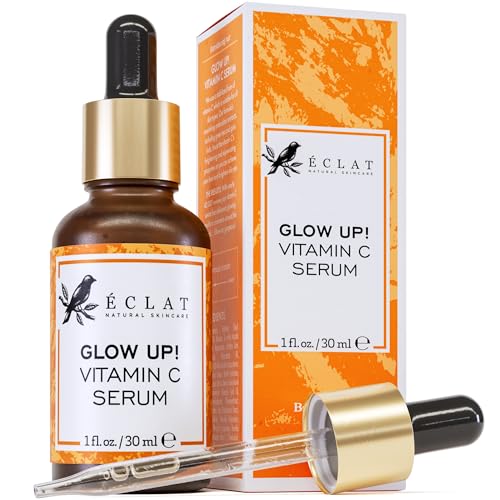
Eclat uses 3-O ethyl ascorbic acid, a hybrid derivative that penetrates reasonably well without requiring an ultra-low pH. The formula is enriched with hyaluronic acid, aloe vera, and vitamin E, making it a solid entry-level serum for someone new to vitamin C. Multiple users with normal to dry skin report a visible glow and brighter texture after just a few weeks of morning use.
The lightweight, watery consistency absorbs within seconds and leaves zero sticky residue, which makes it a good base under makeup. Many reviews highlight that it flattened hyperpigmentation along the jawline and faded dark spots noticeably over a one- to two-month window. The vegan and cruelty-free claim adds appeal for clean-beauty shoppers.
The primary catch is the formulation’s richness. Some users with acne-prone skin found the serum too heavy, leading to clogged pores and minor breakouts. A patch test is recommended before full-face application. Additionally, the dropper bottle design does not protect the serum from air, so oxidation may shorten its shelf life.
Why it’s great
- Stable 3-O ethyl ascorbic acid derivative with good penetration
- Absorbs quickly and works well under makeup
- Vegan, cruelty-free formula at an accessible price
Good to know
- Heavy texture may clog acne-prone skin
- Dropper bottle allows air exposure and oxidation
FAQ
Can I use vitamin C serum with retinol or niacinamide in the same routine?
How do I tell if my vitamin C serum has oxidized?
Which vitamin C derivative is best for very sensitive skin?
Final Thoughts: The Verdict
For most users, the best form of vitamin c for skin winner is the TruSkin Vitamin C Serum because it combines a stable, gentle derivative with a generous bottle size and added hydration at a fair price. If you have ultra-sensitive or reactive skin, grab the Cetaphil Vitamin C Serum — its niacinamide-fortified, fragrance-free formula is the safest bet for avoiding irritation. And for oily, acne-prone skin that needs texture refinement alongside brightening, nothing beats the Eva Naturals Vitamin C Serum and its retinol-salicylic acid combo.