
Choosing a go kart motor means matching engine power to your frame’s weight, tire size, and intended terrain. A 212cc 4-stroke horizontal shaft engine is the standard for most adult karts, whereas larger builds demand 420cc class power. The wrong choice leads to poor acceleration, overheating, or a frame that can’t handle the torque.
I’m Mohammad Maruf — the founder and writer behind Drink4Good. I’ve analyzed hundreds of small engine listings and customer reports to identify which shaft sizes, displacement classes, and starting systems actually deliver on the promise of reliable, repeatable power for go kart builds.
This guide breaks down the best options, including budget, mid-range, and premium picks, so you can find your ideal best go kart motor without wasting money on parts that don’t fit or fail early.
How To Choose The Best Go Kart Motor
A go kart motor is not just a box of horsepower — it must physically bolt to your engine mount, spin the correct PTO direction, and fit within the frame’s available space. Beginners often overlook shaft diameter and keyway size, which leads to clutch or torque converter incompatibility.
Shaft Diameter and Keyway
The 3/4-inch (19mm) shaft with a 3/16-inch keyway is the universal standard for 6.5–7.5 HP motors. A larger 1-inch shaft with a 1/4-inch keyway is common on 15 HP 420cc engines, which require a correspondingly larger clutch or torque converter. Always measure your existing clutch before buying.
Displacement and Horsepower
The 212cc class (6.5–7.5 HP) powers most recreational karts and mini bikes comfortably. Moving up to a 420cc (15 HP) class motor substantially increases low-end torque, which is essential for heavy karts, off-road tires, or carrying a passenger on steep grades. The trade-off is added weight and a larger frame mount.
Quick Comparison
On smaller screens, swipe sideways to see the full table.
| Model | Category | Best For | Key Spec | Amazon |
|---|---|---|---|---|
| Predator 6.5 HP 212cc | Premium | Reliable, mod-friendly power | 3/4-inch shaft, cast iron cylinder | Amazon |
| BILT HARD 7HP 212cc | Mid-Range | Versatile replacement | 3/4-inch shaft, 0.9-gallon tank | Amazon |
| Aceup Energy 7HP 212cc | Mid-Range | Budget-friendly OHV power | 3/4-inch shaft, forged crankshaft | Amazon |
| maXpeedingrods 7HP 212cc | Mid-Range | Low-vibration operation | 3/4-inch shaft, low-oil shutoff | Amazon |
| DuroMax XP7HP 208cc | Mid-Range | 50-state approved | 3/4-inch shaft, 1-gallon tank | Amazon |
| YIYIBYUS 7.5HP 212cc | Budget | Electric start | 20mm shaft, OHV, 3600 RPM | Amazon |
| Briggs & Stratton 6.5HP | Premium | Long-term reliability | Dura-Bore cast sleeve, OHV | Amazon |
| BILT HARD 420cc 15HP | Premium | Heavy-duty kart builds | 1-inch shaft, electric start | Amazon |
| Genkins 15 HP 420cc | Premium | Electric start convenience | 1-inch shaft, counterclockwise PTO | Amazon |
In‑Depth Reviews
1. Predator 6.5 HP 212cc OHV Horizontal Shaft Gas Engine

The 212cc Predator is the most widely used go kart motor in the hobbyist space for a reason. Its cast iron cylinder sleeve provides superior durability against heat and wear compared to aluminum bore engines. The 6.5 HP rating is conservative but real — owners regularly modify it with performance parts thanks to the massive aftermarket support (governor removal kits, billet flywheels, connecting rods).
The 3/4-inch shaft makes clutch and torque converter installation straightforward. The die-cast aluminum piston and ball-bearing supported crank offer better long-term reliability than cheaper clones. Fuel shut-off and a 0.9-gallon fuel tank are standard. Many builders report pulling 8–9 HP with simple intake and exhaust upgrades.
Some units arrive with a plastic choke lever that can feel flimsy, and the stock muffler is loud. The low-oil sensor can be inconvenient on rough terrain but is easily bypassed. After about 11 hours of runtime, a pressure sensor leak has been reported, though this is not universal.
Why it’s great
- Cast iron cylinder handles extended high-rpm use
- Massive aftermarket for performance upgrades
- Easy 3/4-inch clutch fitment
Good to know
- Plastic choke and throttle linkage feel cheap
- Low-oil sensor may stall on steep inclines
- Not CARB certified for California
2. BILT HARD 420cc 15HP Gas Engine with Electric Start

The 420cc BILT HARD delivers 15 HP with a 1-inch PTO shaft, making it a strong contender for heavy karts, off-road builds, or any kart needing serious low-end torque. The electric start system is a genuine convenience — turn the key and go, no pull-start frustration after a long day. The engine produces 18.45 ft-lb of torque at 2500 RPM, which translates to excellent pulling power from a standstill.
Built with a cast iron cylinder liner and splash lubrication, this motor is designed for industrial duty cycles. The 1.2-gallon fuel tank reduces refueling frequency during long rides. Overwhelmingly positive reviews confirm first-pull starts after break-in, with many using it on go karts with 30-series torque converters and live axle setups.
The engine is heavy at roughly 60 pounds. The 30-day warranty is shorter than premium competitors. A few early units had gas flow issues that required a fuel cutoff solenoid installation, though customer support reportedly handled those complaints.
Why it’s great
- Electric start reduces strain on kick start or pull handles
- 18.45 ft-lb torque for heavy kart builds
- 1-inch shaft fits larger clutches and torque converters
Good to know
- Heavy — adds significant weight to the frame
- 30-day warranty is shorter than expected
- Requires 10W-30 oil and 87+ octane fuel
3. Briggs & Stratton 13R232-0001-F1 Engine 6.5 HP
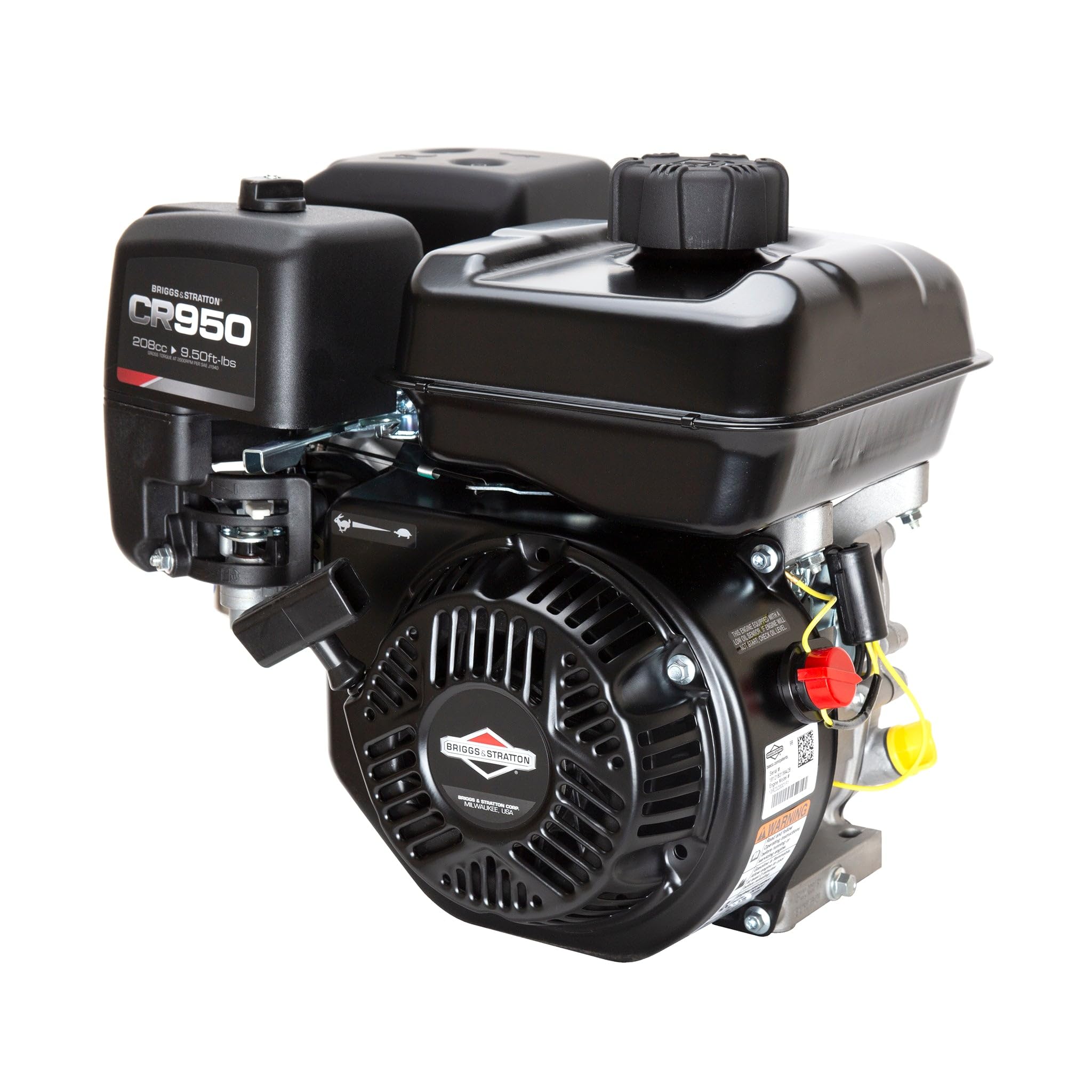
The Dura-Bore cast iron sleeve is the standout feature here — it dramatically extends engine life over aluminum-bore clones. The OHV design keeps the engine running cooler, which matters when you are pushing a go kart at full throttle on a hot day. The Magnetron electronic ignition is maintenance-free and delivers dependable first-pull starts even after sitting for months.
Dual ball bearings support the crankshaft on both sides, reducing vibration at high RPM. The Dual-Clean air filtration system (paper plus foam pre-cleaner) provides excellent protection in dusty environments. This engine is built to a higher fit-and-finish standard than most budget options, with a metal recoil starter housing and tougher plastic components.
The price sits at a premium compared to comparable Chinese engines. Some owners report the shaft is slightly shorter than standard replacements, occasionally requiring spacer shims or redrilled mounting holes. The stock governor is set conservatively, limiting peak RPM without modification.
Why it’s great
- Dura-Bore cast sleeve extends engine life significantly
- Dual ball bearings reduce vibration
- Excellent air filtration system for dusty tracks
Good to know
- Higher price tag
- Shaft length may require mounting adjustments
- Governor limits top-end RPM out of the box
4. Genkins 15 HP 420cc Electric Start Engine

The Genkins 420cc delivers 15 HP with the convenience of a push-button electric start. The 1-inch, counterclockwise-rotating PTO shaft fits large clutches and torque converters common in high-power go kart builds. The dual-element air filter (paper plus foam pre-filter) adds added protection in dusty off-road conditions.
Low-oil shutdown protects the engine from running dry. The engine includes a 9AH battery that handles multiple start cycles. One owner reported over 500 hours of runtime on a pressure washer trailer without issues, which speaks to the engine’s build quality. The company’s customer service is responsive, replacing faulty units quickly.
The electric start system has been reported with minor issues out of the box (loose wiring, battery not charged). Some units arrived with internal knocking noises, though replacements were handled under warranty. The engine is heavy and requires a solid mounting plate for secure installation.
Why it’s great
- Push-button electric start for easy operation
- Counterclockwise PTO suits many drive configurations
- Up to 500-hour life reported in heavy use
Good to know
- Heavy — adds significant weight to the frame
- Some units required replacement under warranty
- Battery may arrive with low charge
5. BILT HARD 7HP 212cc Gas Engine Horizontal Shaft

The 212cc BILT HARD slots neatly into the mid-range segment, offering 7 HP with a standard 3/4-inch shaft. The 0.9-gallon fuel tank is generous for its class and the OHV design reduces fuel consumption compared to older flathead designs. Owners using it on go karts report strong acceleration with a 30-series torque converter, hitting good speeds even on stock gearing.
This engine is a very close clone of the Honda GX200/Predator 212 platform, which means most aftermarket parts (governor bypass kits, performance carbs, billet flywheels) fit without modification. The industrial grade crankshaft and ball-bearing support provide a smooth, reliable powerband. It also runs on standard 87 octane gasoline.
A few owners noted that the throttle linkage was initially stiff and required a screw adjustment. The recoil starter, while functional, does not feel as robust as the Predator’s. The engine also arrived with a slight oil coating, which is normal factory assembly residue.
Why it’s great
- Direct replacement for Predator 212/Honda GX200 engines
- Enough torque to push a kart with a passenger
- Throttle and governor easy to tune
Good to know
- Recoil starter feels less durable than the engine itself
- Throttle linkage may need loosening out of the box
- Some units ship with small cosmetic damage
6. maXpeedingrods 7HP 212cc Gas Engine

The maXpeedingrods 212cc stands out with its low-vibration operation thanks to ball-bearing supported crankshaft and precision-engineered internal components. The 8.5:1 compression ratio offers good low-end torque for quick acceleration out of corners. The low-oil automatic shutdown is a safety feature that beginners especially appreciate — it prevents catastrophic internal damage before you notice the dipstick is dry.
The 3/4-inch shaft with a 3/16-inch keyway matches standard clutches. The engine arrives double-boxed with oil included, making first startup simple. Owners report consistent first-pull starts even after storage. The engine is a known direct fit for popular kids’ go karts (e.g., Baja and Coleman frames) with minimal modification.
The engine does not include an electric start option, so you will rely on the recoil pull. Some owners noted the carburetor required a brief loading phase before the first full start. The intake and exhaust ports are positioned identically to a standard Predator 212, so aftermarket pipes and air filters fit.
Why it’s great
- Low-vibration operation improves rider comfort
- Low-oil shutdown protects the engine from dry operation
- Compatible with standard 212cc aftermarket parts
Good to know
- Recoil start only — no electric start option
- Carburetor may need initial loading before starting
- Oil not included — must purchase separately
7. DuroMax XP7HP 208cc Recoil Start Gas Engine

The DuroMax XP7HP gains an edge because it is EPA and CARB approved — meaning it is legal for sale and use in all 50 states, including California. The 1-gallon fuel tank is larger than the typical 0.9-gallon competitor, giving you a bit more runtime before refueling on long rides. The 7 HP rating comes from a 208cc OHV engine with a 3/4-inch shaft, suitable for general go kart use.
The engine is overall lighter than many 212cc competitors at roughly 29 pounds, making it easier to mount and reducing total kart weight. The E-Z Pull recoil starter is reliable, and the metal bolts on the starter housing are a nice upgrade over plastic alternatives. Owners swapping out old Briggs engines for this often note a measurable increase in both acceleration and top speed.
The exhaust port location is not ideal for every mounting orientation — some users needed to fabricate a custom elbow to clear the frame. The engine is louder than some competitors, partly due to the muffler design. The 208cc displacement reduces peak torque slightly compared to a full 212cc engine.
Why it’s great
- Approved for sale and use in all 50 states (EPA/CARB)
- Large 1-gallon fuel tank for longer runs
- Lightweight design reduces kart weight
Good to know
- Loud exhaust — may disturb the neighbors
- Exhaust port placement can cause frame clearance issues
- 208cc displacement slightly less torque than 212cc
8. Aceup Energy 7HP 212cc Gas Engine Horizontal Shaft

The Aceup Energy 212cc motor uses a forged crankshaft and cast iron cylinder liner — features usually reserved for premium engines. This gives it better durability under sustained high-RPM operation compared to standard cast-iron-only builds. The 7.5 HP maximum rating is honest, and the 0.9-gallon fuel tank is typical for the class.
This engine is a popular swap for Honda GX160 and GX200 powered equipment. It bolts directly onto Massimo MB200 mini bikes without modification. The recoil start system includes auto-decompression, making it significantly easier to pull-start than older engines. Owners report starting in 1-2 pulls from cold.
The muffler is cheaply made and can crack after just a few hours of use, potentially shooting hot gasses onto the carburetor breather. Replacing it with a better aftermarket muffler is strongly recommended. Some units arrived with cosmetic damage due to poor packaging.
Why it’s great
- Forged crankshaft adds strength under load
- Auto-decompression recoil start pulls easily
- Direct bolt-on for GX160/GX200 and MB200 frames
Good to know
- Muffler is low quality — plan to replace it
- Packaging can be insufficient — inspect on arrival
- Not compatible with 20mm shaft clutches
9. YIYIBYUS 7.5HP 212cc Gas Engine with Electric Start

This entry-level 212cc motor is one of the few budget options to include electric start out of the box. The OHV design reduces fuel consumption by roughly 30% compared to older flathead designs. At 7.5 HP and 3600 RPM, it is perfectly adequate for recreational go kart use, though it lacks the build refinement of mid-range competitors.
The 20mm shaft size is a critical quirk — it does NOT match the standard 3/4-inch (19mm) clutch. A 19mm → 20mm step key or a custom clutch is required, which adds cost and complexity. The engine includes shims for converting to 3/4-inch, but this is not a perfect solution and can cause vibration if not perfectly aligned.
Customer reports indicate the packaging is often damaged in transit, leading to broken air cleaners, bent mufflers, or damaged key switches. The engine runs well once installed (reviews confirm it starts and runs strong), but expect to spend time checking and replacing damaged components. The electric start wiring is color-coded but the instructions are mediocre.
Why it’s great
- Electric start on a budget — rare at this price point
- OHV design cuts fuel consumption
- Adequate power for recreational karts
Good to know
- 20mm shaft is non-standard — requires adapter or custom clutch
- Frequent transit damage reported
- Low build quality compared to mid-range options
FAQ
Can I use a 212cc engine from a pressure washer on my go kart?
Do I need a torque converter or a clutch for a go kart motor?
Final Thoughts: The Verdict
For most builders, the best go kart motor is the Predator 6.5 HP 212cc because it combines a cast iron cylinder, huge aftermarket support, and a 3/4-inch shaft that fits standard clutches. If you need electric start convenience and raw torque for a heavy build, the BILT HARD 420cc 15HP is a strong premium choice. And for a reliable, no-fuss swap that starts every time, the BILT HARD 7HP 212cc offers mid-range value without breaking the bank.