
A foraging bag is the difference between returning home with a crushed mess of mushrooms and arriving with pristine specimens ready for the dehydrator or sauté pan. Standard backpacks smash delicate chanterelles, and plastic grocery bags trap moisture that turns a day’s haul into slime. The right bag breathes, distributes weight across your hips or shoulders, and keeps your knife and field guide within arm’s reach while your hands stay free for picking.
I’m Mohammad Maruf — the founder and writer behind Drink4Good. I’ve analyzed dozens of foraging bags across every price tier, comparing mesh density, strap ergonomics, pocket layouts, and fabric durability to find the models that actually perform in the field.
Wild edibles deserve careful handling from forest floor to kitchen counter, and choosing the right foraging bag makes that process efficient and sustainable by allowing debris to fall away and spores to spread naturally.
How To Choose The Best Foraging Bag
Choosing a foraging bag is about balancing breathability, durability, and access. Mushrooms need airflow to avoid turning to slime, berries need a container that won’t crush them, and tools need quick retrieval when you spot a flush. These three factors determine whether a bag works for your specific harvesting style.
Mesh Density and Spore Dispersal
A bag with open mesh allows dirt and debris to fall out and lets mushroom spores escape back into the environment as you walk. This keeps local mushroom populations healthy. Look for polyester or stainless steel mesh with openings small enough to hold morels and chanterelles but large enough to let fines pass through.
Strap System and Carry Comfort
Cross-body straps distribute weight evenly across your torso, leaving both hands free for picking. Waist aprons work well for garden harvesting but shift when you bend repeatedly in the woods. Waxed canvas shoulder bags with adjustable straps offer a middle ground for moderate loads.
Fabric Durability and Weather Resistance
Brambles, thorns, and damp forest floors punish cheap materials. Waxed canvas sheds moisture and resists punctures. Heavy-duty polyester mesh won’t rot or absorb odors. Avoid untreated cotton that soaks up water and becomes heavy. Stainless steel mesh options are overkill for foraging but work for food storage against rodents.
Quick Comparison
On smaller screens, swipe sideways to see the full table.
| Model | Category | Best For | Key Spec | Amazon |
|---|---|---|---|---|
| Barebones Harvesting Bag | Waxed Canvas | Heavy garden harvests | Removable waterproof liner | Amazon |
| VylerSky Foraging Kit | Mesh Bag | Mushroom specific foraging | Spore-dispersing mesh construction | Amazon |
| Balanced Oak Foraging Kit | Waxed Canvas Kit | Compact herb and nut collecting | Genuine leather and stainless steel knife | Amazon |
| Exos Waxed Canvas Haversack | Messenger Bag | Woods and trail maintenance | Waxed inner liner for rain protection | Amazon |
| UpBloom Harvest Apron | Waist Apron | Garden weeding and harvesting | Multi-pocket layout with phone slot | Amazon |
| Canvas Hobo Crossbody Bag | Canvas Tote | Everyday carry plus light foraging | Sturdy canvas with metal hardware | Amazon |
| RATSACK Bear Proof Bag | Stainless Steel Mesh | Camp food storage | 41L capacity with lock closure | Amazon |
In‑Depth Reviews
1. Barebones Harvesting and Gathering Bag

The Barebones bag sets the benchmark for what a purpose-built harvesting bag should do. Its heavy-duty waxed canvas exterior sheds morning dew and resists the scratches from blackberry brambles. The removable waterproof liner is the standout feature — smashed berries or damp mushrooms won’t soak through to the bag’s shell, and the liner lifts out for a thorough rinse after a muddy day.
Convertible straps let you wear it cross-body for deep woods walks or carry it by the handles when working close to a garden bed. The reinforced base holds its shape even when loaded with a few pounds of apples or squash. Reviewers consistently note the bag expands from a flat fold to hold double its apparent capacity, which matters when you stumble onto an unexpected patch of chanterelles.
The only compromises are the lack of an internal pocket for a phone or knife and the button closure that some users find finicky with gloved hands. The handles attach to the liner rather than the outer canvas, which creates a potential stress point if overloaded with heavy root vegetables. For serious foragers who value durability and easy cleaning, this bag remains the top contender.
Why it’s great
- Removable waterproof liner prevents moisture damage to the bag
- Convertible cross-body and hand-carry straps for versatile wear
- Reinforced base holds shape under heavy loads
Good to know
- No internal pocket for small gear
- Handles attach to the liner, not the outer canvas
2. VylerSky Foraging Bag Kit

This kit understands the biology of mushroom foraging. The collapsible mesh sack allows spores to fall through as you walk, supporting the next season’s growth while keeping your current haul ventilated to prevent rot. The polyester mesh is light but strong, and the canvas cross-body strap stays comfortable over a full day of bending and squatting through the understory.
The included knife is genuinely useful — an inward-curved blade for cutting mushroom stems cleanly, a stiff brush on the back for knocking dirt off caps, and a tape measure on the handle for checking cap diameters against regulations. The internal zippered pocket fits a phone, wallet, and car keys securely, keeping valuables separate from your harvest.
The bag’s single large compartment means small items like ramps or fiddleheads can sift toward the bottom. The mesh isn’t fine enough to hold tiny seeds or loose tea herbs. For dedicated mushroom hunters who want a lightweight, breathable bag that actively supports the ecosystem, this is the clear winner in its category.
Why it’s great
- Mesh construction allows spore dispersal and debris removal
- Practical foraging knife with brush and tape measure
- Internal zippered pocket secures phone and keys
Good to know
- Mesh openings may lose very small items like seeds
- Single compartment lacks internal organization
3. Balanced Oak Mushroom Foraging Kit
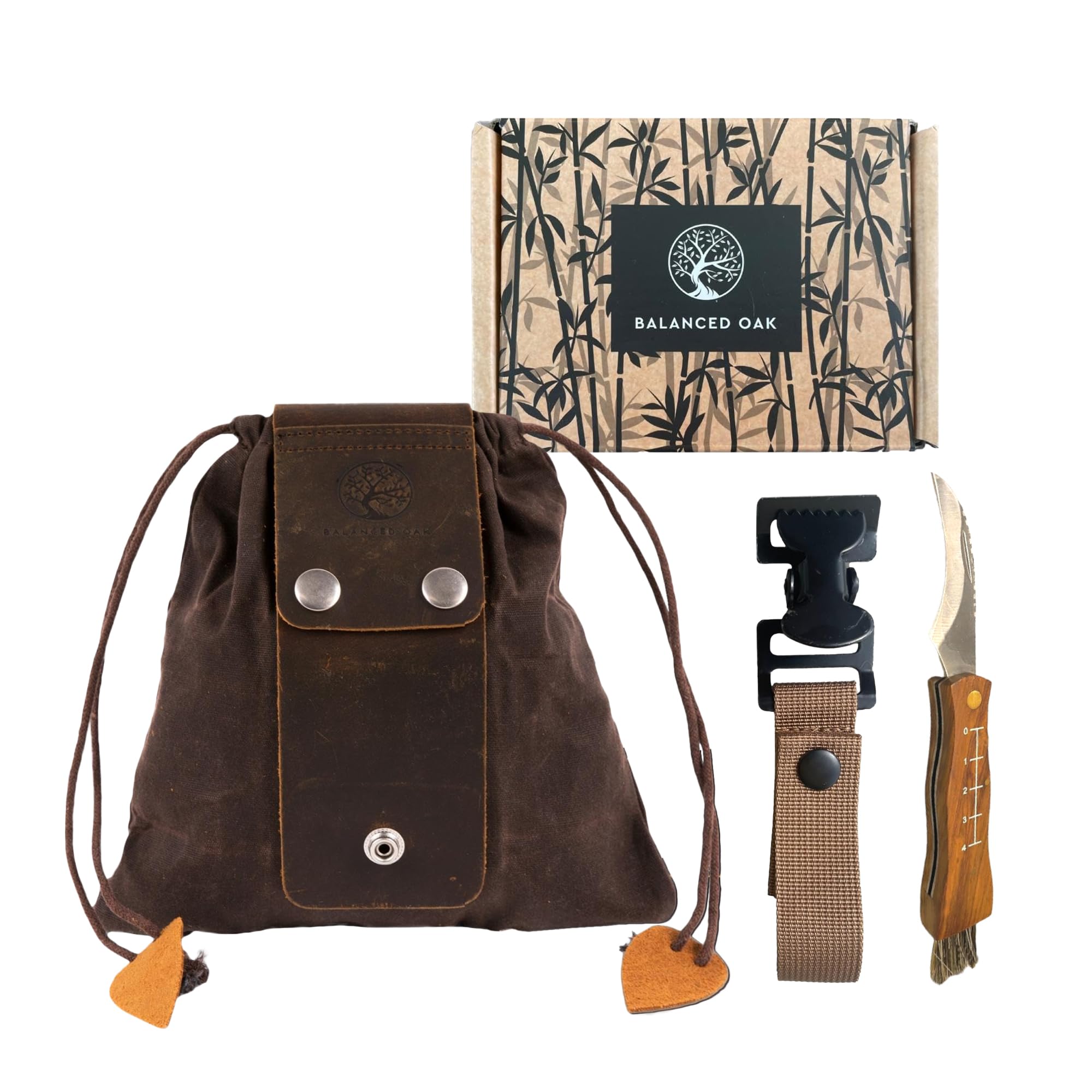
The Balanced Oak kit targets foragers who prioritize compact carry over bulk capacity. The waxed canvas pouch measures about 7.5 by 8 inches — ideal for a few hours of herb, nut, or small mushroom collecting where you don’t need a full pound of haul. The leather accents and brass-toned hardware give it a rustic aesthetic that looks at home on a trail or at a farmer’s market.
The kit includes a stainless steel knife with a wooden handle and stiff brush that reviewers consistently praise for cleaning wet mushroom caps without damaging the gills. A glove attachment loop keeps work gloves accessible while you pick. The drawstring closure with a fitted knife pocket keeps everything organized and prevents the blade from scratching other contents.
The major limitation is size — serious foragers will fill this bag quickly during a single morel hunt. The pouch lacks a shoulder pad, so the cross-body strap can dig in when loaded. For beginners or foragers who want a small, well-made kit for light exploration, this is an attractive option with a thoughtful tool set.
Why it’s great
- High-quality waxed canvas and leather construction
- Includes stainless steel knife with effective brush
- Drawstring closure keeps contents secure while hiking
Good to know
- Small capacity limits bulk harvesting
- No shoulder pad on the strap for load comfort
4. Exos Waxed Canvas Haversack
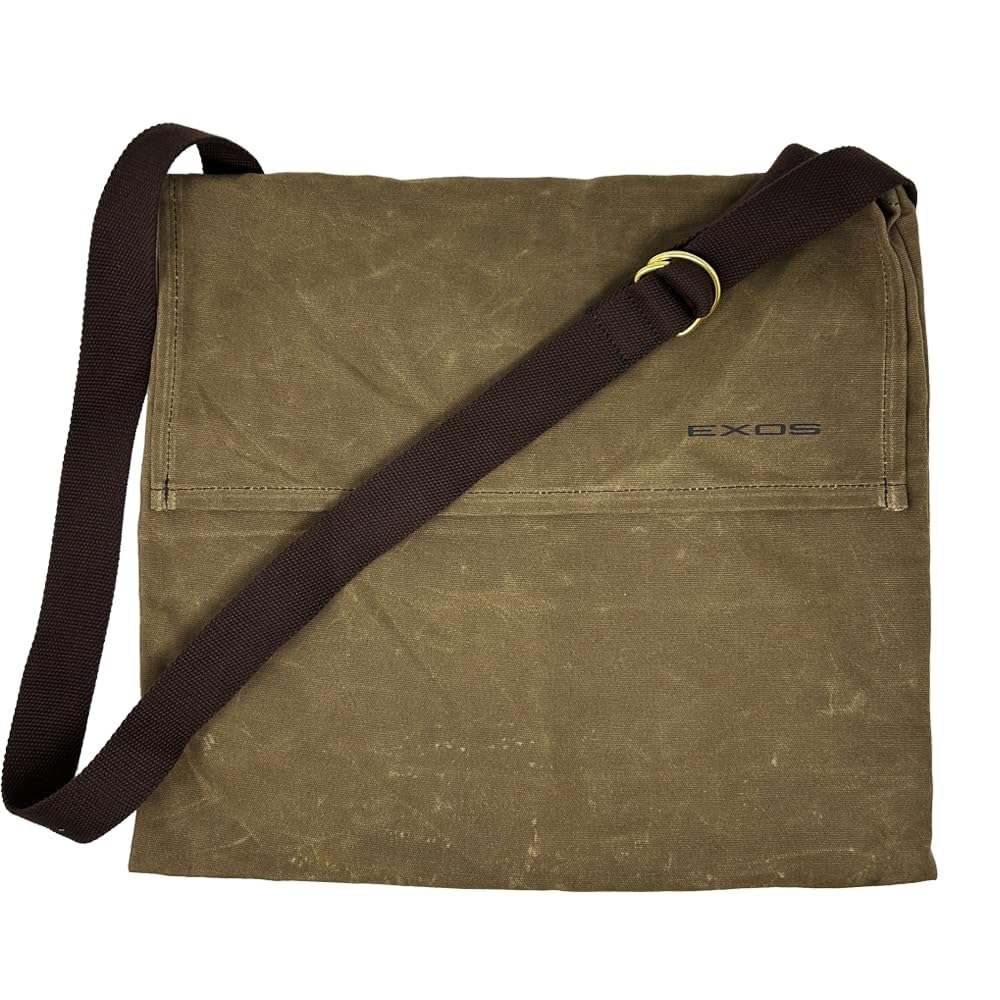
The Exos haversack blurs the line between foraging gear and everyday carry. The waxed canvas exterior with a waxed inner liner handles light rain and morning dampness while keeping contents dry. The cross-body strap adjusts easily and stays comfortable even when the bag is stuffed with loppers, gloves, or a day’s worth of kindling for a campfire.
Reviewers consistently use this bag for trail maintenance and woods work as much as foraging, praising its ability to swallow bulky items like pruning shears and water bottles. The simple flap closure provides quick access without fumbling with zippers when your hands are full of mushrooms or muddy roots. The compact footprint stores easily in a larger pack when not in use.
The waxed inner liner resists moisture but isn’t fully waterproof — extended rain or a dunk in a stream will wet the contents. The single compartment lacks pockets, so smaller items like a knife or compass can tumble to the bottom. For foragers who want a rugged, stylish bag that transitions from woods to town, this is a versatile choice.
Why it’s great
- Waxed inner liner provides moisture protection
- Comfortable adjustable cross-body strap
- Simple flap closure allows one-handed access
Good to know
- Not fully waterproof in heavy rain
- No internal pockets for small item organization
5. UpBloom Harvest & Weeding Waist Apron

The UpBloom apron takes a completely different approach to foraging — instead of a bag on your shoulder, it wraps around your waist and puts everything within easy reach. The heavy-duty fabric and reinforced stitching survive repeated washes and loads of weeds or garden vegetables. Three large front pockets hold a surprising volume while the internal phone pocket keeps your device safe from dirt and moisture.
The adjustable waist strap fits a range of sizes, and the apron distributes weight evenly so your lower back doesn’t fatigue quickly. Many reviewers repurpose this as a clothespin apron for laundry or a tool belt for light gardening work. The durable fabric washes well and shows minimal wear after multiple seasons of use.
The strap tension is the main weak point — several users report the belt slipping during extended wear, requiring frequent tightening or a secondary belt to hold it in place. The apron doesn’t work well for deep woods foraging where you need to carry heavier loads, but for garden-scale harvesting and weeding, it’s a practical and affordable option.
Why it’s great
- Hands-free design with three large pockets
- Internal phone pocket protects from dirt
- Durable fabric survives repeated washing
Good to know
- Waist strap tends to slip during extended wear
- Limited capacity for heavy forest foraging
6. Canvas Hobo Crossbody Shoulder Tote

While not a purpose-built foraging bag, this heavy canvas tote crosses over effectively for light harvesting thanks to its sturdy construction and thoughtful pocket layout. The updated metal hardware and thick canvas fabric handle the weight of a few pounds of apples, mushrooms, or wild greens without tearing. The zippered main compartment keeps your haul secure during uneven trail walks, and the deep front pockets fit a water bottle and phone side by side.
The cross-body strap adjusts to fit most torsos and distributes weight well enough for moderate loads. Two large interior compartments can hold an iPad or notebook alongside your harvest, making this bag useful for foraging trips that also involve identification books or sketching. The dark green color hides dirt and forest grime effectively.
This bag lacks the open mesh design that serious foragers need for spore dispersal and debris removal. The single large pocket without internal dividers means items pile together. The small side holes could let small items fall out during active picking. For casual foragers who want one bag that works for both a trip to the woods and daily errands, this is a stylish compromise.
Why it’s great
- Sturdy canvas with upgraded metal hardware
- Zippered main compartment secures harvest
- Deep front pockets fit water bottle and phone
Good to know
- Lack of mesh prevents spore dispersal
- Side holes may lose small items during active use
7. RATSACK Rodent Proof Bear Bag
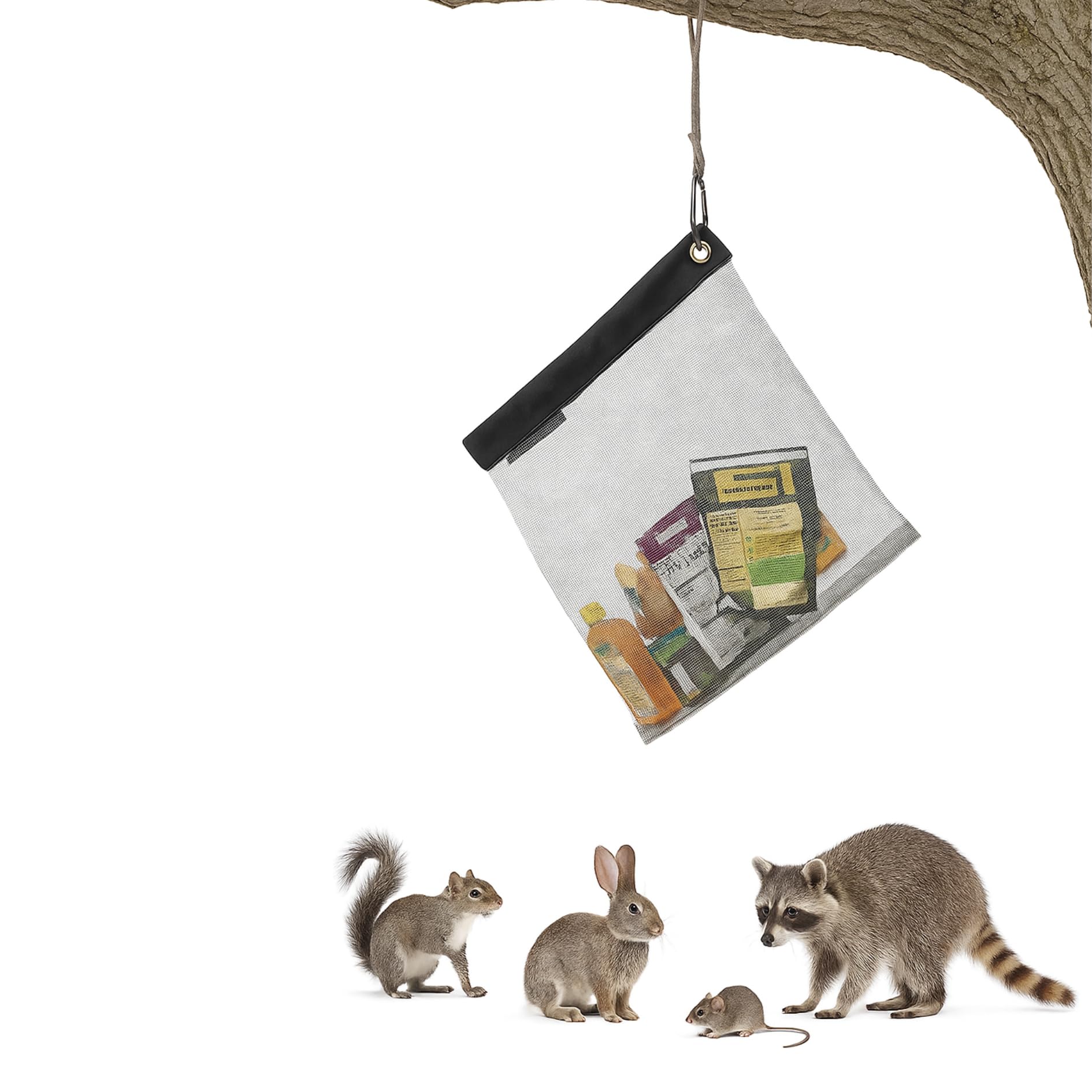
The RATSACK occupies a different niche — it’s designed to protect your food from rodents and small mammals while camping, but its stainless steel mesh construction also works as a durable foraging bag for tough field conditions. The 41-liter capacity holds a weekend’s worth of food or a massive haul of wild edibles. The hook-and-loop closure with a built-in grommet allows secure hanging away from critters.
The ultralight stainless steel mesh resists rust and corrosion, handles wet or dry environments equally well, and allows airflow that keeps produce fresh. Made in the USA with over 20 years of production history, this bag has proven durability reported by users who have kept theirs for a decade. The lightweight construction at 10 ounces means it won’t weigh down your pack on long hikes into remote foraging areas.
This bag doesn’t work for delicate mushrooms or berries — the tough steel mesh can damage soft produce if packed loosely. It doesn’t offer any internal organization or padding, and the metal material can be noisy when moved. It won’t stop bears, only small mammals. For foragers who also backpack and need a critter-proof container that pulls double duty, this is a specialized but effective tool.
Why it’s great
- Stainless steel mesh resists rust and critter damage
- 41-liter capacity handles bulk harvests
- Ultralight at 10 ounces for backpacking
Good to know
- Metal mesh can damage soft mushrooms and berries
- No internal organization or padded compartments
FAQ
Why should my foraging bag use mesh instead of solid fabric?
Can I use a regular backpack for mushroom foraging?
Final Thoughts: The Verdict
For most users, the foraging bag winner is the Barebones Harvesting Bag because its removable waterproof liner, convertible straps, and reinforced base handle everything from damp mushroom hunts to heavy garden harvests. If you want a lightweight, spore-friendly bag with an included knife, grab the VylerSky Foraging Kit. And for compact herb and nut collecting with premium materials, nothing beats the Balanced Oak Mushroom Foraging Kit.