
Michigan’s sandy soil drains so fast that most grass seed washes away or starves before it can root, turning a routine lawn project into a repeated cycle of patchy failure. You need a blend engineered to grip loose particles, hold moisture near the seed, and establish deep roots in the state’s unique mix of cool-season weather and low-nutrient sand.
I’m Mohammad Maruf — the founder and writer behind Drink4Good. I spend months each season analyzing soil types, germination coatings, and blend ratios so Michigan homeowners can skip the guesswork and plant with confidence.
After cross-referencing sand-specific root data, germination speed, and drought survivability, I’ve narrowed the field to the top seven contenders for anyone seeking the best grass seed for michigan sandy soil.
How To Choose The Best Grass Seed For Michigan Sandy Soil
Michigan’s sandy soil is a specific challenge — it drains fast, lacks organic matter, and warms quickly in spring, which can trick cool-season grass into germinating too early. The wrong blend will simply wash through the sand grains or dry out before roots can anchor. You need seed that works with the sand, not against it.
Look for Deep-Rooted Species
Tall fescue and fine fescue varieties produce root systems that push 2–4 feet deep, which is essential in sandy soil where water disappears fast. Kentucky bluegrass is also an option but demands more consistent moisture and tends to struggle in pure sand without heavy amendment. Blends that combine fescue with perennial ryegrass give you quick ground cover while the fescue establishes its deep anchor.
Check for Seed Coatings
Coatings such as OptiGrowth or Scotts WaterSmart are not gimmicks in sandy soil — they improve seed-to-sand contact and hold moisture right at the kernel, which dramatically boosts germination rates. Uncoated seed in dry sand can lose contact with water within hours, so coated options are often worth the slight premium for Michigan sand.
Prioritize Drought and Shade Tolerance
Michigan’s sandy soil often sits under partial shade from oaks and maples, and those same trees compete for what little water the sand holds. A mix that handles both low light and dry spells — like creeping red fescue or hard fescue — will survive where a sun-loving blend will thin out by mid-summer.
Quick Comparison
On smaller screens, swipe sideways to see the full table.
| Model | Category | Best For | Key Spec | Amazon |
|---|---|---|---|---|
| Outsidepride Legacy Fine Fescue | Fine Fescue | Deep shade & sandy poor soil | OptiGrowth coating, 3 fescue types | Amazon |
| Jonathan Green Black Beauty Ultra | Tall Fescue | Drought tolerance & pet traffic | Waxy cuticle, 7 lb bag | Amazon |
| Scotts Turf Builder All-Purpose Mix | Mixed Blend | Sun & shade, large areas | 20 lb bag, 8,000 sq. ft. | Amazon |
| Lesco All-Pro Transition Tall Fescue | Tall Fescue | High traffic & insect resistance | Endophyte-enhanced, 10 lb bag | Amazon |
| Barenbrug Winter Wonderlawn | Ryegrass | Winter overseeding in sand | Germinates 2–4 days | Amazon |
| JRK Sandy Soil Grass Seed Mix | Sand-specific | Direct sandy soil planting | KBG + fescue + ryegrass blend | Amazon |
| GreenView Turf Type Tall Fescue | Tall Fescue | 99.9% weed-free establishment | 20 lb bag, 5,000 sq. ft. | Amazon |
In‑Depth Reviews
1. Outsidepride Legacy Fine Fescue Grass Seed Mix 5 lb
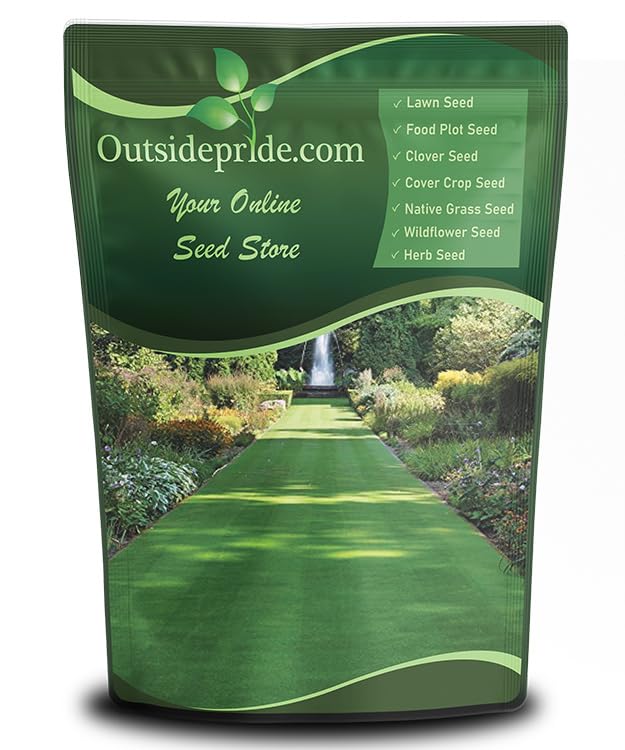
This is the strongest all-around performer for Michigan sandy soil because it combines three fine fescue types — 20% Hard Fescue, 40% Chewings Fescue, and 40% Creeping Red Fescue — each selected for different root depths and shade tolerances that match the state’s varied light conditions under hardwood canopies. The OptiGrowth coating delivers zinc, phosphorus, and nitrogen directly to the seed, improving soil contact in loose sand that would otherwise let rain wash the seed away.
Users report visible germination within 10–14 days, with the best results in shady areas where sand tends to stay cooler and hold moisture longer. The thin-bladed texture creates a soft, carpet-like feel that stands up to moderate foot traffic, and the blend is naturally slow-growing, meaning less frequent mowing during the dry summer months.
In pure sand, pairing this seed with a light compost top-dressing boosts the germination rate even further, but the coating does much of the work on its own. Homeowners who overseeded into existing thin lawns saw the most dramatic fill-in after three weeks of consistent light watering.
Why it’s great
- Three-fescue blend covers sun, shade, and sand
- OptiGrowth coating feeds seed and improves sand contact
- Thin blades stay soft and need fewer mowings
Good to know
- May require daily watering in pure sand during dry spells
- 5 lb bag is small for large lawns
2. Jonathan Green 40322 Black Beauty Ultra Grass Seed 7 lb

The standout feature of Black Beauty Ultra is the invisible waxy coating on each blade — similar to the natural wax on an apple — that seals moisture inside the leaf and blocks disease entry. In fast-draining Michigan sand, this coating directly fights the drying effect that kills uncoated grass by mid-afternoon during July heat waves.
Users consistently note that the grass is slow to germinate but emerges thicker and darker green than standard tall fescue. The 7 lb bag covers 2,800 square feet, and the brand’s reputation for pet-friendly, low-disease turf makes it a strong choice for yards where dogs run across sandy patches.
Good soil preparation — tilling, adding a thin layer of topsoil, and using a starter fertilizer — dramatically improves results in pure sand. In one verified review, the grass survived extreme California heat with extra reseeding, which bodes well for Michigan’s humid summers.
Why it’s great
- Waxy coating locks moisture in sandy conditions
- Thick, deep-green turf fills bare spots completely
- Pet-friendly and disease-resistant
Good to know
- Slower germination than ryegrass blends
- Requires soil prep for best results in sand
3. Scotts Turf Builder Grass Seed All-Purpose Mix 20 lb

Scotts coats each seed to absorb twice as much water as uncoated seed, a direct advantage when your sandy soil lets water drain past the root zone in minutes. The 20 lb bag covers up to 8,000 square feet, making it the most economical option for overseeding a full Michigan lawn.
The all-purpose mix is 99.9% weed-free and designed for both sun and shade, which suits the typical suburban yard with mixed exposure. Users see germination in 7–14 days, and the blend is formulated to blend visually with existing northern lawns — Kentucky bluegrass, ryegrass, and fine fescue proportions are balanced for a uniform green.
One buyer noted that the mix grew thick and tall even when spread over bare dirt, though a follow-up with crabgrass preventer was needed to keep the lawn clean. For the price per pound, this is the strongest pure-seed value in the list when you need volume for a large sandy property.
Why it’s great
- 20 lb bag covers huge areas affordably
- WaterSmart coating helps in dry sand
- Blends well with existing northern lawns
Good to know
- All-purpose mix may not be sand-specific
- Not available in Louisiana
4. Lesco All-Pro Transition Tall Fescue Grass Seed Blend 10 lb
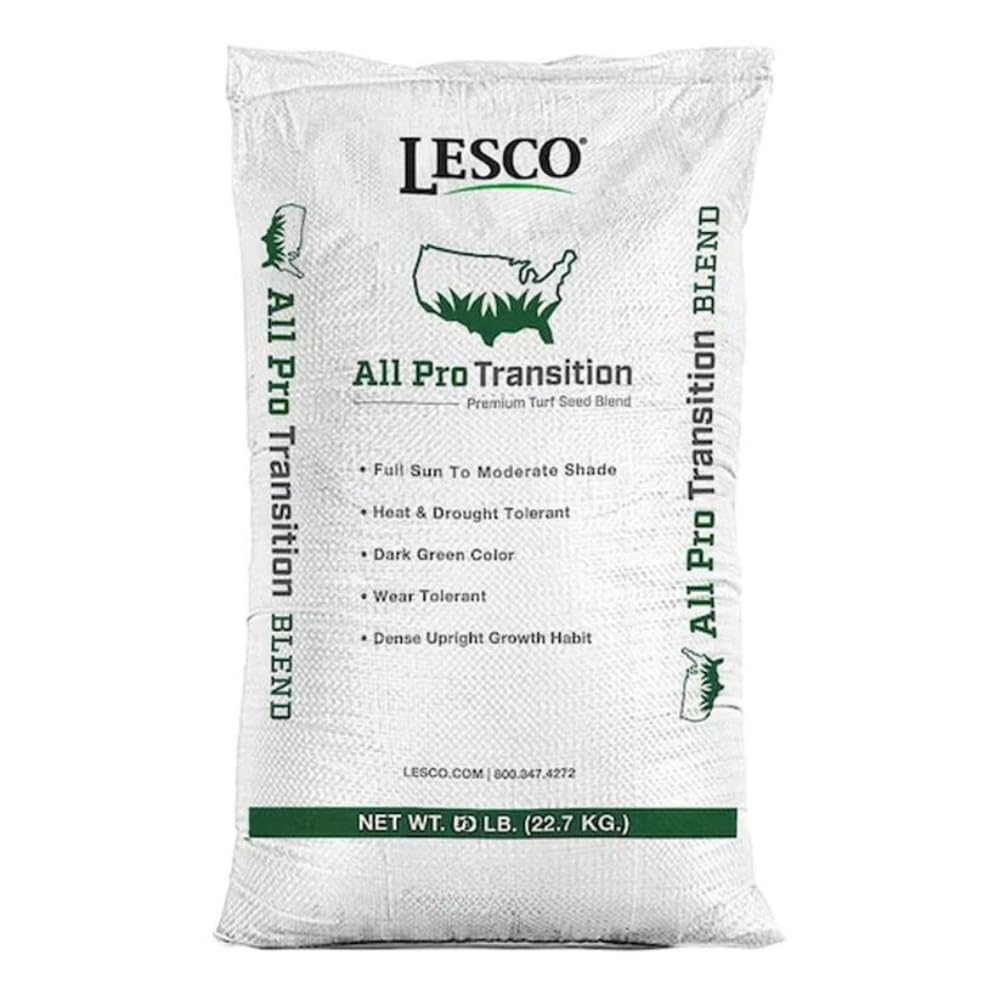
Lesco’s transition-zone tall fescue blend is endophyte-enhanced, meaning it hosts natural fungi that deter chinch bugs and sod webworms — two pests that thrive in sandy, well-drained Michigan lawns. That built-in defense reduces the need for chemical insecticides, which is a meaningful advantage when you’re already fighting the structural challenge of sand.
Users report germination in about a week with consistent watering, and the turf develops a fine-to-medium texture that stays green through dry periods. The 10 lb bag is a practical size for small-to-medium lawns, and the price per pound undercuts most big-box premium blends while delivering similar density and color.
One review noted the seed appeared cleaner than Scotts alternatives, with no crabgrass or filler dust in the bag. For homeowners who want professional-grade durability without the professional price, this tall fescue blend is a strong mid-tier pick.
Why it’s great
- Endophytes naturally repel surface insects
- Fast germination and deep green color
- Clean seed with no filler or weed seeds
Good to know
- Non-returnable — all grass seed sales final
- Slightly slower emergence than some ryegrass blends
5. Barenbrug Winter Wonderlawn Grass Seed 25 lb
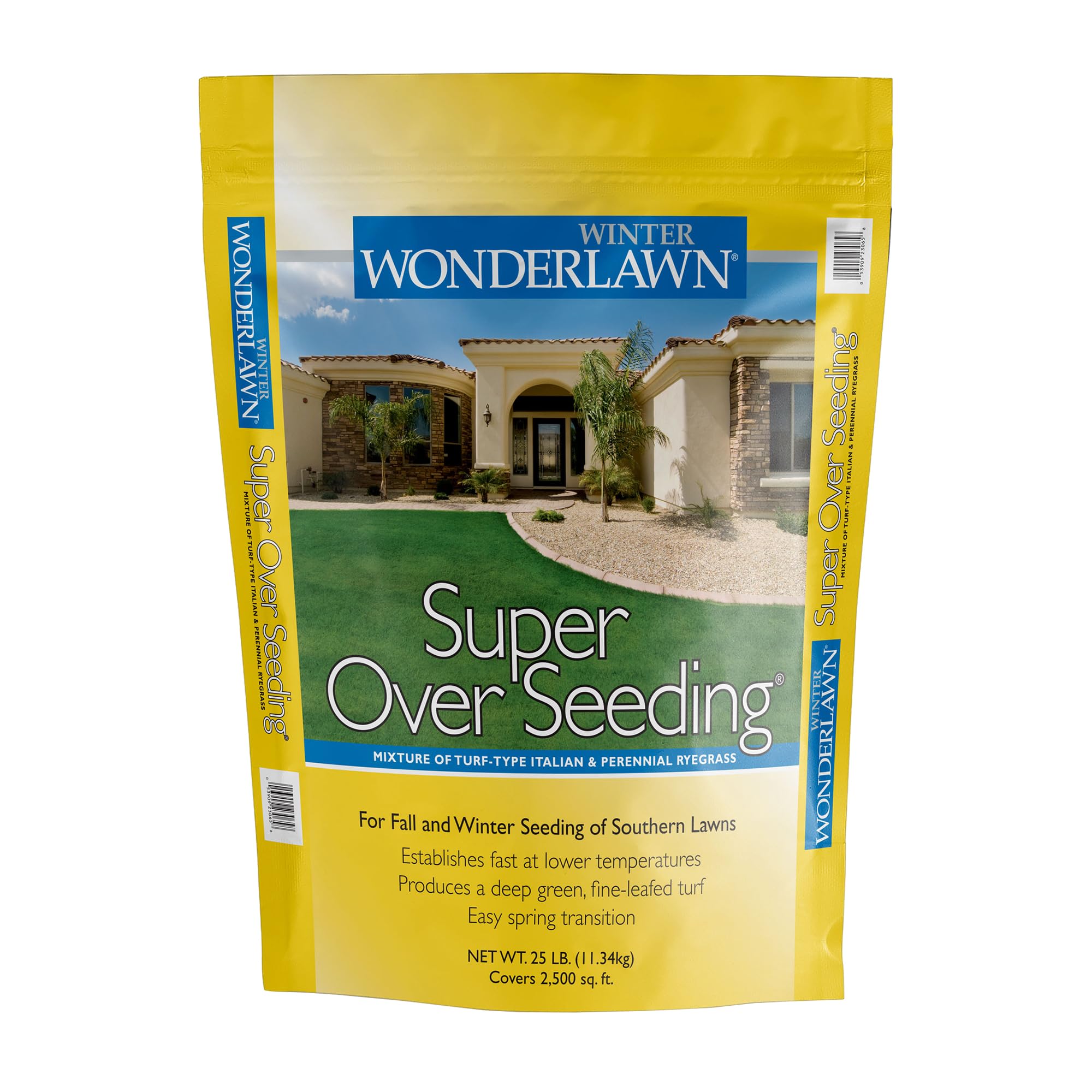
If you need winter color on sandy southern Michigan lawns, Barenbrug’s Winter Wonderlawn germinates in just 2–4 days — the fastest in this list — using a blend of perennial and Italian ryegrasses that naturally transition out in spring without chemical overseeding. The rapid establishment is critical in sand, where bare soil erodes quickly under winter rain and snowmelt.
Users in Arkansas reported the grass survived under 8 inches of snow and ice for two weeks, then bounced back green — a strong test of cold tolerance for Michigan’s variable winters. The fine-leafed turf blends seamlessly with existing tall fescue or Kentucky bluegrass, creating a uniform lawn through the off-season.
One Ohio user saw lush growth with nothing but rain watering after a March seeding, suggesting the ryegrass is forgiving even in poorly amended sand. For dedicated winter overseeding programs, this is the fastest path to a green lawn in Michigan’s shoulder seasons.
Why it’s great
- Ultra-fast germination in cool soil
- Survives snow cover and spring freeze-thaw
- Natural spring transition, no chemicals needed
Good to know
- Designed for southern overseeding, not permanent northern lawns
- Some users saw no growth if planted too late
6. JRK Sandy Soil Grass Seed Mix 10 lb

JRK’s mix is the only product here explicitly formulated for sandy soil — the 98/95 blend includes Kentucky Bluegrass, Perennial Ryegrass, Boreal Creeping Red Fescue, Epic Creeping Red Fescue, and Gulf Annual Ryegrass. That diversity gives you multiple root architectures in one bag, so some species will thrive no matter where the sand is driest or shadiest.
Buyers on pure sand reported visible sprouts within a week after tilling and fertilizing, with one user noting the grass was soft enough to sit on after 6 weeks of daily watering. The mix is designed for low maintenance — just fertilize twice a year — and performs best in sun to partial shade.
Results vary significantly by preparation: some users saw almost no growth on unamended sand, while those who tilled and watered consistently got a dense, functional lawn. For direct-to-sand planting without soil improvement, this blend outperforms generic mixes but still requires diligent watering for the first month.
Why it’s great
- Only sand-specific blend in the lineup
- Multi-species approach covers variable conditions
- Soft, dense feel once established
Good to know
- Inconsistent results on unprepared sand
- Requires strict watering schedule for first 6 weeks
7. GreenView Pure Grass Seed Turf Type Tall Fescue 20 lb

GreenView’s turf-type tall fescue blend is tested to be 99.9% weed-free, meaning you won’t introduce crabgrass or quackgrass into your sand — a common trap with cheaper seed that pretends to be sand-tolerant. The 20 lb bag covers 5,000 square feet for overseeding or 2,500 for new lawns, with the tall fescue’s deep root system anchoring sand against erosion.
Germination is consistent in 10–14 days when the soil is kept constantly moist, and the resulting turf is a rich, dark green with medium-to-coarse texture that thickens over seasons. The blend is adaptable to all common soil types, including sand, and once established it develops strong resistance to heat, drought, and brown patch.
One user in zone 8b saw 90% germination within 10 days when using a peat moss cover, with the remaining seeds sprouting in the following week. The price point is premium, but the guaranteed weed-free status and the 20 lb volume make it a smart investment for homeowners who want a pure, sand-stabilizing lawn without chemical weed control later.
Why it’s great
- Virtually 100% weed-free, no fillers
- Deep tall fescue roots anchor sandy soil
- Drought and disease resistant once established
Good to know
- Premium price per pound
- Some users report slower germination than ryegrass
FAQ
Can I plant grass seed directly into Michigan sand without adding topsoil?
What is the best planting season for grass seed in Michigan sandy soil?
How often should I water grass seed on sandy soil?
Will Kentucky bluegrass grow in Michigan sandy soil?
Final Thoughts: The Verdict
For most users, the grass seed for michigan sandy soil winner is the Outsidepride Legacy Fine Fescue Mix because the OptiGrowth coating plus three fescue varieties give you the best insurance against sand’s rapid drainage and variable shade. If you want the deepest drought defense in a tall fescue, grab the Jonathan Green Black Beauty Ultra. And for large-area coverage without breaking the budget, nothing beats the Scotts Turf Builder All-Purpose Mix.