
The promise of a crispy, chewy pizza crust that actually stretches and bubbles like the real thing is what keeps every gluten-free baker searching. Most blends yield either a dense, gritty biscuit on a baking sheet or a crumbly mess that falls apart before it hits the table. The gap between “good for gluten-free” and “genuinely good pizza” is measured in the protein-starch ratio and the grind of the flour—two specs that determine whether your Friday night pie is a triumph or a tragedy.
I’m Mohammad Maruf — the founder and writer behind Drink4Good. I’ve spent years analyzing the molecular behavior of starches and gums in alternative flours, cross-referencing lab specs with real-world baking outcomes to separate the blends that deliver on their promise from those that don’t.
Whether you are chasing an authentic Neapolitan cornicione or a sturdy pan pizza for heavy toppings, the right flour is the only foundation that matters. This guide evaluates the top contenders so you can confidently choose the best gluten free pizza flour for your oven and your palate.
How To Choose The Best Gluten Free Pizza Flour
Not all gluten-free flour blends are created equal when it comes to pizza. The structural demands of pizza dough—stretch under tension, gas retention during fermentation, and rapid browning at high heat—require a specific combination of starches and binders. Here is what to look for.
Starch Composition and Mouthfeel
The dominant starch in the blend dictates the crust’s chew. Tapioca starch and manioc flour deliver a stretchy, almost elastic texture that mimics gluten, while rice flour alone tends to create a sandy or gritty bite. Blends that lean heavily on potato starch yield a soft, cake-like interior, which may not hold up under heavy toppings. Look for a blend where tapioca or modified manioc starch is the first ingredient if you want a crust that bends rather than breaks.
Hydration Management and Dough Workability
Gluten-free doughs absorb liquid differently than wheat doughs. A flour that requires higher hydration (around 80-90% water to flour ratio) will produce a lighter, airier crumb, but the dough will be stickier and harder to shape. Flours formulated for pizza often include xanthan gum or psyllium husk already in the mix to improve workability. If the dough feels unmanageable, oiled or wet hands are the standard fix—never add excess flour, which will dry out the final crust.
Pre-Baking Requirement and Browning Potential
The best pizza flours develop a deep golden-brown color without burning. Preheat your oven as hot as it will go, and pre-bake the naked crust for 5-8 minutes before adding sauce and cheese. This step evaporates surface moisture and sets the structure, preventing a soggy center. If a flour blend is labeled as “whole grain” or includes brown rice flour, expect a darker, nuttier bake, but monitor carefully to avoid over-browning.
Quick Comparison
On smaller screens, swipe sideways to see the full table.
| Model | Category | Best For | Key Spec | Amazon |
|---|---|---|---|---|
| Caputo Fioreglut | Premium | Neapolitan-style pizza | Rice & potato starch blend, 2.2 lb pack | Amazon |
| Chebe Pizza Crust Mix | Mid-Range | Detroit-style & cheese bread | 100% Manioc flour base, 4-pack | Amazon |
| Bob’s Red Mill 16oz (Pack of 4) | Budget | Large gatherings & thin crusts | Whole grain, includes yeast packet | Amazon |
| gfJules All Purpose Flour | Mid-Range | Versatile baking from pizza to cakes | Certified Top 9 allergen-free, 1.5 lb | Amazon |
In‑Depth Reviews
1. Antico Molino Napoli Antimo Caputo Pizza Flour, Gluten Free, 2.2 Pound (Pack of 2)
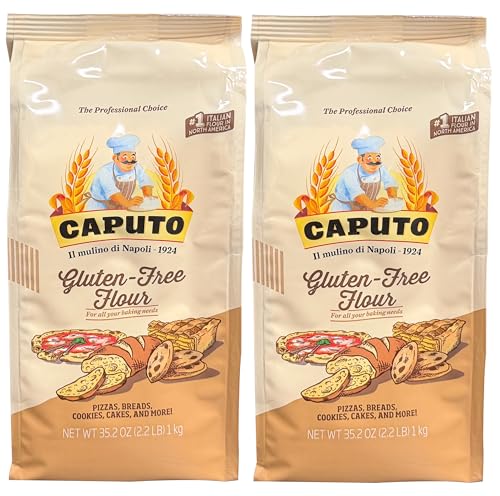
The Caputo Fioreglut is widely regarded by pizzaioli as the gold standard for gluten-free pizza flour, and for good reason. This Italian import from Antimo Caputo is a proprietary blend of rice and potato starches, rice and soy flour, sugar, thickeners, and dietary fiber—engineered specifically for long fermentation and high-heat baking. The result is a dough that stretches, bubbles, and develops a soft, tender bottom with a well-structured cornicione that browns like real Neapolitan crust. It produces a chewiness that most other gluten-free blends cannot replicate, making it the closest thing to traditional pizza dough in terms of mouthfeel.
Home bakers report that Fioreglut works beautifully for sourdough starters, bagels, and focaccia, not just pizza. The flour absorbs liquid well and responds to longer fermentation times, which deepens the flavor profile. Some users note that the dough can be slightly sticky at first, but an oiled surface or wet hands solves the issue quickly. It is also worth noting that this blend contains soy flour, so it is not suitable for those with a soy allergy.
The premium price reflects the specialized milling and import process from Naples. For anyone who values texture over cost and wants a crust that tears like real pizza, Caputo is the definitive choice. It is the flour trusted by gluten-free pizzerias like Good Pie in Las Vegas, and after tasting a pie made with it, you will understand why.
Why it’s great
- Produces authentic Neapolitan texture with bubbles and chew
- Performs well with long fermentation for deeper flavor
- Versatile for sourdough, bagels, and focaccia
Good to know
- Contains soy flour, not suitable for soy allergies
- Premium price point reflects its specialized import
- Dough can be sticky, requires wet hands to shape
2. Chebe Top Selling Pizza Crust Mix (4 Pack)

Chebe’s pizza crust mix is built around manioc (tapioca) flour, which gives it an elasticity that is rare in the gluten-free flour world. Unlike blends that lean on rice flour and leave a dry, gritty texture, Chebe produces a dough that feels pliable and bakes into a crust with a satisfying chew—closer to a traditional pizza than a cracker. The mix comes pre-seasoned with oregano, onion, and garlic, which adds a savory baseline that pairs well with classic pizza toppings. It is also iodine-free sea salt, which matters for those monitoring their iodine intake.
This mix is exceptionally easy to work with. The dough shapes well by hand and holds together without crumbling, which is a major win for anyone tired of patching together cracked edges. Reviewers consistently mention that it works great for Detroit-style pizza, where a thicker, airier crust is key. The four-pack provides good value for regular pizza nights, and each pouch stores well in the pantry without losing performance.
One thing to note: the seasoning blend is fixed, so if you prefer a neutral base to customize your own herb mix, you may find the oregano and garlic forward. That said, the texture is so good that most users keep coming back. For a reliable, no-fuss mix that delivers stretch and flavor, Chebe is a top contender.
Why it’s great
- Manioc flour base gives genuine stretch and chew
- Dough holds together well, easy to shape by hand
- Excellent for Detroit-style and thicker crusts
Good to know
- Pre-seasoned with oregano and garlic, not neutral
- Contains onion and garlic, not low-FODMAP
- Texture can be slightly denser than Caputo
3. Bob’s Red Mill Pizza Crust Mix, 16-ounces (Pack of 4)

Bob’s Red Mill is a household name in the gluten-free space, and their Pizza Crust Mix delivers a solid, no-nonsense solution for everyday pizza. This whole-grain blend comes with a yeast packet in each pouch, simplifying the process: just add water, oil, and eggs (or flaxseed meal for an egg-free version). The mix bakes up with a nuttier flavor and a slightly denser crumb compared to starch-based options, but it holds toppings well and satisfies a deep craving for pizza.
Each 16-ounce pouch makes two 12-inch pizzas, and the four-pack provides enough crusts for multiple meals or a gathering. Users who experimented with the dough found that using wet hands is essential for shaping—the dough is stickier than wheat dough but manageable. Pre-baking the crust for 7-8 minutes before adding toppings ensures a crisp base that doesn’t get soggy under sauce. Many reviewers also repurpose this mix for flatbreads, cinnamon rolls, and even pretzels, showcasing its versatility.
The main trade-off is texture: while it tastes good, the whole-grain nature means it lacks the light, airy chew of a tapioca-based or Caputo crust. It is also not low-carb, with around 45 grams of carbohydrates per serving. But for the price per pizza, especially with Subscribe & Save, it offers unbeatable value for families.
Why it’s great
- Excellent value for bulk cooking and families
- Versatile for flatbreads, cinnamon rolls, pretzels
- Can be made without eggs using flaxseed meal
Good to know
- Whole-grain flavor is nuttier, less neutral
- Crust is denser, less airy than starch blends
- Dough is sticky, requires wet hands to shape
4. gfJules Certified Gluten Free All Purpose Flour | No Grit | Non-GMO, Vegan | Certified Top 9 Allergen-Free & Kosher | Cup for Cup | 1.5 lb. Pouch

gfJules positions itself as a cup-for-cup replacement for wheat flour, and it lives up to that claim for pizza dough. The blend uses modified tapioca starches, potato starch, corn starch, white rice flour, corn flour, and xanthan gum—a combination designed to avoid the gritty texture that plagues many rice-heavy blends. The result is a smooth, white flour that integrates seamlessly into dough, producing a crust that is light and tender with a neutral flavor profile that doesn’t compete with toppings.
What sets gfJules apart is its safety pedigree. It is certified gluten-free by the GFCO, OU Kosher, and certified free of the top 9 allergens (wheat, milk, eggs, peanuts, tree nuts, soy, fish, sesame, and crustaceans). This makes it a go-to for households managing multiple food allergies. The 1.5-pound pouch yields about 5 cups of flour, which is enough for several pizzas or other baked goods. Reviewers consistently highlight its performance in recipes other than pizza, including bagels, biscuits, and birthday cakes.
The main drawback is the price per pound, which is higher than many all-purpose blends. Additionally, some users note that the dough can be crumbly when making drop biscuits, requiring careful weight-based measurement rather than volume scoops. For pizza, though, it holds together well and bakes evenly. If allergen safety and a smooth, all-purpose flour are your priorities, gfJules delivers.
Why it’s great
- Certified free of top 9 allergens, safe for sensitive diets
- Cup-for-cup replacement works seamlessly in recipes
- Smooth, non-gritty texture with neutral flavor
Good to know
- Higher price per pound compared to bulk blends
- Dough can be crumbly in certain recipes if not weighed
- Contains corn flour and corn starch, not grain-free
5. Bob’s Red Mill Gluten Free Pizza Crust Mix, 16oz (Pack of 4) – Makes two 12″ crusts per package, Kosher

This is another Bob’s Red Mill offering, but with a different formulation and price point from the earlier pack. Each 16-ounce package makes two 12-inch crusts and comes complete with a yeast packet. The mix is wheat-free, dairy-free, whole grain, and can be made without eggs, which broadens its appeal for vegan or egg-free households. The focus here is on ease and consistency: follow the instructions, pre-bake the crust for a few minutes, and you have a sturdy base that holds heavy toppings without sogginess.
Reviewers praise this mix for its authentic taste and texture, noting that it chews and feels remarkably close to real pizza. The key to success is rolling the dough thin enough, as it rises during baking. Pre-baking is essential for achieving a crisp bottom—skipping this step leads to a softer, less satisfying result. Many users also adapt the mix for stromboli, naan, donuts, and cinnamon rolls, making it a versatile pantry staple.
The higher price per unit compared to the standard Bob’s Red Mill four-pack reflects the specialized formulation and Kosher certification. For those who want a whole-grain pizza crust that delivers reliable results with minimal fuss, this mix is a solid choice. Just be prepared to use cooking spray on parchment paper to manage the sticky dough during shaping.
Why it’s great
- Produces a crisp, thin crust that holds toppings well
- Kosher certification and egg-free option
- Versatile for stromboli, naan, and sweet bakes
Good to know
- Premium pricing compared to standard Bob’s Red Mill pack
- Dough is sticky, requires wet hands or spray for shaping
- Must pre-bake for crispy results
FAQ
Can I use regular all-purpose gluten free flour for pizza?
Why does my gluten free pizza dough crack when I try to stretch it?
Do I need to pre-bake gluten free pizza crust before adding toppings?
Final Thoughts: The Verdict
For most users, the best gluten free pizza flour winner is the Chebe Pizza Crust Mix because its manioc starch base delivers genuine stretch and chew without the grit of rice flour, and it shapes easily for both thin and Detroit-style crusts. If you want the most authentic Neapolitan texture with bubbles and a soft cornicione, grab the Caputo Fioreglut. And for budget-friendly bulk cooking that still tastes great, nothing beats the Bob’s Red Mill Pizza Crust Mix (Pack of 4).