
The glow from your laptop, phone, and monitor isn’t just tiring your eyes—it’s flooding your retinas with high-energy blue light that disrupts sleep cycles and strains your focus. Without proper filtration, hours of screen time can leave you with a dull headache, dry eyes, and that wired-but-tired feeling long after you log off.
I’m Mohammad Maruf — the founder and writer behind Drink4Good. I spend my days digging into the actual optical science and material specs behind computer eyewear, analyzing waveband filtration percentages and frame ergonomics to separate real protection from marketing fluff.
After filtering dozens of options against measurable blue-light reduction, frame comfort, and build quality, I’ve narrowed the field to the most effective glasses for blue light that actually deliver on their promise without leaving your wallet empty.
How To Choose The Best Glasses For Blue Light
Not all blue light glasses are built the same. Some use clear lenses that filter only a narrow band of blue light, while others use amber or orange tints that block nearly the entire blue spectrum. The right choice depends on your screen habits and sensitivity to color distortion.
Lens Tint and Waveband Filtration
Clear lenses usually block 15–30 percent of blue light between 400 and 440 nanometers — enough for casual daytime use without shifting color perception. Amber lenses (like those from Infield or GUNNAR) block 65 percent or more, making them better for evening work or serious eye strain relief. On a measurable scale, look for glasses that guarantee at least 90 percent reduction at 395nm UV to ensure real protection against high-energy visible light.
Frame Material and Weight
Polycarbonate frames are lightweight and impact-resistant, making them ideal for all-day wear. Aluminum-magnesium alloy frames offer a premium feel with more structural rigidity, while TR90 polymer frames provide flex and memory that hold shape over time. For comfort during eight-hour screen sessions, aim for frames under 28 grams. Heavier glasses can cause pressure points behind the ears or on the bridge of your nose.
Fit and Face Coverage
Wraparound or rimless designs provide better side coverage against peripheral blue light, especially in offices with fluorescent overhead lighting. Rimless frames are lighter but less durable. Look for adjustable nose pads and spring hinges if you have a wider head or high cheekbones — non-adjustable frames tend to slide or pinch after a few hours of wear.
Quick Comparison
On smaller screens, swipe sideways to see the full table.
| Model | Category | Best For | Key Spec | Amazon |
|---|---|---|---|---|
| Infield Terminator | Safety / Amber | Maximum blue & UV blocking | 99.8% blue at 395nm | Amazon |
| GUNNAR Vertex | Reading / Lifestyle | Premium reading + blue cut | Blocks 65% blue light | Amazon |
| Livho High Tech | Clear Lens / 2-Pack | Stylish all-day screen work | Nylon flex frame | Amazon |
| ANRRI Black | TR90 Frame | Budget-friendly comfort | TR90 frame, 90% cut | Amazon |
| IBOANN Al-Mg | Metal Frame | Durable metal everyday wear | Al-Mg alloy frame | Amazon |
In‑Depth Reviews
1. Infield Terminator UV-400 Safety Glasses

The Infield Terminator delivers the highest measurable blue-light reduction in this lineup, with verified 99.8 percent filtration at 395nm UV and over 99.99 percent UVB cut. The dark orange lens effectively eliminates almost all blue wavelengths, making it the top choice for people who need maximum eye protection during long office or workshop hours. The rimless polycarbonate frame keeps weight low, and the wraparound design prevents side light leakage — a detail many lifestyle glasses miss.
Comfort is surprisingly good for a safety-grade frame. The arms are adjustable and expand over time for larger heads, and the integrated nose pads self-adjust without pinching. Reviewers consistently report that these glasses outperform name-brand amber lenses like Uvex SCT-Orange in terms of sheer blue blocking. The tradeoff is a very deep orange tint that can make green lights appear nearly invisible — not ideal for driving at night, but unbeatable at a desk.
At its price point, the Infield offers the best value for pure optical performance. The lens is dark enough to cause a VR-like sensation outdoors, so keep these reserved for indoor screen work or shop use. The safety certification (2-1.7 GA 1 FT K) means the lens also passes impact tests, giving you rugged durability that casual frames lack.
Why it’s great
- Highest blue light reduction in the list (99.8 percent at 395nm)
- Rimless wraparound design blocks peripheral light
- Safety-rated polycarbonate lens is impact resistant
Good to know
- Dark orange tint makes green lights look nearly invisible
- Not suitable for nighttime driving
- May feel tight on very large heads initially
2. GUNNAR Vertex Blue Light Reading Glasses
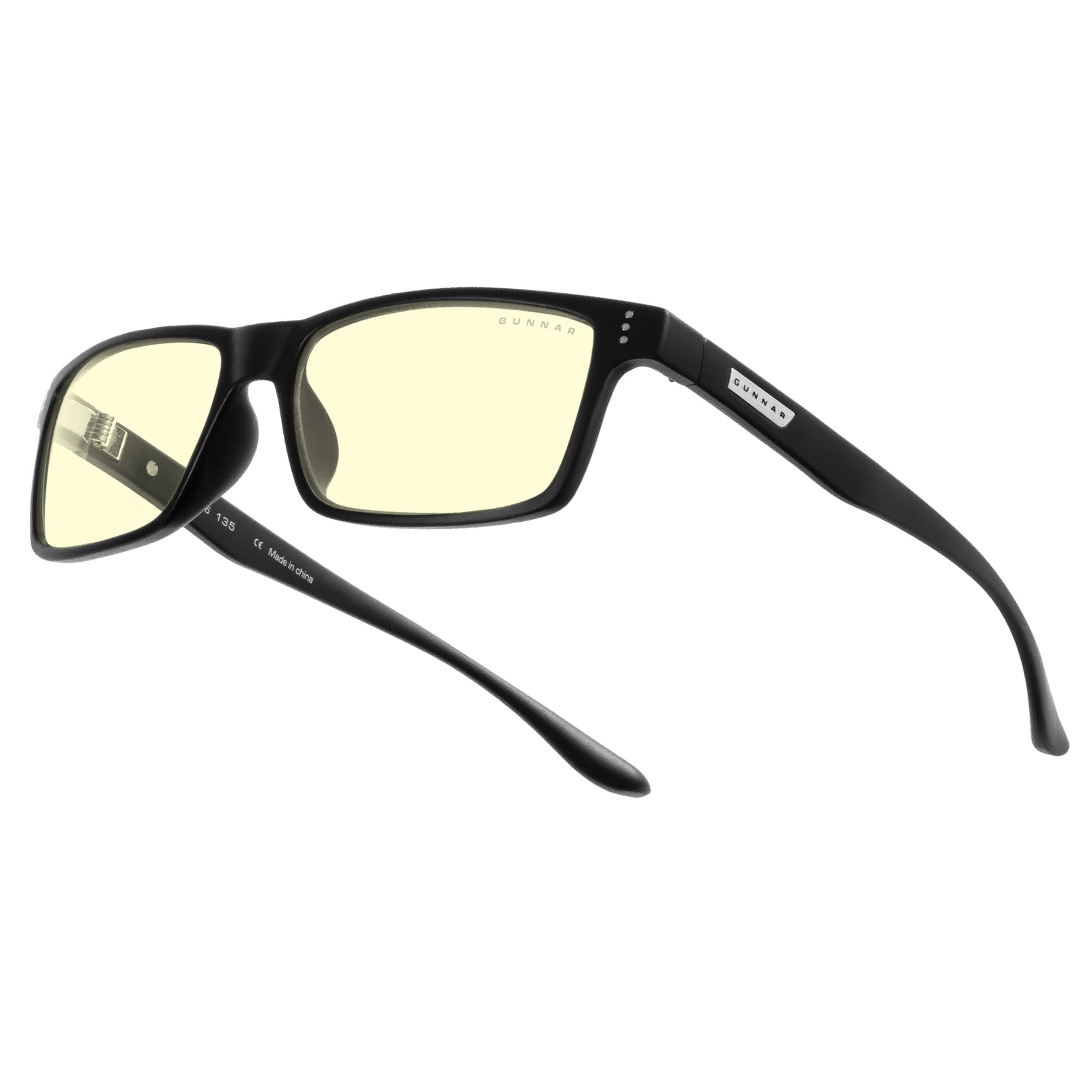
GUNNAR has built a strong reputation in the blue-light space, and the Vertex model justifies the hype with a 1.50X magnification that doubles as reading glasses. The amber-tinted lens blocks 65 percent of blue light, which is a noticeable step up from clear-lens alternatives. Users with astigmatism report a meaningful reduction in eye strain during extended reading and computer sessions, and the warm color boost makes reds and yellows pop on screen.
The frame build is clean and professional, with a classic shape that doesn’t scream “gamer.” The hinges are tight but lack spring tension, so the fit stays secure once adjusted. A few reviewers noted missing screws on initial units, but replacements arrived quickly. At this price, you’re paying for the optical clarity and the brand’s lens technology rather than heavy-duty frame construction.
One unique advantage here is the reading magnification — if you need both blue light protection and a small prescription boost for close-up work, this kills two birds with one pair. The yellow tint is much lighter than the Infield’s dark orange, so colors remain more natural. That also means less aggressive blue blocking, making it better for casual office use than all-night coding sessions.
Why it’s great
- Combines blue light blocking with 1.50X reading magnification
- Amber lens provides 65 percent blue cut without heavy distortion
- Clear optics reduce eye strain for astigmatism users
Good to know
- Hinges lack spring action and can loosen over time
- Quality control on initial units was inconsistent
- Not the strongest blue blocker in the lineup
3. livho High Tech Blue Light Glasses
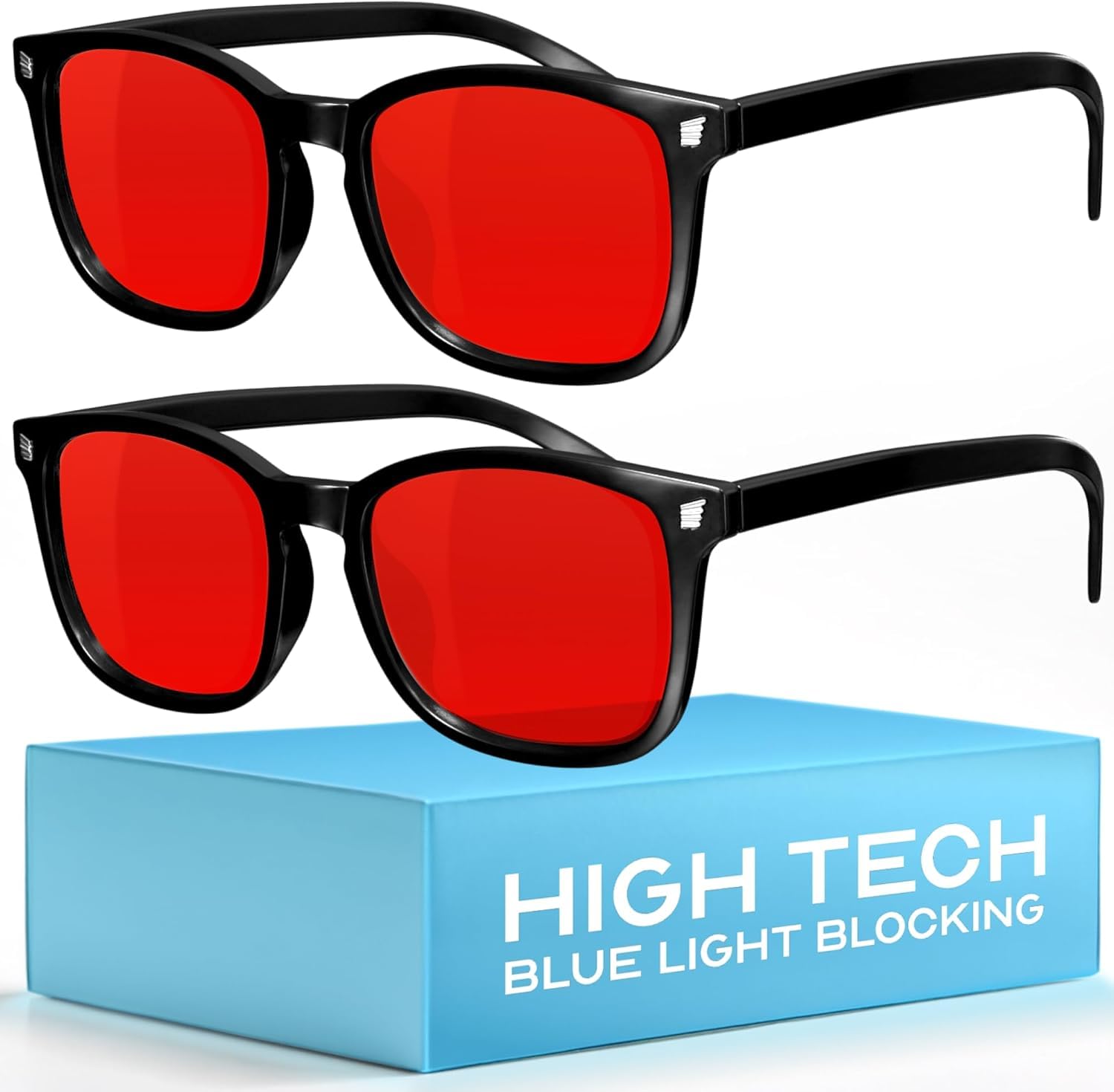
The livho High Tech glasses target a different audience: people who want blue light protection without any visible lens tint. The clear lens is designed to filter a specific band of harmful blue wavelengths (around 400–440nm) while letting through the rest, so colors stay completely accurate on screen. This makes them ideal for graphic designers, video editors, or anyone who can’t tolerate amber color shift during work hours.
The nylon flex frame is exceptionally lightweight at just over 3 ounces for the pair, and the flexible material absorbs daily abuse without snapping. It comes as a two-pack, which adds convenience for keeping one at work and one at home. The included test card lets you verify that the lenses are actually filtering blue light — a nice transparency feature when many clear-lens glasses are placebo-level.
Real-world testing shows that these outperform some prescription blue-light glasses in comparative blocking tests, despite their clear appearance. The only downside is that the flexible arms might feel slightly loose on narrower faces. If you need zero color distortion and all-day weightlessness, this is the pair to beat.
Why it’s great
- Completely clear lens with zero color distortion
- Ultra-lightweight nylon frame comfortable for all-day wear
- Comes as a two-pack with verified blue-blocking test card
Good to know
- Flexible arms may feel loose on narrow faces
- Less blue blocking than amber-tinted alternatives
- Not designed for evening or dark-room use
4. ANRRI Blue Light Blocking Glasses

The ANRRI glasses offer a 90 percent blue light cut at a very accessible price, making them the strongest blocker among the affordable options. The TR90 frame is lightweight and flexible — it springs back into shape even after being bent — and the lens is non-magnification polycarbonate. Users with wide heads report a comfortable fit without side pressure, and the classic black frame keeps the look understated.
In extended testing with 12-hour screen days, reviewers noted a clear reduction in eye fatigue and fewer headaches by the end of the shift. The lens does have a faint warm tint compared to truly clear glasses, but it’s far less intrusive than the Infield’s orange. The included case is sturdy enough for daily travel, though the lens surface attracts smudges and needs regular wiping.
One limitation is that the frame runs slightly larger than average. If you have a narrow face or low nose bridge, the ANRRI may sit loose without the pressure of nose pads to hold it in place. The lifetime warranty from the manufacturer adds peace of mind that cheaper options usually skip entirely.
Why it’s great
- 90 percent blue light reduction is high for the price
- TR90 frame is flexible, durable, and lightweight
- Lifetime warranty backs the purchase
Good to know
- Frame runs slightly large for narrow faces
- Lens smudges easily and needs frequent cleaning
- Slight warm tint rather than truly clear
5. IBOANN Blue Light Glasses
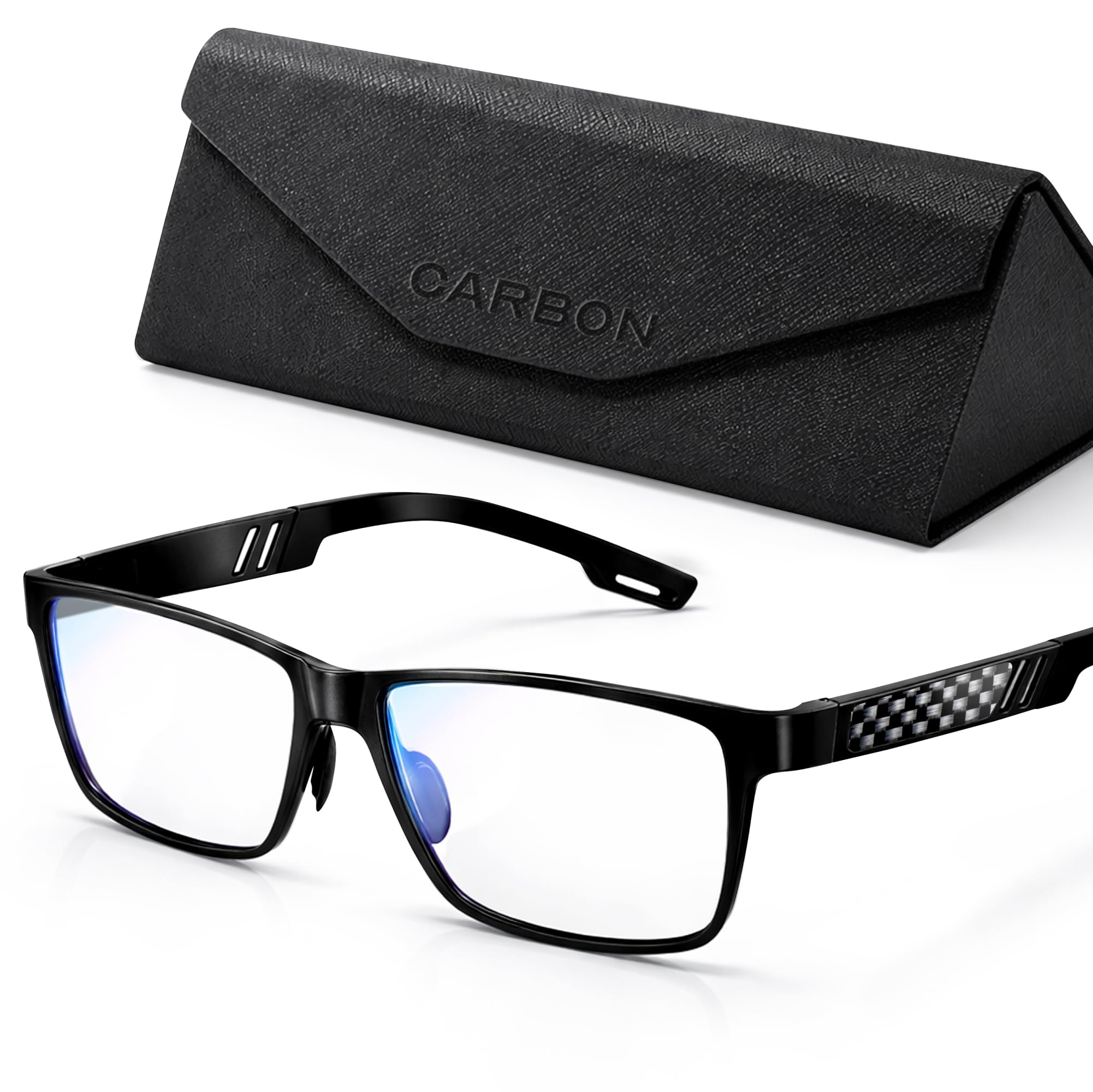
The IBOANN glasses bring an aluminum-magnesium alloy frame that feels substantially more premium than the all-plastic alternatives. The metal construction gives a satisfying weight without being heavy, and the carbon-fiber accents add a modern look that works equally well in casual and office environments. The clear blue-light lenses maintain accurate color perception, making these suitable for creative professionals who need true color rendering.
Users consistently report reduced eye strain and fewer headaches after switching to these glasses for all-day computer work. The arms are comfortable and don’t dig into the head, but the nose pads can feel sharp after extended wear — a small annoyance that some reviewers fixed by adjusting the pads outward. One surprising durability test had the glasses survive an accidental kick to the face without cracking, which speaks to the build quality.
The main tradeoff is the sharper nose pad design and slightly heavier feel compared to the ANRRI or Livho. If you prefer the heft and rigidity of a metal frame, the IBOANN delivers a cleaner aesthetic than plastic options. Just be prepared to tweak the nose pads for optimal comfort over eight-hour stretches.
Why it’s great
- Aluminum-magnesium alloy frame feels premium and survives impact
- Clear lens preserves color accuracy for design work
- Modern aesthetic with carbon fiber details
Good to know
- Nose pads can feel sharp and leave marks
- Slightly heavier than TR90 or nylon options
- May slide under over-ear headphone pressure
FAQ
Do clear blue-light glasses really work or are they a scam?
Can I wear blue light glasses all day without damaging my eyes?
Final Thoughts: The Verdict
For most users, the glasses for blue light winner is the Infield Terminator because it delivers verified 99.8 percent blue blocking at a fraction of the cost of premium brands. If you want a clear lens that preserves color accuracy, grab the livho High Tech. And for combining blue light protection with reading magnification, nothing beats the GUNNAR Vertex.