
North Idaho’s growing zone is a puzzle. Cold winters, dry summers, acidic soil from the pine forests, and the mix of full sun on the valley floor with deep shade under the cedars and firs means your choice of grass seed determines whether you get a lush carpet or a patchy weed farm. A blend built for quick germination in cool soil and strong shade tolerance will outlast anything designed for the generic “northern lawn.”
I’m Mohammad Maruf — the founder and writer behind Drink4Good. I’ve spent years digging through turfgrass research, germination trials, and regional adaptation data to find which seed mixes actually perform across the varied microclimates found in the Inland Northwest.
Whether you are repairing a shady spot under a spruce or overseeding a full-sun field, the best grass seed for north idaho must handle cold spring soil, resist melting out in summer heat, and establish deep roots before the snow flies.
How To Choose The Best Grass Seed For North Idaho
North Idaho sits in a USDA hardiness zone straddling 4b and 5a, with short growing seasons and a heavy reliance on spring snowmelt. The wrong grass seed will germinate poorly in 40°F soil, burn out under July sun that hits 95°F in Coeur d’Alene, or rot under the dense canopy of a Doug-fir stand. Focus on three things: species adaptation, purity, and coating technology.
Species Matters More Than Brand
Fine fescues — creeping red, Chewings, and hard fescue — are the go-to for North Idaho’s shady lots. They thrive in acidic soils, need less nitrogen, and stay green through dry August spells. Perennial ryegrass gives you fast establishment in sunny patches but struggles in deep shade. Kentucky bluegrass is beautiful but requires full sun and consistent watering; treat it as a complement, not a foundation.
Read the Weed-Free Label, Not the Front
Oregon-grown seed from the Willamette Valley has a reputation for being cleaner than commodity seed. Look for “99.9% weed free” on the tag or a “no other crop seed” statement. North Idaho’s native invasive grasses like quackgrass and cheatgrass will take over a lawn fast if the seed bag brings them in.
Coating vs. Pure Seed
Coated seeds (OptiGrowth or Scotts’ WaterSmart) hold moisture better in cold spring soil and resist drying winds, but the coating adds bulk so you plant fewer seeds per pound. Pure seed is denser and gives more coverage per bag, but requires more consistent watering in the first two weeks. For North Idaho’s spring rains, both work; for fall seeding when rain is scarce, coated seed has a slight edge.
Quick Comparison
On smaller screens, swipe sideways to see the full table.
| Model | Category | Best For | Key Spec | Amazon |
|---|---|---|---|---|
| Outsidepride Legacy Fine Fescue | Premium Mix | Deep shade & fine turf | 3-fescue blend + OptiGrowth coating | Amazon |
| Pennington Smart Seed Northeast | Premium Mix | Sunny lawns with some shade | PRG / KBG / Tall Fescue blend | Amazon |
| Scotts Turf Builder All-Purpose | Mid-Range | Northern all-purpose repair | 20 lbs, covers 8,000 sq ft | Amazon |
| GreenView PRG Blend | Mid-Range | Quick repair in sun/part shade | PRG blend, 99.9% weed-free | Amazon |
| Eretz Creeping Red Fescue | Mid-Range | Shaded slopes & erosion control | 99.6% pure seed, fine blade | Amazon |
| Jonathan Green Dense Shade | Value | Heavily shaded front yards | 100% superior seed, 3 lb bag | Amazon |
| Eretz Annual RyeGrass | Value | Quick cover & erosion control | Annual ryegrass, fast germination | Amazon |
In‑Depth Reviews
1. Outsidepride Legacy Fine Fescue Grass Seed Mix
This mix combines 20% Hard Fescue, 40% Chewings Fescue, and 40% Creeping Red Fescue — a trio that covers North Idaho’s shade spectrum from the dry shadow of a ponderosa pine to the damp floor under a cedar stand. The OptiGrowth coating helps each seed stay in contact with cold spring soil, and the nutrient layer (zinc, phosphorus, nitrogen plus kelp) gives an early boost when soil temps hover around 45°F. Germination reports from buyers in the Pacific Northwest show noticeable growth in 10 to 14 days when temperatures climb.
Fine-bladed and dark green, this fescue blend produces a lawn that looks more like a putting surface than a pasture. It handles foot traffic better than straight creeping red and stays green through August dry spells without constant watering. The 5-pound bag covers roughly 1,000 to 2,000 square feet depending on whether you are seeding bare dirt or overseeding, which is enough for a medium-sized side yard or a shaded front patch.
Some users noted slower germination in cold snaps, with one buyer seeing minimal results after a month in consistently sub-50°F conditions. The coating does add bulk, so measure carefully — a full pound of coated seed covers less area than a pound of pure seed. But for a premium shade-focused lawn in North Idaho, this is the most complete single-bag solution.
Why it’s great
- Triple-fescue blend targets full shade to partial sun
- Coating improves germination in cool, damp spring soil
- Nutrient-infused seed reduces need for starter fertilizer
Good to know
- Coating reduces effective coverage per pound
- Slow to germinate in consistently sub-50°F weather
- Fine blades can lie flat after heavy rain or traffic
2. Pennington Smart Seed Northeast Grass Mix

Pennington designed this mix specifically for the Northeast corridor, but the blend of perennial ryegrass, Kentucky bluegrass, and tall fescue matches the cool-season demands of North Idaho’s valley floors. It requires 4 to 6 hours of sunlight, so it works best in open lots rather than deep wooded shade. The 20-pound bag covers up to 6,600 square feet for overseeding, making it a high-volume choice for a full-acre property.
Buyers consistently report visible sprouts in 8 to 14 days when soil temperatures reach the mid-50s. The Kentucky bluegrass component spreads via rhizomes, filling in thin spots over time, while the tall fescue provides deep roots that handle July heat better than ryegrass alone. The fertilizer coating is light but gives a boost to sandy or rocky soil common in the Rathdrum Prairie area.
This mix is less effective in deep shade under conifers — the fine fescues are absent, so expect thinning in areas that get under 4 hours of direct sun. It is also heavier than the bag suggests; 20 pounds of seed plus coating moves around in the spreader, so calibrate before covering the whole lawn. For a sunny North Idaho property that gets afternoon heat, this is a reliable, proven blend.
Why it’s great
- Large bag covers 6,600+ sq ft for overseeding
- Tall fescue roots handle drought and heat stress
- KBG rhizomes fill gaps over successive seasons
Good to know
- Not designed for deep shade under trees
- Coated seed requires careful spreader calibration
- Fertilizer coating is minimal; still needs starter food
3. Scotts Turf Builder Grass Seed Quality All-Purpose Mix

At 20 pounds with an 8,000-square-foot coverage claim, this is the brute-force option for large-scale lawn repair or overseeding before a North Idaho winter. The WaterSmart coating absorbs twice its weight in moisture, which helps during the region’s dry late-summer seeding window when rain tapers off in August. The blend includes perennial ryegrass and fine fescues, though the exact ratio is proprietary.
Reviews from northern buyers emphasize fast germination — many saw growth within a week in the spring when soil temps hit 50°F. The coating reduces the need for obsessive watering, which matters when you are covering 8,000 square feet and can’t drench every inch. The dark green color and medium texture blend well with established fescue lawns, making it a safe top-dress choice.
Some users reported that the coating masks how much actual seed is in the bag — the volume looks generous but the seed-to-coating ratio means you plant fewer live seeds per square foot. A few also flagged that the blend can thin out in deep shade; this is an all-purpose mix, not a shade specialist. For a sunny prairie or open lot in Post Falls or Hayden, it delivers big coverage at a low cost per square foot.
Why it’s great
- High coverage — up to 8,000 sq ft per bag
- WaterSmart coating improves drought survival
- Fast germination in cool spring soil
Good to know
- Coating reduces actual seed count per scoop
- Thins out in deep shade under evergreens
- Exact blend ratios are proprietary
4. GreenView Pure Grass Seed Perennial Ryegrass Blend

This is a pure perennial ryegrass blend with no filler, no coating, and a 99.9% weed-free guarantee. For North Idaho homeowners who have battled quackgrass and spotted spurge, a clean seed bag is worth the investment. The blend germinates in 7 to 12 days in soil temperatures above 55°F, which aligns with late April in the Coeur d’Alene area. The 7-pound bag covers 1,750 square feet for new seeding or 3,500 for overseeding.
Buyers consistently note that this seed outperforms big-box store mixes in both sun and partial shade, and it greens up weeks earlier than fescue or Bermuda in the spring. The fine-to-medium texture and deep green color create a polished look, and the drought resistance claims hold up once roots establish — a plus for North Idaho’s dry July and August.
Because it is pure ryegrass, it will struggle in dense shade under a conifer canopy. It also needs consistent moisture during germination — the lack of coating means seeds dry out faster on the surface if you miss a watering. For sunny patches, bare-spot repair, or overseeding an existing fescue lawn, this is one of the cleanest and fastest options available.
Why it’s great
- 99.9% weed-free — no invasive grass seeds
- Fast germination in 7-12 days
- Handles sun and part-shade well
Good to know
- Uncoated seed needs careful watering
- Not for deep shade under trees
- Ryegrass alone may not survive heavy foot traffic
5. Eretz Creeping Red Fescue Seed
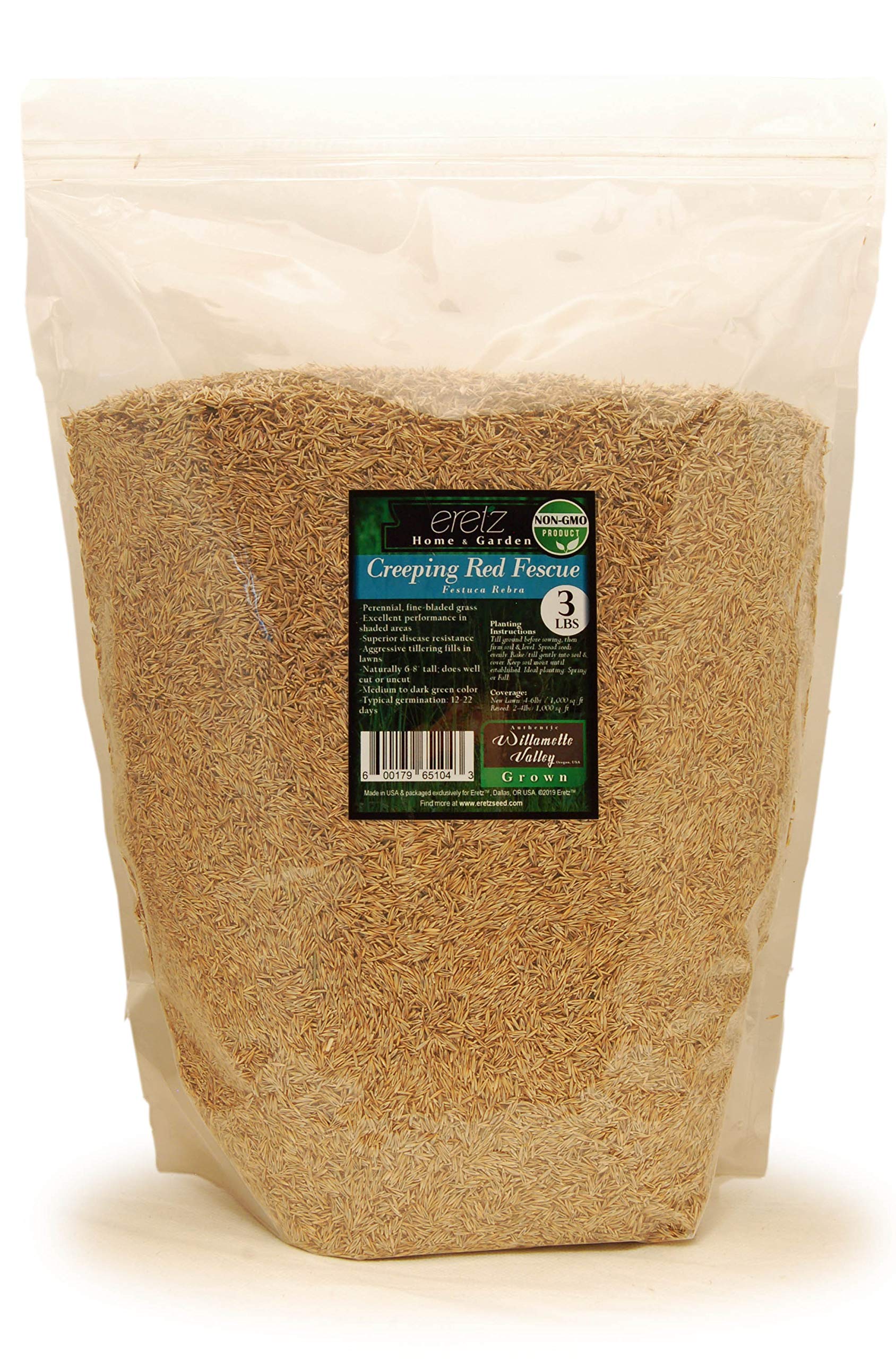
Creeping red fescue is a perennial, fine-bladed grass that stays green through North Idaho winters and thrives in acidic soil under pines and firs. This Eretz bag contains 99.6% pure seed with only 0.4% inert matter — no weed seeds, no fillers. It grows naturally to 6–8 inches tall but holds up well at a 3-inch mow height. For a shaded slope where mowing is a hassle, you can let it grow unmowed and it will still look intentional.
Buyers in the inland Pacific Northwest report that it survived Vermont-grade winters and stayed green when neighboring fescues went dormant. The aggressive tillering habit fills in bare spots without overseeding. One reviewer in a low-shade PNW lawn saw germination in about 21 days with nighttime lows near freezing — a testament to its cold tolerance.
The fine blades can lie down after heavy rain or foot traffic, and it does demand a sharp mower blade to avoid shredding. Germination is slower than ryegrass — expect two weeks or more — so patience is required. For a bank, a north-facing slope, or any shady spot where you want a low-maintenance green carpet year-round, this is an excellent choice.
Why it’s great
- Extreme shade tolerance under conifers
- Aggressive spreading fills in thin areas
- Stays green through cold winters
Good to know
- Slow to germinate — 2 weeks minimum
- Fine blades need a sharp mower
- Not for heavy-traffic areas
6. Jonathan Green 40600 Dense Shade Grass Seed
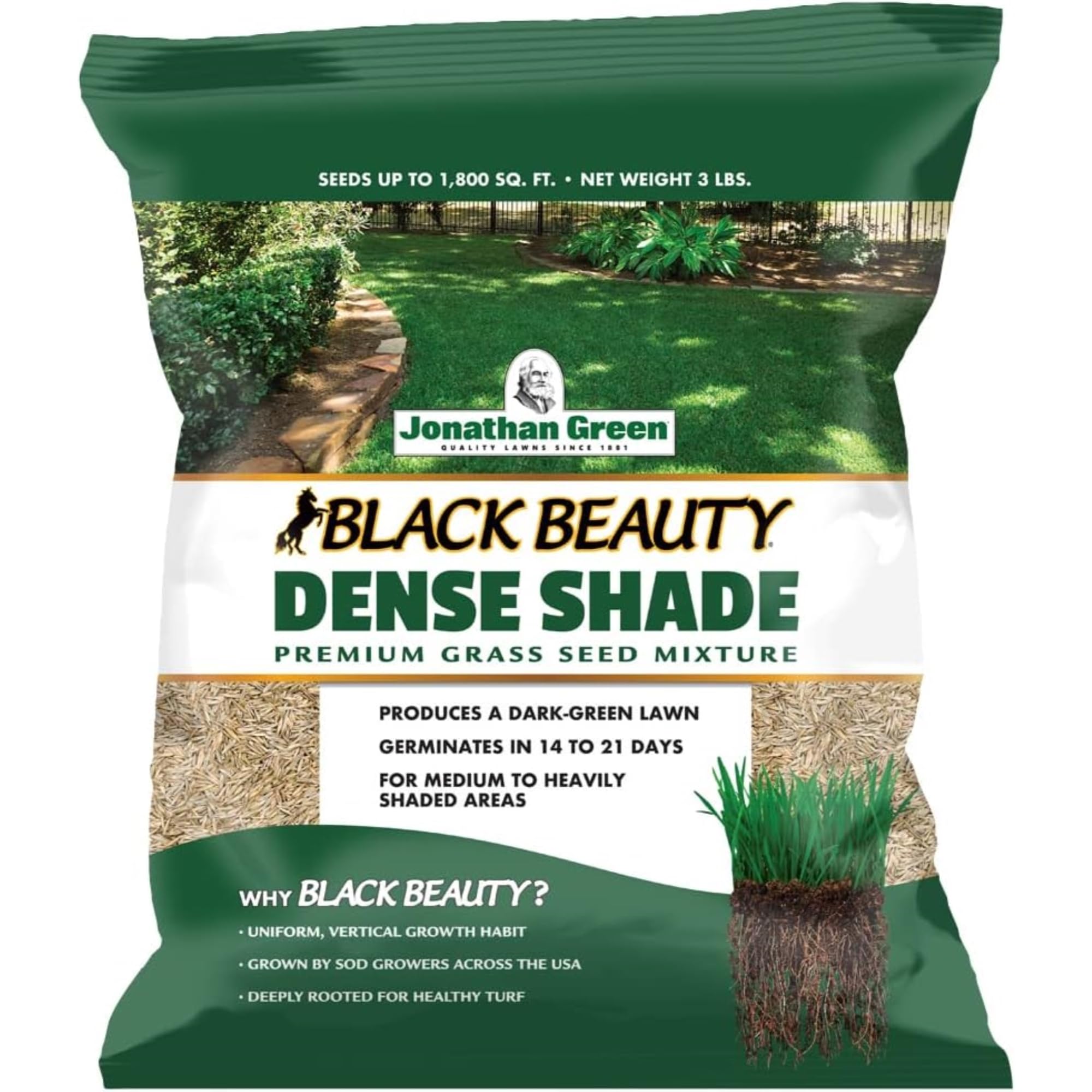
If nothing grows under that massive spruce in your front yard, this 3-pound bag of Jonathan Green Dense Shade seed is worth trying. It is formulated specifically for areas with under 4 hours of direct sunlight, and some North Idaho buyers report germination in 3 days under heavy shade with dark green, thin-bladed growth. The 1,800-square-foot coverage claim on a small bag is aggressive, but for spot-seeding a single trouble area, it is an economical test.
The seed is sold as 100% superior grass seed with no coating or filler, so what you see is what you get. Several verified buyers in northern climates say it handled the transition from cold spring to hot summer better than generic shade mixes. The thin, dark green blades create a refined look that blends with fine fescue lawns.
The small bag size is limiting — at 3 pounds you can’t cover a whole acre. Some reviews note that the seed germinates well in the fall but degrades in the mid-80°F to 90°F heat that North Idaho valley floors experience in July. It also reportedly dies if leaves are left on top of it over winter. Use it for a small, truly shady spot or as a supplement to a broader fescue blend.
Why it’s great
- Proven germination in deep shade
- No filler — 100% grass seed
- Dark green, fine-bladed appearance
Good to know
- Small 3 lb bag — limited coverage
- Heat stress above 85°F in full sun
- Leaves must be raked to prevent die-off
7. Eretz Annual RyeGrass Seed

Annual ryegrass is not a permanent lawn solution, but for quick cover, erosion control on a new construction slope, or a green winter blanket, it is unbeatable. This Eretz bag is grown in the Willamette Valley and tested to be weed-free — important because annual ryegrass can cross-contaminate a permanent lawn if it brings in weed seeds. Germination often occurs within a week, even in poor soil, as confirmed by buyers in drought-stressed Texas and snow-covered northern climates.
Mix it with clover or vetch for a cover crop that fixes nitrogen, or overseed a berm that is washing out during fall rains. The 5-pound bag goes a long way because annual ryegrass seeds are small and dense. Several reviewers note that it creates a lush, verdant carpet that is easy to maintain — exactly what you want for a temporary fix while you prepare the soil for a permanent fescue lawn the following spring.
The catch is the name: annual. It dies after one growing season, so do not rely on it for a permanent lawn in North Idaho. It also needs moderate watering and will thin out in deep shade. Use it as a tactical tool — erosion blanket, winter green-up, or quick beautification — not as a permanent turf solution.
Why it’s great
- Extremely fast germination — as fast as 5 days
- Excellent for erosion control on slopes
- Weed-free Oregon seed
Good to know
- Annual — dies after one season
- Not for permanent lawn establishment
- Needs moderate watering in dry spells
FAQ
Will Kentucky bluegrass grow in North Idaho shade?
When is the best time to seed in North Idaho?
How do I prepare acidic pine soil for grass seed?
Final Thoughts: The Verdict
For most users, the best grass seed for north idaho winner is the Outsidepride Legacy Fine Fescue Mix because its triple-fescue blend handles the deep shade under conifers while the OptiGrowth coating improves success in cold spring soil. If you want the fastest repair for a sunny patch, grab the GreenView PRG Blend for its weed-free purity and 7-day germination. And for a low-maintenance slope that you never want to think about again, nothing beats the Eretz Creeping Red Fescue.