
Clay soil under a full-sun lawn presents a specific paradox: the surface bakes into a hard crust that rejects water, yet the subsurface stays compacted and poorly drained. Most grass varieties either scorch in the intense light or drown in the slow-draining clay below. The winning approach requires deep-rooted species — tall fescue types with root systems that can punch through dense soil — and seed blends engineered to germinate reliably when surface temperatures climb above 80°F.
I’m Mohammad Maruf — the founder and writer behind Drink4Good. I analyze soil science research, turfgrass extension bulletins, and real-world germination reports to isolate which seed formulations genuinely overcome the dual stress of high-radiation exposure and poor percolation.
After cross-referencing germination rates, root-depth genetics, and verified customer outcomes on clay-heavy sites, the top performers share one trait: they prioritize root architecture over leaf speed. This guide covers the best grass seed for clay soil and full sun to turn that hard-pan trouble spot into a resilient, deep-green lawn.
How To Choose The Best Grass Seed For Clay Soil And Full Sun
Clay soil compacts easily, holds moisture at the root zone but sheds water from the surface crust. Full sun adds evaporative stress that can kill shallow-rooted grasses before they establish. The right seed must have a genetic predisposition for deep rooting, a coating that improves seed-to-soil contact on crusty surfaces, and a species composition that handles both wet feet and dry tops.
Root Architecture Above Leaf Speed
Tall fescue varieties typically send roots 24 to 36 inches deep — enough to penetrate the compacted clay layer and access moisture below the bake zone. Perennial ryegrass roots are shallower, rarely exceeding 12 inches, making them vulnerable to the rapid drying that full sun causes on clay. For your conditions, blends with at least 60 percent tall fescue content give the best survival odds.
Seed Coatings That Beat Crusting
Clay soil forms a hard cap after rain followed by sun. Standard uncoated seed often sits on top and fails to make contact with moisture below. Look for coatings like WaterGardQS (which absorbs and holds moisture at the seed surface) or Yellow Jacket (a nutrient-charged coating that helps the seedling push through crust). Avoid heavy filler coatings that just add bulk without biological benefit.
Heat Tolerance and Weed Purity
Full sun on clay pushes soil surface temperatures above 100°F during summer afternoons. Seeds that are endophyte-enhanced carry a natural fungus that deters surface-feeding insects and improves heat stress tolerance. Also, check for “99.9% weed-free” labeling — clay soil already fights compaction; you don’t want weed competition stealing water and light from your new grass.
Quick Comparison
On smaller screens, swipe sideways to see the full table.
| Model | Category | Best For | Key Spec | Amazon |
|---|---|---|---|---|
| Barenbrug Turf Star RPR | Perennial Ryegrass | Self-repairing lawns with heavy foot traffic | RPR regenerative root system | Amazon |
| Lesco All-Pro Transition Tall Fescue | Tall Fescue Blend | High-traffic transition-zone lawns | Endophyte-enhanced insect resistance | Amazon |
| Mountain View Nature’s Own Sun & Shade | Three-Way Blend | Areas with extreme summer heat | WaterGardQS low-moisture coating | Amazon |
| Scotts Kentucky 31 Mix | Tall Fescue Mix | Budget overseeding of large areas | 20-lb bag covers 5,000 sq ft overseed | Amazon |
| Jonathan Green Black Beauty Sun & Shade | Four-Grass Cool Blend | Year-round color on clay | 4 cool-season grass families | Amazon |
| GreenView Pure Grass Tall Fescue | Turf-Type Tall Fescue | Pure seed, no fillers, large bare spots | 99.9% weed-free, no filler | Amazon |
| GreenView Pure Perennial Ryegrass | Perennial Ryegrass Blend | Ultra-fast green-up for small patches | 7-12 day germination | Amazon |
In‑Depth Reviews
1. Barenbrug Turf Star Regenerating Perennial Ryegrass
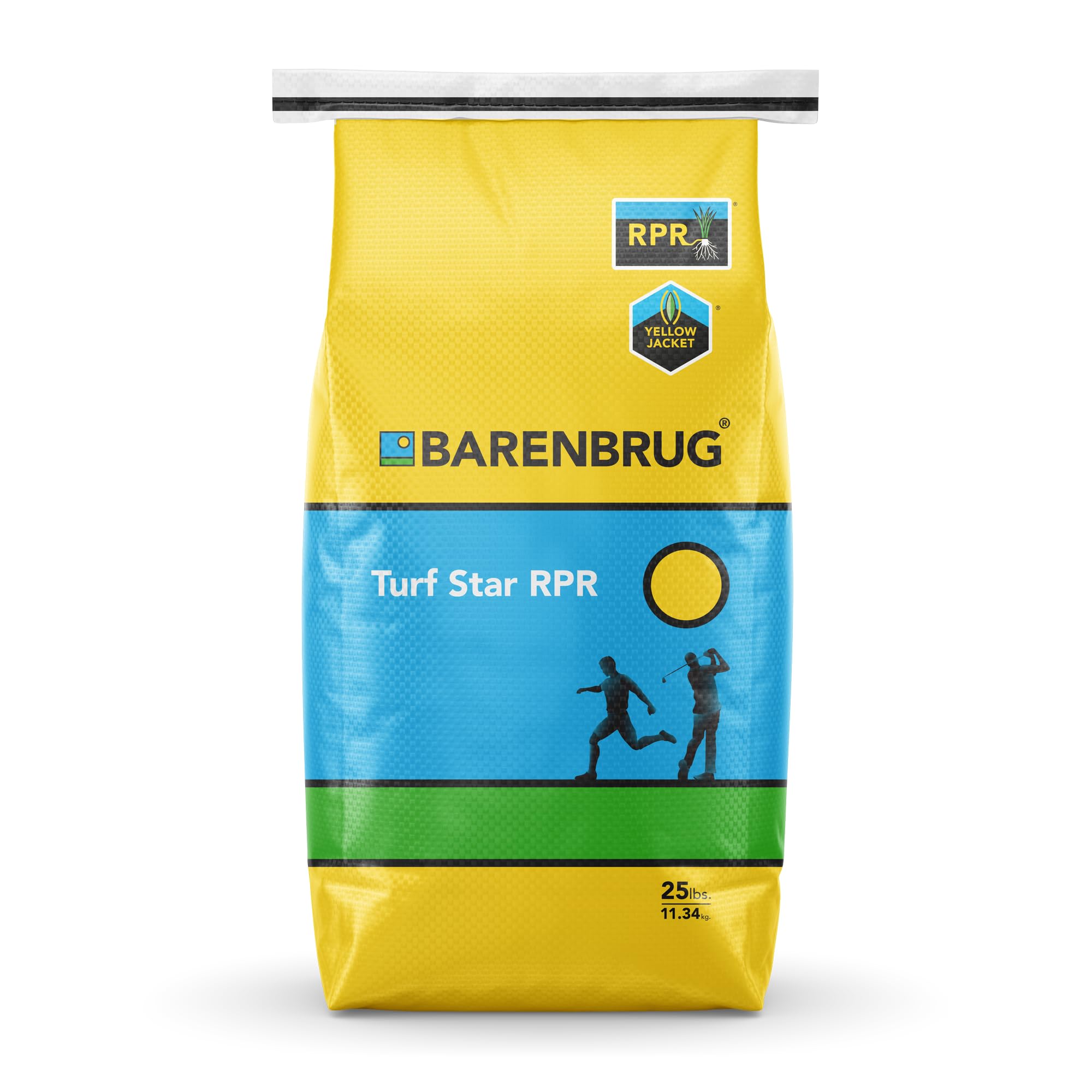
Barenbrug’s RPR (Regenerating Perennial Ryegrass) technology is the standout feature here — the grass spreads via rhizomes to repair thin spots without needing to reseed. On clay soil under full sun, this regenerative capability is critical because bare patches that form from crust stress fill in naturally rather than turning into weed nursery beds. The 25-pound bag gives you substantial coverage for a full-yard renovation on heavy ground.
Reviews specifically call out success on new-construction clay yards where other seeds failed. The Yellow Jacket coating holds moisture against the seed even when the clay surface dries quickly between waterings. One reviewer reported their lawn bounced back after chemical burn, with noticeable thickening in three weeks — a sign that the RPR tillers were already spreading.
A small number of reports mention crabgrass contamination, which likely reflects the bag’s handling rather than the seed genetics. Pair this with a pre-emergent crabgrass preventer during establishment. The price per pound is higher, but the regenerative ability reduces long-term reseeding cost on tough clay sites.
Why it’s great
- RPR technology fills bare spots without reseeding
- Yellow Jacket coating beats clay crust germination issues
- Proven on new-construction clay with high heat exposure
Good to know
- Some bags reported weed seed contaminants
- Premium price per pound compared to bulk blends
2. Lesco All-Pro Transition Tall Fescue Blend
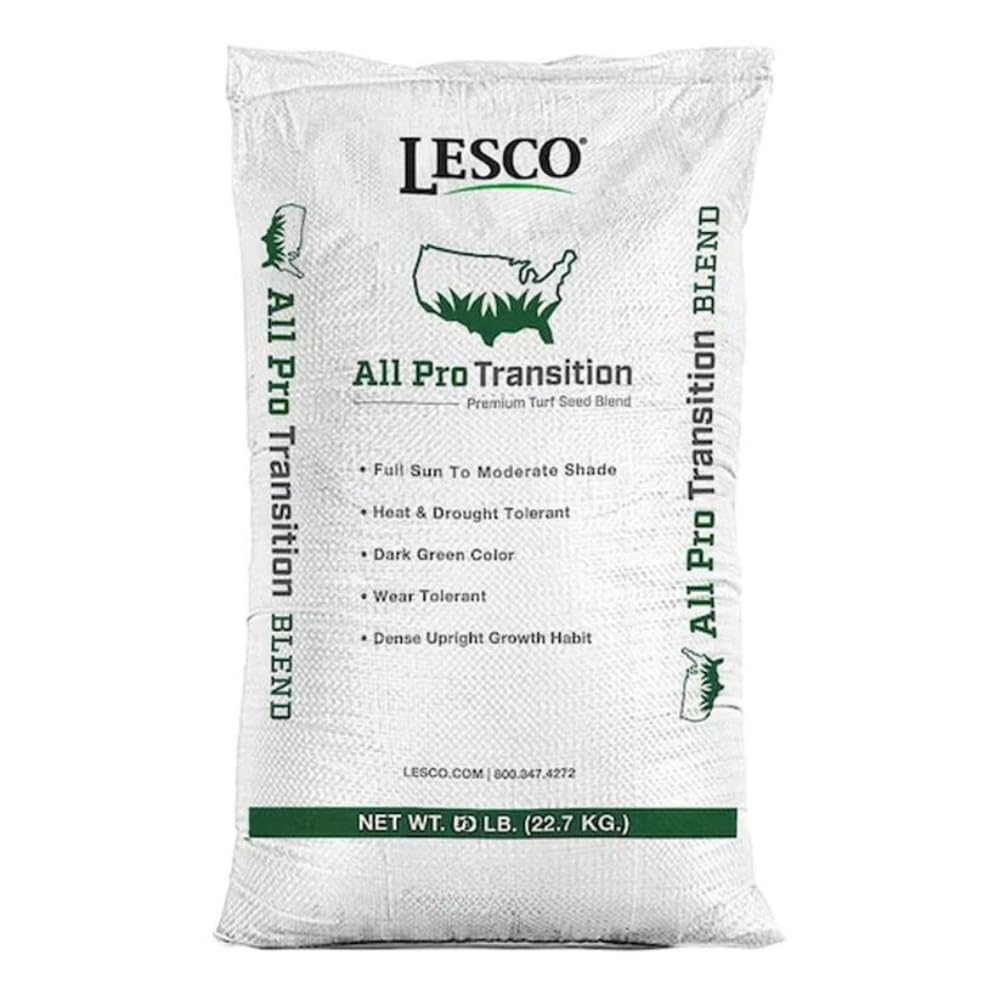
Lesco formulated this specifically for the transition zone — those hot-summer, cold-winter regions where clay soil dominates and sun exposure is brutal. As a tall fescue blend, its root system pushes well past 24 inches, punching through compacted clay to find moisture deep below the baked crust. The endophyte enhancement provides natural resistance to chinch bugs and sod webworms, two pests that attack stressed grass on hot clay.
User reports confirm germination within one week and a clean seed mix with no weed filler. Multiple customers mention switching from Scotts to Lesco because they saw faster fill-in on heavy clay with less disease pressure. The “All-Pro” name reflects the density — reviewers describe the lawn as cushiony underfoot, which tells you the tiller count per square foot is high.
It is listed as non-returnable, so order when you are confident in your soil prep. The 10-pound bag is ideal for medium-sized projects — you will need about 4 pounds per 1,000 square feet for overseeding on clay, since the surface requires slightly higher seeding density to compensate for crust-related germination loss.
Why it’s great
- Endophyte-enhanced for insect and heat stress tolerance
- Deep tall fescue root system penetrates compacted clay
- Clean seed with no weeds reported in verified reviews
Good to know
- Non-returnable — final sale on all grass seed
- 10-lb bag is small for full-lawn new seeding
3. Mountain View Seeds Natures Own Sun & Shade Mix
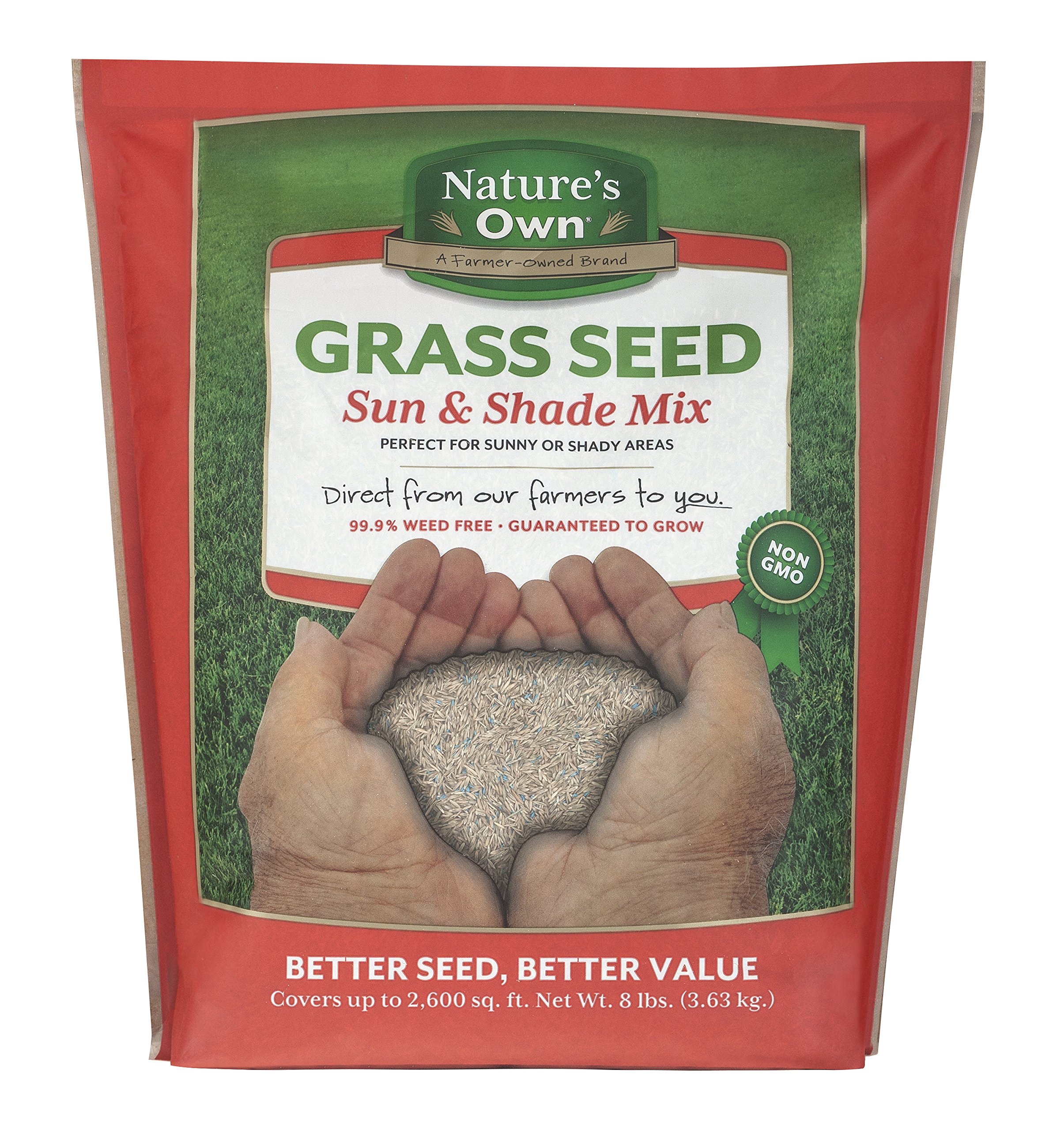
The WaterGardQS coating on this Mountain View blend is not marketing fluff — it is a polymer-based treatment that holds moisture against the seed hull, giving it a survival window when the clay surface dries out between your watering sessions. This matters enormously for full-sun clay, where the top quarter-inch can go from wet to bone-dry in under two hours. The blend itself combines perennial ryegrass, fine fescue, and Kentucky bluegrass, giving you a finer blade texture than straight tall fescue.
Several verified reviews highlight growth at 95°F to 102°F — temperatures that typically halt cool-season grass germination. One user reported visible seedlings at six days and a thick stand by day eight, even on untreated dead spots. The fine fescue in the mix handles the lower-moisture pockets of clay, while bluegrass fills in density.
On the downside, the 8-pound bag size means you will need multiple bags for anything beyond small patch repair. The blend is not endophyte-enhanced, so insect pressure could be higher on stressed clay than with Lesco or Barenbrug. Still, for pure heat tolerance and coating technology, this is the best option for extreme sun zones.
Why it’s great
- WaterGardQS coating prevents seed death on drying clay
- Proven to germinate in 95-102°F ambient heat
- Fine-bladed texture gives a premium lawn look
Good to know
- No endophyte enhancement for insect resistance
- Small bag size drives up cost per square foot
4. Scotts Kentucky 31 Grass Seed Mix

Scotts Kentucky 31 has been a go-to for clay soil for decades because tall fescue is naturally adapted to the soil’s density and the sun’s intensity. This particular mix layers Kentucky 31 tall fescue with annual ryegrass for fast initial cover and premium tall fescue for long-term density. The 20-pound bag covers up to 5,000 square feet for overseeding — one of the best cost-per-foot options when you need to cover a full acreage.
Real-world reviews confirm results on bare clay pathways that had failed with other brands for years. A user in Northern Virginia turned a 40-foot bare strip into a lush carpet within weeks. The grass shows strong heat and drought tolerance once established, and the annual ryegrass component gives you visual green within 5 to 7 days — helpful for impatient homeowners wanting immediate soil erosion control on clay slopes.
Some complaints center on the coating weight — one user estimated half the bag weight is inert coating. That is typical for Scotts and reduces the actual seed count per pound. Plan for a higher seeding rate to compensate: use 6 to 8 pounds per 1,000 square feet for new lawns on clay rather than the label’s recommendation.
Why it’s great
- Large 20-lb bag delivers exceptional coverage value
- Annual ryegrass component provides fast green cover on bare clay
- Proven track record on failed clay spots
Good to know
- Coating reduces actual seed content significantly
- Requires higher seeding rate on dense clay
5. Jonathan Green Black Beauty Sun & Shade

Jonathan Green’s Black Beauty line is built around four cool-season grass families: turf-type tall fescue, Kentucky bluegrass, perennial ryegrass, and fine fescue. For clay soil in full sun, the turf-type tall fescue and fine fescue components do the heavy lifting — tall fescue punches through clay with deep roots, while fine fescue tolerates the low-fertility patches common in heavy soil. The Kentucky bluegrass adds the dark-green color this line is known for.
One reviewer in central Illinois reported that Black Beauty survived a drought that killed neighboring lawns, crediting the deep root mass. Another noted that seeded bare spots filled in within weeks when kept watered 3 times daily with peat moss covering. The 7-pound bag covers up to 2,625 square feet for new lawns, which is generous compared to other brands’ 7-pound coverage claims.
A small portion of users reported an undesirable light-colored, wide-bladed grass appearing in the second spring — likely a ryegrass variety that segregated from the blend. This can happen with multi-family blends if soil conditions favor one grass over others. If you want a uniform monoculture look, stick to single-species tall fescue products instead.
Why it’s great
- Four grass families adapt to variable clay conditions
- Dark-green color rated highly by users
- Proven drought survival on heavy soil
Good to know
- Multi-family blend can segregate over time
- Some reports of undesirable ryegrass variation
6. GreenView Pure Grass Seed Turf Type Tall Fescue Sun & Shade

GreenView’s turf-type tall fescue is a single-species blend with no filler and no annual ryegrass — just pure tall fescue seed that tests at 99.9% weed-free. For clay soil in full sun, this is a precision tool: tall fescue’s root system is the best match for compacted ground, and the lack of filler means every pound you spread is viable seed. The 7-pound bag covers 875 square feet for new lawns or 1,750 square feet for overseeding.
Customers consistently highlight the absence of weed seeds — one reviewer explicitly said “no waste fillers, just pure grass seed.” The drought and heat resistance after establishment is excellent because tall fescue naturally goes dormant during severe drought rather than dying. Germination falls within the 10- to 14-day window common for tall fescue, which is slightly slower than ryegrass but produces a deeper-rooted plant.
Because it is a pure tall fescue product, the texture is medium-to-coarse — not as fine as blends containing bluegrass or fine fescue. If you want a manicured, carpet-like lawn, this may look too agricultural. But for tough clay with intense sun, texture is secondary to survival.
Why it’s great
- 100% pure tall fescue — no fillers or annual grass
- 99.9% weed-free verified by users
- Deep root system ideal for compacted clay
Good to know
- Medium-coarse texture not suitable for fine-blade preferences
- Germination slower than ryegrass blends
7. GreenView Pure Grass Seed Perennial Ryegrass Blend

This GreenView blend is pure perennial ryegrass — no tall fescue, no fillers. Perennial ryegrass germinates in 7 to 12 days, noticeably faster than tall fescue, and produces a fine-textured, dark-green blade. For overseeding a tired clay lawn in early spring or fall, this gives you a fast cosmetic improvement. The 7-pound bag covers up to 3,500 square feet for overseeding, which is excellent coverage because ryegrass seed is smaller than tall fescue.
Reviews highlight that this ryegrass outperformed Scott’s and other brands in side-by-side comparisons, with one user seeing visible growth after just one day. The color is a rich dark green, and users describe the texture as soft and fine — a good contrast to the coarser tall fescue options on this list. For clay soil, ryegrass works best as a temporary nurse crop or for quick spots where you need erosion control on a slope.
Ryegrass roots are shallow — rarely exceeding 12 inches — so on clay soil under full sun, this grass will require consistent irrigation through summer. It is not drought-tolerant like tall fescue. Use this for quick results and plan to overseed with tall fescue in the following season for a permanent, deep-rooted lawn.
Why it’s great
- Fastest germination in this guide — 7 to 12 days
- Fine, dark-green blade for premium appearance
- Excellent coverage at 3,500 sq ft per bag
Good to know
- Shallow roots struggle on clay in full summer heat
- Requires consistent watering through dry periods
FAQ
Can I plant tall fescue in pure clay without amending the soil?
Should I use annual ryegrass as a nurse crop on full-sun clay?
What is the best time of year to seed clay soil in full sun?
Why does my clay lawn develop bare patches every summer even with full sun grass seed?
Final Thoughts: The Verdict
For most users, the best grass seed for clay soil and full sun winner is the Barenbrug Turf Star RPR because its regenerative technology solves the fundamental clay problem — bare spots reappear every summer, and this seed fills them without yearly reseeding. If you want deep-rooted, endophyte-enhanced insect resistance, grab the Lesco All-Pro Transition Tall Fescue. And for the lowest cost per square foot on a large clay yard, nothing beats the Scotts Kentucky 31 Mix — just plan for a higher seeding rate to account for the coating weight.