
The trail you love can turn against you when glare blinds a switchback or a low branch sends your glasses flying. A proper pair locks out UV at altitude, stays planted through a sweat-drenched climb, and handles the transition from shaded forest to exposed ridge without forcing a lens swap. That is the difference between a good hike and one spent squinting, wiping, and adjusting.
I’m Mohammad Maruf — the founder and writer behind Drink4Good. I spend my research time parsing optical specs, lens coatings, frame geometry, and real-world user reports to find which models actually hold up when the terrain gets technical.
Whether you need wrap-around coverage, photochromic adaptability, or ballistic-level impact resistance, the right pair is out there. This guide breaks down the seven best contenders to help you find your next pair of glasses for hiking.
How To Choose The Best Glasses For Hiking
The wrong pair turns a beautiful summit into a frustrating battle with fog, glare, or a loose frame. Focus on a few critical specs and the choice narrows fast.
Lens Technology and Light Management
Polarized lenses cut reflected glare from water, snow, and wet rocks — essential for alpine streams and lake-side trails. Photochromic lenses automatically adjust tint as you move from full sun to deep canopy, eliminating the need to carry a spare lens. Fixed tints work well if you hike primarily in one light condition, but variable-light trails demand adaptability. Look for a Visible Light Transmission (VLT) range that covers at least 12% to 50% if you choose photochromic.
Frame Fit and Retention
A frame that slides down your nose mid-stride is a safety hazard on rocky terrain. Wraparound designs block peripheral wind and dust while providing a secure grip. Rubberized temple tips and an adjustable nose bridge keep the frame locked in place even when sweat pours. For high-exertion hikes, look for a frame weight under 30 grams and temple grip features.
Impact Resistance and Coverage
Trail debris, low branches, and accidental drops demand lenses that won’t shatter on impact. Polycarbonate lenses offer the best impact-to-weight ratio for hiking. Full-frame or semi-rimless designs add structural rigidity. Ballistic-rated models (like those meeting MIL-PRF-32432 or ANSI Z87.1 standards) provide an extra safety margin for technical scrambles or bushwhacking.
Quick Comparison
On smaller screens, swipe sideways to see the full table.
| Model | Category | Best For | Key Spec | Amazon |
|---|---|---|---|---|
| STNGR Alpine | Premium | Tactical & high-wind trails | Ballistic polycarbonate lenses | Amazon |
| Julbo Camino Glacier | Premium | High-altitude & snow glare | Removable side shields | Amazon |
| Crit Sport (Tifosi) | Mid-Range | Multi-sport lens swapping | Interchangeable lenses | Amazon |
| Columbia Utilizer Wrap | Mid-Range | All-day casual trail wear | Lightweight wrap frame | Amazon |
| KAPVOE K76 | Mid-Range | Transition from dawn to dusk | Photochromic lenses | Amazon |
| Tifosi Vogel SL | Budget-Friendly | Running & high-sweat activities | Frameless, lightweight design | Amazon |
| Knockaround Mai Tais | Budget-Friendly | Everyday casual hikes | Polarized UV400 protection | Amazon |
In‑Depth Reviews
1. STNGR Alpine Unbreakable Tactical Ballistic Outdoor & Shooting Sunglasses

The STNGR Alpine is built to survive the worst the trail can throw at it. Its ballistic-grade polycarbonate lenses meet impact standards that typical sport glasses skip, which makes a real difference when you’re pushing through overgrown singletrack or dealing with loose rock debris. The wraparound design seals out wind and dust effectively — reviewers noted it kept 99% of dust out during windy bike rides at 40-50 km/h.
Lens clarity is excellent across bright sun and low-light conditions, though it is not recommended for night use. The frame feels well-built and lightweight despite its tactical appearance, and the mirror coating is applied evenly without distortion. Some users noted minor blind spots in the peripheral field when checking traffic, but for forward-focused hiking this is rarely an issue.
For hikers who also scramble, fish, or shoot, this is the most versatile single-frame solution on the list. The durable construction means you won’t need to baby them in your pack — just wipe and go.
Why it’s great
- Ballistic-rated impact resistance for technical terrain
- Excellent dust and wind seal from wrap design
- Lightweight frame with durable mirror coating
Good to know
- Peripheral vision has slight blind spots
- Not ideal for nighttime wear
2. Julbo Camino Glacier Sunglasses w/Removable Side Shields

The Julbo Camino Glacier is purpose-built for high-elevation exposure where standard sunglasses let punishing light leak in from the sides. The removable side shields block intense sunlight at altitude, along with wind and debris, without feeling bulky. The Spectron 3 lens delivers 13% VLT, blocking 87% of visible light — perfect for partly cloudy to full-sun conditions above tree line.
The fit is generous, accommodating wider face shapes comfortably. Reviewers with large heads praised the secure hold and noted the side shields were barely noticeable once on. The plastic frame keeps weight down to just 0.1 pounds, which matters when every gram counts on a multi-day trek. Julbo backs this with a lifetime warranty, reflecting a heritage dating back to 1888.
For mountaineers and high-altitude hikers, the Camino Glacier is a specialized tool that outperforms general-purpose sunglasses in glare-heavy, windy conditions. The trade-off is a fixed tint — you cannot swap lenses for lower light, so it works best when you know the sun will be out.
Why it’s great
- Removable side shields block altitude glare and wind
- Ultra-lightweight at 0.1 pounds
- Lifetime warranty from a heritage brand
Good to know
- Fixed Spectron 3 tint not ideal for low-light trails
- Shipping packaging can be minimal
3. Crit Sport Sunglasses by Tifosi

The Crit Sport from Tifosi is designed for athletes who need one frame to handle multiple conditions. The interchangeable lens system lets you swap between dark tint for exposed ridges and lighter tints for dense forest or overcast days. The frameless bottom design reduces weight and improves downward visibility — useful when scanning trail obstacles mid-stride.
The adjustable nose piece and rubberized temple tips keep the glasses secure during high-exertion activities. Reviewers on mountain bikes and gravel rides praised the dark tint’s performance in full sun, though some noted the photochromic version does not go fully clear in low light. Small vents on the frame help reduce fogging during climbs.
For hikers who also bike, run, or play racket sports, the Crit Sport eliminates the need for separate eyewear. The included storage bag prevents scratches when not in use.
Why it’s great
- Quick lens swaps for changing trail conditions
- Frameless bottom improves downward trail visibility
- Adjustable nose piece prevents slipping
Good to know
- Photochromic version doesn’t go fully clear
- Anti-fog coating is marginal in humid conditions
4. Columbia Utilizer Wrap Sunglasses
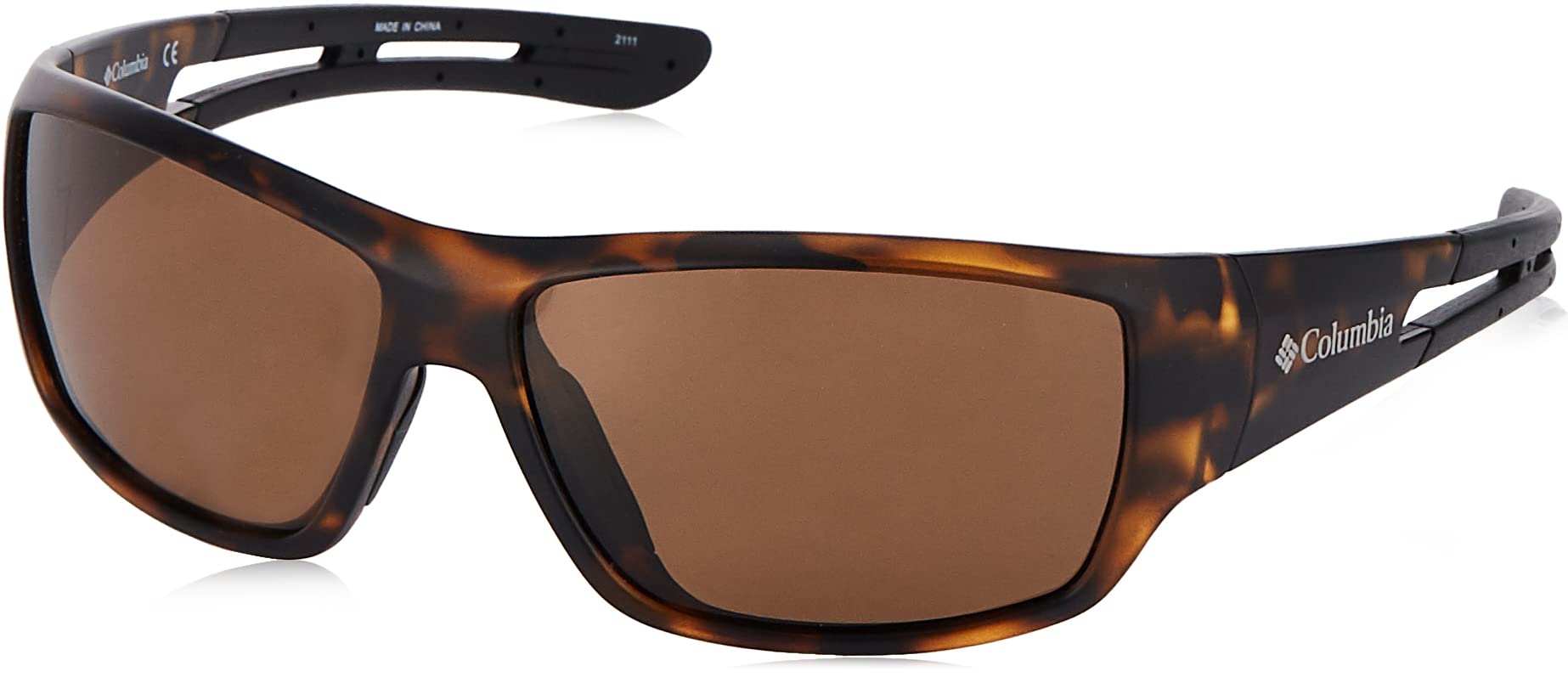
Columbia’s Utilizer Wrap delivers a polarized experience at a mid-range price point without compromising on comfort. The wrap frame provides solid coverage against peripheral light and wind, while the lightweight construction makes them easy to wear for a full day on the trail. The brown tint offers good contrast in variable light, and the lenses block UV effectively.
Reviewers consistently praised the comfort and fit, noting they work well for post-cataract light sensitivity and all-day wear. The polarized lenses reduce glare from water and wet rock effectively. The main durability concern is lens scratching — several users reported scratches accumulating faster than expected, so a microfiber pouch is recommended for storage.
For hikers who prioritize comfort and style over tactical features, the Columbia Utilizer is a reliable everyday pair that transitions easily from trail to town. The clean, modern look appeals to those who want performance without a sporty aesthetic.
Why it’s great
- Extremely comfortable for all-day wear
- Polarized lenses reduce trail glare effectively
- Lightweight wrap design blocks peripheral light
Good to know
- Lenses scratch easier than some competitors
- Brown tint is less dark than ideal for full sun
5. KAPVOE Photochromic Cycling Glasses K76
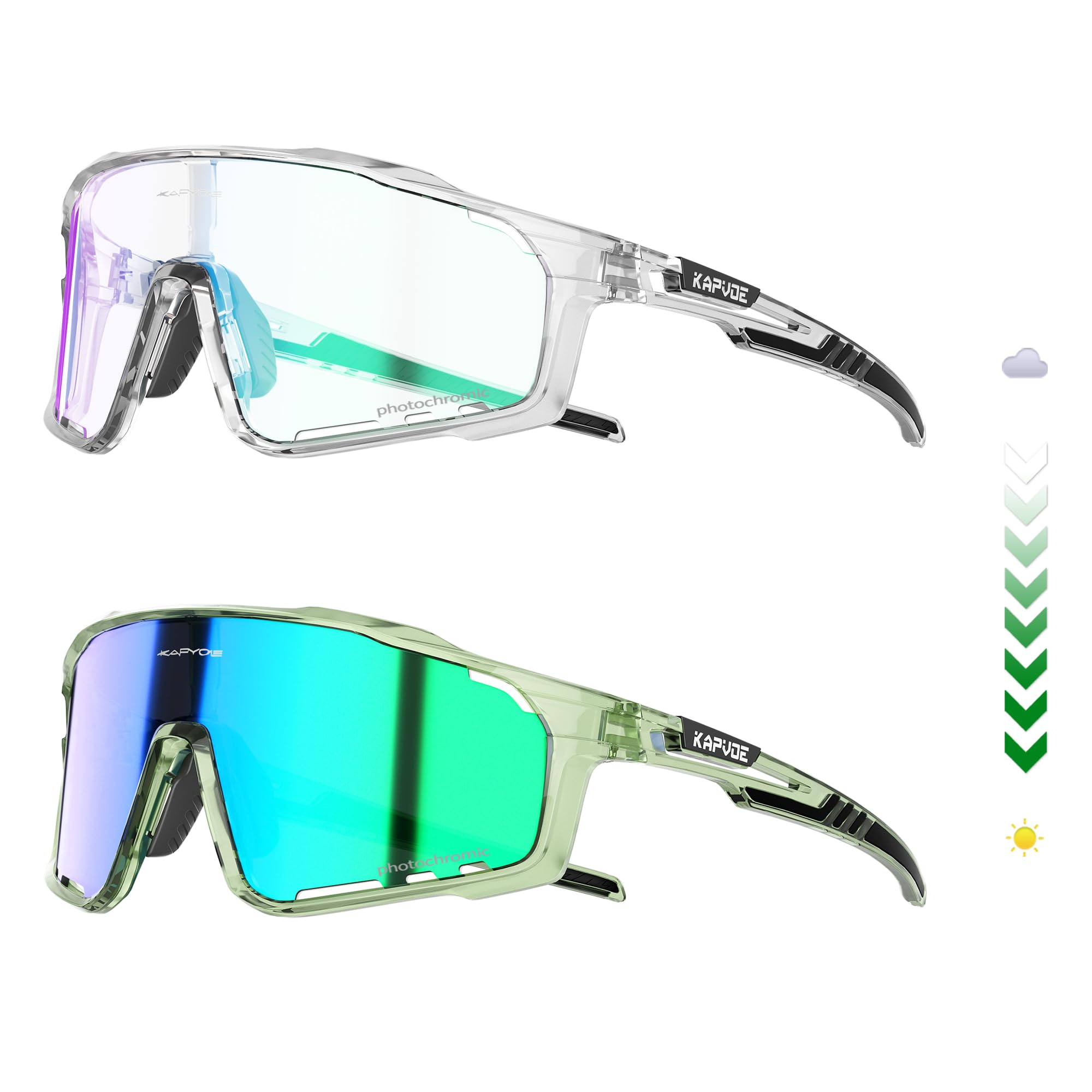
The KAPVOE K76 brings photochromic adaptability to a mid-range price point, automatically adjusting tint as you move from shaded forest to open ridge. The transition works smoothly — reviewers noted it is excellent for night riding and variable lighting. The full-frame design provides solid structural integrity, and the HD clarity is genuinely impressive for the cost.
A few users noted the photochromic effect does not go fully clear indoors, maintaining a slight base tint even in low light. This is a common trait among budget-friendly photochromic lenses, but something to be aware of if you plan to wear them into the evening. The fit is generous, with good width but a tall lens height that may not suit all face shapes.
For hikers who move through dramatically different light environments — from dense canopy to exposed alpine — the KAPVOE K76 offers genuine versatility without carrying spare lenses. The included hard case and cleaning cloth add value.
Why it’s great
- Photochromic lenses adapt to changing trail light
- Excellent HD lens clarity for the price
- Sturdy full-frame build with included hard case
Good to know
- Base tint remains in low light (not fully clear)
- Tall lens shape may not fit all face sizes
6. Tifosi Vogel SL Sport Sunglasses
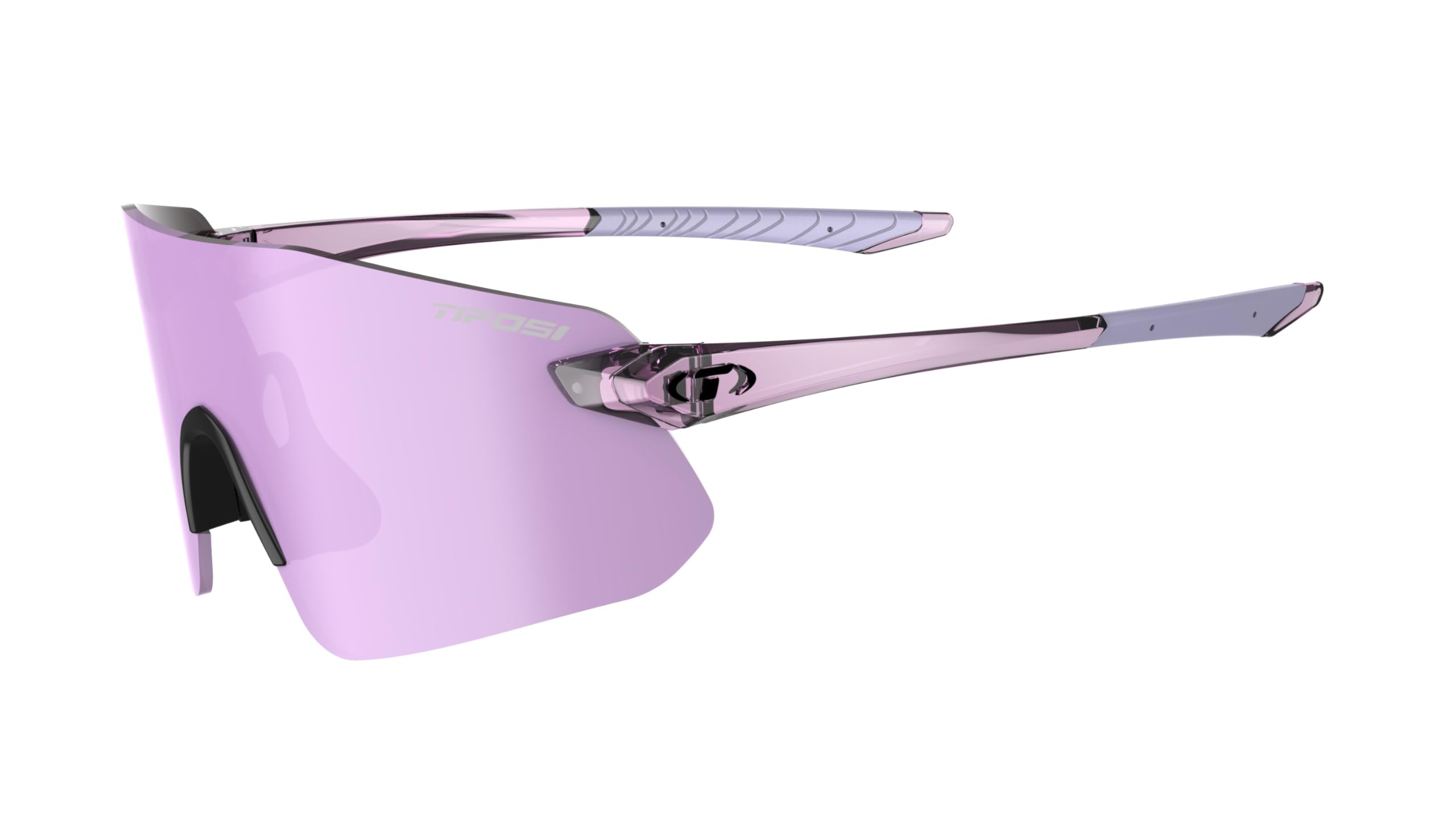
The Tifosi Vogel SL is a frameless design that prioritizes weight savings and unobstructed vision. The large lenses block UV, wind, and dust effectively while the minimalist frame keeps weight to a minimum — a critical factor for runners and fast-packers who feel every gram. Reviewers reported no slipping even during sweaty road cycling sessions.
The lavender tint option provides decent versatility across varied light conditions, though it is not as dark as dedicated full-sun lenses. Durability is a trade-off at this price point: the mirror coating and lenses showed wear after roughly 500 hours of use according to one long-term reviewer. However, the low entry cost makes replacement painless.
For budget-conscious hikers who want sport-specific features without the premium price, the Vogel SL delivers excellent coverage and a secure fit. The frameless look also appeals to those who dislike bulky frames.
Why it’s great
- Ultra-lightweight frameless design for fast-paced hiking
- Large lenses block wind and dust effectively
- Stays secure during high-sweat activities
Good to know
- Lens coating shows wear after extended use
- Tint is not dark enough for full alpine sun
7. Knockaround Mai Tais Polarized Sunglasses
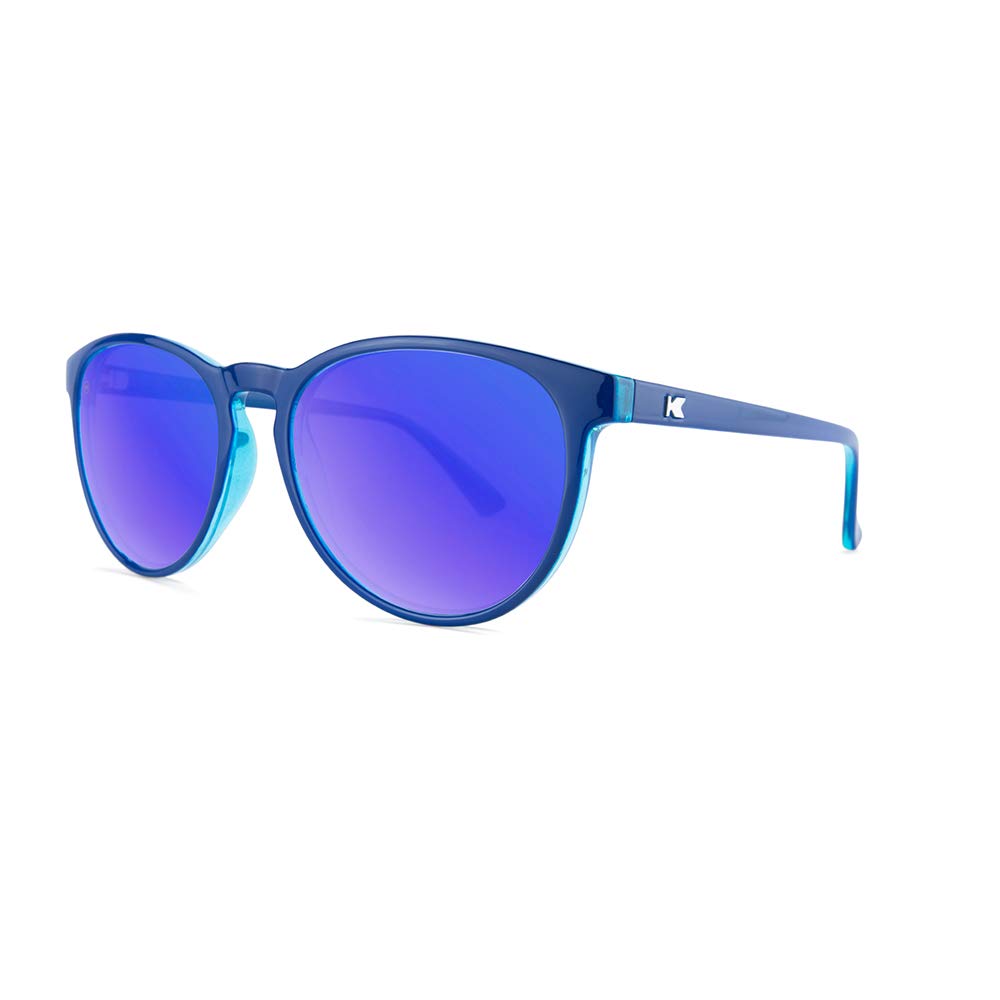
The Knockaround Mai Tais are the entry-level pick that proves you do not need to spend heavily for solid UV400 protection and polarization. The oversized frame is flattering on rounder face shapes, and the glossy tortoise shell finish offers a classic aesthetic that works on the trail and in town. The polarization is effective enough for fishing with dad — a testament to its glare-cutting ability on water.
The main compromise is in frame rigidity: the arms are noticeably flimsier than mid-range and premium options. Reviewers noted that the case saved the glasses from shipping damage, which suggests careful handling is needed. For the price, they are excellent as a backup pair or for casual day hikes where you are not bushwhacking or dealing with extreme conditions.
For hikers who want a stylish, polarized option that is easy to replace if lost or scratched, the Mai Tais are a practical choice. Just pack them carefully and avoid high-impact activities where a ballistic frame would be safer.
Why it’s great
- Solid UV400 and polarization at a low entry point
- Classic oversized style suits casual trail wear
- Lightweight frame for all-day comfort
Good to know
- Arms are less durable than sport-specific frames
- No impact rating for technical terrain
FAQ
Are polarized lenses good for hiking on all trails?
What VLT percentage should I look for in hiking glasses?
How do I stop my hiking glasses from fogging up?
Are expensive hiking glasses worth the higher cost?
Final Thoughts: The Verdict
For most users, the glasses for hiking winner is the STNGR Alpine because it combines ballistic-grade impact resistance with lightweight comfort and excellent dust sealing. If you want removable side shields for high-altitude glare protection, grab the Julbo Camino Glacier. And for budget-friendly polarization that still does the job on casual trails, nothing beats the Knockaround Mai Tais.