
Growing your own fruit at home starts with one simple decision: choosing the right tree for your space and climate. The difference between a thriving harvest and a disappointing season often comes down to selecting varieties that match your growing zone, available light, and whether you plan to keep them in containers or in the ground.
I’m Mohammad Maruf — the founder and writer behind Drink4Good. I spend my time analyzing plant hardiness data, grower feedback, and real-world performance reports to separate the specimens that truly earn their place in a home garden from those that just look good in a product photo.
Whether you’re planning a patio orchard or a backyard row, this guide covers the top contenders. I’ve combed through grower reports and customer experiences to identify the best fruit trees to grow for reliable yields, manageable size, and real-world hardiness across multiple USDA zones.
How To Choose The Best Fruit Trees To Grow
Selecting the right fruit tree for your garden requires more than just picking a fruit you enjoy eating. The tree’s mature size, pollination requirements, and cold tolerance will determine whether it thrives or struggles in your specific yard or patio environment.
Match Your USDA Hardiness Zone
Every fruit tree has a defined range of winter temperatures it can survive. A tree rated for zone 5 will handle freezes down to -20°F, while a zone 8 tree may suffer damage below 10°F. Check your local zone before ordering — this single spec dictates whether your tree lives through its first winter.
Self-Pollinating vs. Cross-Pollinating Varieties
Many fruit trees require a second tree of a different variety nearby to set fruit. This is a dealbreaker for small spaces. Self-pollinating varieties — like figs, Meyer lemons, and pomegranates — produce fruit alone, making them ideal for solo container trees or tight garden beds.
Container Compatibility and Mature Height
Dwarf rootstocks keep trees under 10 feet tall and allow them to thrive in large pots. Standard trees can reach 20 feet or more, which requires in-ground planting and significant space. If you plan to move your tree indoors during cold snaps, a compact dwarf variety is your only practical option.
Quick Comparison
On smaller screens, swipe sideways to see the full table.
| Model | Category | Best For | Key Spec | Amazon |
|---|---|---|---|---|
| Meyer Lemon Tree (Garden State Bulb) | Citrus | Indoor/Patio container growing | 1-gallon pot, flowers/fruit at shipping | Amazon |
| Fig Chicago Hardy (Easy to Grow) | Fig | Cold climate containers | Cold hardy to zone 5 | Amazon |
| Russian Pomegranate | Pomegranate | Drought-tolerant outdoor gardens | Self-pollinating, 10 ft mature height | Amazon |
| Meyer Lemon Tree (Hirt’s Gardens) | Citrus | Indoor citrus: sweetest lemon variety | 5-inch pot, cannot ship to citrus states | Amazon |
| Fig Chicago Hardy (Fam Plants 4-pack) | Fig | Multi-plant hedgerow | 4 starter plugs, cold hardy to -10°F | Amazon |
| Olive Tree Arbequina (4-pack) | Olive | Low-maintenance ornamental fruit | 4 plants, compact 20 ft height | Amazon |
| Mulberry Dwarf Everbearing | Mulberry | Budget-friendly fast fruiting | 4 rooted plants, zones 7-10 | Amazon |
In‑Depth Reviews
1. Meyer Lemon Tree (Garden State Bulb)

This Meyer Lemon tree arrived in a full 1-gallon container with branches already loaded with deep green leaves and, in many cases, developing fruit. Multiple verified buyers reported receiving trees with 2 to 6 lemons already growing, which skips years of waiting commonly associated with citrus from seed. The plant ships with a temperature-controlled guarantee, and Garden State Bulb offers a 1-year limited warranty if the tree fails to establish.
Mature height tops out around 8 to 10 feet, making it manageable for a large patio container or indoor placement near a bright window. It is self-pollinating, so a single tree will produce fruit. The variety is winter hardy outdoors only in zones 8 through 11; outside those zones, you need to bring it indoors before frost. The root system was well-developed in the grower pot, reducing transplant shock compared to bare-root alternatives.
One consistent feedback point: the tree may shed leaves after moving indoors or during a bloom cycle, but strong sunlight and consistent moisture usually bring it back. Growers who placed it in direct sun and watered moderately saw vigorous regrowth within weeks. For anyone who wants a fruit tree that feels like an instant garden center specimen rather than a twig, this delivers.
Why it’s great
- Arrives with established branches and often with fruit already forming
- Self-pollinating: one tree is all you need for lemons
- 1-year limited warranty provides peace of mind for first-time growers
Good to know
- Cannot ship to Arizona, California, Florida, Hawaii, Louisiana, Texas, or US Virgin Islands due to USDA citrus restrictions
- Indoor overwintering requires a very bright window or supplemental grow light
2. Fig Chicago Hardy (Easy to Grow) – 2-Pack

The Chicago Hardy fig is widely regarded as the most cold-tolerant fig variety available, and this 2-pack ships as starter trees in 4-inch pots. The plants are typically 6 to 8 inches tall including the pot, so they start small, but the genetics are proven to survive winter temperatures down to zone 5 with proper protection. Growers in colder northern states reported that the trees died back to the ground over winter and then regrew vigorously from the roots the following spring.
These figs are self-pollinating, so no second tree is required. The mature height reaches about 8 feet in-ground and 3 to 4 feet in a container. Fruiting typically begins in the second or third year. Multiple buyers who planted these in full sun with regular watering saw fruit within 18 months. The variety produces sweet, medium-sized figs that ripen in late summer through fall.
The most common criticism is that the plants arrive very small relative to the price tag. Some customers expected the lush, multi-branch tree shown in the listing photos and received a single small cutting instead. That said, the majority of buyers who nursed these through their first season reported strong growth and eventual fruit. If you have patience and need a fig that can handle real winter, this is the one.
Why it’s great
- Proven cold hardiness down to zone 5 with winter die-back recovery
- Self-pollinating and productive in containers
- American company with reliable shipping practices
Good to know
- Arrives as a very small starter plant, not the mature tree shown in some images
- Fruiting may not occur until the second or third season after planting
3. Russian Pomegranate (Perfect Plants)

This Russian Pomegranate ships as a single plant in a 1-gallon grower pot, typically standing 15 to 18 inches tall with a well-branched structure and green leaves. The variety is bred for cold hardiness and drought tolerance, making it a strong candidate for dry, warm climates like the Southwest or Southeast. Buyers in Florida and similar regions reported that the tree arrived in excellent condition and established quickly in the ground with minimal watering.
The tree is self-pollinating and produces showy orange-red flowers in mid to late spring before setting fruit. Pomegranates ripen around mid-September. The fruit is large, with a deep red rind and juice, and the tree’s compact height — approximately 10 feet at maturity — keeps harvest manageable without a ladder. The plant is also marketed as rich in antioxidants and vitamin C.
The biggest risk reported is winter die-back in marginal zones. Several growers in zone 7 saw top growth killed by frost, though the roots sometimes survived and resprouted. The seller recommends planting in a deep hole with high-quality soil to encourage deep root development before cold weather. This is not a houseplant and needs full outdoor sun. If you have a warm, dry spot and want a low-water fruit tree, this ranks high.
Why it’s great
- Drought-tolerant once established, ideal for low-water landscapes
- Self-pollinating with ornamental flowers before fruit
- Compact height for easy harvesting
Good to know
- Top die-back possible in colder winters; deep planting improves survival
- Fruiting may take 2 to 3 years after planting
4. Meyer Lemon Tree (Hirt’s Gardens) – 5″ Pot
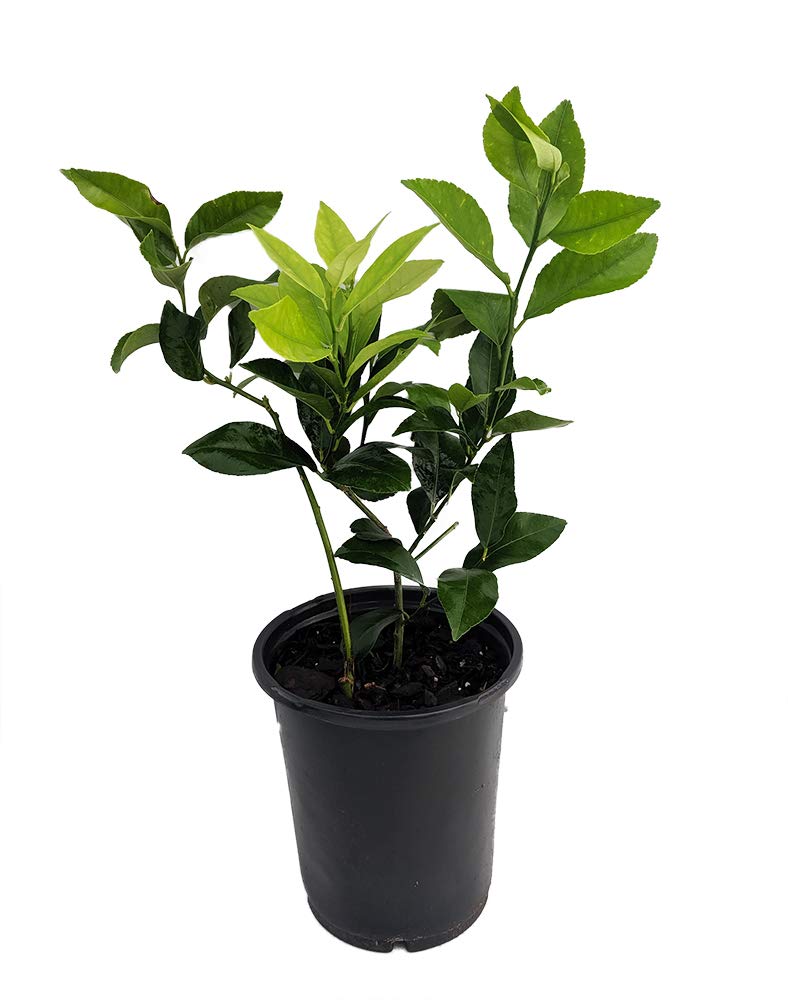
Hirt’s Gardens ships this Meyer Lemon tree in a smaller 5-inch pot, making it a more compact and affordable entry point into citrus growing. The Meyer Lemon is widely considered the sweetest lemon variety, with a thin skin and low acidity that makes it ideal for fresh eating and cooking. The tree is self-pollinating and suited to both indoor and outdoor placement as long as temperatures stay above 40°F.
Buyers consistently described the plants as healthy, well-packaged, and larger than expected for the pot size. The tree arrived with a full canopy of green leaves and a sturdy central stem. Several customers noted that it needed immediate watering after transit and benefited from repotting into a larger container with well-draining loam soil within a week. A heat pack was included in colder-weather shipments, which helped prevent leaf drop during delivery.
The most significant limitation is the USDA shipping restriction: this tree cannot be sent to Arizona, California, Florida, Hawaii, Louisiana, Texas, or US Virgin Islands. Also, some buyers reported spider mites appearing after the tree was moved indoors. Regular neem oil treatments and good air circulation resolved the issue. For anyone in an eligible state who wants a manageable, productive lemon tree for a sunny window or patio, this is a solid mid-range choice.
Why it’s great
- Produces the sweetest, least acidic lemon variety
- Compact size fits on a sunny windowsill or small patio
- Well-packaged with heat packs for cold-weather shipping
Good to know
- Cannot ship to many citrus-growing states due to USDA restrictions
- Indoor plants may require neem oil for spider mite prevention
5. Fig Chicago Hardy (Fam Plants) – 4-Pack

This 4-pack from Fam Plants delivers four rooted Chicago Hardy fig starter plugs, which are essentially bare-root starts in small jiffy pellets rather than full pots. The value proposition is clear: you get four genetically identical, self-pollinating fig plants for a single price, which allows you to hedge your bets or create a small fig hedgerow. The variety is cold hardy down to -10°F, one of the most extreme ratings available for a fruiting fig.
Customers reported mixed initial experiences based largely on how they handled the transition from plug to pot. Those who transferred the starts into a high-quality potting mix — a blend of compost, perlite, vermiculite, and coco coir was commonly recommended — and placed them under grow lights or in a greenhouse saw rapid new leaf growth. The plants are shipped in brown paper with minimal soil, so they need immediate attention once they arrive.
The most critical feedback came from buyers who expected larger, pre-established plants and instead received small dry plugs. Some reported leaf spots or dry roots, and a few plants did not survive. The majority, however, found that with proper potting and consistent moisture, the plants bounced back within weeks. This is a budget-minded option for growers who are comfortable nursing small starts and want multiple trees for the price of one.
Why it’s great
- Extreme cold hardiness down to -10°F for northern gardeners
- Four plants for a single low price, great for hedgerows or experimentation
- Self-pollinating and vigorous once established
Good to know
- Ships as small dry plugs that require immediate potting and careful watering
- Higher failure risk compared to potted plants; not ideal for beginners
6. Olive Tree Arbequina (Fam Plants) – 4-Pack

The Arbequina olive is a Spanish variety prized for its compact growth habit, silvery-green foliage, and ability to produce fruit in both large and small landscapes. This 4-pack from Fam Plants ships four rooted olive starters in small pots with moist soil. The trees are listed as organic and air-purifying, and they thrive in Mediterranean-like climates with well-drained soil and regular watering until established.
Buyers who received these plants during warmer months reported that the trees arrived with healthy green leaves and intact root systems. Several growers in southern states and the Southwest noted that the olives took off quickly after being transferred to 5-gallon buckets with organic potting soil. The Arbequina variety is known for its buttery, rich fruit flavor, suitable for curing or pressing into oil. Mature height reaches approximately 20 feet, but the trees respond well to pruning and can be kept smaller in containers.
The primary concern is the size of the starts — they are small, and a few customers experienced complete plant loss after transplanting. One buyer reported that all four trees died after being moved to pots. The challenge appears to be root establishment: young olives need careful watering (not too wet, not too dry) and a gradual transition to outdoor conditions. For experienced gardeners in warm climates, this is an excellent way to start an olive grove at a low per-plant cost.
Why it’s great
- Produces high-quality olives suitable for curing or oil pressing
- Compact growth with attractive silvery-green foliage
- Organic designation and air-purifying qualities
Good to know
- Small starter plants require careful watering and gradual hardening off
- Not cold hardy; best suited for Mediterranean or warm climates
7. Mulberry Dwarf Everbearing (Hello Organics) – 4-Pack
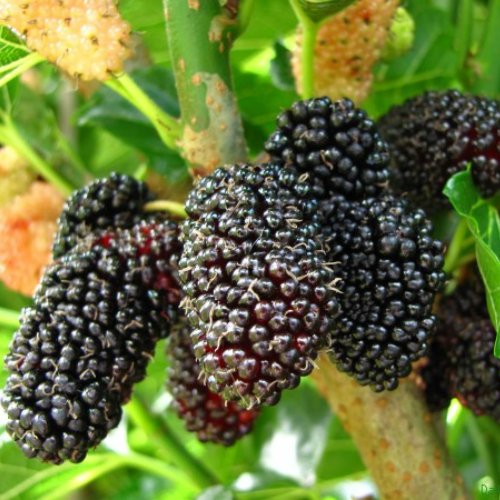
Hello Organics ships four dwarf everbearing mulberry plants as 2-inch rooted starters in tray pots. The plants stand 3 to 7 inches tall at shipment, which is genuinely small, but the variety is known for vigorous growth and early fruiting. The dwarf mulberry (Morus nigra) is self-pollinating and can produce several crops per year, sometimes even within the first growing season under ideal conditions. It thrives in zones 7 through 10 and prefers partial shade to full sun.
Buyers who potted these into 4-inch containers with organic soil like Fox Farm Happy Frog saw strong initial growth. The plants leafed out quickly after transplanting. However, multiple customers reported that the berries produced on mature plants were very small — described as “not good for picking and eating” by one reviewer. The fruit still attracts birds and wildlife, which may be fine for some growers but a disappointment if you wanted a table-ready berry.
The hardiness of these starters seems high: one buyer reported that the plants died back completely over winter but regrew from the roots in spring. The main failure point was dry soil after planting — some plants dried up and died despite following instructions. There is also a reported customer service issue with the seller not honoring replacement requests. For the price, this is an entry-level way to test mulberry growing, but expect small fruit and variable outcomes.
Why it’s great
- Dwarf variety suitable for pots and small spaces
- Self-pollinating with potential for multiple harvests per season
- Very low price for four plants
Good to know
- Fruit size can be very small, limiting fresh-eating appeal
- Shipped as tiny starters with some risk of drying out during transit
FAQ
Can I grow a Meyer lemon tree indoors year round?
How cold can a Chicago Hardy fig tree survive?
What does self-pollinating mean for fruit trees?
Final Thoughts: The Verdict
For most users, the best fruit trees to grow winner is the Meyer Lemon Tree from Garden State Bulb because it arrives as a full, established plant in a 1-gallon container, often with fruit already developing, and requires no second tree for pollination. If you want a cold-hardy fig that survives northern winters, grab the Fig Chicago Hardy 2-pack from Easy to Grow. And for a drought-tolerant, self-pollinating option with ornamental flowers, nothing beats the Russian Pomegranate from Perfect Plants.