
When your foot rolls inward too much during a stride, every squat, lunge, and walk on the gym floor compounds stress through your arch and ankle. That inward collapse—overpronation—demands a shoe with a firm medial post or a dense foam guide rail to keep your foot aligned under load. Without that targeted structure, you risk chronic shin splints, plantar fascia strain, and knee tracking issues that can bench you for weeks.
I’m Mohammad Maruf — the founder and writer behind Drink4Good. I’ve spent years analyzing biomechanical support metrics, midsole densities, and outsole geometry in the stability and motion-control shoe market to separate real corrective features from marketing foam.
Whether you’re hitting deadlifts, logging treadmill miles, or standing on the gym floor all shift, this roundup of the best gym shoes for overpronation focuses on models that provide genuine arch reinforcement and medial stability without sacrificing everyday comfort.
How To Choose The Best Gym Shoes For Overpronation
Picking the right stability shoe for the gym starts with understanding your foot’s pronation angle and the specific forces your workout places on your arch. A good gym shoe for overpronation should provide medial support, a firm heel counter, and a platform wide enough to resist torsional twisting during lateral moves.
Medial Post Density vs. Guide Rail Systems
The most critical feature is how the shoe resists inward roll. Traditional stability shoes use a dense medial post (often a dual-density foam block on the arch side) to decelerate pronation. Newer systems like Brooks’ GuideRails or New Balance’s medial TPU posts allow the foam to remain soft while a plastic frame redirects motion. For heavy gym use, a firmer post provides better control under load.
Heel Drop and Stack Height for Weight Training
A lower heel drop (4mm to 8mm) keeps your foot closer to the ground, improving stability for squats and deadlifts. Higher drops (10mm+) shift weight forward, which can aggravate overpronation by loading the forefoot. Look for a drop between 6mm and 10mm for a balanced gym experience that supports both lifting and cardio circuits.
Toe Box Volume and Arch Profile
Overpronators often have flat or collapsing arches that need room to splay. A narrow toe box can cramp the toes and worsen the rolling motion. Shoes with a wider forefoot platform and a structured arch—either through the insole or midsole shaping—help maintain natural foot alignment during dynamic movement.
Quick Comparison
On smaller screens, swipe sideways to see the full table.
| Model | Category | Best For | Key Spec | Amazon |
|---|---|---|---|---|
| Brooks Men’s Beast GTS 26 | Motion Control | Severe overpronation & heavy lifters | Firm medial post + wide 2E/4E base | Amazon |
| ASICS Men’s GT-2000 14 | Stability | Daily gym & moderate pronation | LITEFLASH foam + medial support | Amazon |
| ASICS Women’s GT-4000 4 | Stability Plus | Hiking & long walks | Dual-density foam + guidance line | Amazon |
| Hoka Arahi 7 | Stability | Recovery & long days on feet | J-Frame support + 4mm drop | Amazon |
| New Balance Fresh Foam X Vongo V6 | Stability | 12-hour shifts & wide feet | Fresh Foam X + medial TPU post | Amazon |
| Brooks Women’s Glycerin GTS 23 | Supportive Neutral | Plush comfort with guidance | GuideRails + DNA LOFT v3 foam | Amazon |
| Mizuno Wave Inspire 21 | Stability | High arch & plantar fasciitis | Wave plate + cloudwave foam | Amazon |
| Saucony Hurricane 24 | Motion Control | Injury rehab & daily wear | PWRRUN PB + wide platform | Amazon |
| Brooks Glycerin 23 | Neutral Cruiser | Long road miles & cruising | DNA TUNED + 8mm drop | Amazon |
In‑Depth Reviews
1. Brooks Men’s Beast GTS 26 Supportive Running & Walking Shoe
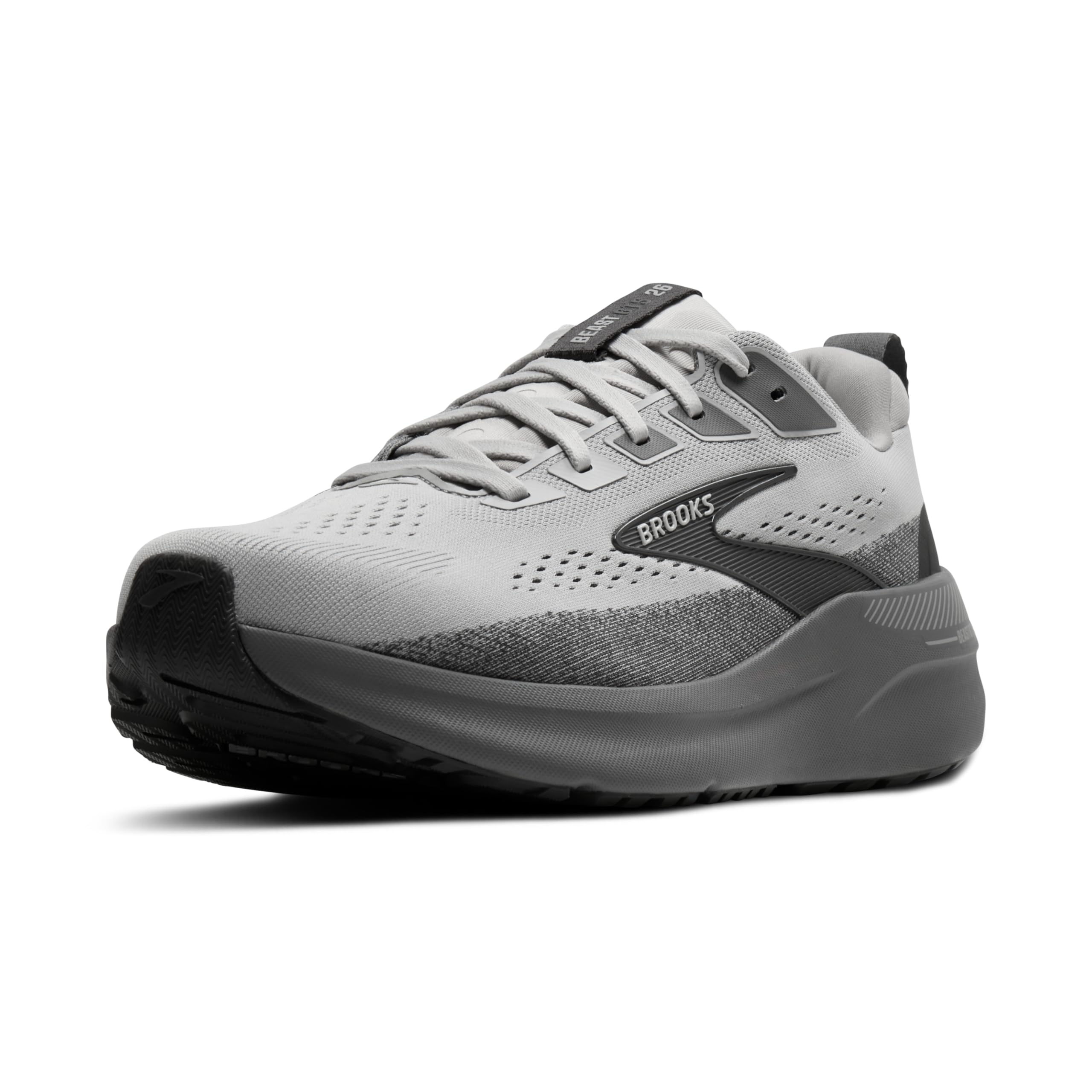
The Beast GTS 26 is the most structurally aggressive shoe in this lineup for severe overpronation. Brooks uses a full-length GuideRails system combined with a firm, non-squishy insole that doesn’t compress under heavy loads—critical for lifters over 200 pounds who need a stable platform for squats and deadlifts. The outsole flares noticeably under the forefoot, widening the contact patch to resist torsional twisting when you push off laterally.
Reviewers consistently note that the GTS 26 fits like the classic GTS 20, meaning users who have relied on Brooks’ motion-control chassis for years can trust the sizing. The padded collar and rubber toe bumper add durability for gym floor scuffs, while the anti-slip tread pattern grips rubber mats during dynamic movements. At 12.5W, the toe box offers ample splay room without sacrificing heel lockdown.
One caveat: the standard 48-inch laces may be too short for the 4E width to achieve a heel-lock tie. Swapping in 57-inch laces solves this instantly. If you have flat, wide feet and pronate severely, this is the benchmark.
Why it’s great
- Extremely stable platform with forefoot flare for lifting
- Firm midsole resists collapsing under heavy loads
- Wide width options (2E, 4E) accommodate bunions and flat feet
Good to know
- Heavy at over 1.5 lbs per shoe, not ideal for speed work
- Standard laces too short for 4E heel lock; replace with longer pair
2. Brooks Women’s Glycerin GTS 23 Supportive Running Shoe
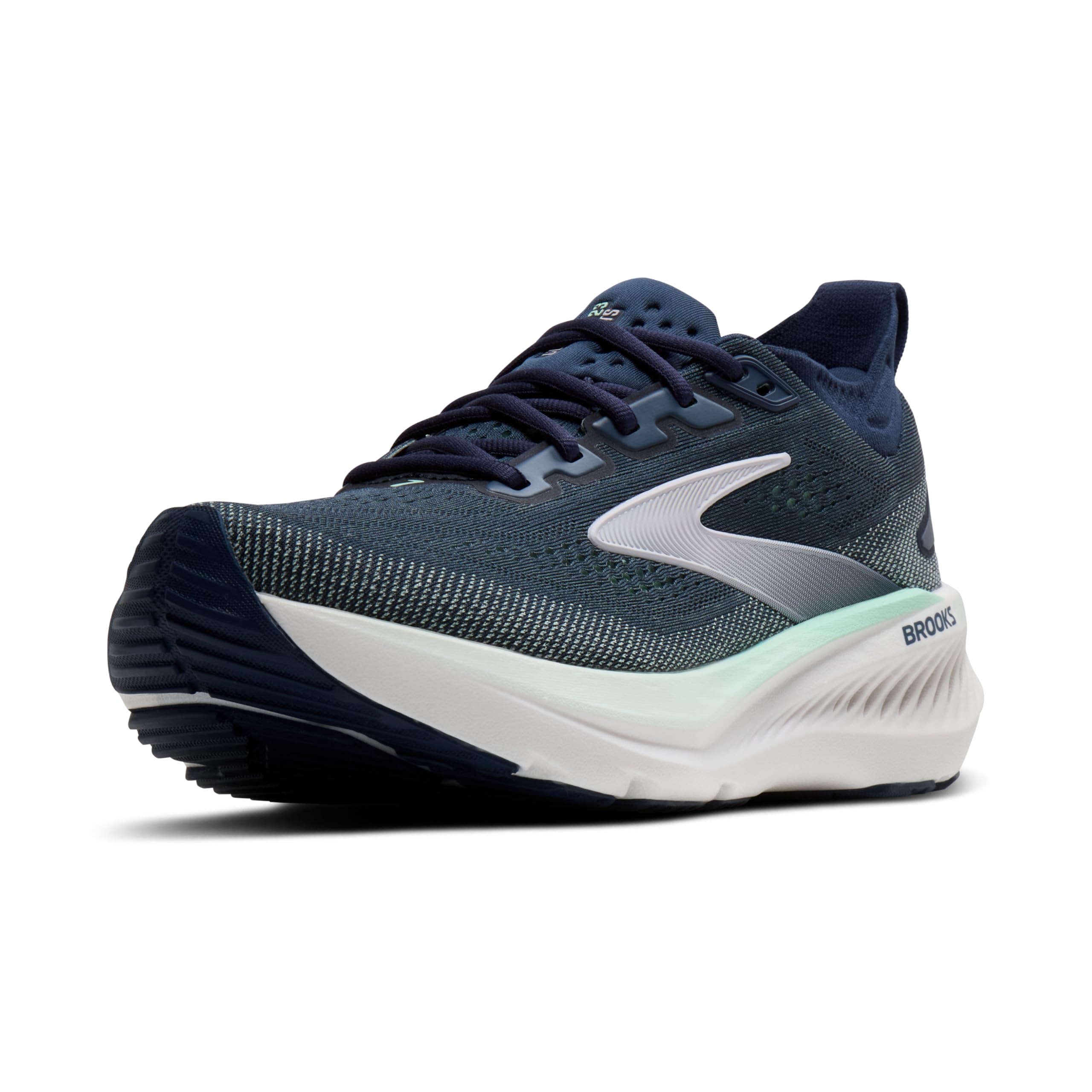
The Glycerin GTS 23 merges the plush DNA LOFT v3 cushioning of the neutral Glycerin with Brooks’ holistic GuideRails support system. Instead of a hard medial post, four rails wrap around the heel and arch to nudge your foot back into alignment when pronation starts. This makes it a top choice for women who want a soft, bouncy feel underfoot without sacrificing corrective geometry.
Users with bunions and wide feet report that the Glycerin GTS 23 fits true to size and provides excellent arch support without feeling rigid. After a 4-mile walk, one reviewer noted zero discomfort—a strong indicator that the combination of plush foam and guidance rails reduces fatigue on long gym sessions or all-day standing shifts. The knit upper breathes well, and the navy color hides dirt from gym mats.
On the downside, the soft foam may compress faster under heavier athletes, and the wide width is only offered in select colorways. For daily gym use and moderate pronation, this shoe delivers luxury-level comfort with reliable support.
Why it’s great
- Plush DNA LOFT v3 foam without sacrificing stability
- GuideRails offer subtle correction that feels natural
- Comfortable for all-day wear and long walks
Good to know
- Wide widths limited to 2E with fewer color options
- Soft foam may not suit heavy lifters seeking firm platform
3. ASICS Men’s GT-2000 14 Running Shoes
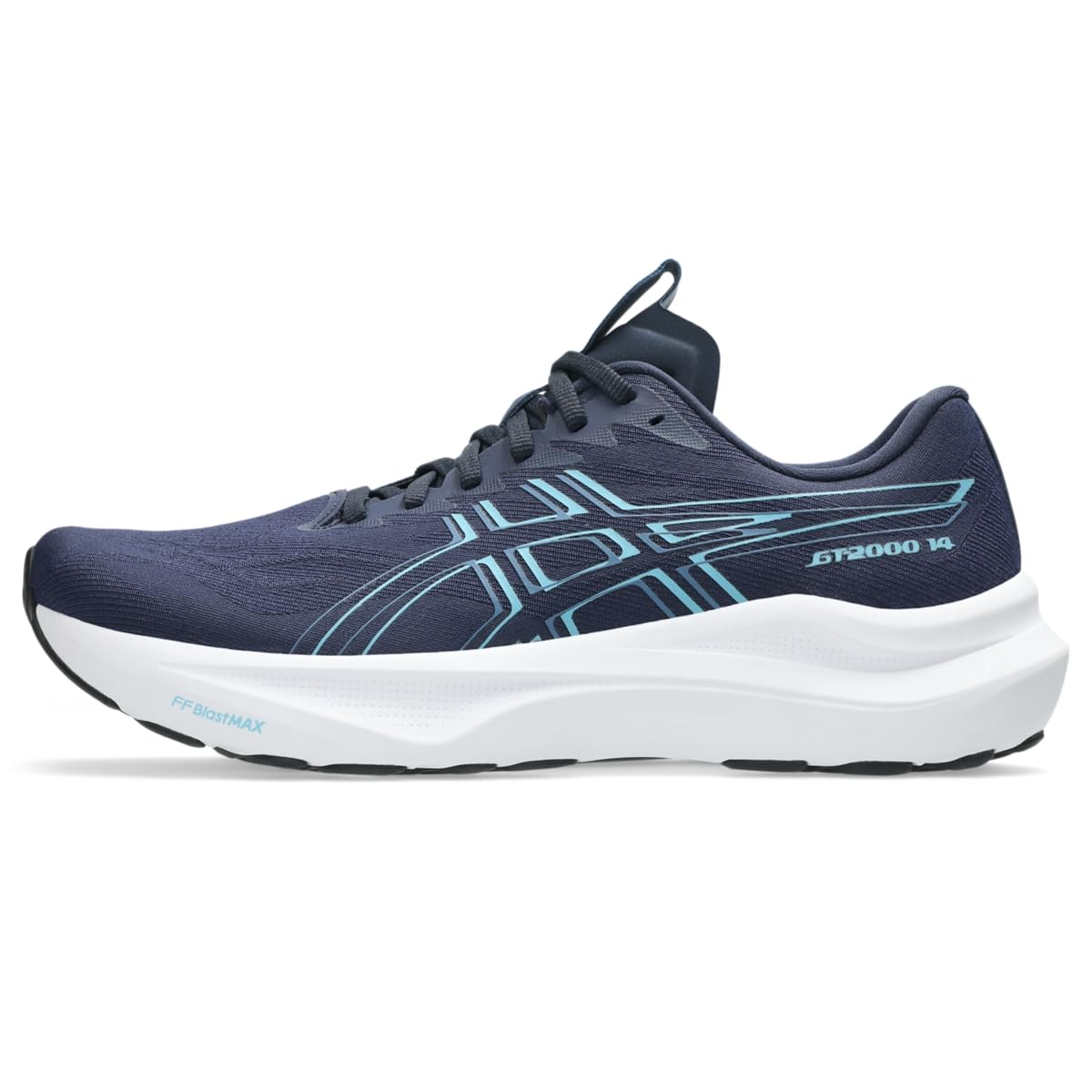
The GT-2000 14 is ASICS’ workhorse stability trainer, offering a balanced blend of medial support and lightweight cushioning at a mid-range price point. The key update in the 14th iteration is the LITEFLASH foam, which improves rebound compared to the older FlyteFoam while maintaining the structured medial post that overpronators need. The shoe runs true to size and comes in wide options, making it accessible for broader foot shapes.
Long-term users of the GT-2000 series report that each generation maintains consistent fit and support, allowing them to replace worn pairs without guessing sizes. The outsole is durable enough to survive a year of daily gym wear and treadmill work, with the navy color resisting visible scuffing. The drop sits around 10mm, favoring heel-strikers who need that offset for a smooth transition.
If you have moderate overpronation and want a shoe that works equally well for circuit training and casual wear, the GT-2000 14 delivers reliable support without the premium price tag.
Why it’s great
- Consistent fit across generations for easy replacement
- Lightweight at 1.44 lbs per pair for a stability shoe
- Durable outsole resists wear on gym surfaces
Good to know
- 10mm drop may feel too high for dedicated lifters
- Medial post less aggressive than motion-control models
4. Hoka ONE ONE Women’s Arahi 7
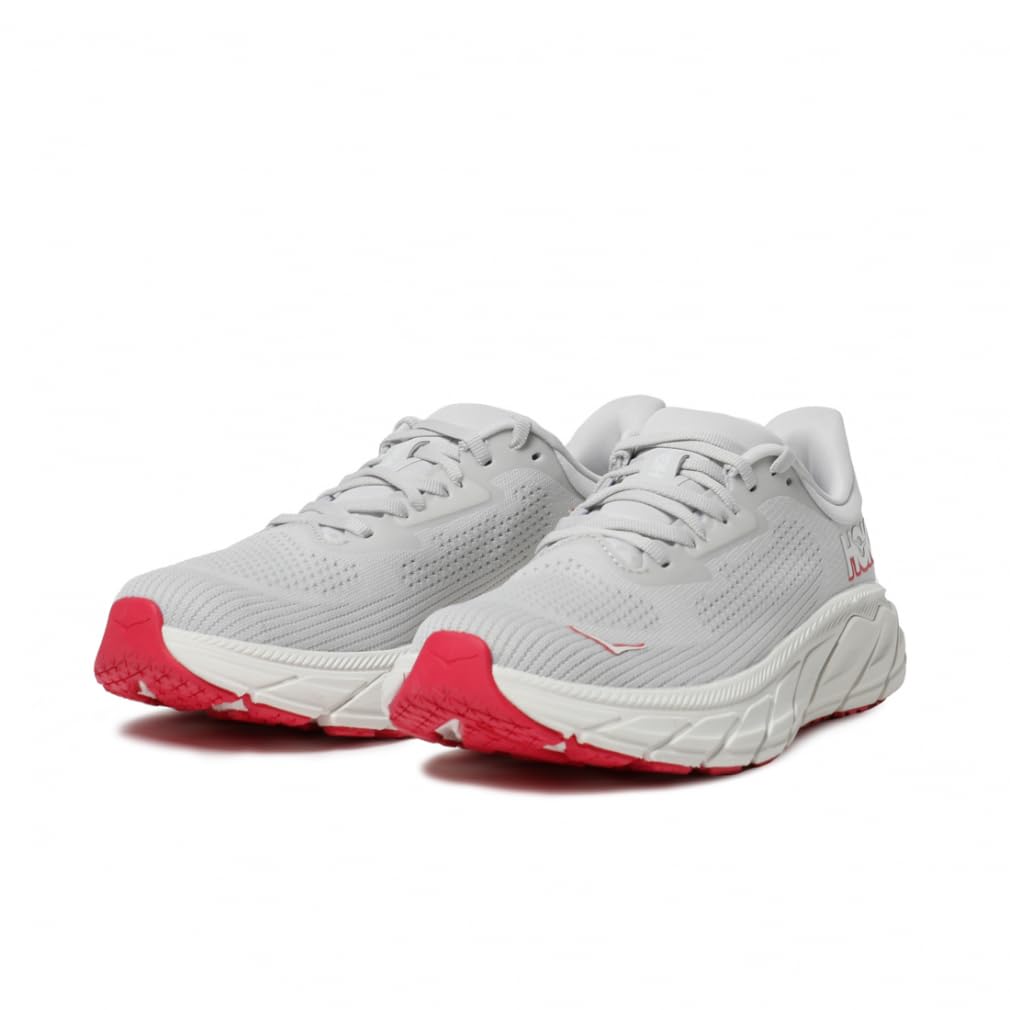
The Hoka Arahi 7 is the stability counterpart to the iconic Clifton, using a J-Frame geometry that runs along the arch side of the midsole to resist pronation without adding a hard medial block. This design keeps the shoe lightweight—under 9 ounces in women’s sizes—while still offering enough structure to correct moderate overpronation. The 4mm drop is among the lowest in this roundup, promoting a midfoot strike that reduces stress on the heel and knees.
Reviewers recovering from posterior tibial tendon injuries specifically praise the Arahi 7 for providing full arch support without the bulk of traditional motion-control shoes. The soft, bouncy foam absorbs shock well during long standing sessions, making it a strong choice for nurses, retail workers, or anyone who spends hours on the gym floor coaching or training clients. The color options are fashion-forward, which helps for casual wear.
The low drop and soft foam limit the Arahi 7’s suitability for heavy back squatting—the platform compresses too much under 200+ pound loads. For circuit training, HIIT, and daily recovery, this is a premium stability shoe that disappears on your foot.
Why it’s great
- Very lightweight for a stability shoe at under 9 oz
- J-Frame provides gentle yet effective pronation correction
- 4mm drop encourages natural midfoot strike
Good to know
- Soft foam compresses under heavy loads, not ideal for squats
- Narrow fit in heel may not suit very wide feet
5. New Balance Women’s Fresh Foam X Vongo V6 Running Shoe
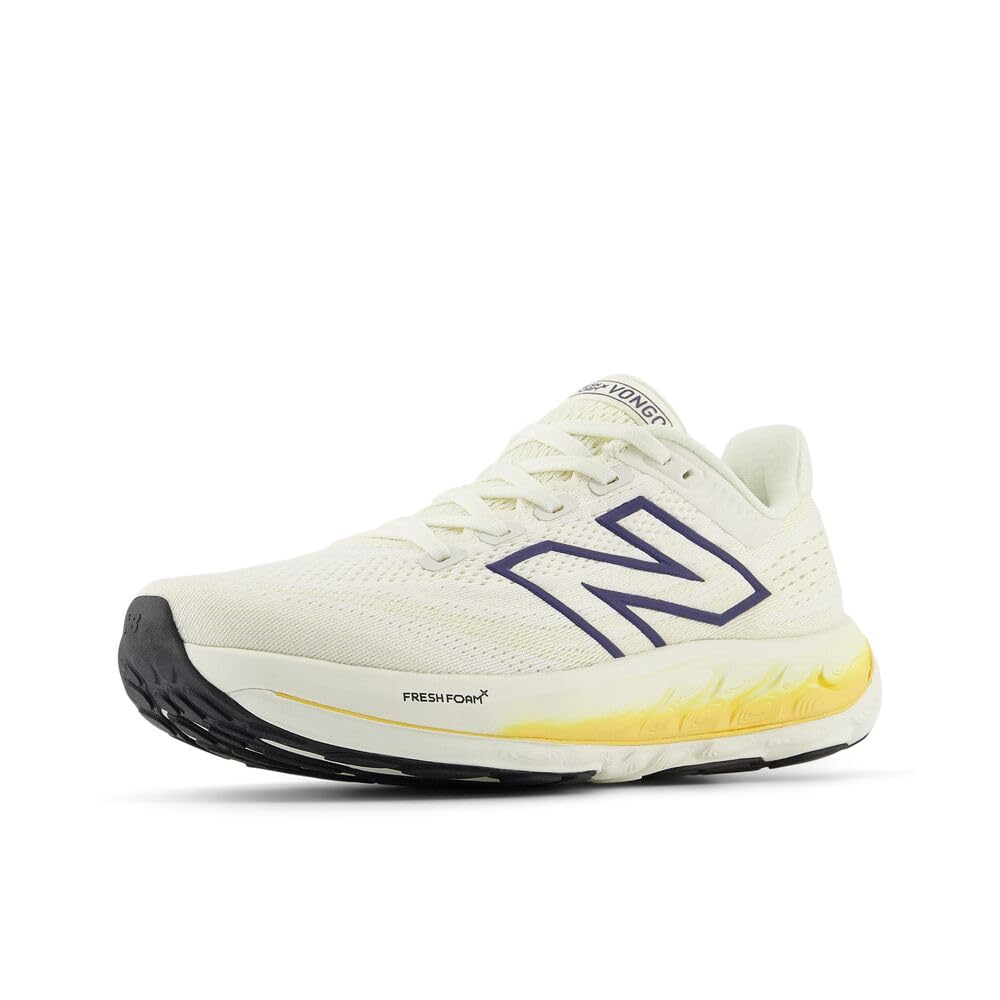
The Fresh Foam X Vongo V6 combines New Balance’s plush Fresh Foam X compound with a medial TPU post that prevents the arch from collapsing during long wear. This hybrid approach allows the shoe to feel soft under the heel and forefoot while maintaining structural rigidity on the inside edge. It’s specifically designed for moderate overpronation and fits naturally in wide sizes, making it a favorite for women with flat feet who struggle with pinching in standard D-width shoes.
Users working 12-hour nursing shifts report zero break-in time and no foot fatigue by the end of the day. The knit upper stretches slightly to accommodate splaying toes, and the shoe is machine washable—a practical advantage for gym shoes that accumulate sweat and grime. The drop is around 8mm, which splits the difference between low-drop agility and heel-strike cushioning.
The Fresh Foam X is softer than traditional stability foams, so it may feel too mushy for heavy resistance training. For walking, standing, and light gym circuits, it offers some of the best underfoot comfort in its class.
Why it’s great
- Plush Fresh Foam X with firm medial post for balanced support
- Machine washable for easy gym shoe maintenance
- Wide fit with minimal break-in period
Good to know
- Not stable enough for heavy back squats or deadlifts
- Some users report inconsistent sizing across colorways
6. ASICS Women’s GT-4000 4 Running Shoes
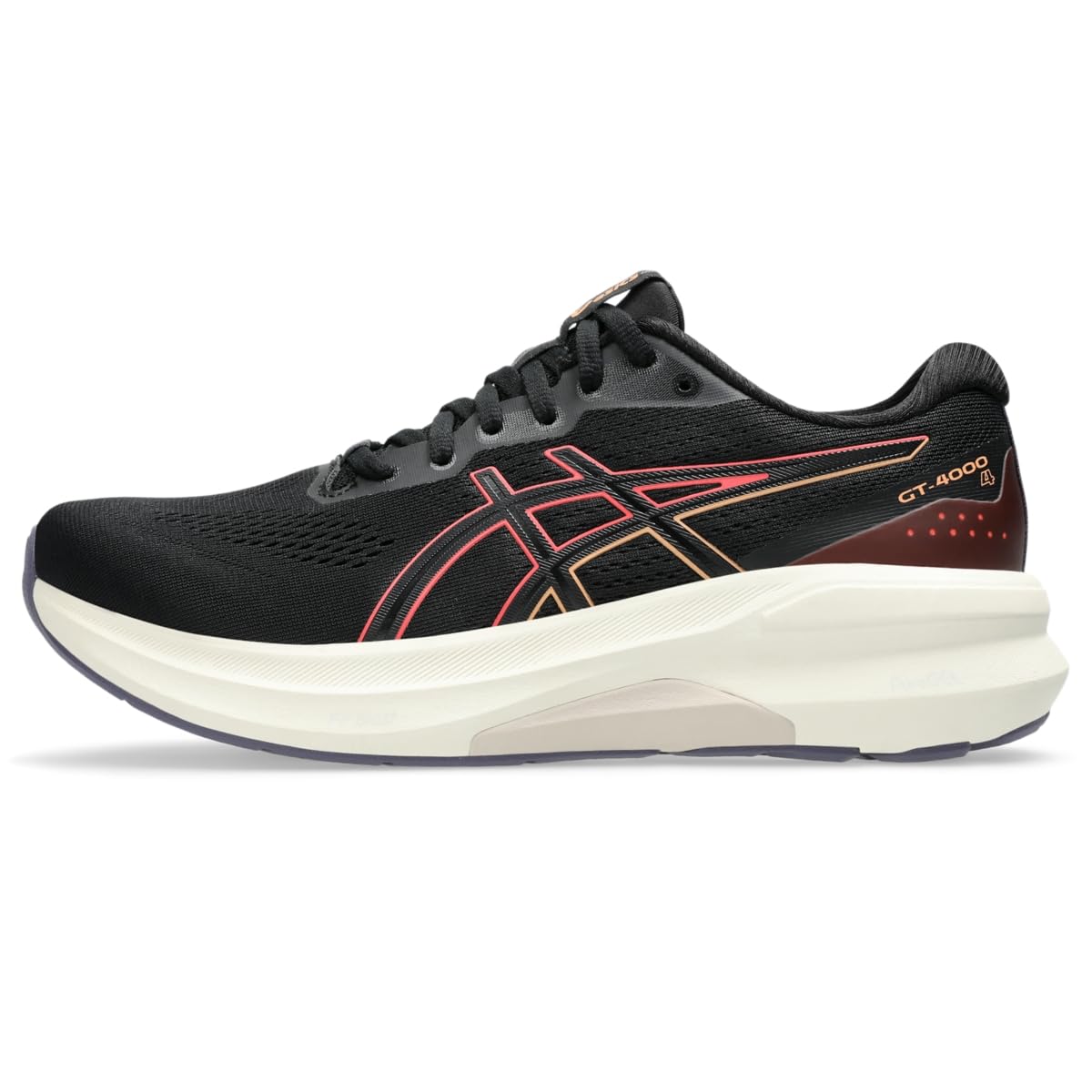
The GT-4000 4 sits above the GT-2000 in ASICS’ stability lineup, adding an extra layer of dual-density foam along the medial side for more aggressive pronation control. Physical therapists frequently recommend this shoe for patients with bilateral overpronation because the guidance line in the outsole and the Trusstic system under the midfoot work together to keep the foot tracking straight. It’s heavier than the GT-2000, but that weight translates to more structural support.
Reviewers with chronic leg pain from overpronation report complete relief after switching to the GT-4000 4 for walking and hiking. The arch support is pronounced enough to replace custom orthotics for some users. The upper is well-ventilated, and the shoe comes in several colorways that work for both gym and casual wear. One reviewer even uses them for pickleball, noting better court traction than in dedicated court shoes.
The trade-off is a stiffer ride that may feel restrictive for runners who don’t pronate severely. If your pronation is moderate to severe and you want a shoe that doubles for trail walks and gym floor work, the GT-4000 4 is a capable, budget-friendly choice.
Why it’s great
- Strong medial support with dual-density foam construction
- Recommended by physical therapists for severe pronation
- Versatile for walking, hiking, and gym circuits
Good to know
- Heavier and stiffer than the GT-2000 series
- Not ideal for speed work or interval training
7. Brooks Men’s Glycerin 23 Neutral Running Shoe
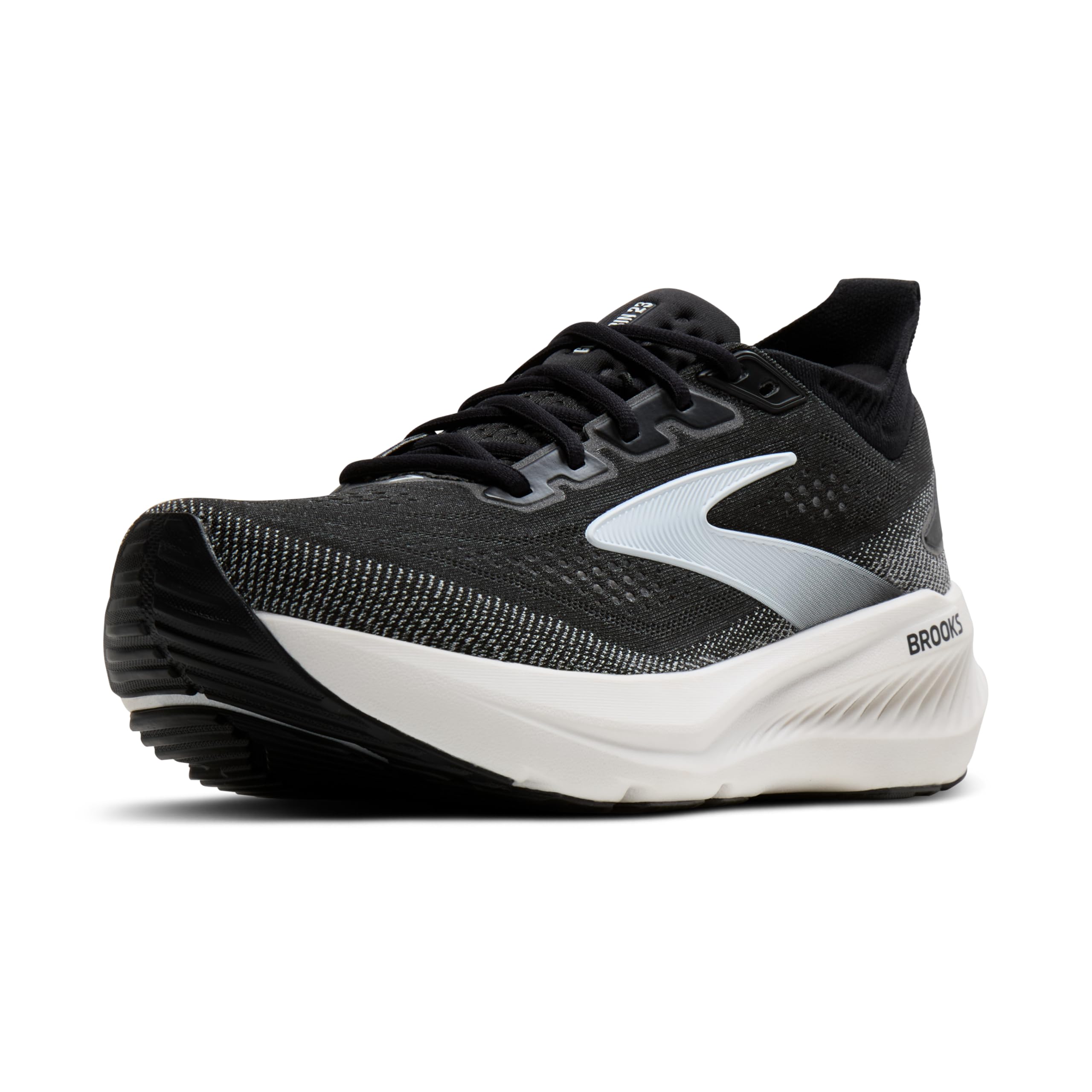
The Glycerin 23 is technically a neutral shoe, but the 23rd generation introduces a wider base and a lower 8mm drop (down from 10mm), which creates a small degree of natural stability for mild overpronators. The DNA TUNED foam uses two different material states—one for plush landing and one for responsive toe-off—making it feel remarkably smooth on long runs. The knit upper provides a soft, sock-like fit with a roomier toe box than previous Glycerin iterations.
Long-distance runners appreciate the protective cushioning that reduces foot fatigue over ten-plus miles, while the wider platform helps prevent ankle rolling on uneven sidewalks. One reviewer who owns both the Beast and the Glycerin 23 says the Glycerin is significantly more comfortable for cruising miles, though it lacks the rigid medial post needed for severe overpronation.
At roughly 10.6 ounces, it’s not lightweight for speed work, but for daily road miles and gym cardio, it delivers a premium experience. If your pronation is mild and you prioritize cushion over correction, this is a strong option.
Why it’s great
- DNA TUNED foam offers plush yet responsive ride
- Wider base and 8mm drop improve natural stability
- Knit upper provides stretchy, comfortable fit
Good to know
- Neutral design—not suitable for moderate to severe overpronation
- Heavier than other trainers in its class
8. Mizuno Women’s Wave Inspire 21 Running Shoe
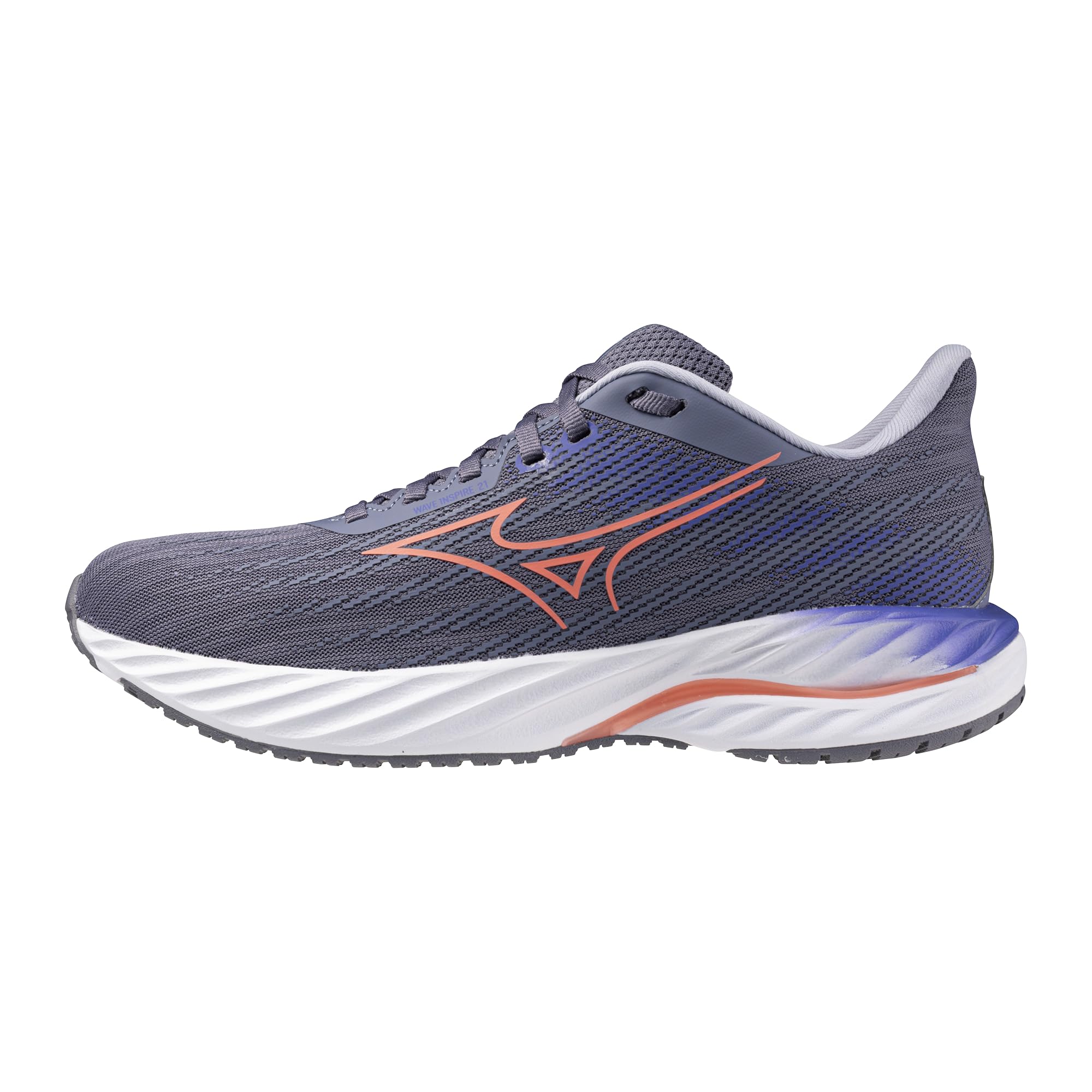
Mizuno’s Wave Inspire 21 uses a unique Wave plate—a corrugated plastic piece embedded in the midsole that provides both cushioning and pronation control by cradling the arch. The Cloudwave foam adds a soft landing while the plate prevents excessive inward roll. This mechanical approach feels different from foam-based medial posts, offering a more responsive, spring-like sensation that runners with high arches tend to prefer.
Reviewers with plantar fasciitis specifically note that the Wave Inspire 21’s arch support rivals that of custom orthotics. The shoe is lightweight, durable, and fits true to size, with one caveat: runners with foot swelling may need to size up for longer distances. Mizuno’s construction tends to last beyond 400 miles without significant midsole compression.
The Wave plate technology takes a few miles to break in, and the stiffness can feel jarring initially. For gym use that includes walking, light jogging, and circuit training, this shoe excels at keeping the arch supported without bulky weight.
Why it’s great
- Wave plate offers mechanical, long-lasting pronation control
- Excellent arch support for plantar fasciitis sufferers
- Lightweight and durable with minimal foam compression
Good to know
- Wave plate feels stiff before break-in
- May need to size up for long runs due to foot swelling
9. Saucony Women’s Hurricane 24 Sneaker
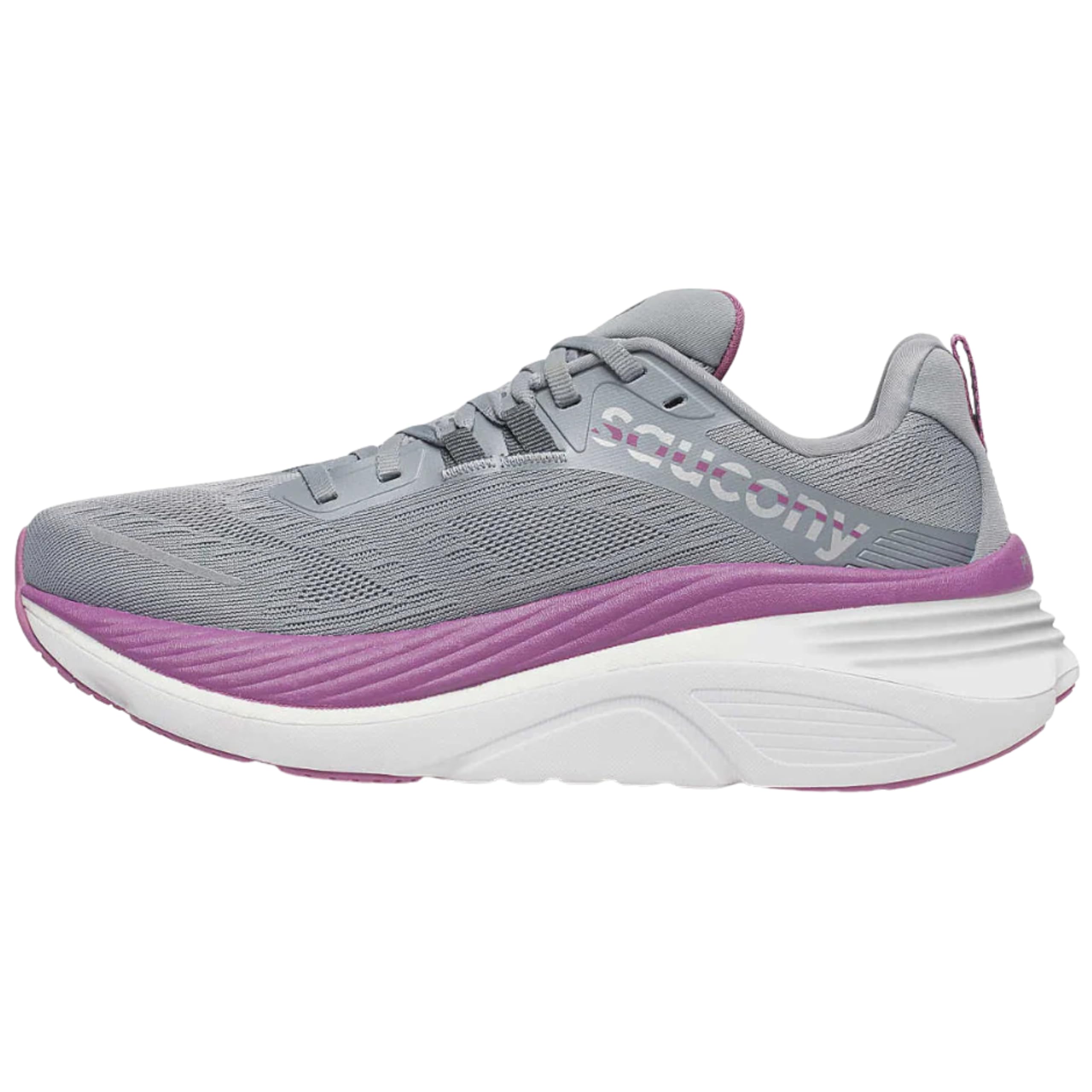
The Hurricane 24 is Saucony’s top-tier stability trainer, combining a PWRRUN PB beaded foam midsole with a wide, chunky platform and an aggressive toe rocker. This geometry helps propel the foot forward while the wide base under the arch resists inward collapse. The shoe is heavy—more than 10 ounces—but that weight translates to a tank-like feel that inspires confidence during injury rehab and recovery work.
Users recovering from hammer toe, posterior tibial tendonitis, and ankle sprains report that the Hurricane 24 reduces pain significantly. The rocker motion offloads the metatarsals, making it easier to walk without aggravating the forefoot. The shoe runs true to size and accommodates narrow heels well, though the platform is noticeably wide.
Durability is a concern: some reviewers report the insole dye staining the upper mesh and reflective strips peeling after a few months. For daily wear and lighter gym work, the hurricane-grade stability is unmatched; for high-intensity interval training, the weight and bulk become a liability.
Why it’s great
- Maximum motion control for injury recovery and rehab
- Aggressive toe rocker reduces forefoot pain
- Very wide platform provides extreme stability
Good to know
- Heavy build limits speed work and HIIT
- Some durability concerns with upper material and insole staining
FAQ
Can I use stability running shoes for weightlifting?
How do I know if I overpronate enough to need a stability shoe?
What is the difference between a stability shoe and a motion-control shoe?
Final Thoughts: The Verdict
For most users, the best gym shoes for overpronation winner is the Brooks Men’s Beast GTS 26 because it provides the most aggressive motion control with a wide, stable platform that supports heavy lifting and long walks without squish. If you want a plush, comfortable shoe that still corrects pronation, grab the Brooks Women’s Glycerin GTS 23. And for a lightweight, low-drop option that excels for all-day wear and recovery, nothing beats the Hoka Arahi 7.