
Nothing ruins a batch of fried chicken faster than oil that smokes before the crust sets, or fat that soaks through the breading and leaves a greasy, heavy finish. The right frying medium delivers a shatteringly crisp shell, moist meat inside, and zero burnt aftertaste — but the aisle is crowded with options that sound similar and behave very differently.
I’m Mohammad Maruf — the founder and writer behind Drink4Good. I’ve spent years analyzing smoke points, fatty acid profiles, and frying performance data to identify which cooking fats consistently produce the best Southern-style, Korean, and pressure-fried chicken at home.
Whether you prioritize a neutral canvas for seasoning or the old-school richness of rendered fat, this guide breaks down the five strongest contenders for the best grease for frying chicken based on heat tolerance, flavor impact, and repeat-use stability.
How To Choose The Best Grease For Frying Chicken
Frying chicken is not the same as shallow-sautéing vegetables. The oil must hold steady at 350°F for several minutes, withstand the introduction of cold, wet chicken without dropping temperature catastrophically, and not break down into off-flavors after one or two batches. Three factors separate the winners from the also-rans.
Smoke Point Stability
Chicken frying demands an oil that stays liquid and stable above 400°F. Once the oil smokes, it breaks down chemically, producing acrid compounds that cling to the breading. Fats with a smoke point of at least 420°F give you a safe buffer so the oil stays clean even when the pan temperature spikes during the initial drop.
Flavor Interaction With Breading
Some oils impart a distinct taste — peanut oil adds a subtle nuttiness, lard brings savory richness, and avocado oil stays nearly invisible. Your choice should align with the seasoning profile of your flour mix. A heavily spiced buttermilk brine can mask a mild oil, but a delicate herb crust will taste better with a neutral fat.
Re-Use Economy
Frying at home often means the oil gets used for multiple batches or stored for the next cook. Fats high in saturated fats (lard, shortening) resist oxidation longer and filter cleaner after cooling. Polyunsaturated oils degrade faster and may develop off-flavors after one heavy frying session, making them less economical for large batches.
Quick Comparison
On smaller screens, swipe sideways to see the full table.
| Model | Category | Best For | Key Spec | Amazon |
|---|---|---|---|---|
| Graza Frizzle Olive Oil | High-Heat Olive Blend | Neutral frying with olive pedigree | Smoke Point: 490°F | Amazon |
| Armour Lard | Rendered Pork Fat | Traditional Southern fried chicken | Saturated Fat: 45% | Amazon |
| Lou Ana Peanut Oil | Nut Oil | Deep-frying with subtle nutty flavor | Smoke Point: 450°F | Amazon |
| Amazon Grocery Avocado Oil | Fruit Oil | Neutral, high-smoke health-conscious frying | Smoke Point: 500°F | Amazon |
| Crisco All-Vegetable Shortening Sticks | Vegetable Shortening | Consistent re-use and flaky crust adjacent frying | 0g Trans Fat Per Serving | Amazon |
In‑Depth Reviews
1. Graza Frizzle High Heat Cooking Oil

Graza Frizzle is a blended oil combining olive pomace oil and extra virgin olive oil, engineered specifically for high-heat frying. Its smoke point of 490°F far exceeds the 350°F sweet spot for chicken frying, meaning you can drop a batch of cold, flour-dusted thighs into the pot without triggering immediate smoke. The squeeze bottle design also makes portioning into a deep skillet or Dutch oven mess-free — a small but real convenience when you are juggling hot oil and raw poultry.
The flavor profile is deliberately neutral. Unlike a robust extra virgin olive oil that would dominate the breading, Frizzle sits in the background and lets your paprika, cayenne, and garlic powder lead. Several customer reports note that it does not impart a pronounced olive taste, which is exactly what you want if you prefer the seasoning mix to carry the meal. The oil performs well for stir-fry and searing as well, but its real strength is maintaining clarity across multiple frying cycles.
One trade-off is the price per fluid ounce compared to standard vegetable oils. Frizzle sits in the mid-range tier — not cheap enough to use wastefully, but cheaper than premium avocado oils. Given its heat tolerance and neutral character, it is an excellent everyday frying fat that bridges the gap between traditional shortening and boutique fruit oils.
Why it’s great
- Extremely high smoke point of 490°F prevents burning
- Squeeze bottle controls pour rate for less mess
- Neutral flavor preserves breading seasoning integrity
Good to know
- Higher cost per ounce than commodity oils
- Not suitable for those seeking traditional pork-fat richness
2. Armour Lard 48oz Box (Pack of 3)
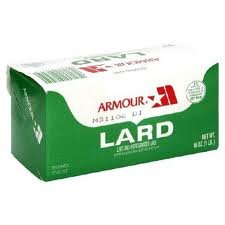
Armour Lard is rendered pork fat that has been a staple in Southern frying for generations. Its saturated fat content sits around 45%, which gives it exceptional thermal stability — lard can handle prolonged high heat without breaking down into polymerized residues that create sticky buildup on pan surfaces. For chicken frying, this translates to a fat that stays clean after filtering and can be reused for two or three frying sessions before needing replacement.
Flavor-wise, lard contributes a savory, almost umami richness that interacts beautifully with flour-based breading. Many experienced fry cooks argue that nothing else produces the same moist interior and delicate crust texture. Customers specifically mention that Armour lard works well for seasoning cast iron skillets, which indirectly benefits chicken frying by maintaining a non-stick surface that helps the crust release cleanly. The box format contains three 16-ounce blocks, giving you 3 pounds total for heavy-duty batch frying.
On the downside, lard is not suitable for vegetarian or pork-free kitchens, and its flavor profile is assertive enough to alter the intended spice balance if you are using a light hand with seasoning. It also solidifies at room temperature, so storage and disposal are slightly different from liquid oils. For traditionalists seeking the purest fried chicken experience, however, this remains a benchmark product.
Why it’s great
- High saturated fat content resists oxidation during repeat frying
- Adds savory richness that complements flour breading
- Excellent for seasoning cast iron alongside frying
Good to know
- Not suitable for vegetarian or pork-free diets
- Solid at room temperature requires melting before use
3. Lou Ana Peanut Oil, 24 fl oz

Lou Ana Peanut Oil is a classic choice for high-heat frying, with a smoke point of 450°F that comfortably accommodates chicken frying without scorching. Peanut oil is prized in Southern and Southeast Asian frying traditions because its mild nuttiness does not overpower the seasoning but adds a subtle depth that vegetable oils lack. Customers consistently report that fried chicken and fish taste noticeably better when cooked in peanut oil compared to generic canola or soybean blends.
The 24-fluid-ounce bottle is a practical size for a single frying session or two batches if you are cooking for a household. Because peanut oil is relatively shelf-stable if stored in a cool, dark place, you can use it over several weeks without flavor degradation. Several user reviews specifically mention that it produces smokeless frying results even when cooking at high heat, which prevents the bitter, acrid notes that come from oil that has surpassed its breakdown temperature.
There are two main caveats. Peanut oil is obviously a major allergen, so it cannot be used in any kitchen serving peanut-sensitive individuals. Additionally, the oil will gradually take on flavor compounds from heavily spiced breading over repeated use, so for extended reuse cycles, you may notice the nutty character fading or shifting. For a single large fry session, though, this is one of the most reliable options available.
Why it’s great
- 450°F smoke point handles frying without smoking
- Subtle nutty flavor improves fried chicken taste
- Good shelf stability for occasional home use
Good to know
- Not suitable for peanut-allergy households
- Flavor profile can shift after multiple reuse cycles
4. Amazon Grocery Avocado Oil, 33.8 Fl Oz
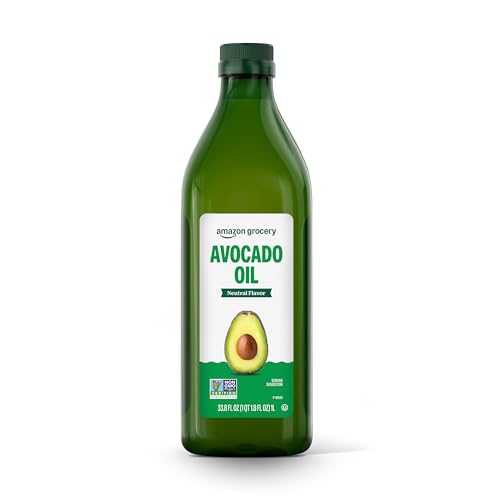
Amazon Grocery Avocado Oil delivers a smoke point of 500°F, making it the highest heat-tolerant option in this lineup. For chicken frying, that thermal ceiling means you can bring the oil up to temperature quickly without worrying about pre-ignition smoke, which is especially useful if you are using a cast-iron Dutch oven that retains and radiates heat unevenly. The oil is pressed from avocados and refined to remove any strong fruit notes, leaving a clean, neutral flavor that does not interfere with your breading recipe.
Customers highlight that this oil fries without smoking and does not impart a discernible flavor to the finished chicken, which is exactly what you want when you have spent time layering spices into your flour mix. The 33.8-fluid-ounce bottle offers more volume than standard 24-ounce options, giving you enough oil to submerge a full cut-up chicken without needing to top off mid-cook. Several verified purchasers mention that it works well on stainless steel pans without sticking or leaving residue, which points to good polymerization resistance.
Avocado oil is a premium-priced fat, so using it for deep frying is an investment compared to commodity vegetable oils. It also has a shorter usable lifespan once opened compared to lard or shortening, so you will want to use it within a few months. For health-focused cooks who want the highest possible smoke point with a completely neutral flavor, this is the strongest option.
Why it’s great
- 500°F smoke point virtually eliminates burning risk
- Completely neutral flavor preserves seasoning profile
- Large 33.8 oz bottle suits full-batch frying
Good to know
- Premium price per ounce compared to standard oils
- Shorter shelf life after opening than saturated fats
5. Crisco All-Vegetable Shortening Sticks, 20 Ounce (Pack of 2)
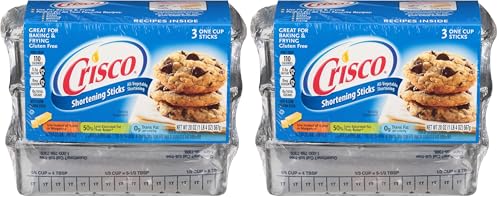
Crisco shortening sticks are a time-tested option for frying, offering the structure of a solid fat at room temperature that melts cleanly into a stable frying medium. The sticks are pre-measured, so you can cut exactly the amount needed without dirtying a spoon, which reduces waste and makes portioning straightforward. Crisco has a neutral flavor that will not compete with your seasoning, and its high saturated fat content means it resists oxidation better than liquid vegetable oils during prolonged frying.
Customers consistently note that Crisco produces light, non-greasy results in fried foods, which is partly because the fat does not absorb into the breading as aggressively as some liquid oils. The stick format is particularly useful if you are frying in a smaller skillet and do not want to open a large tub of shortening. Several reviews also mention using it for pie crusts and biscuits, which confirms its versatility if you already keep it in the pantry for baking.
The main limitation is that shortening has a lower smoke point than avocado or peanut oil — it is suitable for chicken frying but requires more careful temperature management to avoid smoking. For budget-conscious home cooks who want a reliable solid fat that handles baking and frying equally well, this is a solid entry-level choice.
Why it’s great
- Pre-measured sticks simplify portioning and reduce waste
- Neutral flavor lets seasoning stand out
- Solid fat structure resists oxidation during reuse
Good to know
- Lower smoke point than avocado or peanut oil requires careful temp control
- Stick packaging adds cost per ounce versus tub
FAQ
Can I reuse frying oil after cooking chicken?
What oil temperature is ideal for frying chicken?
Final Thoughts: The Verdict
For most users, the best grease for frying chicken winner is the Graza Frizzle High Heat Oil because it combines a 490°F smoke point with a neutral flavor that never overwhelms your seasoning. If you want traditional savory richness with superior re-use economy, grab the Armour Lard. And for health-focused cooks seeking the absolute cleanest high-heat performance, nothing beats the Amazon Grocery Avocado Oil.