
Anxiety doesn’t schedule itself, and a distracting plastic fob or a generic “calm” candle rarely cuts through the noise when your nervous system is tight. The right tool creates a physical anchor—a sound, a texture, a repeated motion—that short-circuits the spiral before it deepens. These aren’t decorative trinkets; they are functional nervous-system interventions designed to shift your body’s state from fight-or-flight toward rest-and-digest.
I’m Mohammad Maruf — the founder and writer behind Drink4Good. After hundreds of hours analyzing customer feedback, material safety data, and the measurable mechanisms behind each design, I’ve separated the gifts that genuinely support emotional regulation from the ones that just sit on a shelf.
Whether you want a bedtime ritual for a restless child, a distraction-free desk companion for a high-stress office, or a guided reset tool for yourself, this curated list of the best gifts for anxiety balances proven sensory techniques with real-world usability and thoughtful design.
How To Choose The Best Gifts For Anxiety
Not every stress-relief item delivers measurable calm. The best tools work because they engage a specific sensory pathway—auditory resonance, tactile repetition, or paced visual breathing. Here are the three factors that separate a thoughtful gift from a gimmick.
Sensory Modality and Nervous System Targeting
Anxiety is a whole-body state driven by the autonomic nervous system. A gift that works must speak the language of the vagus nerve: slow, rhythmic, low-frequency input. Singing bowls use resonant vibration to entrain brainwaves. Breathing lights force a physiological reset through the 4-7-8 pattern. Fidgets that require two-handed manipulation engage working memory and disrupt rumination. If a gift doesn’t involve sound, touch, or paced sight, it probably won’t regulate the nervous system.
Material Quality and Safety for Repetitive Use
These items will be handled during high-stress moments—often by children or individuals with sensory sensitivities. Quality matters beyond aesthetics. Look for non-toxic materials (silicone, stainless steel, natural metals), smooth edges, and washable surfaces. A magnetic fidget with weak magnets or a painted bowl with lead-based finish is not a gift; it’s a hazard. Third-party safety certifications and verified customer feedback on durability are non-negotiable filters.
Portability and the Use-Case Fit
A heavy crystal singing bowl is useless during a meeting. A fidget set with 76 tiny pieces is impractical for the back seat of a car. Match the form factor to the environment where the anxiety actually occurs. Desk-friendly options need to be quiet. Bedroom tools benefit from dimmable lights and long battery life. On-the-go tools must fit in a pocket or bag and withstand drops. The best gift vanishes into the routine of the place it’s needed most.
Quick Comparison
On smaller screens, swipe sideways to see the full table.
| Model | Category | Best For | Key Spec | Amazon |
|---|---|---|---|---|
| Silent Mind Singing Bowl Set | Sound Therapy | Beginner meditation & grounding | Bell Metal / 3.94 x 2.5 inch bowl | Amazon |
| Breathing Owl 3-in-1 Device | Guided Breathing | Kids’ bedtime & focus | 4-7-8 pattern / 7 nature sounds | Amazon |
| Vagus Nerve Deck | Exercise Cards | Daily nervous-system reset routine | 75 cards / 3 color-coded categories | Amazon |
| 76-Pack Sensory Fidget Set | Variety Fidgets | Classroom & on-the-go distraction | 76 pieces / child-safe silicone & rubber | Amazon |
| Shashibo Sensory Cube | Magnetic Fidget | Quiet desk focus & cognitive engagement | 36 magnets / 100+ shape transformations | Amazon |
In‑Depth Reviews
1. Silent Mind Tibetan Singing Bowl Set
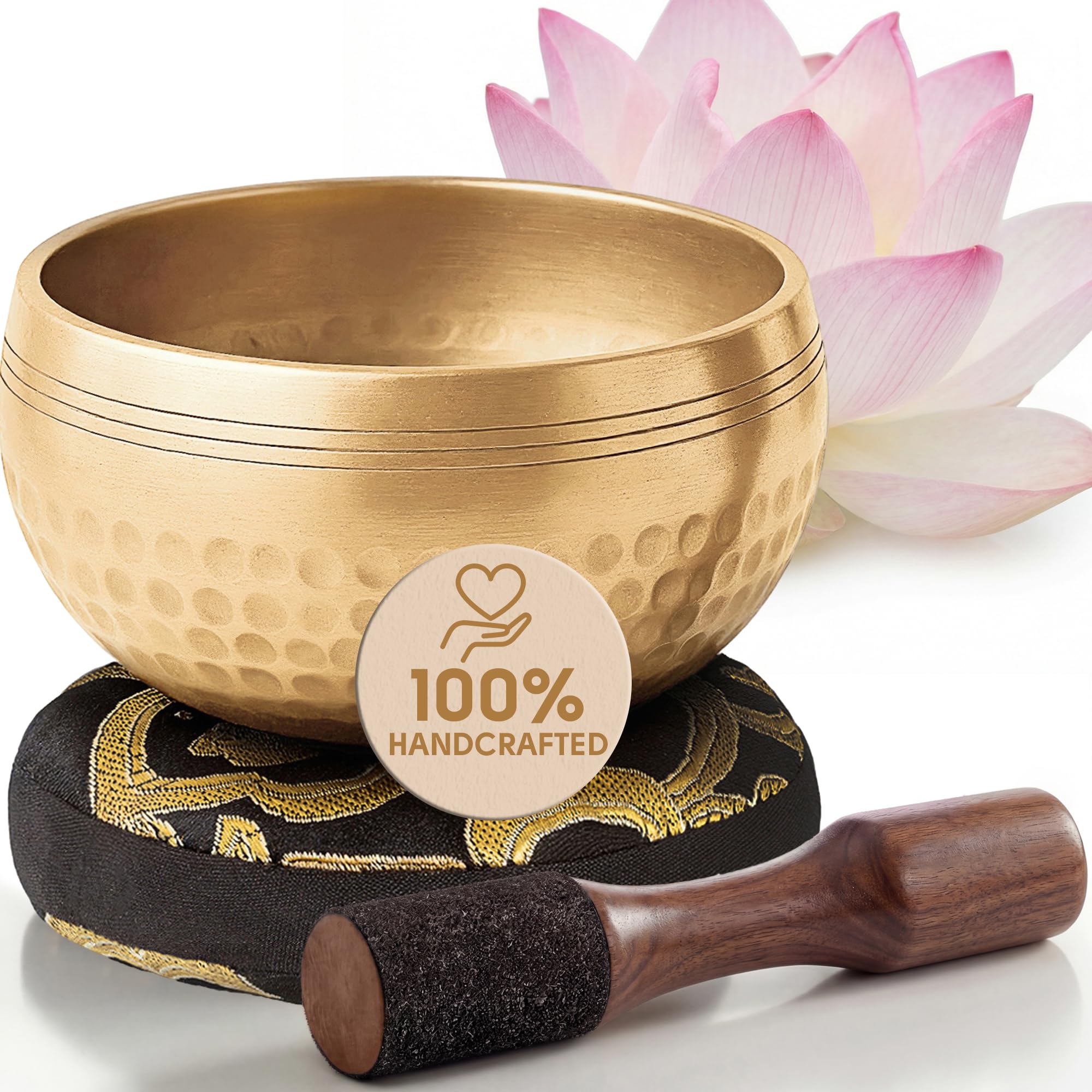
The sound of a well-struck singing bowl is a physical event—the vibration travels from the rim through your palms and into your sternum before you even hear the tone. Silent Mind’s set is built around an ancient bell-metal bowl that rings cleanly at a mid-frequency range ideal for grounding without piercing the room. The included cushion and hardwood striker remove the learning curve completely; you get a usable tone on the first tap, which matters when the recipient is already frazzled and doesn’t have patience for a fussy tool.
At 3.94 inches wide, this bowl is genuinely portable without sacrificing resonance. The beaten-bronze finish diffuses light nicely, and the hammered texture adds a tactile grounding point during silent meditation. The included eBook series and 3D sound bath track are legitimate bonuses—they teach the 4-7-8 and other resonant-breathing techniques that pair directly with the bowl’s sustain. Customer feedback consistently highlights the rich tone and high perceived quality for the price.
This works best as a dedicated ritual tool—keep it on a nightstand or meditation corner. It’s not a distraction fidget; it’s a deliberate reset mechanism. The bowl requires a quiet space to be effective, so it’s a better fit for home or a private office than a public desk. For someone building a mindfulness practice from scratch, this set removes the friction of sourcing separate components and gets them straight to the sound.
Why it’s great
- Rich, resonant bell-metal tone on first strike
- Complete kit—bowl, cushion, striker, digital resources—no extra purchases required
- Compact size fits any meditation corner or nightstand
Good to know
- Cushion quality is basic; heavier users may want to upgrade the pad
- Requires a quiet environment—not suitable for noisy classrooms or open offices
2. Mindfulness ‘Breathing Owl’ 3-in-1 Device

The breathing light is the clearest onboarding tool for the 4-7-8 box-breathing pattern—you simply follow the color with your eyes and lungs. This owl-shaped device changes from green (inhale, 4 seconds) to purple (hold, 7 seconds) to blue (exhale, 8 seconds), creating a visual anchor that keeps the mind from wandering back to the anxious loop. Combined with seven nature sounds (heartbeat, ocean, rain, water drops, crickets, birds), it builds a multisensory environment that reliably calms the vagus nerve within a few minutes of use.
The fabric shell is soft and squishy—a separate tactile benefit for users who like to hold something during breathing exercises. Seven color night-light options with three brightness levels add versatility; it doubles as a dim nursery light during nighttime wakings. Parents report 5-10 minute sleep onset times for children using the cricket sound and green breathing cycle, making this especially effective for bedtime anxiety in kids.
Battery life runs roughly a week on a single charge with nightly use, and the auto-off timer (2 hours for the nightlight) prevents battery drain. The volume range is modest—it won’t fill a large room—but that keeps it appropriate for shared sleeping spaces. Some users note the light is bright even on the lowest setting for deep sleep. This is the best pick for a child with nighttime fears or an adult who struggles to maintain a breathing practice without a visual guide.
Why it’s great
- Color-coded 4-7-8 pattern removes the guesswork from paced breathing
- Soft, huggable fabric design appeals to children and tactile seekers
- Multiple nature sounds mask environmental noise for better sleep
Good to know
- Light may still be too bright for pitch-dark sleep environments
- Volume output is moderate; not ideal for large rooms or noisy households
3. Vagus Nerve Deck: 75 Exercises to Reset Your Nervous System

This card deck is a portable nervous-system toolkit disguised as a book. The 75 exercises are split into three color-coded categories—Vitality, Calm, and Connection—each corresponding to a branch of the polyvagal theory map. Rather than guessing what might help, the user selects a card based on their current state: stressed and needing a downshift? Grab a Calm card (box breathing, grounding steps). Low energy and disassociated? Reach for a Vitality card (cold-water splash, orienting movements). This structured choice reduces the paralysis that anxiety itself creates.
The large-print text and simple illustrations make each exercise accessible in under two minutes. The heavy card stock and durable book-style box survive daily shuffling and tosses into bags. Published by Zeitgeist in August 2024, the deck reflects current polyvagal research without the academic density. Users with health challenges and lifestyle transitions especially praised the easy-to-remember techniques that improved sleep within days of starting the routine.
Where this deck really shines is consistency—it’s designed to be used, not stored. The 75-card count means it never feels repetitive, and the color coding builds a habit of checking in with your nervous system. It lacks the original art of Dana’s more expensive polyvagal deck, but the exercises are more practical for daily, hurried use. This is the best gift for someone who says “I don’t know how to calm down” and needs a physical menu of options they can pull from anywhere.
Why it’s great
- Three targeted categories match the user’s current nervous-system state
- Large print and simple demos require zero prior knowledge
- Sturdy box and cards survive daily carry and use
Good to know
- Illustrations are minimal—not a visual-heavy guide
- Less theoretically original than specialized polyvagal decks, but more practically useful
4. 76 Pack Sensory Fidget Toys Set by PROJOYOU

When you don’t know which sensory input triggers the calming response, a variety pack removes the guesswork. This 76-piece set covers nearly every common fidget category: squishy mochi toys, stretchy marble mesh, magnetic infinity cubes, flippy chains, springy rainbow coils, textured balls, and visual timers. The sheer range means the recipient can cycle through options until they find the one that uniquely soothes their tactile or proprioceptive system. Parents of neurodivergent children report this replaced the need for multiple separate purchases.
Materials are safety-tested to international toy standards—silicone, rubber, polypropylene, stainless steel—with no odor or sharp edges. The set matches the variety found in occupational-therapy waiting rooms and school calm-down corners. The 76-count lets a child share with friends without guilt, or keep a stash in a backpack, desk, and car simultaneously. One review noted that pieces do get lost over time, but the 76-count provides enough buffer to sustain the collection for months.
The limitations are predictable: individual items are not premium in build quality, and some pieces (the mesh balls, the bean) feel lower-density than their single-purchase counterparts. This isn’t a lifelong tool; it’s an exploration pack designed to discover which sensory input matters most. Once identified, the user can invest in a high-end version of their favorite fidget. As a starter safari into sensory regulation, this set offers incredible breadth per unit spent.
Why it’s great
- Enormous range—covers squishy, magnetic, visual, tensile, and tactile categories in one box
- Child-safe, non-toxic materials verified to international standards
- Perfect for discovering which specific sensory input your body responds to
Good to know
- Individual fidget quality is entry-level—not meant for heavy, continuous use
- Small pieces can be lost easily; not suitable for unsupervised toddlers under 3 years
5. Shashibo Sensory Fidget Cube

The Shashibo cube is a magnetic origami puzzle that folds into over 100 unique geometric shapes using 36 internal neodymium magnets. Unlike passive fidgets that just occupy hands, this demands active cognitive engagement—spatial reasoning, working memory, and fine-motor sequencing—which is exactly what the brain needs to interrupt a rumination loop. Each fold reveals a new colored facet on the “Spaced Out” design, providing visual novelty that keeps the user returning to it instead of their phone.
The 2.3-inch cube size is pocketable for desk drawers and car cup holders, and the magnetic hinge action produces a satisfying, quiet click that won’t disturb a meeting or classroom. Shashibos are designed to connect magnetically to each other, so if the recipient enjoys the first one, they can expand the collection into larger compound sculptures. This collectibility drives ongoing engagement beyond the first week of novelty.
Durability is the primary concern—some users report the magnetic seams tearing after 3-4 weeks of moderate manipulation, though most owners report months of daily use before any issues. The learning curve is real; the instruction booklet is essential for the first dozen folds, and adults who prefer low-frustration play may find it challenging on day one. This is a high-agency gift for someone who enjoys puzzles and needs a silent, screen-free way to channel anxious mental energy into focused manipulation.
Why it’s great
- High cognitive load actively interrupts rumination and anxious thought patterns
- Silent magnetic operation fits meetings, classrooms, and libraries
- Collectible and connectable design encourages long-term engagement
Good to know
- Magnetic seams may break down with heavy daily use over weeks
- Steep initial learning curve—may frustrate users who don’t enjoy puzzles
FAQ
How does a singing bowl reduce anxiety differently than noise-canceling headphones?
Can a fidget toy actually lower my heart rate or is it just a distraction?
What is the 4-7-8 breathing method and why does it help anxiety?
Final Thoughts: The Verdict
For most users, the gifts for anxiety winner is the Silent Mind Tibetan Singing Bowl Set because its resonant, full-bodied tone creates a sensory anchor that beginners and experienced meditators can both use immediately with no learning curve. If you want a guided visual tool for a restless child or for better sleep, grab the Breathing Owl 3-in-1 Device. And for someone who needs a pocket-sized cognitive reset during high-stress workdays, nothing beats the Shashibo Sensory Cube’s ability to replace anxious spirals with focused geometric manipulation.