
A gluten-free beer batter that falls right off the fish. A fried chicken crust that turns gummy instead of shattering. The problem isn’t your technique—it’s the flour base you’re using. Frying demands a coating that sets fast, stays put, and delivers that audible crunch, all without gluten’s structure. Standard gluten-free all-purpose blends—loaded with starch and xanthan gum—can absorb too much oil, steam the coating off, or come out dense. The right flour for frying needs a specific particle size, protein-to-starch ratio, and moisture resistance engineered for high heat.
I’m Mohammad Maruf — the founder and writer behind Drink4Good. I spend my time comparing particle-size distributions, protein content percentages, and oil absorption rates across dozens of gluten-free flours, then cross-referencing thousands of verified customer reviews to find the formulations that act most like wheat flour in hot oil.
After sifting through the data, five flours consistently outperform the rest for deep-frying, pan-frying, and shallow-frying applications. this is the definitive guide to choosing the best gluten free flour for frying.
How To Choose The Best Gluten Free Flour For Frying
Frying is unique among cooking methods because the flour coating needs to dehydrate rapidly while adhering to a moisture-rich food. Standard wheat flour does this effortlessly thanks to its gluten network—a protein matrix that traps air, resists oil penetration, and sets into a rigid, crunchy shell. Without gluten, you need a flour that provides alternative structural integrity, low moisture absorption, and a high “crunch factor” when heated. Three specs matter most.
Particle Size and Texture
Coarser grains (like stone-ground cornmeal) produce a textured, shattering crust ideal for fish or okra. Finely milled powders (like white rice flour or sifted almond flour) create a smooth, even coating that clings to thinner batters for chicken or onion rings. Particle size directly affects how fast the coating dehydrates. Very fine flours can over-absorb oil quickly if the oil temperature drops, while medium-grind flours offer the best balance for home deep-frying (350°F–365°F).
Oil Absorption Rate
Different gluten-free grains absorb oil differently. Rice flour absorbs roughly 30% less oil than wheat flour due to its starch structure—a major advantage for crispy, non-greasy results. Almond flour, by contrast, soaks up more oil because of its high fat content, which can yield a denser, more tender crust but may require lower frying temperatures (325°F) to avoid burning the nut solids. Cassava flour sits in the middle, with an absorption rate close to wheat flour, making it the most intuitive 1-to-1 swap for batter-based frying.
Protein and Starch Ratio
Protein provides browning (Maillard reaction) and structure. Starch provides puff and crispness. A flour with a protein content above 8% (like almond flour) browns fast and creates a thicker, more substantial crust. A flour with very low protein (like white rice flour at 6%) relies on its starch to puff and crisp, producing a lighter, lacier coating. For batters, a starch-dominant flour (70%+ starch) is ideal because it dehydrates quickly and stays crunchy longer after the food leaves the oil.
Quick Comparison
On smaller screens, swipe sideways to see the full table.
| Model | Category | Best For | Key Spec | Amazon |
|---|---|---|---|---|
| Otto’s Naturals Cassava Flour | Premium 1-to-1 | Tempura & battered fish | 1-to-1 wheat replacement ratio | Amazon |
| Anthony’s Premium White Rice Flour | Premium Single-Grain | Light crispy coatings | 48 oz, fine powder, low oil absorption | Amazon |
| Yupik Organic Brown Rice Flour | Mid-Range Organic | Thickening sauces & frying | 35.2 oz, organic, finely milled | Amazon |
| Blue Diamond Almond Flour | Mid-Range Nut Flour | Keto/Paleo frying & crusts | 16 oz, finely sifted, blanched | Amazon |
| Palmetto Farms Stone Ground Cornmeal | Budget-Friendly Corn Flour | Classic Southern frying | 24 oz, ultra-fine, stone ground | Amazon |
In‑Depth Reviews
1. Otto’s Naturals Organic Multi-Purpose Cassava Flour
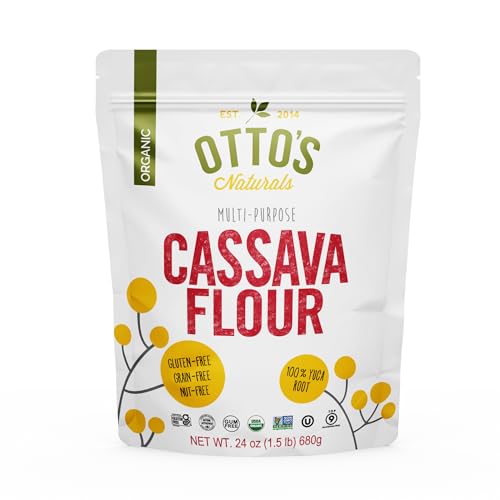
Otto’s Naturals sets the gold standard for gluten-free frying because its 1-to-1 wheat flour replacement ratio is actually accurate by weight. Cassava flour has a unique starch structure that gels at a higher temperature than rice or corn starches, meaning it sets its crust faster when the food hits the oil—resulting in a noticeably thinner, shatteringly crisp coating that holds up under sauce without going soggy within 30 seconds. For tempura-style vegetables or battered fish, this is the closest you will get to a gluten-based texture without any gums or fillers.
The organic certification and grain-free, nut-free ingredient list make it safe for AIP and paleo diets, which eliminates the cross-contamination risk found in multi-grain blends. The 1.5-pound bag (24 ounces) is enough for several frying sessions, but you may want to buy two if you deep-fry frequently, since the volume per pound is lower than ultra-light rice flours. Users report that the flavor is pleasantly neutral—no earthy or beany aftertaste that can compete with delicate seafood or mild vegetables.
One minor packaging concern: the bag arrived with a pinhole puncture in a few cases due to shipping. Transferring the flour to an airtight container is recommended for long-term freshness. Overall, if you want one flour that performs identically to all-purpose wheat flour in frying recipes without requiring a custom formula, Otto’s is the top performer.
Why it’s great
- True 1-to-1 replacement by weight, no guesswork
- Crisps faster than rice or almond flours
- Organic, grain-free, nut-free, paleo/AIP compliant
Good to know
- Bag is only 1.5 lb, small for heavy use
- Packaging can puncture during delivery
- Higher carb count than almond flour
2. Anthony’s Premium White Rice Flour
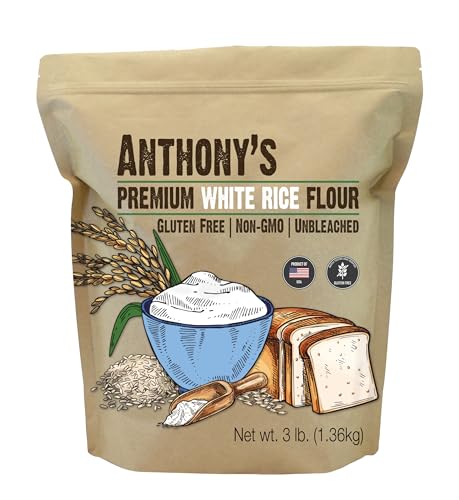
Anthony’s Premium White Rice Flour is the standard choice for achieving that delicate, lacy, tempura-style crust on vegetables and shrimp. Its ultra-fine powder provides a smooth, even coating that adheres without clumping, and because white rice flour absorbs roughly 25% less oil than wheat flour, the final product comes out noticeably lighter and less greasy—a major advantage for home cooks who cannot maintain perfect steady oil temperature. At 3 pounds (48 ounces), this is the largest single-ingredient bag on the list, ideal for frequent frying.
Batch-tested and verified gluten-free, it earns a strong recommendation for anyone with celiac disease. The flour works best when combined with a binding agent like eggs or a light starch slurry, since it lacks the adhesive protein structure of wheat. For fried chicken, users find it mixes well with a small amount of tapioca starch to improve crust adhesion. One user noted the price has increased compared to brown rice flour options, but the consistency and purity justify the premium for those who prioritize oil absorption performance.
On the negative side, the flour sticks badly to cooking surfaces if you do not use enough oil or cooking spray—a common complaint across rice flour fryers. It also browns slower than almond or cassava flours, so you need to fry slightly longer to develop full color. For applications where you want a whisper-thin, ultra-crisp coating that does not dominate the food, this is the best value-per-pound.
Why it’s great
- Lowest oil absorption in this lineup
- 3 lb bag provides great value per ounce
- Batch-tested gluten-free, celiac-safe
Good to know
- Needs binding agent for adhesion
- Sticks to pans without enough oil
- Browns slower, requiring longer fry time
3. Yupik Organic Brown Rice Flour
Yupik’s Organic Brown Rice Flour sits in the sweet spot between cost and function for gluten-free frying. The finely milled powder from whole grain brown rice retains the bran and germ, which slightly increases fiber and protein content compared to white rice flour—offering a bit more browning potential and a nuttier flavor profile that pairs well with fish, tofu, and onion rings. The 2.2-pound (35.2 ounce) bag undercuts premium brands on cost per ounce while still delivering certified organic quality.
The fine grind is a standout feature here. Multiple users specifically describe it as “very fine powder” that prevents sourdough from sticking to pans, which translates to even, consistent coating coverage during frying. Unlike coarser brown rice flours that can feel gritty on the palate, Yupik’s milling produces a texture nearly indistinguishable from white rice flour, with the added nutritional benefit of whole-grain fiber. It works well both as a standalone coating and as a base for custom blends with cornstarch or arrowroot powder.
The only real trade-off is volume. Some users also note that brown rice flour can go rancid faster than white rice flour due to the oil in the bran—store it in a cool, dark cupboard or freezer to extend shelf life. For the price, this is the most versatile organic option for cooks who want a single flour that works for both frying and thickening.
Why it’s great
- Finely milled, no grittiness
- Organic at a competitive per-ounce price
- Whole grain adds fiber and browning potential
Good to know
- 2.2 lb bag may need restocking frequently
- Brown rice oil content reduces shelf life
- Needs binding agent like egg for crispy coating
4. Blue Diamond Almonds Almond Flour
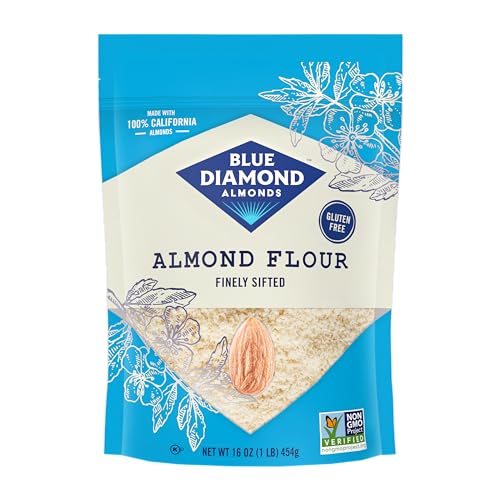
Blue Diamond’s finely sifted blanched almond flour is the go-to choice for keto and low-carb frying applications where grain-based flours are off the table. The super-fine, consistent grind eliminates the graininess that plagues cheaper almond meals, resulting in a smooth coating that browns rapidly thanks to the high fat and protein content of the almonds. For pan-frying chicken thighs or shallow-frying zucchini chips, this flour creates a deeply golden, nutty, and almost buttery crust that standard grain flours cannot replicate.
The 1-pound bag contains 100% blanched almonds with the skins removed, giving the flour a neutral beige color and mild flavor that does not overwhelm the main ingredient. It works especially well when combined with parmesan cheese or spices for a savory crust, and the high oil content means you can fry at a slightly lower oil temperature (325°F–335°F) without sacrificing crispiness. Users repeatedly mention its ability to produce soft, tender interiors alongside crisp exteriors—a characteristic unique to nut-based flours.
The main drawback is price volatility. Multiple long-term users report extreme price increases, with the bag sometimes costing more than double its original retail price. Additionally, almond flour absorbs significantly more oil than rice or cassava flours, so foods can feel greasier if you over-fry or crowd the pan. Given the – current range, it remains the most affordable premium almond flour option, but budget-conscious cooks may want to watch for sales or buy in bulk through subscribe-and-save.
Why it’s great
- Finest grind among almond flours, no graininess
- Excellent browning from high fat content
- Great for keto, paleo, and low-carb diets
Good to know
- Price fluctuates significantly
- Higher oil absorption can lead to greasy results
- Only 1 lb bag, small for heavy frying use
5. Palmetto Farms Stone Ground Yellow Corn Meal
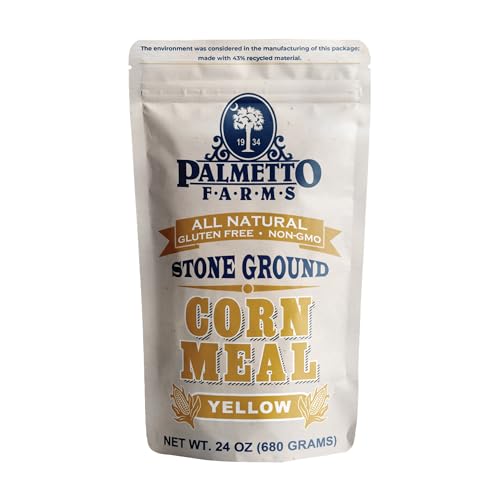
Palmetto Farms Stone Ground Yellow Corn Meal brings an authentic Southern texture to gluten-free frying that no smooth powder can match. The ultra-fine stone-ground cornmeal—described as “similar texture to regular flour” by the manufacturer—offers a distinctive crunch and corn-forward flavor that shines in applications like fried fish, hush puppies, okra, and corn dogs. Because it is slowly stone-ground and produced in a dedicated wheat-free facility, there is zero risk of gluten cross-contamination and the full corn flavor remains intact.
The 24-ounce bag is a budget-friendly entry point that outperforms typical grocery-store cornmeal in particle consistency. Customers praise it for eliminating the grittiness that ruins most cornmeal coatings, and multiple users confirm it satisfied gluten-intolerant family members in classic recipes where texture is the deciding factor. For Southern-style frying, this is the only corn-based option that delivers both the audible crunch and the authentic corn taste without added sugar or filler flours.
It is worth noting that cornmeal behaves differently from rice or cassava flour in frying: it creates a thicker, more textured crust and absorbs more oil than rice flour, so foods feel heartier and less delicate. Some users from the Midwest felt it was “good not great” compared to their regional grist mill favorites, but for the price and gluten-free assurance, it is a solid performer. Store it in the freezer or refrigerator to preserve freshness and prevent the natural corn oils from turning rancid.
Why it’s great
- Ultra-fine stone-ground texture, no grittiness
- Produced in a dedicated wheat-free facility
- Authentic corn flavor for Southern-style frying
Good to know
- Coarser than rice flour, thicker crust
- Higher oil absorption than white rice flour
- Requires refrigerated storage for freshness
FAQ
Can I use gluten-free all-purpose flour for frying instead of a single-grain flour?
Why does my gluten-free batter fall off the food during frying?
Is rice flour or almond flour better for deep-frying chicken?
Do I need to add any hard-to-find ingredients to make gluten-free flour work for frying?
How do I store gluten-free flour for frying to keep it fresh?
Final Thoughts: The Verdict
For most users, the best gluten free flour for frying winner is Otto’s Naturals Organic Cassava Flour because it is the only option that replaces wheat flour at a 1-to-1 ratio by weight and produces a crisp, non-greasy crust that holds up under sauce without any gums or additives. If you want the lightest, most tempura-like coating with the lowest oil absorption, grab Anthony’s Premium White Rice Flour. And for authentic Southern-style fried fish, okra, or hush puppies where a textured, corn-forward crunch matters most, nothing beats Palmetto Farms Stone Ground Cornmeal.