
The right walking shoe should make you forget you’re wearing it — no pinching, no hotspots, no heel slip after mile three. Yet most sneakers on the market are designed for the gym floor, not the concrete sidewalks and store linoleum where you actually log your daily steps. That disconnect is why so many walkers find themselves with sore arches, blistered heels, or shoes that go dead after three months of daily use.
I’m Mohammad Maruf — the founder and writer behind Drink4Good. I’ve spent countless hours combing through user feedback and cross-referencing durability reports, foam density tests, and outsole wear patterns to find the footwear that actually supports a walking-heavy lifestyle without falling apart or causing new foot problems.
Whether you’re navigating long shifts on your feet, training for a daily 5-miler, or just want a shoe that won’t need a break-in period, this guide will help you cut through the noise. Here is my analysis of the best footwear for walking on the market right now.
How To Choose The Best Footwear For Walking
Picking the right walking shoe is less about brand hype and more about three specific mechanical features that determine whether your feet will hurt after mile five. Ignore aesthetic colorways and focus on how the midsole, outsole, and upper interact with your specific gait.
Midsole Foam: Cushioning vs. Responsiveness
Walking is a low-impact heel-to-toe motion, so you want compression-molded EVA or proprietary foam that doesn’t bottom out after a few hundred miles. Memory foam, while comfortable out of the box, tends to pack down faster than denser polyurethane or nitrogen-infused foams found in premium models. Look for a midsole that provides enough shock absorption in the heel without feeling like a marshmallow when you push off — that squishy feeling usually means the foam is too soft for sustained walking.
Outsole Rubber and Tread Pattern
Walking shoes see more lateral abrasion from pavement than running shoes because you drag your feet slightly during the push-off phase. A carbon-rubber outsole with deep flex grooves will outlast a blown-rubber (lighter, less durable) equivalent by several hundred miles. Avoid aggressive lug patterns meant for trail running — they reduce surface contact on flat ground and can cause a sandpaper-like wear that kills traction quickly.
Heel Counter and Lacing Security
A stiff external heel counter locks your heel in place and prevents the micro-motion that causes blisters. Combined with a secure lace-up or slip-in design that doesn’t rely on stretchy upper material, this feature is the difference between a shoe you can wear sockless and one that requires double-socks. For slip-on models, look for a heel pull tab and a contoured footbed that keeps your foot from sliding forward on descents.
Quick Comparison
On smaller screens, swipe sideways to see the full table.
| Model | Category | Best For | Key Spec | Amazon |
|---|---|---|---|---|
| Brooks Glycerin 22 Stealthfit | Premium | All-day comfort, high mileage, joint protection | Nitrogen-infused DNA Loft v3 foam | Amazon |
| Brooks Revel 8 | Mid-Range | Lightweight daily walking and jogging | BioMoGo DNA foam midsole | Amazon |
| Dr. Scholl’s Time Off Win | Mid-Range | Fashion-forward comfort, travel and work | Removable cushioned insole | Amazon |
| Under Armour Charged Assert 9 | Budget-Friendly | Budget-conscious walkers with wide feet | Charged Cushioning midsole compression-molded foam | Amazon |
| Skechers Men’s Afterburn M. Fit | Budget-Friendly | Heavy-duty outdoor use and travel | Memory foam insole with rubber outsole | Amazon |
| Skechers Women’s Summits | Budget-Friendly | All-day wear with no break-in needed | Lightweight mesh with memory foam footbed | Amazon |
| Skechers BOBS Slip-ins Chaos 4 | Budget-Friendly | Slip-on convenience for casual walking | Hands-free slip-in design | Amazon |
In‑Depth Reviews
1. Brooks Men’s Glycerin Stealthfit 22
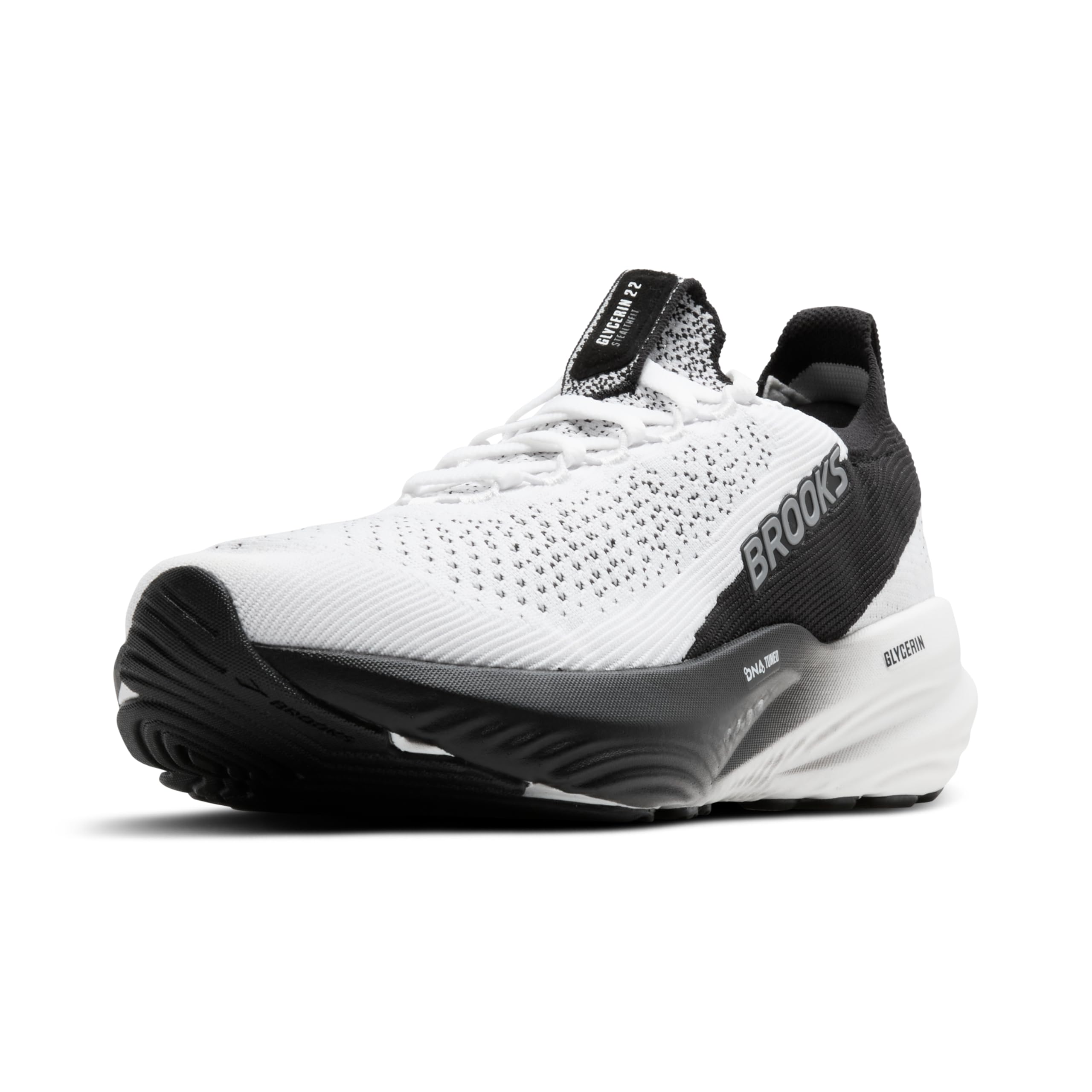
The Brooks Glycerin Stealthfit 22 represents the sweet spot where walking performance meets joint-friendly cushioning. Its nitrogen-infused DNA Loft v3 midsole provides a plush yet stable platform that absorbs the repeated heel-strike forces of long walks without feeling like you’re sinking with each step. The Stealthfit upper — a stretc-hybrid knit that wraps the foot like a sock — eliminates pressure points around the midfoot and creates a seamless fit that moves with you rather than against you. Owners report wearing these for eight-hour shifts on concrete and feeling zero foot fatigue, which is a direct function of the foam’s rebound rate and the heel counter’s rigid locking design. The package weight is 3 pounds, which translates to a shoe that feels substantial on the foot without being clunky, and the outsole uses blown rubber in the forefoot with carbon rubber in the heel for a balance of grip and abrasion resistance.
You’ll want to order a half-size up from your normal sneaker size unless you prefer a very snug performance fit, as the knit upper has limited volume in the toe box. The shoelaces are on the short side — about 40 inches — so if you prefer a double-knot or a wider lace lock pattern, you’ll want to swap them out. The Glycerin is not designed for trail use; the outsole’s flat siping pattern loses grip on loose gravel or wet grass.
For school custodians, mail carriers, and anyone logging over 10,000 steps a day, this shoe provides a layer of cushioning that preserves joint health over months of use. The midsole foam will start showing compression after roughly 400 miles, but that’s average for this density class — and owners often buy a second pair to rotate, extending the lifespan of both.
Why it’s great
- Nitrogen-infused foam maintains consistent softness without bottoming out on long walks
- Sock-like Stealthfit upper fits snugly mid-foot while reducing the need for a formal break-in period
- Heel counter keeps the foot locked in place, cutting down on heel blister risk during all-day wear
Good to know
- Runs snug in the toe box; order half a size up if you prefer a roomier fit
- Short laces out of the box; plan to replace them if you need a secure double knot
- Not meant for uneven terrain; outsole siping is optimized for flat pavement
2. Brooks Men’s Revel 8
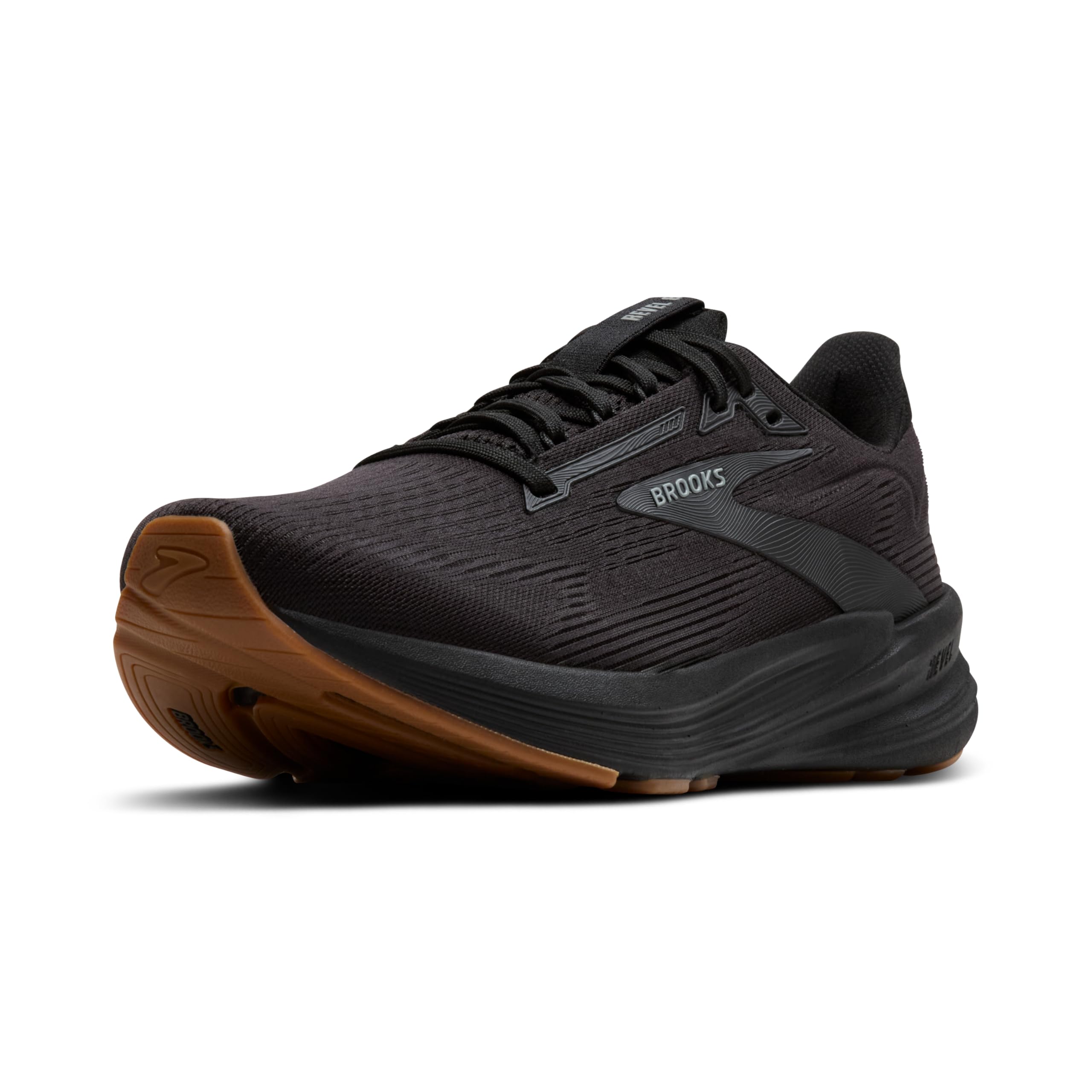
The Brooks Revel 8 is the lighter, more breathable sibling in the Brooks walking lineup, coming in at just 1.5 pounds per shoe for the men’s version. Its BioMoGo DNA midsole uses a compression-molded EVA that adapts to your stride speed — softer on slow recovery walks, firmer when you pick up the pace into a jog. Soccer referees and walkers who cover 270+ miles in a season report that the Revel 8 eliminates the bloody toenails and aching feet they experienced with heavier trail-oriented shoes. The mesh upper has excellent ventilation, making this a good choice for warmer months, though the trade-off is that the toe box is narrow — multiple verified buyers note you must order a full size larger than your normal hiker or trainer size.
The shoelaces are short, and the eyelets are non-metallic, so aggressive tightening can cause the laces to fray after several months. The outsole uses a solid blown-rubber compound that offers good wet-road grip but will begin showing smooth spots after about 300 miles of pavement walking. If you average 5 miles a day, that translates to roughly two months before the tread starts feeling slick.
Given its lightweight build, the Revel 8 is not ideal for carrying heavy loads or uneven terrain — this is a pure road shoe. But for the walker who wants a shoe that disappears on the foot and breathes well during high-humidity walks, it delivers an airy feel that heavier cushioning shoes can’t match.
Why it’s great
- Feels extremely light on the foot; ideal for fast-paced walking or warm-weather wear
- BioMoGo DNA foam adjusts rebound rate to your walking speed in real time
- Mesh upper breathes well enough to wear without socks on moderate-length walks
Good to know
- Narrow toe box; order at least half a size up, possibly a full size depending on foot width
- Blown-rubber outsole starts wearing smooth after roughly 300 miles of continuous use
- Non-metallic eyelets and short laces are a weak point under persistent tension
3. Dr. Scholl’s Shoes Women’s Time Off Win Sneaker
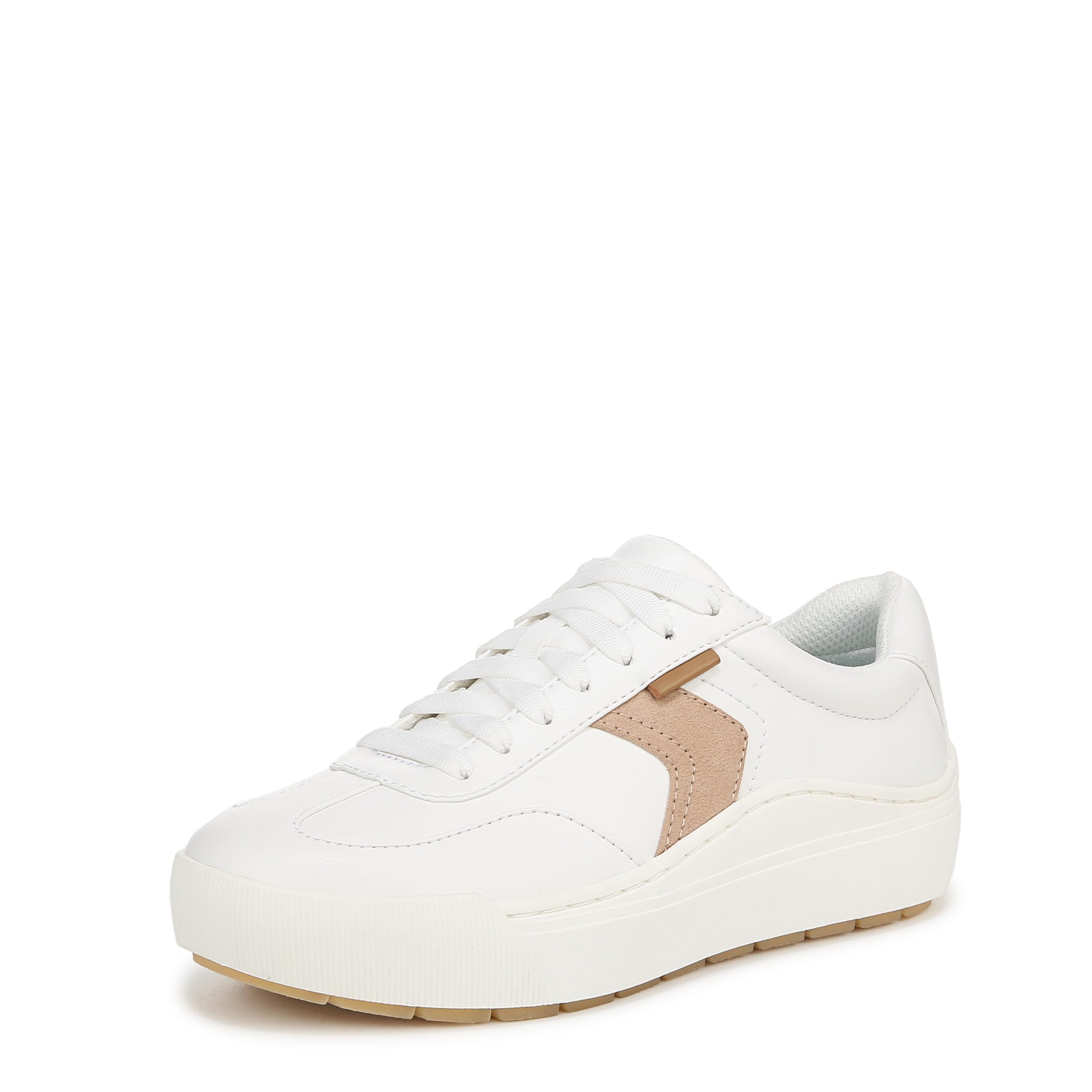
The Dr. Scholl’s Time Off Win sneaker proves that walking comfort doesn’t have to come in a bulky athletic silhouette. The shoe uses a removable cushioned insole that provides solid arch support and heel cushioning out of the box, which means no break-in period — you can wear these straight out of the box for a long day of errands or a trip to Europe. The retro platform design with a raised sole gives the shoe a bit of height without looking chunky, and the lightweight build means you won’t feel like you’re dragging a gym shoe around.
Multiple buyers with previous heel injuries report that the support level is high enough to keep foot pain at bay during 1-2 mile walks, even when worn for 8-hour workdays. The white colorway does get dirty quickly, and the synthetic upper is not machine-washable in the traditional sense — you’ll need to spot clean with a damp cloth. The shoe runs slightly short in the toe box, so if you are between sizes, an extra half-size up is recommended by multiple verified buyers to avoid toe-front contact. The right shoe in some pairs has been noted to rub the ankle initially, though this tends to resolve after a wear or two.
For the walker who wants a shoe that transitions from the office treadmill to a weekend market trip without looking like a running shoe, the Dr. Scholl’s is a strong option. The removable insole also allows for aftermarket orthotics, which is a significant advantage for people with high arches or specific plantar fasciitis needs.
Why it’s great
- Out-of-box comfort with zero break-in period, backed by strong arch support that suits walkers
- Removable cushioned insole allows for custom orthotics
- Retro platform style is versatile enough for casual work settings and everyday walking
Good to know
- Runs slightly short in length; order half a size up if you have longer toes
- White upper requires spot cleaning and shows dirt more quickly than darker colors
- Ankle collar may rub initially on a few pairs before normal wear softens it
4. Under Armour Men’s Charged Assert 9

The Under Armour Charged Assert 9 is the budget-friendly entry that still delivers a mid-range feel, thanks to its compression-molded Charged Cushioning midsole that doesn’t go dead as fast as straight memory foam. The shoe is available in 2E and 4E widths, making it one of the most accessible options for walkers with wide feet who have trouble finding comfortable shoes in standard sizing. The heel pull tab makes entry easy, and the mesh upper is durable enough to survive months of machine washing without delaminating — multiple owners report 8 months of heavy use before the upper begins to show fraying near the toe flex zone.
The downsides are notable for serious walkers. The outsole uses a smooth tread pattern that is too flat for any surface other than clean pavement — it will slide on loose rocks or wet metal grates. The shoe also runs warm; the non-breathable synthetic overlays trap heat in spring and summer, making it better suited for fall and winter walking. Owners note the heel needs a few miles of break-in before it stops rubbing the Achilles, and the arch support is decent for the price bracket but won’t rival the Brooks-level footbed engineering.
For a walker on a tight budget who wants a shoe with genuine wide-width availability and respectable foam durability, the Charged Assert 9 is the most honest value proposition on this list. It’s not the most technical shoe, but it handles 4-5 mile daily walks without causing foot pain, and at this price point that is a strong return on investment.
Why it’s great
- Available in 2E and 4E widths, accommodating wide-footed walkers who often struggle with fit
- Compression-molded Charged Cushioning holds up better than basic memory foam under daily walks
- Heel pull tab and durable mesh upper survive months of regular use even with machine washing
Good to know
- Smooth outsole tread loses traction on anything other than clean dry pavement
- Upper traps heat during warmer months; optimized for cooler-weather walking
- Heel requires a few miles of break-in before it stops rubbing the Achilles tendon
5. Skechers Men’s Afterburn M. Fit Fashion Sneakers
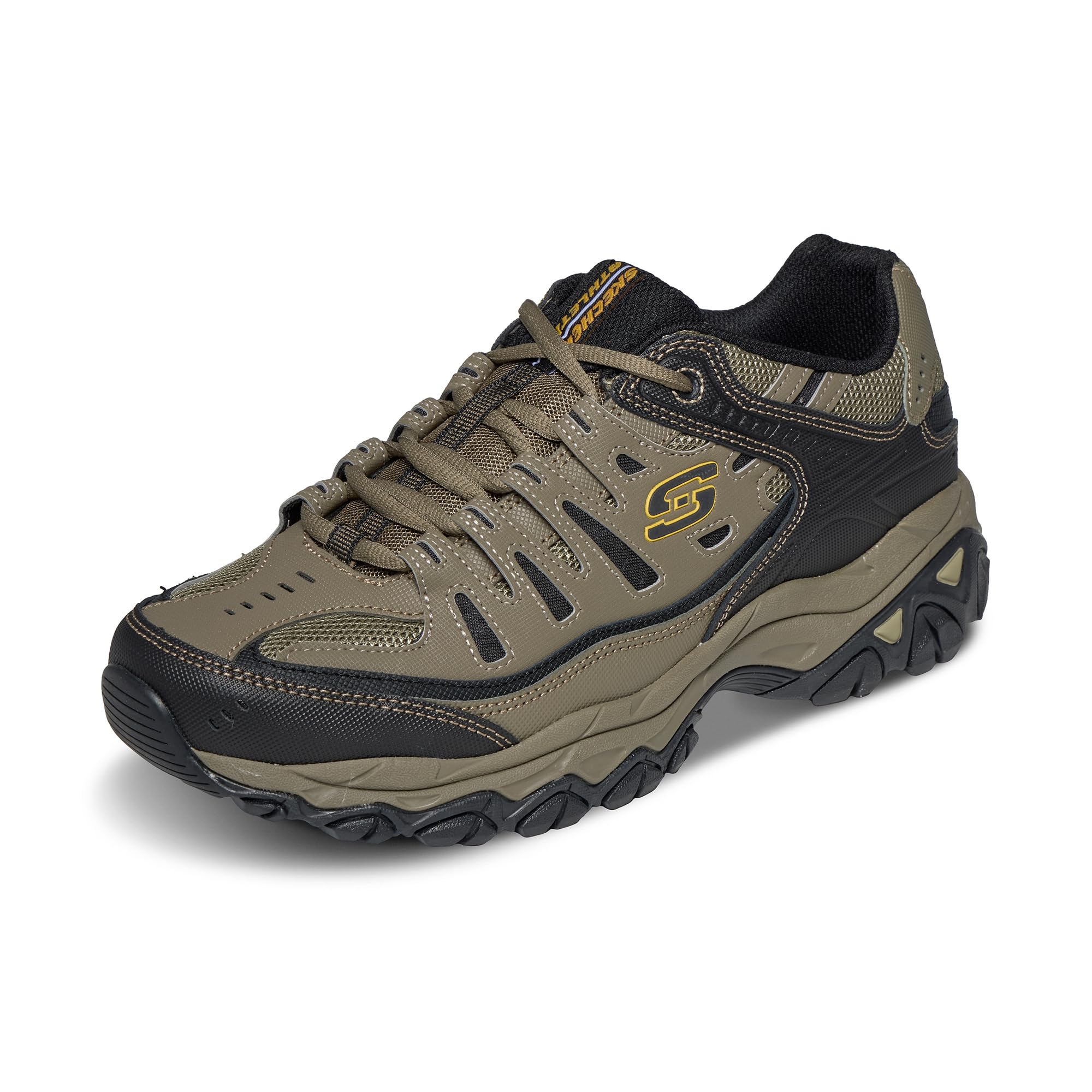
The Skechers Afterburn M. Fit is the walking shoe built for abuse — not gym treadmill miles, but actual day-in, day-out wear on tough surfaces. The leather upper with synthetic overlays shrugs off scrapes, kicks, and even a screw puncture in one owner’s experience, while the rubber outsole uses a multi-directional tread pattern that grips well on gravel, pavement, and airport terminal floors. The memory foam insole contours to the foot over the first week of use, providing a personalized fit that reduces fatigue during 8-hour shifts on concrete.
The major trade-off is foam longevity. The memory foam insole breaks down after roughly six months of daily use, and while the shoe’s upper and outsole are tough enough to last three years, the cushioning will need replacement sooner. Owners who walk 4-5 miles a day report that the first pair lasted just over a year before the foam lost its bounce — a respectable lifespan at this tier. The heel support is solid, with no reported pain even after long shifts, and the leather construction resists water better than mesh alternatives, making these a strong pick for outdoor walking in wet conditions. The wet sole does produce a squeaking noise on smooth indoor floors, which is worth noting if you work in a quiet environment.
If you need one shoe that can handle a trip to Disneyland, a year of daily dog walks, and the occasional rough trail without falling apart, the Afterburn is the most physically durable shoe on this list. Just plan to either replace the insole or buy a new pair when the foam goes flat.
Why it’s great
- Leather and synthetic upper is extremely tough and resistant to abrasions, punctures, and water
- Multi-directional rubber outsole provides solid traction on mixed surfaces including gravel and pavement
- Memory foam insole molds to the foot for a custom fit that reduces shift-long fatigue
Good to know
- Foam cushioning breaks down after 6-8 months of continuous daily use; plan for replacement insoles
- Wet outsole produces an audible squeak on smooth indoor flooring like tile or linoleum
- Limited insole height means aftermarket orthotics may not fit without sizing up
6. Skechers Women’s Summits Sneaker

The Skechers Summits sneaker is designed for the walker who wants to step out of the box and straight into a day of activity with zero transition discomfort. The lightweight mesh upper is extremely breathable, allowing for sockless wear without overheating, and the rubber outsole uses a patterned ridge that prevents slipping on wet surfaces. The memory foam footbed is soft enough to accommodate post-foot-surgery needs, with owners reporting that the soft toe box doesn’t press on sensitive areas even after hours of walking.
The heel fit is one area where consistency varies — some owners with standard width size 8 noted a sloppy heel hold, suggesting the heel counter is not as rigid as structured walking shoes. The shoe runs true to size for most, and the slip-on design means no laces to manage, which is a major convenience for casual walking. Durability is surprisingly strong: one owner reports 7 years of use from a previous version before the side ripped out, with no blister formation even during heavy use. The neon pink colorway is bright enough to get compliments but may not be suitable for everyone’s work dress code.
For the woman who wants a reliable, low-hassle everyday walking shoe that requires zero break-in and can even be worn post-surgery, the Summits delivers. The mesh upper holds up well to machine washing, and the memory foam provides enough support for errands, short walks, and travel.
Why it’s great
- Zero break-in required; comfortable right out of the box even for sensitive feet
- Breathable mesh upper allows sockless wear without overheating in warm weather
- Slip-on design eliminates lace management and is easy for quick on/off throughout the day
Good to know
- Heel fit can feel loose on some foot shapes; consider sizing down for a more locked-in hold
- Colorways are bright and may not fit conservative work or travel dress codes
- Memory foam footbed will compress over time; not ideal for walkers who need midsole rebounding force
7. Skechers Men’s Hands Free Slip-ins BOBS Chaos 4
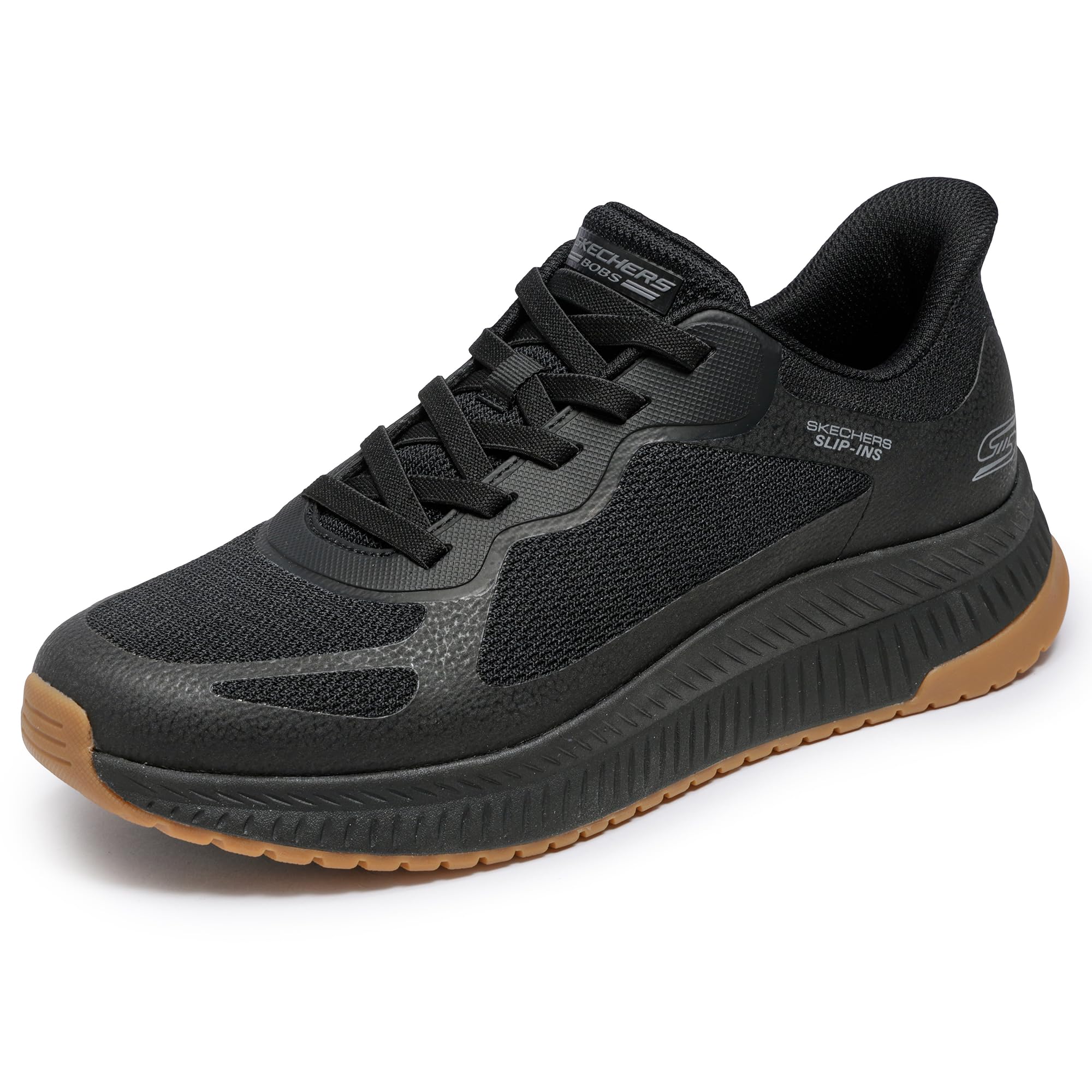
The Skechers BOBS Chaos 4 is engineered around a single concept: convenience without sacrificing walking comfort. The Hands Free Slip-in design uses a sturdy heel counter that doesn’t collapse under the weight of your foot, so you can step in without needing to use your hands to hold the heel open — a surprisingly useful feature for commuters, busy parents, and anyone who hates bending over to put shoes on. The thick sole provides excellent cushioning for running and walking, with owners noting no foot fatigue even after long days on concrete floors.
The shoe has a wide build that feels similar to Vans or skater-style shoes but without the flat impact — the memory foam insole and rubber outsole combination absorbs shock better than typical skate silhouettes. Sizing and color availability are inconsistent, and some buyers note that the initial fit can feel roomy before the memory foam contours to the foot after a few wears. The upper uses a woven fabric that provides decent ventilation, though not as breathable as the open-mesh on the Summits or Revel 8.
For the walker who prioritizes quick on-and-off access and is willing to accept a slightly looser fit for that convenience, the Chaos 4 is a strong pick. The shoe holds up well over time, with owners buying second pairs the day their first pair arrives — a vote of confidence in the comfort formula even if the aesthetics are more casual than athletic.
Why it’s great
- Hands-free heel entry is genuinely convenient for quick on-and-off without bending over
- Thick sole provides excellent shock absorption for prolonged walking on hard surfaces
- Wide comfortable build with memory foam that contours after a few days of wear
Good to know
- Initial fit feels roomy; shoe needs a few wears for memory foam to conform to your foot shape
- Woven upper is less breathable than open mesh alternatives, not ideal for hot/humid conditions
- Sizing and color availability is inconsistent across retailers; buy early to secure your size
FAQ
Can I use running shoes for walking?
How often should I replace my walking shoes?
Are slip-on walking shoes as supportive as lace-up shoes?
What’s the ideal weight for a walking shoe?
Do I need wide-width walking shoes?
Final Thoughts: The Verdict
For most users, the footwear for walking winner is the Brooks Glycerin Stealthfit 22 because its nitrogen-infused foam provides the best balance of long-mile cushioning and joint protection without a break-in period. If you want a lighter, more breathable option for warm-weather walks, grab the Brooks Revel 8. And for the walker on a budget who needs wide-width availability and respectable foam durability, nothing beats the Under Armour Charged Assert 9.