
Reseeding a patchy lawn often ends in frustration when thin sprouts, weeds, or bare dirt return within a month. The difference between a repair that lasts and one that fades comes down to selecting a seed blend with the right species, germination speed, and tolerance for your specific light conditions — not just grabbing the cheapest bag on the shelf.
I’m Mohammad Maruf — the founder and writer behind Drink4Good. I analyze hundreds of customer reports and technical spec sheets for lawn seed blends to identify which mixes actually deliver on their coverage claims and stand up to real-world sun, shade, and foot traffic conditions.
After sorting through germination rates, weed-free guarantees, and blend compositions across the top contenders, I’ve narrowed the field to the seven most reliable options for your next reseeding project. This guide breaks down exactly when to use each mix so you can pick the right grass seed for reseeding your lawn without guesswork.
How To Choose The Best Grass Seed For Reseeding
Reseeding isn’t the same as planting a brand-new lawn — you’re working with existing soil conditions and competing with established grass or weeds. The wrong blend can lead to uneven color, poor density, or a yard that looks worse after the work than before. Focus on these three factors to get it right the first time.
Species Blend and Light Conditions
Cool-season blends dominate reseeding in northern and transitional zones. Turf-Type Tall Fescue offers deep roots and broad leaf blades ideal for high-traffic areas. Perennial Ryegrass germinates fastest, often in 7–12 days, making it the top choice for quick bare-spot repair. Fine Fescues handle dense shade better than any other cool-season grass — if your reseeding area sits under a tree canopy, don’t skip a mix with Chewings, Creeping Red, or Hard Fescue. Kentucky Bluegrass spreads via rhizomes and fills in thin spots over time, but it takes 14–21 days to germinate and needs consistent moisture.
Weed-Free Guarantees and Pure Seed Weight
A bag labeled “99.9% weed-free” means you’re buying actual grass seed, not filler. Many budget mixes include inert coating material or annual ryegrass that looks green for one season then dies. Look for pure seed weight listed on the bag — a 7-pound bag of pure Tall Fescue covers roughly the same area as a 10-pound bag of a heavily coated “patch” product because the coating adds bulk without adding grass. For reseeding, pure seed per pound directly correlates to how many grass plants you get.
Coverage Rate and Bag Size
Coverage varies wildly between products because seeding rates differ by grass species — Tall Fescue requires more seed per square foot than Ryegrass. Always check the new lawn coverage rate, not just the overseeding number. If you’re patching scattered bare spots, a 7-pound bag often goes further than you expect. If you plan to overseed the entire lawn, buy a 20-pound bag or larger to avoid running out halfway through.
Quick Comparison
On smaller screens, swipe sideways to see the full table.
| Model | Category | Best For | Key Spec | Amazon |
|---|---|---|---|---|
| Jonathan Green Black Beauty | Cool-Season Mix | Full lawn overseeding in sun/shade | 4-species blend (TTTF, KBG, PR, FF) | Amazon |
| Outsidepride Legacy Fine Fescue | Fine Fescue | Deep shade and low-traffic zones | OptiGrowth coating with nutrients | Amazon |
| Barenbrug Turf Star RPR | Perennial Rye | High-traffic repair, self-repair | RPR Regenerating Technology | Amazon |
| GreenView TT Tall Fescue | Tall Fescue | Transition-zone lawns, drought spots | 7 lbs pure seed, 99.9% weed-free | Amazon |
| GreenView Perennial Rye | Perennial Rye | Speed repair in sun/partial shade | Germinates in 7–12 days | Amazon |
| Pennington Smart Patch | Patch Mix | Small bare spot repair with mulch | All-in-one with fertilizer + tackifier | Amazon |
| Scotts Turf Builder All-Purpose | All-Purpose Mix | Large-area overseeding, budget coverage | 20 lbs covers 8,000 sq. ft. | Amazon |
In‑Depth Reviews
1. Jonathan Green Black Beauty Sun & Shade Grass Seed

Jonathan Green built the Black Beauty mix around four cool-season families — turf-type Tall Fescue, Kentucky Bluegrass, perennial ryegrass, and fine fescues — creating a blend that adapts to both full sun and partial shade without favoring one extreme. Multiple customers report that this mix germinated roughly 50 percent faster than Pennington or Scotts blends in side-by-side tests, producing thick, dark green turf within weeks. The 7-pound bag covers up to 5,250 square feet for overseeding, which makes it one of the most efficient reseeding options per pound among mid-range products.
Buyers in central Illinois and similar transition zones describe bare spots filling in completely by late spring after a single overseeding pass, with some calling it the best lawn they’ve had in 40 years. The blend requires consistent daily watering through the full 7-to-14-day germination window, but the payoff is a dense turf that crowds out many common weeds without chemical intervention. A small number of users report that fast-growing ryegrass in the mix produced visible wide-bladed stalks in spring, which may feel uneven if you prefer a uniform Tall Fescue monoculture.
For homeowners seeking a single-bag solution that handles mixed sun and shade across an entire property, the Black Beauty mix delivers reliable coverage with minimal filler. Its germination speed and color consistency make it a strong candidate for both first-time reseeding and annual overseeding programs in cool-season lawns.
Why it’s great
- Four-species blend adapts to sun and shade conditions
- Germinates faster than many competitors during cool weather
- High coverage per bag for overseeding projects
Good to know
- Requires daily watering for consistent germination
- Ryegrass component may create visible blade variation
2. Outsidepride Legacy Fine Fescue Grass Seed Mix
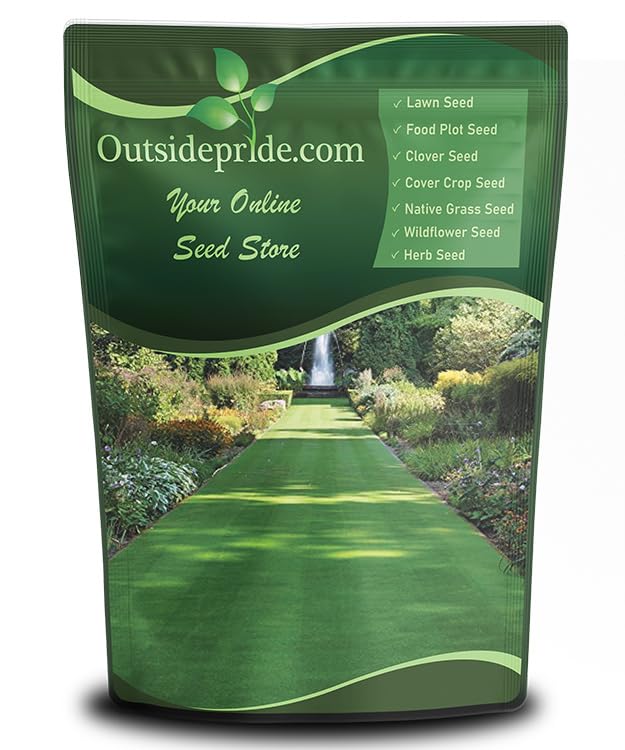
Outsidepride’s Legacy Fine Fescue mix is purpose-built for yards where standard Tall Fescue or Ryegrass struggles — deep shade under mature trees, north-facing slopes, and thin soil. The blend combines 40 percent Chewings Fescue, 40 percent Creeping Red Fescue, and 20 percent Hard Fescue, each selected for fine blades and low-light tolerance. The OptiGrowth coating adds zinc, phosphorus, nitrogen, and kelp extract, which helps seeds hold moisture during the critical establishment phase and supports uniform spread through a broadcast spreader.
Customers report seeing germination in roughly 10 days, with the grass growing into a dark green, fine-textured turf that requires less mowing than coarser blends. The thin blades tend to bend rather than stand rigid, giving the lawn a soft, almost ornamental appearance that blends well with existing fescue lawns. Moisture needs sit at moderate levels — the fine fescues naturally tolerate drier conditions once established, which reduces the risk of patches dying off during a summer dry spell.
A small percentage of buyers experienced very low germination rates and reported issues with the manufacturer’s refund policy, citing a lack of a germination guarantee. The coated seed weight also means a 5-pound bag covers less area than an equivalent uncoated seed — plan for roughly 875 square feet for new lawns, not more. If your reseeding project targets shaded zones that conventional mixes can’t handle, this is the most specialized option in the lineup.
Why it’s great
- Excellent shade tolerance with fine, ornamental texture
- OptiGrowth coating supports even spread and moisture retention
- Low-maintenance once established with moderate watering
Good to know
- Coated seed reduces effective coverage compared to uncoated blends
- Some customers report poor germination and difficult return process
3. Barenbrug Turf Star Regenerating Perennial Ryegrass

Barenbrug’s Turf Star uses RPR (Regenerating Perennial Ryegrass) technology, a proprietary trait that allows individual plants to send out new shoots from the crown after damage, effectively self-repairing thin or worn patches without overseeding. This makes it a standout choice for lawns that endure dog traffic, children’s play, or shaded areas where grass tends to thin out each season. The Yellow Jacket seed coating improves seed-to-soil contact and speeds germination — customers in zone 8b report thick, plush turf within three weeks even on clay-heavy soil.
The 10-pound bag covers a substantial area, and the blend’s dark green color and fine blade width match well with typical tall fescue and Kentucky bluegrass lawns. Users who applied it to whole backyards with heavy wear patterns note that the RPR trait visibly reduces the need for annual reseeding in those zones. The grass also withstood dry summer conditions far better than standard perennial ryegrass mixes, bouncing back quickly after the first rain.
One serious complaint involves crabgrass contamination — a customer reported that after applying 150 pounds of this seed across their yard, two-thirds of the lawn developed crabgrass that required chemical treatment to control. If your reseeding area already has a crabgrass history, consider a starter fertilizer with pre-emergent alongside this blend. For homeowners willing to manage that risk, the self-repairing trait alone can justify the premium price.
Why it’s great
- RPR technology enables self-repair in high-traffic areas
- Fast germination with Yellow Jacket coating
- Dark green color blends well with cool-season lawns
Good to know
- Risk of crabgrass contamination reported by some users
- Higher price per pound than standard ryegrass blends
4. GreenView Pure Grass Seed Turf Type Tall Fescue Sun & Shade Blend

GreenView’s Tall Fescue blend hits the sweet spot for homeowners who want no filler in their reseeding bag. The 7-pound bag contains only grass seed — no mulch, no coating, no fertilizer — and the 99.9% weed-free guarantee means you’re paying for actual grass plants, not inert material. Turf-Type Tall Fescue develops deep roots that reach down 2 to 3 feet, giving it natural drought and heat resistance that perennial ryegrass can’t match. The recommended coverage of 1,750 square feet for overseeding is generous for a 7-pound bag because the seed density is high.
Buyers in zone 8b report dark green germination within 10 days when combined with a thin layer of peat moss or compost. The grass grows in with a medium-to-coarse texture that stands up well to foot traffic, making it a smarter choice for families than finer-bladed fescues. Multiple reviews note that there are absolutely no weed seeds in the mix, which saves you from the common reseeding headache of pulling dandelions or crabgrass mid-summer.
Germination is slower than advertised in cooler spring soil, especially compared to ryegrass-dominant blends. A few customers in Pennsylvania reported that the seed took significantly longer than 10 days to sprout when soil temperatures stayed below 55 degrees. If you need fast coverage for a patch you can see from the street, this blend isn’t the quickest fix — but for long-term density and weed resistance, it’s tough to beat at this price point.
Why it’s great
- 100% pure grass seed with no filler or coating
- 99.9% weed-free for a clean lawn
- Deep-rooted Tall Fescue tolerates drought and heat
Good to know
- Germinates slower when soil stays below 55°F
- Medium-coarse texture may not suit fine-blade lawns
5. GreenView Pure Grass Seed Perennial Ryegrass Blend

For reseeding projects where speed is the priority — think bare spots visible from the driveway or dog-damaged patches in the backyard — GreenView’s Perennial Ryegrass blend germinates in 7 to 12 days, faster than any other cool-season grass in this roundup. The 7-pound bag covers up to 3,500 square feet for overseeding, giving it the best coverage-per-pound ratio among pure seed options. Ryegrass blades are dark green and fine-textured, creating a soft, manicured look that blends well with existing fescue or bluegrass lawns.
Customers consistently report noticing growth within 24 to 48 hours after planting, with full establishment visible in under two weeks. One user called it “finally found the perfect grass seed” after it outperformed Scotts and Pennington blends that produced zero germination in side-by-side tests. The blend is 99.9% weed-free and contains no inert fillers, so every pound in the bag goes toward grass production.
The downside of perennial ryegrass is longevity — it doesn’t spread via rhizomes like Kentucky Bluegrass, and its root system is shallower than Tall Fescue. In hot summers or prolonged drought, ryegrass will thin out faster and may require overseeding again the following season. For a permanent fix in high-traffic or full-sun yards, a Tall Fescue or mixed-species blend would serve better. But for rapid seasonal touch-ups, this is the fastest-results option in the list.
Why it’s great
- Fastest germination of any cool-season blend (7–12 days)
- 100% pure seed with no fillers or coatings
- Dark green color and fine texture blend well with existing turf
Good to know
- Shallower root system requires more frequent watering in drought
- May need reseeding within 12–18 months in high-traffic areas
6. Pennington Smart Patch Sun and Shade Grass Seed Mix

Pennington’s Smart Patch is best thought of as a lawn-first-aid kit rather than a bulk reseeding product. The bag combines grass seed (a blend of American Ryegrass, Perennial Ryegrass, and Kentucky Bluegrass) with fertilizer and mulch into a single mix, plus a tackifier that prevents the seed from washing off slopes or during rain. The mulch layer also changes color when it dries, giving you a visual cue for when to water — a genuinely useful feature for beginner reseeders who tend to under-water.
Customers report excellent results on small bare spots, with growth visible in as few as 4 days and thick coverage within 2 weeks when watered twice daily. Several reviews call it the best patch product they’ve tried, outperforming Scotts EZ Seed in both speed and density. The 10-pound bag covers only 600 square feet, which makes it uneconomical for large bare areas — but for spot repairs on a lawn with scattered dead patches, the all-in-one formula saves the step of buying separate fertilizer and mulch.
The main trade-off is cost-effectiveness. Because the bag weight includes mulch and fertilizer, you’re paying for a lot of non-grass material. A customer who tried it on a larger area reported zero germination after 6 days and coverage that didn’t match the bag’s claim. This product earns its place as a convenience buy for spot repairs, not as a primary reseeding solution for half your lawn.
Why it’s great
- All-in-one seed, fertilizer, and mulch saves time
- Tackifier prevents washout on slopes and hills
- Mulch color indicator signals when to water
Good to know
- Poor value for large-area reseeding due to filler content
- Mixed germination results — not reliable for all conditions
7. Scotts Turf Builder Grass Seed Quality All-Purpose Mix

Scotts All-Purpose Mix is the volume play for large-scale reseeding on a budget. The 20-pound bag seeds up to 8,000 square feet for spot repair and 4,000 square feet for a full new lawn, making it the highest coverage-per-dollar option in this roundup. The blend is formulated for both sunny and shady areas and uses Scotts’ WaterSmart coating, which absorbs twice as much water as uncoated seed to reduce the risk of drying out during the germination window. It’s 99.9% weed-free, and Scotts backs it with their no-quibble guarantee.
Customer reviews from northern states confirm that the seed germinates reliably in about 2 weeks and fills in thin spots with a medium-green grass that blends well with typical cool-season lawns. Users who applied it over bare dirt report thick, tall growth that stands up well to heat — one reviewer described it as “the best product on the market for the price” and noted its color consistency with established bluegrass and tall fescue. The all-purpose nature means it isn’t optimized for deep shade or heavy drought, but it performs adequately across most standard lawn conditions.
The main concern is seed purity relative to more expensive blends. A customer who spread this mix over a dirt area reported that after applying crabgrass preventer, half the new grass died, suggesting the mix contained a grass species sensitive to pre-emergent herbicides or that the coating material contributed to uneven coverage. If your reseeding plan includes a pre-emergent application, check compatibility with Scotts’ specific blend. For simple overseeding of an established lawn, this is a cost-effective choice that won’t break the bank.
Why it’s great
- Largest coverage per bag in this review — perfect for big lawns
- WaterSmart coating reduces watering frequency
- 99.9% weed-free with strong manufacturer guarantee
Good to know
- Coating can make grass species identification difficult
- May not be compatible with all pre-emergent herbicides
FAQ
Can I reseed over existing grass without tilling?
Should I use a starter fertilizer when reseeding?
How often should I water newly reseeded grass?
What is the difference between annual ryegrass and perennial ryegrass?
Can I reseed in summer or should I wait for fall?
Final Thoughts: The Verdict
For most users, the grass seed for reseeding winner is the Jonathan Green Black Beauty Sun & Shade because its four-species blend handles mixed light, germinates faster than most competitors, and produces deep green turf without filler. If you need self-repairing grass for a high-traffic yard, grab the Barenbrug Turf Star RPR. And for shade-dominant lots where standard mixes fail, nothing beats the Outsidepride Legacy Fine Fescue for its specialized texture and low-light performance.