
Most people write down resolutions only to forget them by February. The real problem isn’t a lack of ambition — it’s the lack of a structured system that translates a vague desire into a daily, trackable action. A well-designed journal forces that translation, turning intention into execution through weekly reflection and habit tracking.
I’m Mohammad Maruf — the founder and writer behind Drink4Good. I’ve spent hundreds of hours analyzing the architecture of planning systems, comparing paper quality, binding durability, and the psychological science behind goal-setting frameworks to separate the journals that actually drive progress from those that just look good on a shelf.
This guide breaks down the top options across different planning styles, paper specs, and goal-setting philosophies to help you choose the best goal setting journal for turning your ambitions into measurable results.
How To Choose The Best Goal Setting Journal
Not all goal journals are created equal. Some prioritize daily gratitude prompts, while others focus on quarterly business planning. The right one depends on how you think about your time and how frequently you need to reassess your priorities. Consider the planning horizon — do you work best with monthly overviews, weekly action steps, or daily breakdowns? A journal that matches your natural cadence will get used; one that doesn’t will collect dust.
Layout Structure: Undated vs. Dated
Undated journals let you start anytime without wasting pages. This is critical for goal setters because life disruptions are inevitable — if you miss two weeks in a dated planner, those blank pages become a source of guilt rather than motivation. Undated formats allow you to pause and resume without penalty, making them the preferred choice for most long-term goal work.
Paper Quality and Binding
The tactile experience matters more than you think. Journals with 120 GSM paper or higher resist bleed-through from gel pens, markers, and fountain pens, keeping your pages clean and readable. Lay-flat binding is non-negotiable for comfortable writing — a spine that cracks or forces you to hold the book open interrupts your flow. Look for sewn or lay-flat binding that stays open on a desk without weights.
Additional Frameworks: Vision Boards, Habit Trackers, and Reflection Pages
The best goal journals go beyond blank lines. A dedicated vision board section helps you visualize long-term aspirations, while habit trackers create accountability for daily micro-actions. Weekly and monthly reflection pages let you assess what worked and adjust your approach — this feedback loop is where the real growth happens. Some journals also include budgeting pages or mind-mapping tools, which add value if those areas align with your goals.
Quick Comparison
On smaller screens, swipe sideways to see the full table.
| Model | Category | Best For | Key Spec | Amazon |
|---|---|---|---|---|
| Legend Planner PRO Premium | Premium | Detailed weekly & budget planning | A4, 120 GSM, 160 pages | Amazon |
| Bold Tuesday Manifestation Journal | Premium | Guided weekly manifestation system | A5, 120 GSM, 52 weeks | Amazon |
| Phoenix Planner | Mid-Range | Structured 12-week execution cycles | 7″x10″, 120 GSM, 26 pages | Amazon |
| Freedom Mastery Life & Goal Planner | Mid-Range | Harmony-focused goal setting with habit trackers | A5, 248 pages, soft faux leather | Amazon |
| WZFFPAOJ Undated Planner | Budget | Entry-level weekly & monthly planning | A5, 120 GSM, 1 year | Amazon |
In‑Depth Reviews
1. Legend Planner PRO Premium
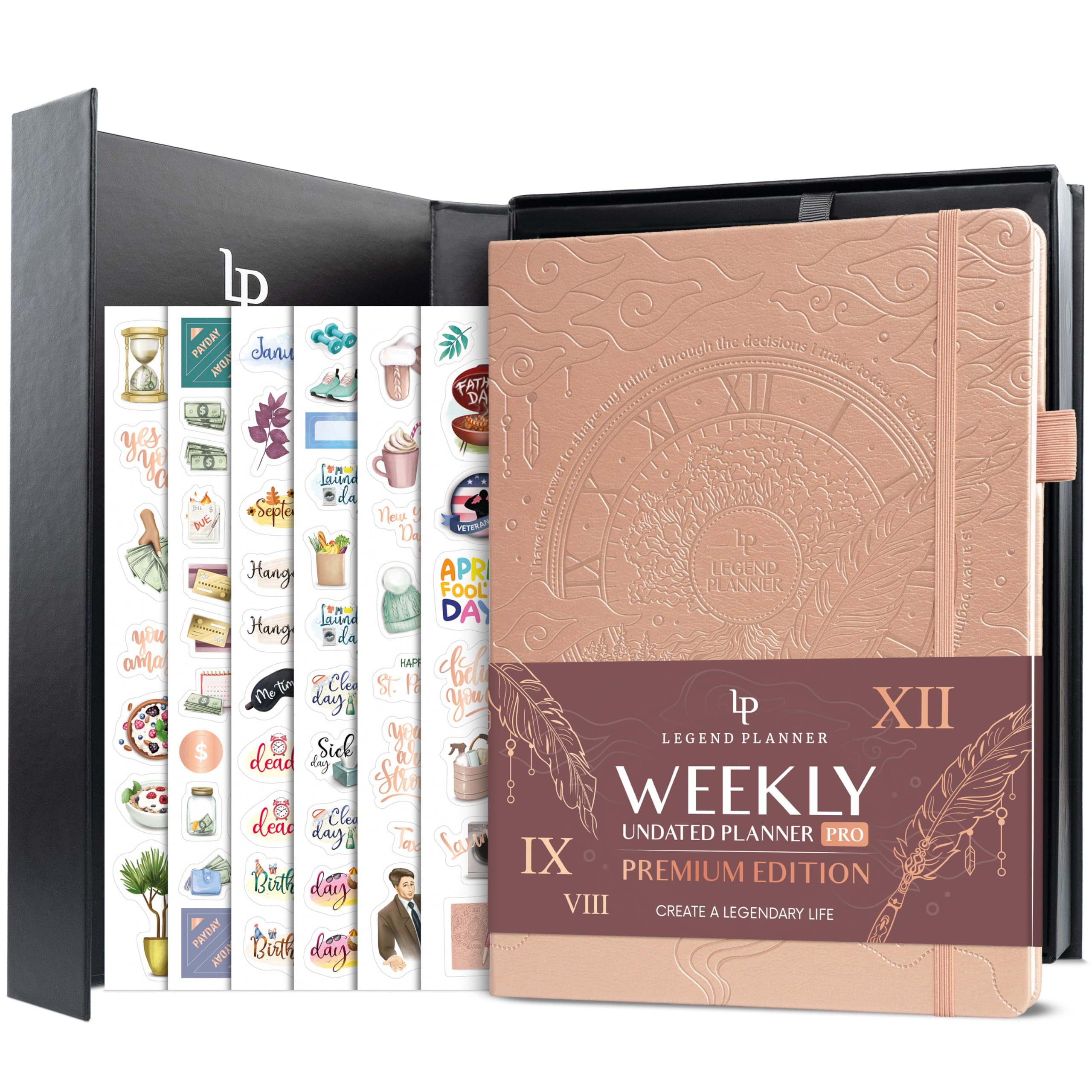
The Legend Planner PRO Premium earns the top spot because it delivers the most comprehensive planning ecosystem in a single journal. Its A4 size (8.5×11.5 inches) provides generous writing space for weekly, monthly, and quarterly layouts — you can map out long-term goals, break them into action steps, and track progress without feeling cramped. The 160 pages include dedicated budgeting sections alongside the goal-setting framework, making it ideal for users who want to align financial targets with personal ambitions.
The 120 GSM paper handles gel pens and markers cleanly, with no ghosting or bleed-through. Three ribbon bookmarks let you jump between the current week, the monthly calendar, and your habit tracker instantly. The eco-leather hardcover and lay-flat binding mean this journal will survive a year of daily carry in a bag or on a desk. Users consistently report that the combination of weekly reviews and tri-monthly check-ins keeps them accountable even during chaotic periods.
This is a premium pick for someone who needs a command center for life management rather than a simple diary. The included sticker pack and detailed user guide help new planners get oriented quickly. If you struggle with time blindness or need to juggle multiple domains (career, health, finances), this journal’s structured space will serve you well.
Why it’s great
- A4 format offers ample room for detailed planning and budgeting
- 120 GSM paper prevents ink bleed with markers and pens
- Three ribbon bookmarks enable quick navigation between sections
Good to know
- Large size may not fit in standard handbags or small backpacks
- Some users find the monthly review pages go unfilled
2. Bold Tuesday Manifestation Journal
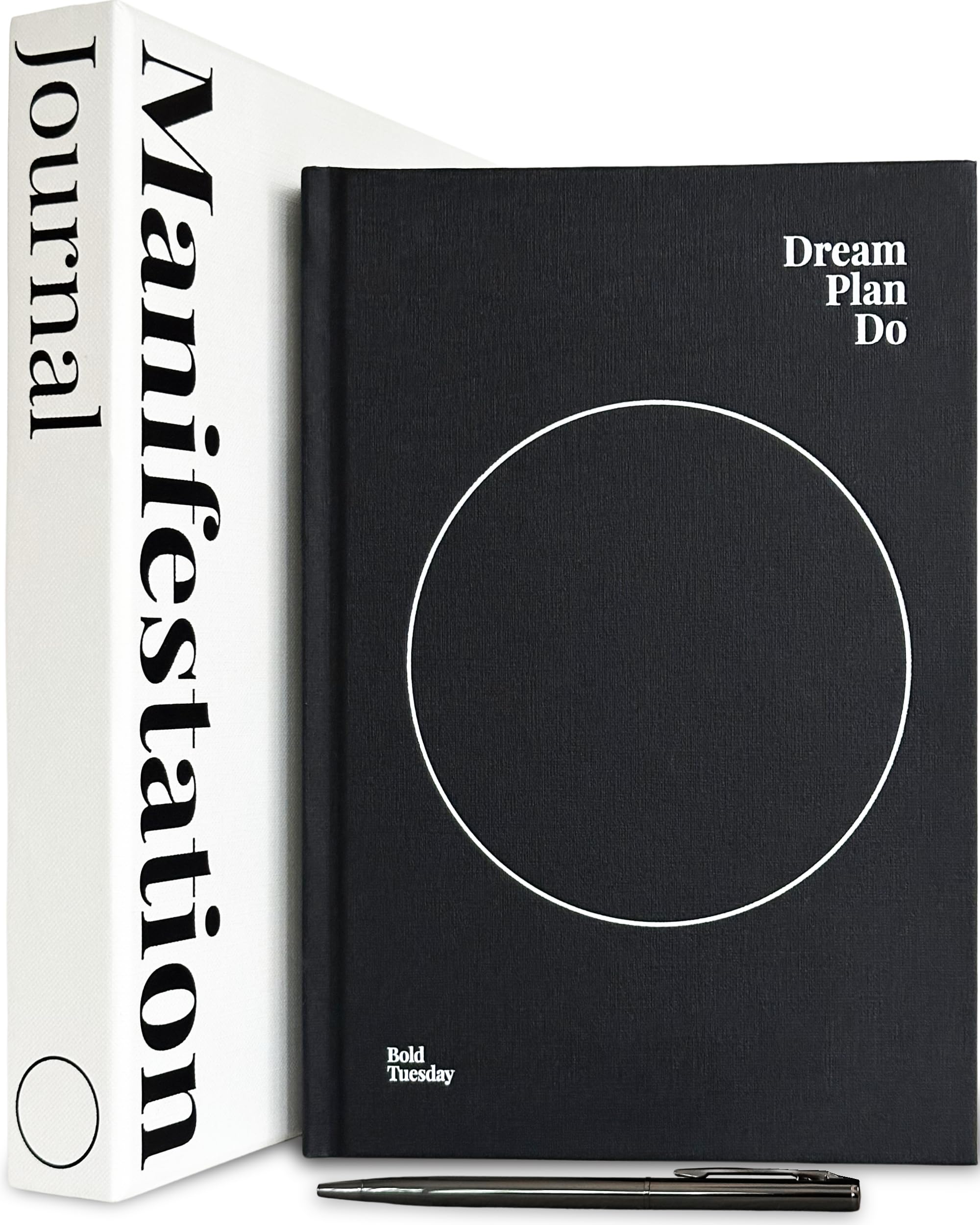
This journal takes a structured, science-informed approach to goal setting that goes beyond simple to-do lists. Created by a credentialed coach, it follows a six-chapter framework: theory and science, values and beliefs, goals, vision board, weekly action, and reflection. The 52-week undated layout cycles through four-week blocks with fresh visualization exercises and journaling prompts, preventing the monotony that often causes abandonment of other planners.
The physical build is exceptional for the price point. The 120 GSM wood-free paper has a warm tone that resists bleed-through, and the flat-lay binding holds open easily on a desk. Two ribbon bookmarks help you track your current week and your vision board simultaneously. The included 20×16 inch fold-out vision board poster is a standout feature — it transforms abstract aspirations into a physical reference point you can pin up and see daily. The journal also includes QR links to guided meditations, which adds a multi-sensory layer to the goal-setting process.
Where this journal truly differentiates itself is in the depth of its prompts. It asks you to clarify your core values before setting goals, ensuring your ambitions align with your identity rather than external expectations. Reviewers consistently note that the weekly progress bar and varied check-in prompts keep motivation high. If you find traditional planners too dry or lacking in psychological depth, this guided system will feel like having a coach in your pocket.
Why it’s great
- Six-chapter framework grounded in neuroscience and coaching principles
- 20×16 inch vision board poster for physical goal visualization
- Varied 4-week cycles with fresh prompts to prevent repetition
Good to know
- Guided prompts may feel prescriptive for experienced goal setters
- Vision board section requires some setup time and materials
3. Phoenix Planner

The Phoenix Planner is built for execution over reflection. Its core architecture is a focused 12-week system, repeated twice to cover a six-month period. This condensed sprint format is ideal for business owners, freelancers, or anyone tackling a specific project with deadlines. Each daily page provides space for priorities, schedule, key actions, and gratitude — stripping away filler to keep attention on what drives measurable progress.
The 7×10 inch size is larger than most A5 journals, giving you room to write without feeling constrained. The 120 GSM paper supports fountain pens and highlighters without bleed-through, and the hardcover lay-flat binding means you can write comfortably at the edge of the page. The undated format allows you to start any cycle on any Monday, making it easy to jump back in after a vacation or life disruption. Reviewers frequently mention that the goal-setting pages require serious upfront thought — this is not a journal you can fill out in five minutes.
Where the Phoenix Planner really shines is in its weekly review structure. Each week forces you to look back at what you accomplished, what you didn’t, and why. Over time, this builds a feedback loop that reveals patterns — like consistently overestimating how much you can do in a day. This self-awareness is the journal’s true value. If you already know what you want but struggle with consistent execution, the Phoenix Planner will sharpen your discipline.
Why it’s great
- 12-week sprint format drives focused execution on specific goals
- Weekly review pages build a powerful self-awareness feedback loop
- Undated layout allows flexible start and resume without wasted pages
Good to know
- Only covers six months; requires a new journal for a full year
- Daily structure may feel too rigid for those who prefer flexible weekly layouts
4. Freedom Mastery Life & Goal Planner

The Freedom Mastery planner takes a holistic approach by integrating goal setting with mental, physical, and interpersonal well-being. Its 248 pages include vision boards, mind maps, morning and evening routines, a 90-day habit tracker, and reflection pages. The journal is designed around the idea that productivity without harmony leads to burnout — so it asks you to define what “harmony” looks like in your life before diving into goal planning.
The A5 size makes it portable enough for daily carry, and the soft faux leather cover with silver foil accents gives it a genuinely luxurious feel. The paper is bright white with a slight dot grid pattern, and reviewers confirm that it handles thin highlighters and flair pens without bleed-through. Two ribbon bookmarks and an elastic closure keep everything organized. The undated format covers a full year, and the layout flows from quarterly reviews into monthly, weekly, and daily sections.
Where this planner excels is in its emphasis on gratitude and self-care alongside productivity. Each week includes a “Feel-Good List” and a gratitude prompt, which helps maintain emotional balance during high-stress goal pursuit. Some users initially find the layout confusing because of the sheer number of sections, but once the system clicks, it becomes a comprehensive tool for life design. If you want a planner that cares about your happiness as much as your output, this is the right choice.
Why it’s great
- Holistic framework balances productivity with emotional well-being
- High page count (248) with diverse sections for deep self-exploration
- Luxe soft cover and silver foil details feel premium in hand
Good to know
- Abundance of sections can feel overwhelming at first
- Some users report missing setup instructions despite promised video course
5. WZFFPAOJ Undated Planner
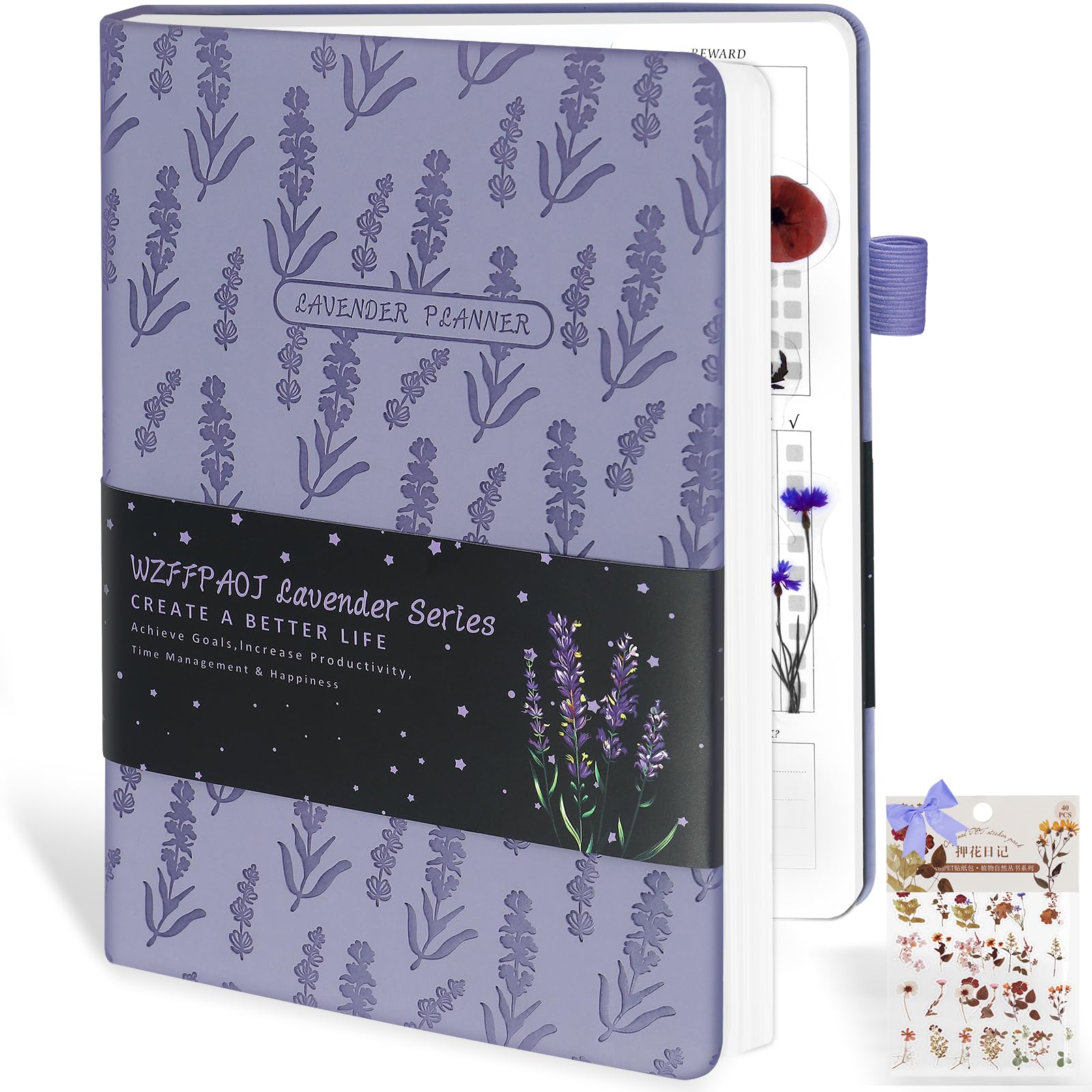
This budget-friendly option proves that you don’t need to spend a lot to get a functional goal-setting system. The A5 hardcover comes in a choice of floral-embossed PU leather covers, and the 120 GSM paper is thick enough to prevent bleeding from most pens. The undated layout covers 12 months, with monthly calendars and weekly planning sections that include priority lists, habit trackers, and reflection spaces. It also comes with 40 flower stickers for those who enjoy decorating their pages.
The layout is straightforward and easy to follow — no steep learning curve. Each week has dedicated space for priorities, tasks, and notes, plus a gratitude reflection section. The habit tracker on the monthly view helps you build consistency without needing a separate tracking tool. At this price point, the paper quality is surprisingly good, with several reviewers noting that even flair pens and thin highlighters don’t bleed through. The three ribbon bookmarks make navigation simple despite the compact size.
The main trade-off is in the depth of the goal-setting framework. Compared to the Phoenix Planner or the Bold Tuesday journal, the goal prompts here are more basic — they help you get started but won’t push you as deep into self-reflection. For a first-time journal user or someone who wants a simple structure without feeling overwhelmed, this is an excellent entry point. The manufacturer also sent a free replacement to a customer who received a stained unit, suggesting responsive customer service.
Why it’s great
- 120 GSM paper at a very accessible price point
- Simple, intuitive layout with no learning curve
- Includes decorative stickers for personalization
Good to know
- Goal-setting prompts are basic compared to premium options
- Quality control can be inconsistent — check for marks on arrival
FAQ
How many months should a goal-setting journal cover?
Can I use fountain pens in a 120 GSM journal?
What is a weekly review and why does it matter?
Final Thoughts: The Verdict
For most users, the best goal setting journal winner is the Legend Planner PRO Premium because its A4 format, 120 GSM paper, and integrated budgeting sections give you the most room to plan across multiple life domains. If you want a guided system with psychological depth and a vision board poster, grab the Bold Tuesday Manifestation Journal. And for disciplined quarterly execution on a specific project, nothing beats the Phoenix Planner.