
If you have bad knees, every step can feel like a gamble. The wrong pair of shoes sends ground impact straight into your joints, turning a short walk into a reminder of every ache. But the right pair actively absorbs shock, supports your arch, and guides your stride in a way that reduces the load on your patella and meniscus.
I’m Mohammad Maruf — the founder and writer behind Drink4Good. I’ve spent weeks studying impact-absorption data, outsole foam densities, stack heights, and heel-to-toe drops to find the footwear that actually takes pressure off the knee joint, not just marketing that claims it does.
Understanding the interplay between midsole cushioning, arch support, and heel stability is the key to picking the right pair, and this guide breaks down the best options to help you find the ideal footwear for bad knees.
How To Choose The Best Footwear For Bad Knees
Knee pain demands more than just a thick insole. The right shoe combines a high stack of energy-return foam, a stable and wide base, and a heel counter that locks your foot in place. Here are the three specs you need to focus on.
Stack Height and Midsole Foam
The stack height is the amount of foam between your foot and the ground. A taller stack (30mm or more) provides more cushioning and distance from the impact. But foam density matters — a plush, low-density foam can feel soft but collapse under heavy loads, while a higher-density foam (like PEBA or nitrogen-infused EVA) maintains its structure and returns energy. For knee protection, look for a stack of at least 30mm in the heel and a midsole that uses a dense, resilient foam like Fresh Foam X, DNA LOFT v3, or GEL technology.
Heel-to-Toe Drop
The drop is the height difference between the heel and the forefoot. A drop of 8-12mm shifts more impact to the heel and calf, which reduces load on the patella. A zero-drop or low-drop shoe (0-4mm) forces your calf and Achilles to work harder and can aggravate knee pain in some users. Most orthopedic specialists recommend a 10-12mm drop for people with runner’s knee or patellofemoral pain syndrome.
Heel Counter and Base Width
A stiff, external heel counter prevents your heel from shifting inside the shoe during each stride, which reduces torque on your knee. A wide base increases stability, preventing your foot from rolling inward (overpronation) — a common cause of medial knee pain. Look for shoes with a noticeable heel clip or rigid plastic counter and a platform that visually widens under the midfoot.
Quick Comparison
On smaller screens, swipe sideways to see the full table.
| Model | Category | Best For | Key Spec | Amazon |
|---|---|---|---|---|
| New Balance Fresh Foam X More V6 | Premium | Max cushion & pain relief | 40mm stack height, Fresh Foam X | Amazon |
| Brooks Women’s Glycerin GTS 23 | Premium Support | Stability + cushion for knees | DNA LOFT v3, GTS support system | Amazon |
| Dansko Peony Walking Sneaker | Premium Work | All-day standing & arch support | Lightweight rubber outsole, 3mm lug | Amazon |
| Brooks Ghost Max 2 Suede/Leather | Premium | High-impact absorption & durability | Orthopedic insole, thick foam sole | Amazon |
| Brooks Glycerin Stealthfit 22 | Mid-Range | No break-in comfort & joint impact reduction | DNA LOFT v3, knit upper | Amazon |
| Brooks Women’s Trace 4 | Mid-Range | Light support for everyday wear | Memory foam insole, 10mm drop | Amazon |
| ASICS Gel-Cumulus 27 (Men’s) | Mid-Range | Gel impact absorption for running | Rearfoot GEL, 10mm drop | Amazon |
| ASICS Gel-Cumulus 27 (Women’s) | Mid-Range | Lightweight cushion for walking | Rearfoot GEL, 10mm drop | Amazon |
| Skechers Max Cushioning Arch Fit Roslyn | Budget | Affordable arch comfort for casual wear | Max Cushioning midsole, arch fit insole | Amazon |
In‑Depth Reviews
1. New Balance Women’s Fresh Foam X More V6
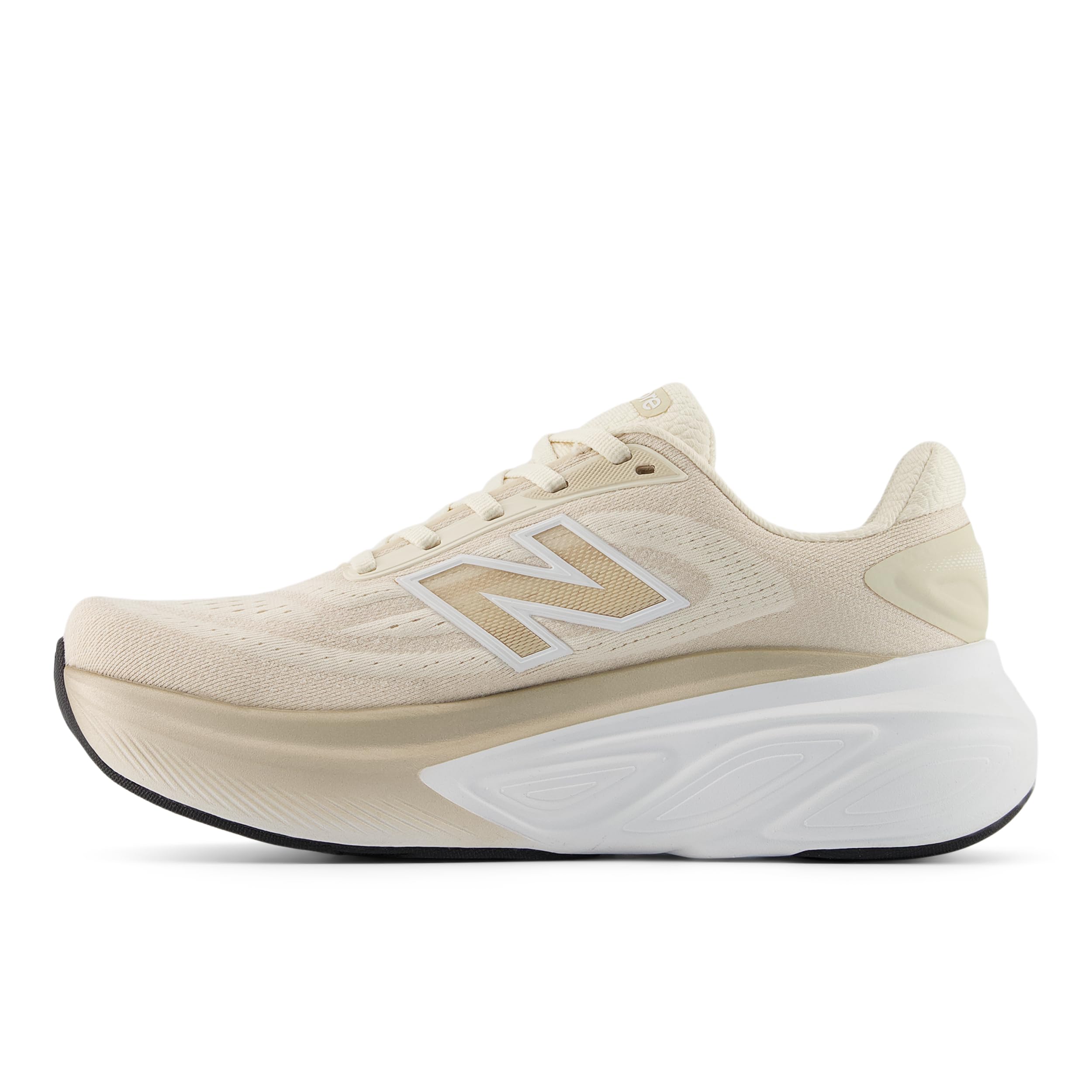
The Fresh Foam X More V6 is the only shoe in this roundup with a 40mm stack height — the tallest cushion platform you will find in a non-racing shoe. This thick slab of Fresh Foam X is a nitrogen-infused foam that delivers a cloud-like feel without bottoming out, even under heavy load. Multiple reviewers report 90% pain relief from severe knee and back issues, and the wide base (available in extra wide) provides a stable landing platform that prevents your ankle from rolling.
The heel counter is structured and secure, locking your foot in place during lateral movements. The foam is not just plush — it is resilient, meaning it springs back quickly and does not pack down after the first few months. The outsole uses a durable rubber layout with wide siping that gives excellent traction on wet pavement and indoor surfaces.
If you are on your feet all day — nursing, warehouse work, or long walks — this is the pair that changes your quality of life. The only trade-off is the high stack makes the shoe feel slightly tall underfoot, but the wide platform compensates with stability.
Why it’s great
- Record-setting 40mm stack absorbs an enormous amount of impact.
- Nitrogen-infused Fresh Foam X provides energy return, not just squish.
- Extra-wide sizing accommodates custom orthotics with ease.
Good to know
- High stack height may feel unstable for users with weak ankles.
- Color options in wide widths are limited compared to standard widths.
2. Brooks Women’s Glycerin GTS 23 Supportive Running Shoe
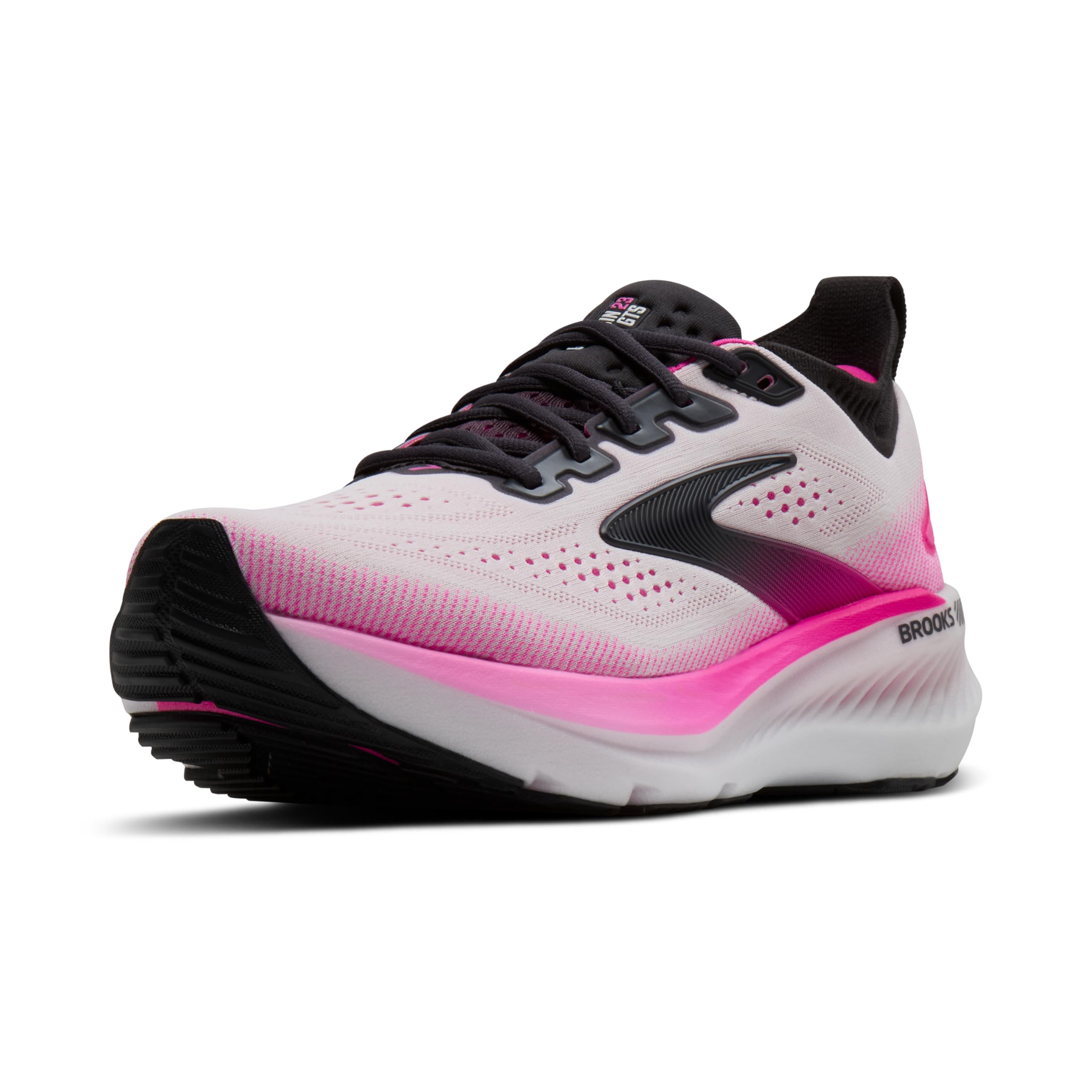
The Glycerin GTS 23 combines Brooks’s plushest cushioning foam — DNA LOFT v3 — with their GuideRails support system. Unlike traditional stability shoes that use a hard medial post, GuideRails are small blocks on the heel that gently steer your knee back into alignment if it drifts inward. This makes the GTS an excellent choice for people whose knee pain is linked to overpronation or a collapsing arch.
The DNA LOFT v3 is a nitrogen-injected EVA that feels soft at first step but firms up under load to resist bottoming out. The padding around the collar and tongue is generous, and the toe box offers a roomy fit that prevents toe jamming on descents. Reviewers with plantar fasciitis confirmed the support system works for long distances.
One minor complaint is that the GTS system can feel noticeable during slow walking — you can feel the little nubs on the heel — but during a run or brisk walk they integrate seamlessly. Overall, this is the most sophisticated support system in this list for people whose knee pain is linked to alignment.
Why it’s great
- GuideRails support corrects knee alignment without being intrusive.
- DNA LOFT v3 foam is soft yet dense enough for long-distance use.
- Roomy toe box prevents blisters and sore toenails.
Good to know
- GuideRails feel slightly noticeable at slow walking paces.
- Limited fun color options for the GTS variant.
3. Dansko Peony Women’s Walking Sneakers
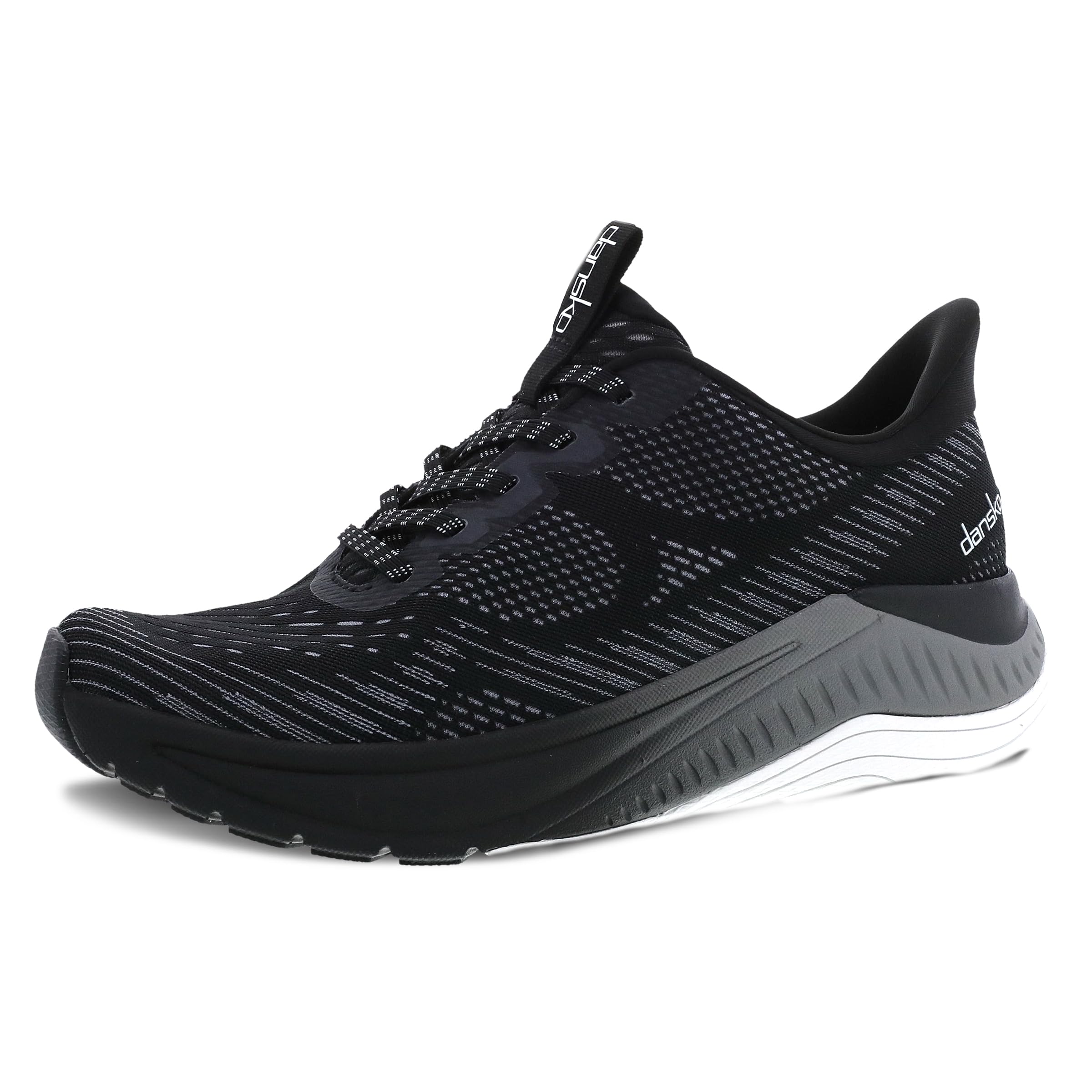
Dansko is known for its clogs worn by healthcare professionals, and the Peony sneaker carries that same all-day-comfort DNA into a more athletic silhouette. The arch support is notably high and rigid — similar to what you get from a custom orthotic — which makes it ideal for people with fallen arches or plantar fasciitis that radiates into knee discomfort. The lightweight rubber outsole has a 3mm tread pattern that provides solid grip on slick hospital floors without being overly heavy.
The upper is made of a breathable knit with a “Perf” design that allows airflow, and the stain-resistant finish keeps them looking clean longer. The lace-up closure with a bungee option means you can dial in your fit without constant retying. Many wearers report immediate relief from Achilles tendinitis and knee strain when standing on concrete floors for 10+ hours.
One durability concern emerged — some reviewers experienced the outsole separating after under three months. This is not universal, but it is worth noting that the foam midsole may not be as durable as a full rubber-wrapped platform. For daily wear in a clinical or retail environment, the Peony is a strong choice.
Why it’s great
- Aggressive arch support rivals custom orthotics.
- Stain-resistant and easy to clean after long shifts.
- Lightweight build reduces fatigue compared to clogs.
Good to know
- Reports of outsole separation after 3 months of heavy use.
- Break-in period of 2-3 wears for some users.
4. Brooks Men’s Ghost Max 2 Suede/Leather Neutral Running & Walking Shoe

The Ghost Max 2 is the most durable option in the Brooks lineup, featuring a full-length foam midsole that is notably thick — enough to provide what one reviewer described as 90% pain reduction during 17,000-step days. The shoe uses a structured heel counter that is stiff and visible, and the suede/leather upper adds a layer of durability missing from most knit mesh shoes.
The foam here is not as cloud-like as the Glycerin, but it is firmer and more supportive. This makes the Ghost Max 2 a better choice for heavier runners or larger-framed people who need the foam to hold up under load. The outsole is a full rubber wrap that extends to the sidewalls, providing protection against scuffs and abrasion. Reviewers noted the shoe is very light despite its robust look.
One notable issue is that the Ghost Max 2 runs a full size small. Several reviewers had to size up from their typical Brooks fit. If you have wide feet, consider going up half to a full size. The leather upper also means less breathability than mesh models, which matters for summer walking.
Why it’s great
- Extremely durable suede/leather upper resists wear and tear.
- Thick foam midsoles provide outstanding shock absorption for heavy users.
- Structured heel counter locks the foot in place for knee stability.
Good to know
- Runs a full size small — order up.
- Leather upper reduces breathability in hot weather.
5. Brooks Men’s Glycerin Stealthfit 22 Neutral Running Shoe
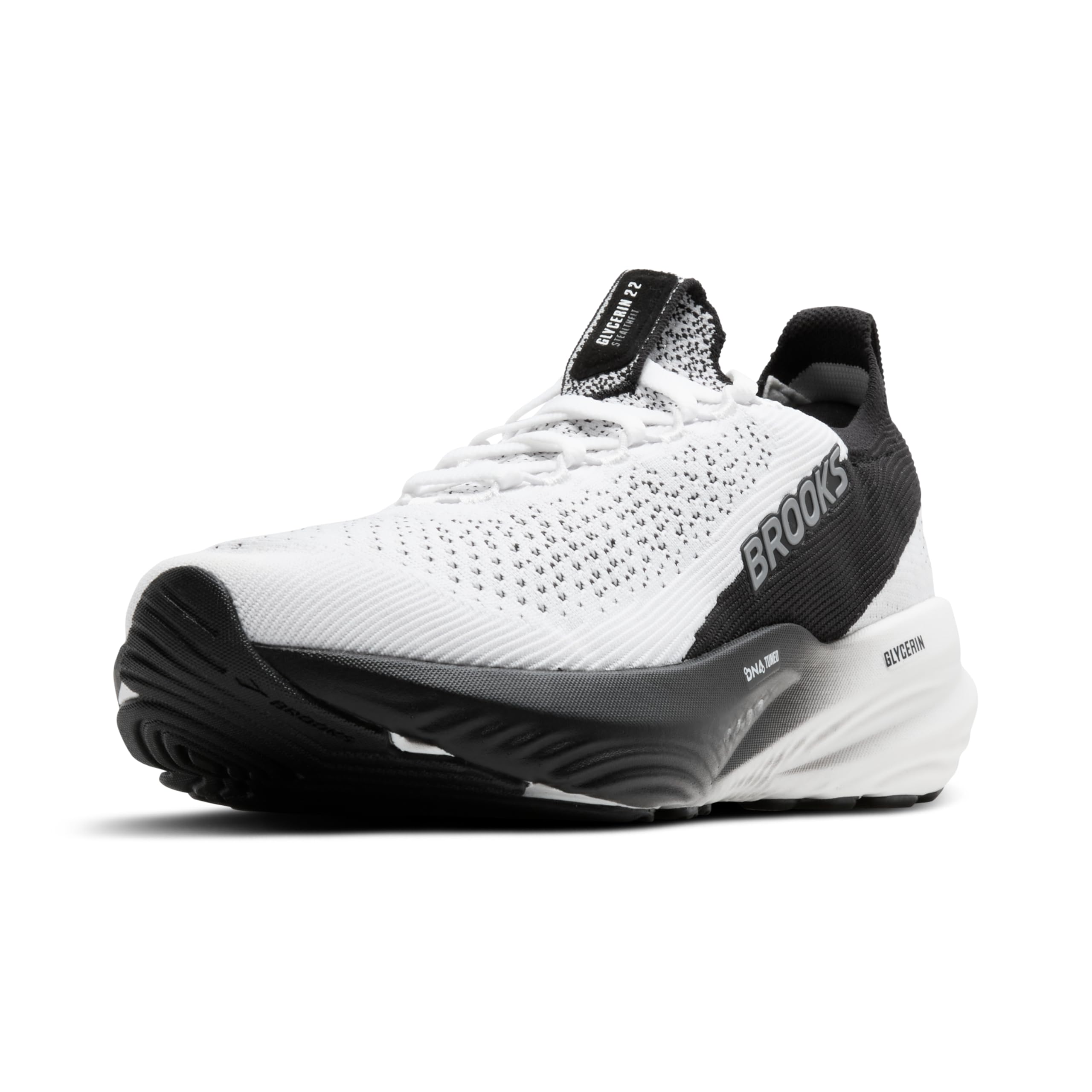
The Stealthfit 22 is essentially the same Glycerin platform as the GTS but without the GuideRails, making it a pure neutral cushion shoe. The DNA LOFT v3 foam is the star — it is a nitrogen-infused EVA that offers 66% more cushioning than standard Brooks foam. The shoe requires zero break-in period; wearers reported wearing them straight out of the box for 8-hour work days on concrete floors with no foot fatigue.
The knit upper is seamless and sock-like, wrapping the foot snugly without pressure points. The heel counter is internalized but firm, providing good lateral support. The outsole uses a segmented rubber crash pad that adapts to your stride, landing softly on the heel and transitioning smoothly to the forefoot. This reduces the jarring impact that hits the patella with every step.
The only potential downside is the grip on wet, loose terrain — the outsole is optimized for pavement and treadmill, not trails. Users also noted that the shoe fits snug, so if you have wide feet, consider the 2E width. For daily walking, standing, and road running, this shoe delivers premium cushioning without the premium price tag.
Why it’s great
- DNA LOFT v3 foam provides maximum softness without sacrificing support.
- Seamless knit upper prevents blister-causing friction points.
- Zero break-in means instant relief for tired knees.
Good to know
- Not ideal for off-road or loose surface use.
- Runs slightly narrow — buy wide width if you have broader feet.
6. Brooks Women’s Trace 4 Neutral Running Shoe
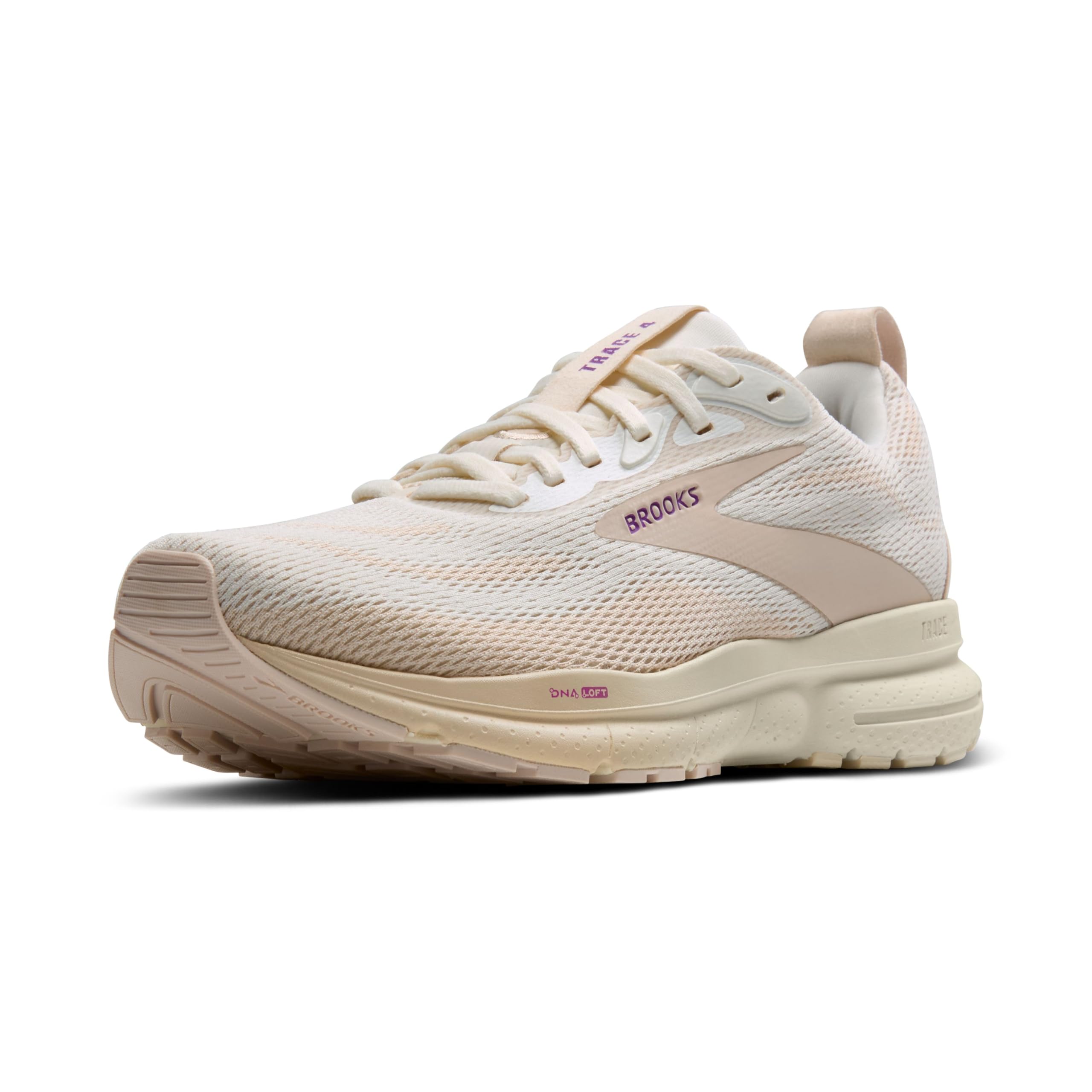
The Trace 4 is the most accessible Brooks model that still offers a 10mm heel-to-toe drop, making it suitable for people with patellofemoral issues who need that classic elevated heel. The insole is a memory foam layer that molds to your foot over the first few wears, providing a custom-like fit. The upper is an engineered mesh that breathes well without being too flimsy.
What sets the Trace 4 apart is its lightweight build — it is noticeably lighter than the Glycerin and Ghost, which makes it ideal for people who are looking for a shoe for light jogging or walking without feeling like they have a boot on their feet. The outsole uses a blown rubber and carbon rubber combination that provides good durability in the heel strike zone while keeping the forefoot flexible.
The trade-off is that the maximum cushioning is lower than the premium models. The foam is not as resilient as DNA LOFT v3, so it will pack out faster under heavy use — after around 300-400 miles. For daily walking and gym use, the Trace 4 is a solid mid-range choice that balances cushion, weight, and cost.
Why it’s great
- Lightweight design reduces fatigue over long days.
- Memory foam insole provides personalized arch contouring.
- 10mm drop is ideal for patellofemoral knee pain.
Good to know
- Midsole foam packs out quicker than premium Brooks models.
- Not as plush as Glycerin for maximum impact absorption.
7. ASICS Men’s Gel-Cumulus 27 Running Shoes
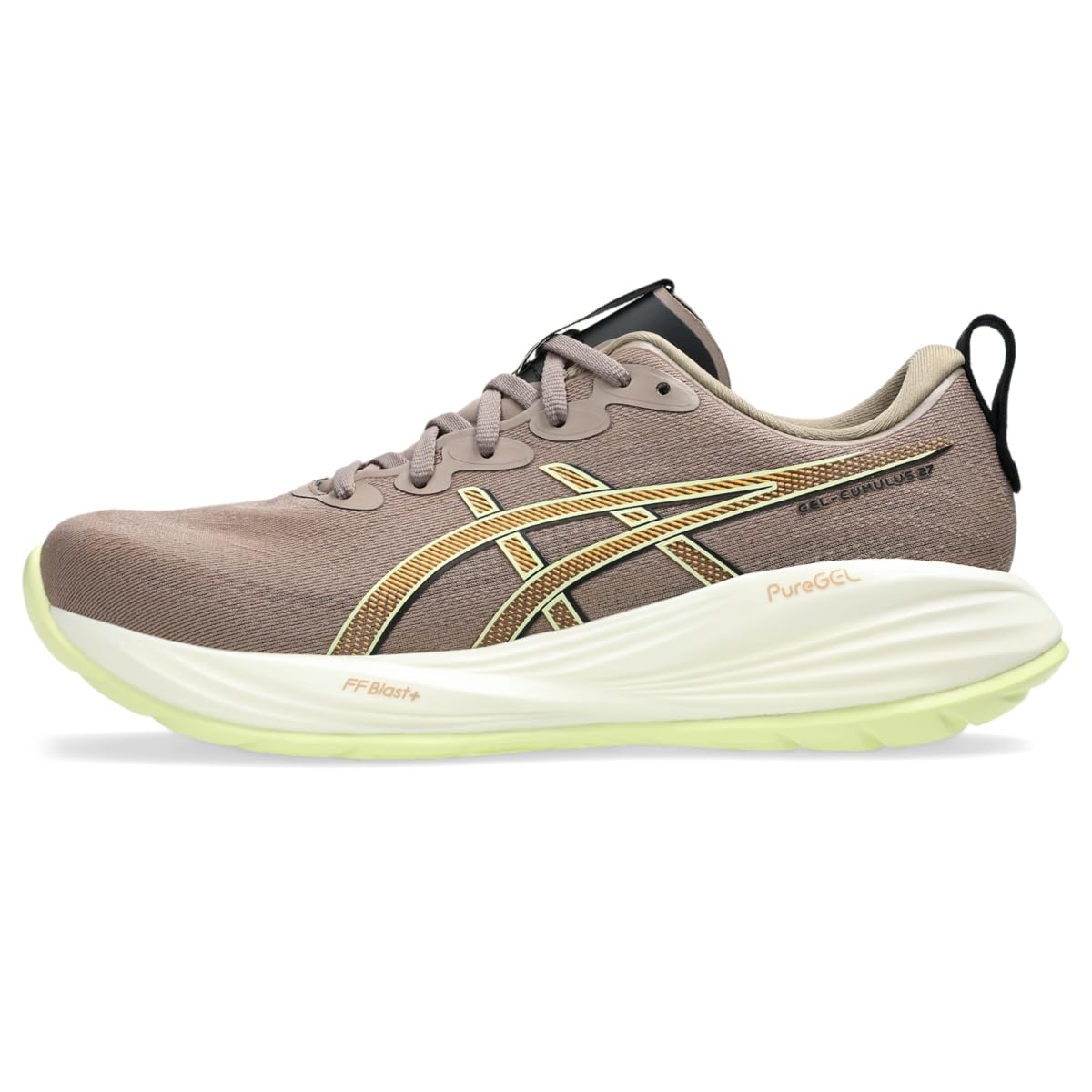
The Gel-Cumulus 27 is ASICS’s workhorse neutral trainer, and the 27th iteration continues the tradition of using a rearfoot GEL capsule to absorb shock at heel strike. The midsole uses a combination of FF BLAST PLUS and PureGEL, which delivers a soft yet responsive feel that many runners prefer over the more aggressive bounce of the Nimbus. The 10mm drop is the sweet spot for knee protection, shifting impact to the calf and off the joint.
The upper is a breathable engineered mesh with a lightweight woven structure that provides structure without bulk. The toe box has a slightly roomy fit that prevents toe mashing on downhills. Reviewers consistently mention the shoe is “true to size” and offers “excellent comfort and cushioning” for daily runs and walking. The outsole is made of ASICS High Abrasion Rubber (AHAR) that holds up well across pavement and treadmill use.
The only minor issue is the toe box is not available in a wide 2E as standard on all colors, so if you have wide feet, confirm the specific color’s width options. For a balanced, proven, reliable shoe that has protected knees for generations of runners, the Gel-Cumulus 27 is a safe choice.
Why it’s great
- Rearfoot GEL unit dissects heel strike impact effectively.
- 10mm drop reduces load on the patella joint.
- Breathable mesh upper, durable AHAR outsole.
Good to know
- Wide width options are not available on all colorways.
- Toe box may be slightly narrow for some foot shapes.
8. ASICS Women’s Gel-Cumulus 27 Running Shoes
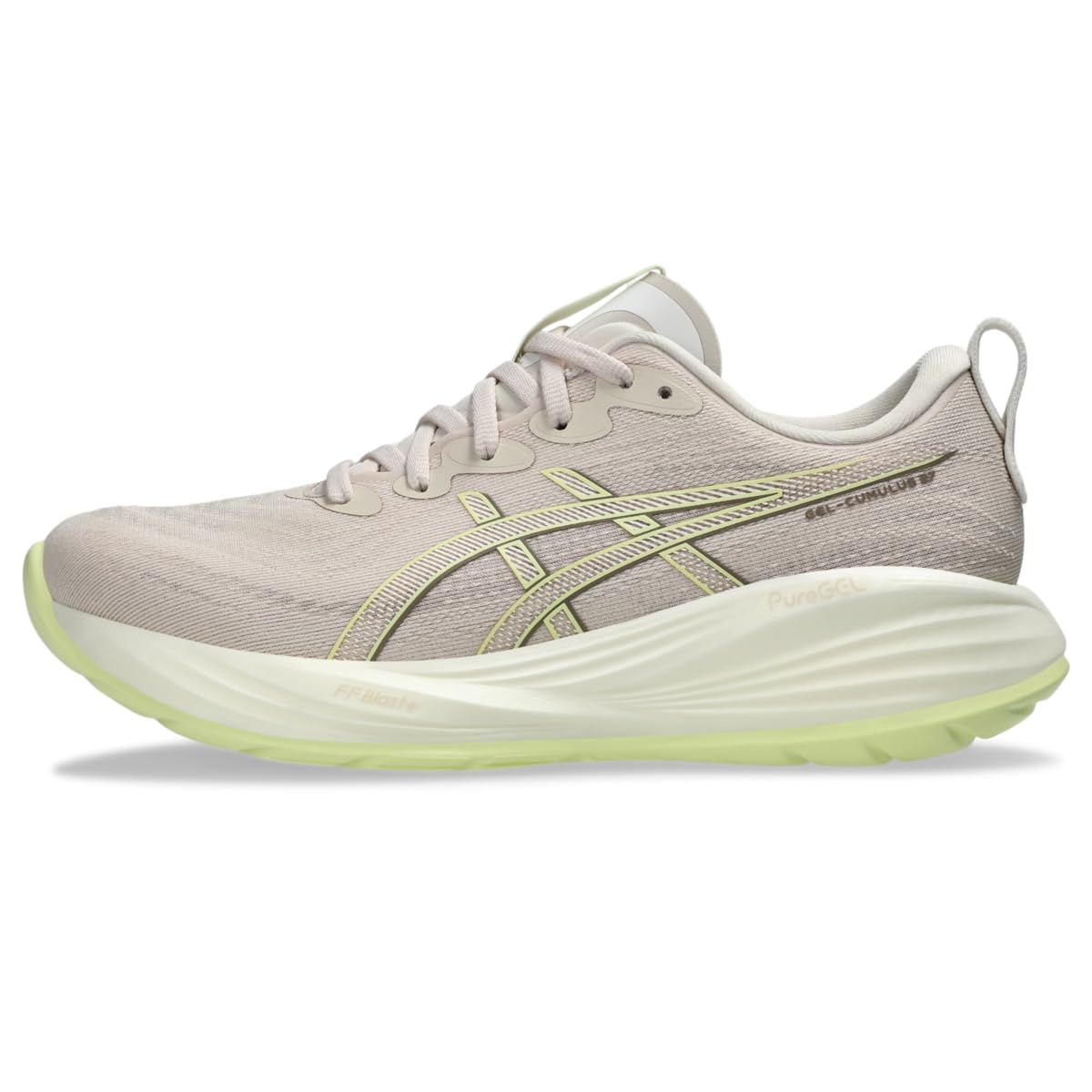
The women’s version of the Gel-Cumulus 27 shares the same essential specs as the men’s — the rearfoot GEL capsule, FF BLAST PLUS midsole, and 10mm drop — but is tuned for women’s-specific fit. The heel counter is sculpted more narrowly to accommodate a woman’s typical heel shape, which prevents heel slipping during runs. Reviewers with Morton’s neuroma and alignment issues found the shoe doctor-recommended for their conditions.
The shoe performs best as a daily walker and light jogger. Users report it helps alleviate back pain and knee discomfort due to the balanced cushioning that is “medium” rather than extremely plush. The white colorway is notably popular for its clean look, and the stretch laces keep the fit secure without constant retying.
The most common feedback is that the toe box is a bit small for long runs. If you plan to take these on runs over 5 miles, consider sizing up half a size or going for a wide width. For daily walks, errands, and gym sessions, the Gel-Cumulus 27 women’s is a reliable mid-range choice.
Why it’s great
- Women’s-specific fit with a narrower heel counter.
- GEL capsule absorbs heel strike shock.
- Stretch laces provide a secure, hands-free fit.
Good to know
- Toe box is snug for longer runs.
- Some users with neuroma found toe box slightly tight.
9. Skechers Womens Max Cushioning Arch Fit Roslyn
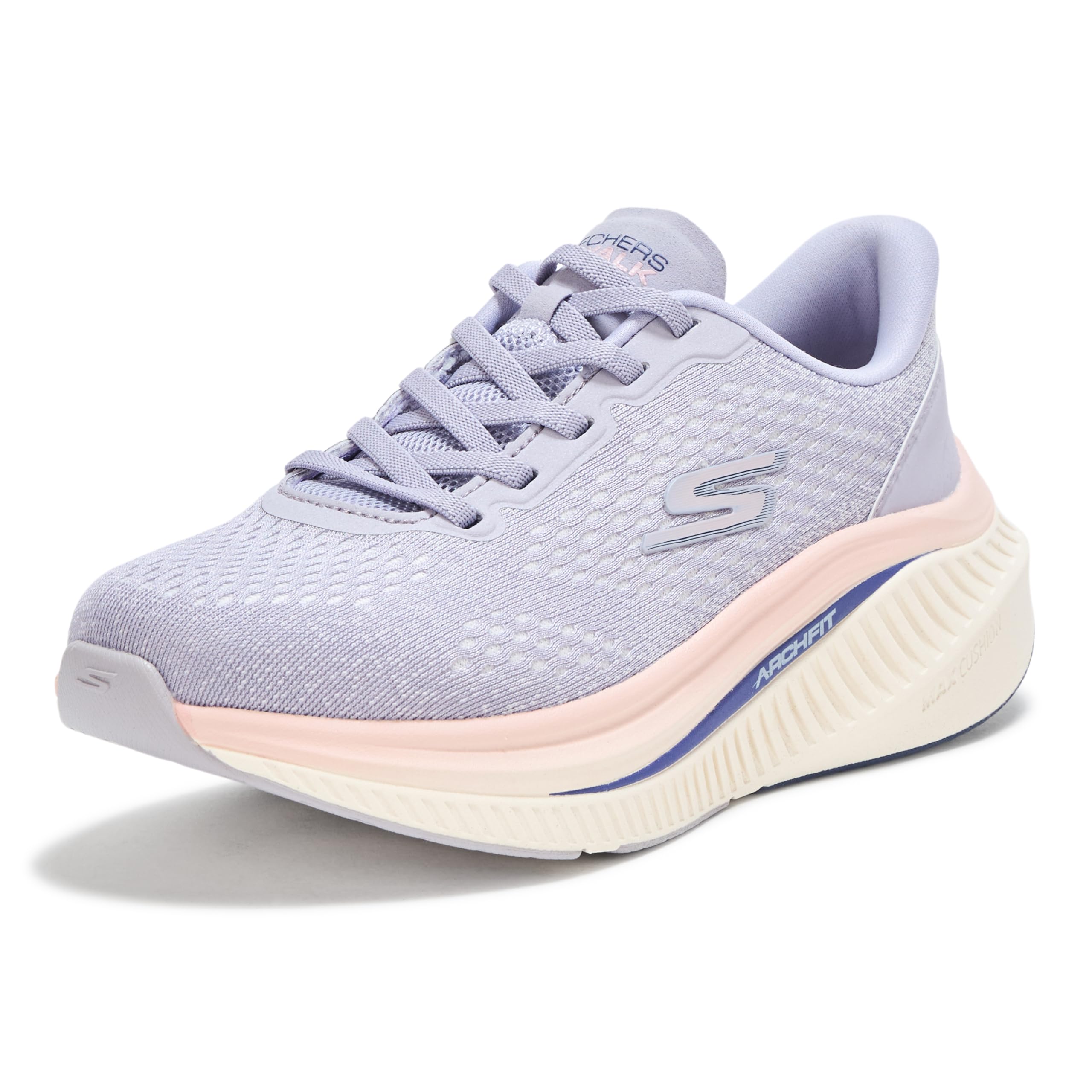
Skechers has been investing in its Max Cushioning platform, and the Arch Fit Roslyn combines it with a podiatrist-designed arch support insole. The midsole is thick — roughly 30mm in the heel — and uses a lightweight, compressed EVA foam that is surprisingly bouncy for the price. The arch support is pronounced and rigid, which makes it excellent for wearers with high arches whose knee pain stems from collapsed arches.
The bungee lace closure is a convenience feature — you can step in and out without tying, and the stretch accommodates foot swelling during the day. The outsole is a simple solid rubber with traction nubs that work fine on pavement and indoor floors. Users with Achilles tendinitis specifically reported that the elevated heel and max cushioning helped reduce pain during daily walks.
The main compromises are in long-term durability and width. The foam is not as dense as the premium options, so it will pack down faster under heavy daily use — expect around 200-300 miles. The fit runs slightly narrow, and reviewers wish for a wider platform. For someone on a budget who needs immediate arch support and knee protection for casual walking, the Roslyn is a good starting point.
Why it’s great
- Podiatrist-designed Arch Fit insole provides excellent arch support.
- Thick max cushioning midsole absorbs shock well for the price.
- Bungee lace closure is convenient and accommodates foot swelling.
Good to know
- Midsole foam packs down faster than premium models.
- Not available in wide widths for broader feet.
FAQ
Should I choose a minimalist shoe or a max-cushion shoe for knee pain?
Can a shoe fix knee pain from arthritis or meniscus damage?
How often should I replace my shoes for knee protection?
Final Thoughts: The Verdict
For most users, the footwear for bad knees winner is the New Balance Fresh Foam X More V6 because its 40mm stack of nitrogen-infused foam provides the highest level of shock absorption in this lineup. If you want targeted knee alignment support, grab the Brooks Women’s Glycerin GTS 23 for its GuideRails system. And for a durable, all-day standing option, nothing beats the Brooks Ghost Max 2 for its leather construction and stiff heel counter.