
Choosing the right exfoliating acid isn’t about picking the highest percentage on the bottle—it’s about matching concentration, pH, and formulation to your skin’s actual tolerance. The difference between a resurfacing glow and red, irritated skin often comes down to buffering ingredients and a single pH point.
I’m Mohammad Maruf — the founder and writer behind Drink4Good. I’ve spent hundreds of hours cross-referencing customer feedback with chemical formulations, pH values, and ingredient decks to separate the genuinely effective glycolic acid products from those that simply market high numbers.
This guide breaks down five of the strongest contenders in the category, examining exact acid percentages, pH levels, added soothing agents, and real-world results to help you find the best glycolic acid for your specific skin goals.
How To Choose The Best Glycolic Acid
Glycolic acid is the smallest alpha hydroxy acid molecule, which means it penetrates deeper and faster than lactic or mandelic acid. That makes it powerful—and also means concentration and pH matter more than with any other AHA. You’re balancing exfoliation strength against your skin’s barrier integrity.
Match concentration to your skin’s history
A 7% glycolic acid toner is a reliable starting point for most skin types because it offers daily exfoliation without overwhelming the stratum corneum. Jumping straight to a 15% leave-on formula without building tolerance almost guarantees stinging and redness. If you’ve never used glycolic acid before, start at 7% for at least four weeks before considering anything stronger.
Check the pH, not just the percentage
Glycolic acid needs a pH between 3.0 and 4.0 to effectively break down the desmosomes that hold dead skin cells together. At pH 4.5 or higher, the acid converts to its salt form and exfoliation drops dramatically. A product labeled 10% glycolic acid at pH 4.5 is actually weaker than a 7% formula at pH 3.5. Always look for the pH value in the product description or ask the manufacturer directly.
Look for buffering and soothing ingredients
High-concentration glycolic acid can cause transepidermal water loss and inflammation if it isn’t paired with calming agents. Aloe vera, allantoin, panthenol, squalane, and Tasmanian pepperberry help offset irritation without neutralizing the acid’s activity. A bare-bones formula with nothing but glycolic acid and water will almost always produce more side effects than one with a thoughtful soothing complex.
Quick Comparison
On smaller screens, swipe sideways to see the full table.
| Model | Category | Best For | Key Spec | Amazon |
|---|---|---|---|---|
| The Ordinary Glycolic Acid 7% | Toner | Daily all-in-one exfoliation | 7% glycolic acid, pH ~3.6 | Amazon |
| Touch Skin Care 7% Glycolic Acid Toner | Toner | Sensitive skin with rose water | 7% glycolic acid, pH 3.5 | Amazon |
| Prequel Skin Multi-Acid Milk Peel | Leave-on peel | Advanced users wanting 15% AHA | 15% glycolic + 4 other AHAs | Amazon |
| Naturium Glycolic Acid Resurfacing Gel 10% | Leave-on gel | Targeted pore refinement | 10% glycolic + fruit AHA complex | Amazon |
| DERMA E Anti-Aging Regenerative Serum | Serum | Anti-aging with vitamin A | Glycolic acid + Vitamin A complex | Amazon |
In‑Depth Reviews
1. The Ordinary Glycolic Acid 7% Exfoliating Toner
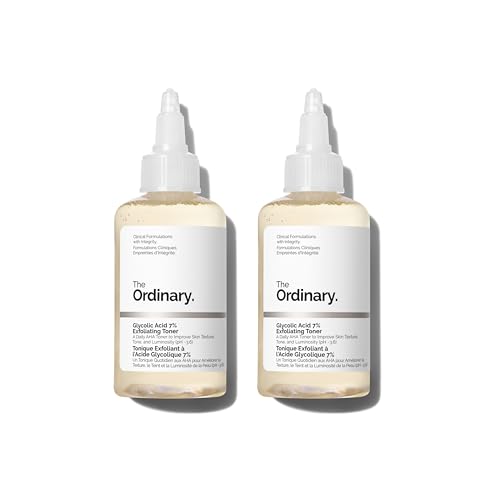
The Ordinary’s 7% glycolic acid toner is the category benchmark for a reason: it delivers reliable exfoliation at a pH of approximately 3.6, which keeps free acid activity high enough to smooth texture and fade hyperpigmentation without crossing into irritation territory for most users. The formula includes Tasmanian pepperberry as an anti-irritant, along with aloe vera and ginseng root extract to support the skin barrier during exfoliation. The 240ml bottle is generous, and the wide opening makes it easy to dispense onto a cotton pad without wasteful spills.
Customer reports highlight its versatility beyond the face—many use it as a scalp treatment for dandruff, a body spray for keratosis pilaris, and even an underarm deodorant alternative by lowering skin pH to inhibit odor-causing bacteria. Users who apply it two to three times weekly see gradual improvement in bumpy texture and dark spots without the peeling associated with stronger acids. The formula absorbs quickly with no sticky residue, making it practical for both morning and evening routines as long as sunscreen follows the next day.
The main trade-off is that some users experience stinging if they apply it too frequently or on broken skin, and those with very sensitive skin may still react to the 7% concentration even with the buffering agents. It’s also worth noting that the Tasmanian pepperberry extract can cause a mild warming sensation on first application. For anyone looking for a single product that handles face, scalp, and body exfoliation without needing separate bottles, this toner offers exceptional efficiency.
Why it’s great
- Multi-use: face, scalp, body, underarm odor control
- Buffered with Tasmanian pepperberry and aloe for reduced irritation
- Large 240ml bottle with excellent value per use
Good to know
- Can cause stinging if overused or applied after shaving
- Mild warming sensation on first application is normal
2. Touch Skin Care 7% Glycolic Acid Toner with Rose Water

This toner from Touch Skin Care hits the same 7% glycolic acid concentration but adds rose water, witch hazel, and aloe vera gel to create a formula that feels significantly more soothing than a straight glycolic solution. The pH is locked at 3.5, which is right in the optimal exfoliation window, so you’re not sacrificing efficacy for gentleness. The absence of alcohol, parabens, and sulfates makes it a solid option for those who want exfoliation without stripping moisture from the skin barrier.
Reviews consistently note that this toner clears breakouts, fades acne scars, and evens skin tone without causing the dryness or peeling that some users experience with other 7% formulas. The rose water adds a subtle natural fragrance that masks the typical acidic smell of glycolic acid without relying on synthetic perfumes. Multiple customers report that it outperforms The Ordinary’s toner for their skin because it doesn’t create dry patches around the nose and chin, while still providing the same level of exfoliation.
The most frequent complaint involves the bottle’s silver coating peeling off the cap over time, which is an aesthetic issue rather than a formulation problem. The 6-ounce bottle is smaller than The Ordinary’s 8-ounce offering, so users who apply it daily to both face and body will go through it faster. For those with combination or sensitive skin who want the proven results of 7% glycolic acid but need extra soothing ingredients to keep redness at bay, this is a well-calibrated alternative.
Why it’s great
- Rose water and aloe buffer reduce dryness and irritation
- pH 3.5 ensures effective free acid activity
- Alcohol-free formula suitable for daily use on combination skin
Good to know
- Cap coating may peel off over time
- Smaller bottle size compared to some competitors
3. Prequel Skin Multi-Acid Milk Peel

The Prequel Skin Multi-Acid Milk Peel is a leave-on formula that packs 15% glycolic acid alongside phytic, malic, mandelic, and lactic acids plus fruit enzymes, making it the most potent product in this lineup. The milk-based delivery system with squalane and protective botanicals is what sets it apart—instead of the typical watery or gel texture that evaporates quickly, this has a creamy, hydrating feel that allows the acids to work without stripping the skin. You don’t rinse it off, so the exfoliation continues overnight.
Clinical testing referenced by the brand shows improvements in radiance, pore size, texture, and dark spots within four weeks, and user reviews largely confirm these claims. Customers with oily, acne-prone skin report that it brings comedones to the surface, shrinks pores, and lightens hyperpigmentation without causing the tight, dry feeling associated with traditional acid peels. Several users note that it layers well over tretinoin and azelaic acid, which is unusual for a 15% AHA formula. The 7.6-ounce bottle is also large enough to use on the body for sun damage and crepey skin on the chest and arms.
The high concentration means this is not a beginner product. Users with sensitive skin or those new to AHAs should patch test first and start at once per week. The tingling sensation lasts about ten minutes after application, which is normal but can be alarming if you’re not expecting it. The manufacturer explicitly recommends against use for diagnosed skin conditions and for anyone under 18. For experienced acid users who want a single product strong enough to replace both a toner and a weekly peel, this delivers clinical-level results in a hydrating format.
Why it’s great
- 15% glycolic plus four other AHAs for comprehensive exfoliation
- Milk base with squalane prevents dehydration during use
- Large 7.6oz bottle suitable for face and body application
Good to know
- Not suitable for beginners or sensitive skin without patch testing
- Expect 10 minutes of tingling on initial application
4. Naturium Glycolic Acid Resurfacing Gel 10%
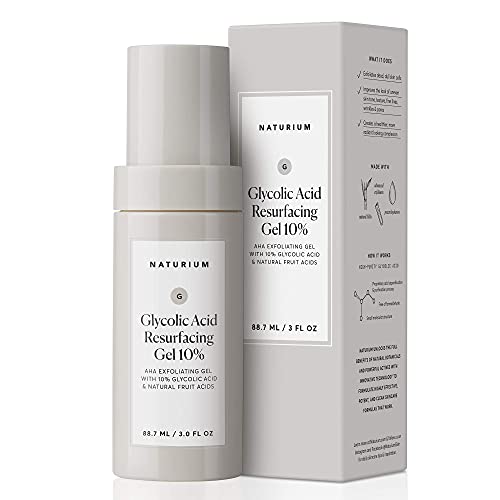
Naturium’s 10% glycolic acid resurfacing gel occupies the middle ground between a daily toner and a weekly peel. The gel format is thicker than a watery toner, which means it stays in place longer without dripping, making it ideal for spot treatment on stubborn areas like nose pores, chin texture, or individual blemishes. The formula includes natural fruit acids as a secondary AHA source to support the glycolic acid, and the brand formulates to pH-level appropriateness for optimized free acid activity.
User reviews highlight its effectiveness on large pores and acne-prone skin, with several customers noting an initial purging phase followed by clearer, smoother skin after a few weeks. The gel texture allows for targeted application without wasting product on areas that don’t need exfoliation, and reviewers mention using it on legs after shaving to prevent ingrown hairs and on arms to smooth keratosis pilaris. The 3-ounce tube is more portable than a standard toner bottle and the gel consistency means you need less product per application.
Because this is a leave-on gel rather than a rinse-off mask, users with sensitive skin should proceed cautiously. Some reviewers report that combining it with salicylic acid in the same routine causes stinging, so it’s best to alternate days. The 10% concentration is strong enough to deliver visible results but not so strong that it requires the same caution as a 15% peel, making it a logical step-up for someone who has built tolerance with a 7% toner and wants more targeted power.
Why it’s great
- Gel format allows precise spot treatment on pores and blemishes
- 10% glycolic with fruit AHA complex is a natural step up from 7%
- Portable tube design wastes less product than cotton-pad toners
Good to know
- Can cause stinging if layered with salicylic acid
- May trigger initial purging in acne-prone skin
5. DERMA E Anti-Aging Regenerative Serum
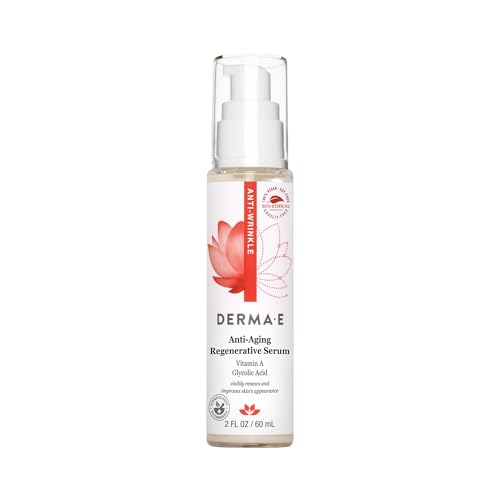
DERMA E’s regenerative serum takes a different approach by combining glycolic acid with vitamin A (retinyl palmitate) and vitamin E in a serum format designed for both morning and evening use. The glycolic acid here acts as an exfoliant to prepare the skin, while the vitamin A supports collagen production and cell turnover for anti-aging benefits. This two-pronged mechanism means the product targets texture and fine lines simultaneously, rather than just resurfacing the top layer of skin.
Customer feedback consistently mentions that this serum works as an effective Retin-A alternative for those who find prescription retinoids too irritating. Users with mature, dry, and sensitive skin report that it hydrates without greasiness and smooths fine lines without the inflammation they experienced with stronger retinoids. Several reviews note that it unexpectedly improved rosacea symptoms, reducing redness enough that users no longer needed blush. The formula is 100% vegan, cruelty-free, and free from parabens, sulfates, mineral oil, and gluten.
The serum has a thicker consistency than a toner or gel, and some users note a slight sticky residue if applied too heavily. It works best as a night treatment because the vitamin A can increase photosensitivity, though the brand lists it as suitable for day use with sunscreen. The 2-ounce bottle is smaller than the toner options in this list, so daily users will replace it more frequently. For someone whose primary concern is anti-aging rather than acne or texture, this dual-action serum delivers visible results without the harshness of high-concentration standalone acids.
Why it’s great
- Combines glycolic acid exfoliation with vitamin A for anti-aging
- Gentle enough for sensitive and rosacea-prone skin
- 100% vegan with no parabens, sulfates, or gluten
Good to know
- Thicker texture may leave slight residue if over-applied
- Smaller 2oz bottle requires more frequent repurchase
FAQ
Can I use glycolic acid every day?
Why does glycolic acid sting and is that normal?
Can I use glycolic acid with vitamin C or retinol?
What concentration of glycolic acid is best for beginners?
Does glycolic acid help with body concerns like keratosis pilaris and sun damage?
Final Thoughts: The Verdict
For most users, the best glycolic acid winner is the The Ordinary Glycolic Acid 7% Exfoliating Toner because it delivers reliable exfoliation at an optimal pH, works on face, scalp, and body, and offers outstanding value per use. If you want a gentler daily toner with rose water and aloe to minimize irritation, grab the Touch Skin Care 7% Glycolic Acid Toner. And for the ultimate clinical-strength leave-on peel that targets texture, pores, and sun damage all at once, nothing beats the Prequel Skin Multi-Acid Milk Peel.