
Making fresh pasta without gluten is a battle against the crumble. Standard gluten-free blends often produce a dough that cracks, boils apart, or turns into a sticky mess—leaving you with a pot of broken noodles instead of satisfying, al dente strands. The specific blend of starches and protein structure in your flour determines whether your pasta holds together or disintegrates.
I’m Mohammad Maruf — the founder and writer behind Drink4Good. I have spent dozens of hours analyzing the protein content, granulation fineness, and starch ratios of gluten-free flours to identify which blends create the elastic, workable dough that successful pasta requires.
This guide breaks down the top options for rolling, cutting, and extruding fresh noodles, helping you choose from the very best gluten free flour for pasta that actually delivers a genuine restaurant-quality bite at home.
How To Choose The Best Gluten Free Flour For Pasta
Not all gluten-free flours were created equal for pasta work. A loaf of bread can survive a coarser crumb, but fresh pasta demands a stretchy, cohesive dough that can survive a laminator or extruder without tearing. Look for three critical qualities before buying.
Protein Content and Structure Building
Gluten is the protein network that gives wheat pasta its chew. Without it, the flour must rely on a high percentage of resilient proteins—found in sorghum, chickpea, or specially formulated blends—plus added binders like xanthan gum or psyllium husk. A single flour below 5 grams of protein per serving will almost certainly crumble into a tragic mash.
Granulation Fineness
Gritty pasta is the most common complaint in gluten-free cooking. The flour must be ground ultra-fine so it hydrates evenly and produces a smooth, silky dough surface. “Superfine” milling is the benchmark. Coarse commercial rice flours require a hydration rest that many new cooks overlook, resulting in dry, brittle dough that cracks during rolling.
Starch Composition and Hydration Rate
A blend that mixes rice flour with potato or tapioca starch yields a higher water-absorption capacity, which is essential for mimicking the gelatinization that happens when wheat pasta cooks. The ratio of these starches determines whether your noodles stay al dente or turn to sludge in the pot. Look for a blend that explicitly states “pasta and gnocchi” or “for fresh pasta” to avoid guesswork.
Quick Comparison
On smaller screens, swipe sideways to see the full table.
| Model | Category | Best For | Key Spec | Amazon |
|---|---|---|---|---|
| Quay Naturals Organic Sorghum | Single Grain | Hand-rolled and sheeted pasta | 6g Protein per serving | Amazon |
| Anthony’s Premium White Rice | Single Grain | Noodle bases and soup pasta | Fine powder texture | Amazon |
| Antico Molino Napoli Caputo Gluten Free | Proprietary Blend | Extruded pasta and gnocchi | Rice & potato starch blend | Amazon |
| Authentic Foods Superfine White Rice | Single Grain | Baking-focused pasta alternatives | Verified non-gritty grind | Amazon |
| Antimo Caputo Pasta & Gnocchi | Single Grain | Traditional fresh pasta Fresca | Double zero extracted wheat | Amazon |
In‑Depth Reviews
1. Quay Naturals Organic Sorghum Flour
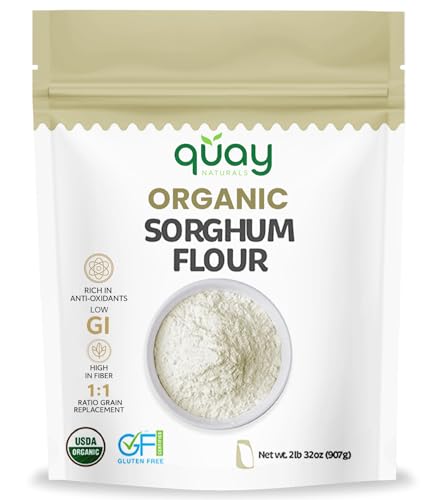
Sorghum flour is a standout for pasta because its protein structure—6 grams per serving—creates a sturdier dough than white rice flour alone can manage. The fine grind of this Quay Naturals bag produces a silky, brown-tinted dough that rolls thin without cracking when you add a touch of xanthan gum. Home cooks have reported that it works nearly 1:1 with wheat in lasagna sheets, holding the layers without turning to mush after boiling.
The mild, slightly sweet flavor disappears into savory pasta dishes, meaning no one at the table will detect you swapped out traditional flour. It absorbs liquid beautifully but benefits from a 15-minute rest after kneading. Many gluten-free bakers use this as their go-to for flatbreads, but the real win is in fresh egg pasta where you need a pliable but resilient sheet.
At 2 pounds, this bag moves fast if you cook pasta weekly, but the resealable packaging keeps the flour fresh between uses. It is non-GMO, organic, and low glycemic, fitting paleo-adjacent and diabetic-friendly diets as well. For cooks who want a single-grain flour that does not require a complex starch blend to work, this is the most forgiving starting point.
Why it’s great
- High protein content creates durable pasta dough
- Mild flavor does not overpower dishes
- Resealable bag maintains freshness
Good to know
- Darker color changes pasta appearance noticeably
- Requires binder addition for elastic texture
2. Anthony’s Premium White Rice Flour
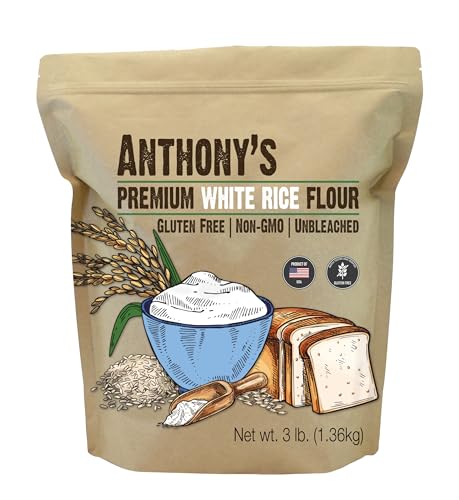
White rice flour remains the workhorse of gluten-free pasta for a reason: it is neutral in flavor and produces a clean white dough that mimics the look of traditional semolina. Anthony’s batch-tested gluten-free powder is milled fine enough to avoid the grit that plagues cheaper rice flours, though it still benefits from a hot-water hydration step to fully gelatinize the starches before kneading.
The 3-pound bag gives you more volume per dollar than most specialty blends, making it ideal for kitchens that go through pasta dough in large batches. When combined with tapioca starch and xanthan gum, this flour produces a smooth, cooperative dough that works well in both hand-cranked and electric pasta rollers. One user noted it produced thick, fluffy waffles from the same batter—showing its versatility extends far beyond the pasta pot.
Consider this your base-layer ingredient. If you already have a preferred binder (psyllium husk, xanthan, or cornstarch), this flour gives you total control over the final texture. It is a pure, single-ingredient product with no added stabilizers, so you can dial in exactly the elasticity your extruder machine needs without fighting pre-added gums.
Why it’s great
- Large 3-pound bag for high-volume cooking
- Neutral flavor works with any sauce
- Verified gluten-free via batch testing
Good to know
- Requires binder and starch blend for stability
- Hot water rest is critical for texture
3. Antico Molino Napoli Caputo Gluten Free Flour
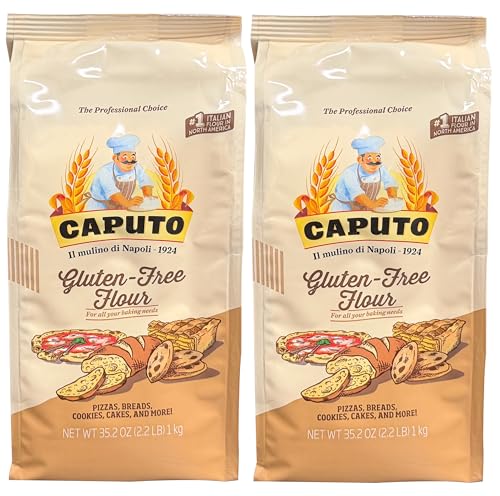
Caputo’s Fioreglut blend is the closest any gluten-free formula has come to replicating the extensibility of real wheat dough. This proprietary blend of rice starch, potato starch, soy flour, and dietary fiber creates a dough that passes the “windowpane test”—you can stretch it thin enough to see light through without tearing. That level of gluten-mimicking strength translates directly to extruded pasta shapes like penne and fusilli, where the dough must withstand high pressure without disintegrating.
Unlike single-grain flours, this blend already contains the binding agents needed for pasta work, so you do not need to experiment with ratios. Simply add water and eggs, and you get a smooth, non-sticky dough that rolls out like a dream. Many reviewers with celiac disease report that this flour produces the first pasta they could twirl on a fork without breaking apart—an achievement most blends cannot claim.
The 2.2-pound pack is more expensive per ounce, but the performance eliminates wasted batches and frustration. If you make pasta multiple times per month and want a consistent, professional result without guesswork, this is the single bag that will change your gluten-free kitchen. It also doubles as an exceptional pizza dough base, making it a dual-purpose pantry staple.
Why it’s great
- Pre-blended with binders for instant dough
- Extensibility allows extruder and laminator use
- Italian milled for authentic texture
Good to know
- Premium price compared to single-grain flours
- Soy flour content may trigger soy allergies
4. Authentic Foods Superfine White Rice Flour
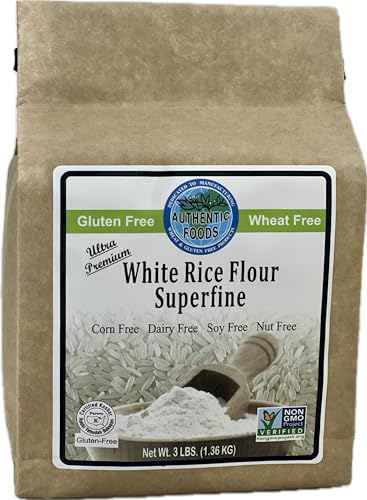
The number one complaint about gluten-free pasta is grittiness, and Authentic Foods set out to solve exactly that. Their “Never Gritty” promise holds up: this superfine white rice flour has a particle size so small that it feels like cornstarch between your fingers. When you mix it into a pasta dough, it absorbs water evenly without the dry pockets that cause cracking during lamination.
This flour is also certified free of dairy, nuts, corn, and soy, making it one of the safest options for multi-allergen households. The fine grind means it blends seamlessly into pasta recipes that call for a combination of rice flour and starches, giving you a silky dough that rolls thin enough for ravioli without tearing at the seams. One long-term reviewer described it as “nearly as fluffy and smooth as regular flour” after incorporating a proper hydration rest.
The 3-pound bag is a solid mid-range option for those who want the finest grind available in a single-grain format. It pairs exceptionally well with potato starch for gnocchi—producing pillowy dumplings that hold their shape in boiling water. If you prefer building your own custom flour blend rather than relying on a pre-mixed bag, this superfine rice flour is the ideal base.
Why it’s great
- Superfine milling eliminates gritty texture
- Free of 8 major allergens
- Mixes without clumping for smooth dough
Good to know
- Must be combined with starches for elasticity
- Higher cost than standard rice flours
5. Antimo Caputo Pasta & Gnocchi Flour
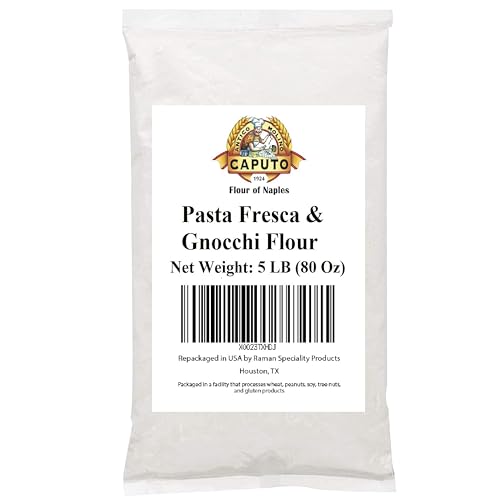
While this flour contains wheat, it earns its place here for readers who can tolerate low-gluten wheat or who are cooking for a mixed-diet household. Caputo’s Type “00” pasta fresca flour is extracted from the heart of the wheat kernel using a slow grinding technique that preserves the starches and produces a dough that is “shiny and consistent”—exactly the quality you want for fresh egg pasta sheets.
The 5-pound repack is a professional-grade option designed specifically for laminator-rolled pasta like tagliatelle and lasagne. Mills in Naples have been refining this recipe since 1924, and the flour’s silky consistency flows like a liquid when poured. It creates white, polished doughs that roll out to translucent thinness without absorbing excessive flour during the process.
If you are gluten-free yourself but cooking for gluten-eating family members, this flour bridges the gap beautifully. It requires only water and eggs to produce an extraordinary final result, no binders or additions needed. The repackaging is clearly labeled with processing disclosures, and the freshness is consistently excellent. Just note that this is not a gluten-free option—reserve it for your wheat-tolerant guests.
Why it’s great
- Professional-grade for silky pasta sheets
- No additives needed for perfect dough
- Large 5-pound bag for heavy use
Good to know
- Contains wheat—not suitable for celiac diets
- Best results require a pasta laminator
FAQ
Can I use just any gluten-free flour for pasta?
Why does my gluten-free pasta dough crack when I roll it?
Do I need a pasta extruder or can I hand-roll gluten-free dough?
How do I store homemade gluten-free pasta?
Final Thoughts: The Verdict
For most users, the gluten free flour for pasta winner is the Quay Naturals Organic Sorghum Flour because its high protein content and fine grind create a durable dough that works for both hand-rolled and sheeted pasta without an elaborate binder setup. If you want an all-in-one blend that performs like wheat dough in an extruder, grab the Antico Molino Napoli Caputo Gluten Free Flour. And for cooks who prefer building their own custom starch mixture on a budget, nothing beats the consistent fineness of Authentic Foods Superfine White Rice Flour.