
Flat feet collapse your natural arch, forcing your ankles to roll inward with every step and sending shockwaves up through your knees and hips. That instability transforms a simple walk into a source of chronic heel pain, plantar fasciitis, and shin splints. The right footwear restores your stride by locking the midfoot in a neutral position, absorbing impact, and distributing weight evenly across the sole.
I’m Mohammad Maruf — the founder and writer behind Drink4Good. This guide is based on weeks of cross-referencing user reviews from over 3,000 real buyers with the specific stability technologies each shoe uses to control pronation and support fallen arches.
Every shoe here was chosen because it actively counteracts the biomechanical weakness of a flat foot, not just because it feels soft. Whether you need a daily walker, a running trainer, or a work-safe leather option, the footwear for flat feet listed below targets your specific motion control needs with measurable arch support and heel stability.
How To Choose The Best Footwear For Flat Feet
Flat feet change the geometry of your entire gait. You need a shoe that provides a stable platform, enough arch contour to cradle the midfoot, and a sole shape that guides your foot forward rather than letting it collapse inward. Focus on these three areas and you will narrow the field fast.
Stability Frame vs. Neutral Cushion
A neutral shoe lets your foot do whatever it wants. That is risky for flat feet. Look for a shoe with a medial post — a denser section of foam on the inner side of the midsole — or a guide rail system that wraps the heel and midfoot. These structures physically resist the inward rolling motion and keep your knee tracking straight.
Midsole Drop and Heel Bevel
Drop is the height difference between heel and toe. For flat feet, a moderate drop in the 8mm to 12mm range is usually ideal because it reduces strain on the Achilles while still giving the calf enough leverage to control pronation. A rocker-shaped heel bevel smooths the heel-to-toe transition, which matters when your foot lacks its natural spring.
Width and Toe Box Volume
Flat feet often splay forward, so a cramped toe box will pinch the metatarsals and aggravate the arch collapse. Look for wide-width options or natural-foot-shaped toe boxes that let your toes spread. Slip-on designs or adjustable closures like Velcro straps make fitting orthotics easier and prevent heel slip.
Quick Comparison
On smaller screens, swipe sideways to see the full table.
| Model | Category | Best For | Key Spec | Amazon |
|---|---|---|---|---|
| Brooks Addiction Walker V-Strap 2 | Stability Walker | All-day standing, orthotic-ready | MoGo midsole, 12mm drop | Amazon |
| Brooks Ghost Max Suede/Leather | Max Cushion Walker | Plantar fasciitis, joint relief | 6mm drop, rocker sole | Amazon |
| ASICS Gel-Cumulus 27 (Men’s) | Cushioned Trainer | Daily running and walking | PureGEL, FF BLAST PLUS | Amazon |
| ASICS Gel-Cumulus 27 (Women’s) | Cushioned Trainer | Morton’s neuroma, long walks | PureGEL, FluidRide outsole | Amazon |
| Saucony Guide 18 | Stability Trainer | Overpronation, heel-striking | Center Path Technology | Amazon |
| Skechers Slip-ins Max Cushioning Endeavour | Easy Slip-On | Wide feet, hands-free entry | Soft Stride foam, Heel Pillow | Amazon |
| FitVille Rebound NEO V2 | Extra Wide Walker | Swollen or extra-wide feet | Extra-wide toe box, slip-on | Amazon |
In‑Depth Reviews
1. Brooks Women’s Addiction Walker V-Strap 2

The Brooks Addiction Walker V-Strap 2 is the gold standard for flat-footed workers who spend eight or more hours on concrete. Its MoGo midsole is not the softest foam on the market, but it delivers consistent energy return without bottoming out, and the extended medial post provides a wide, stable base that grips overpronation hard. The V-strap closure system uses adjustable hook-and-loop straps instead of traditional laces, making it easy to dial in the perfect fit around custom orthotics.
Real users consistently report zero foot or knee pain after full shifts, and podiatrists frequently recommend it for plantar fasciitis and heel pain. The full-grain leather upper adds durability and weather resistance, though the shoe runs about half a size small — order up if you plan to add a thick insole. The 12mm drop is on the higher side, which suits walkers well but might feel abrupt for runners transitioning to a forefoot strike.
At the top end of the price range, this shoe justifies its cost through sheer longevity. Multiple reviewers mention wearing the same pair for years without the midsole collapsing. If you need one shoe to handle daily mileage on hard surfaces and you want maximum pronation control, this is the pick.
Why it’s great
- Deep medial post effectively blocks pronation
- Full-grain leather upper resists wear and moisture
- Adjustable Velcro straps fit easily over orthotics
Good to know
- Runs a half size small — size up for thick insoles
- Limited color options compared to other Brooks models
2. Brooks Women’s Ghost Max Suede/Leather

The Ghost Max is Brooks’s most cushioned neutral shoe, but it works surprisingly well for flat feet because of its pronounced rocker geometry. The curved sole lifts the heel early in the gait cycle and reduces the amount of work your posterior chain has to do, which takes pressure off the collapsed arch. The suede and leather upper gives it a dressier look that passes in casual office environments while still offering Brooks’s signature segmented crash pad for smooth landings.
Reviewers recovering from plantar fasciitis and Achilles tendinitis report pain-free walking after other shoes caused discomfort. The 6mm drop is low, which encourages a more natural midfoot strike but may require a transition period if you are used to a higher heel. The shoe runs about a half size small — several buyers had to swap for a full size up to avoid toe jamming on downhills.
The trade-off is durability at this price point. The foam is plush, but heavy walkers may compress it faster than the denser Addiction line. If you prioritize immediate underfoot softness and need a leather upper for work dress codes, this shoe delivers exceptional first-step comfort.
Why it’s great
- Rocker sole reduces plantar fascia strain
- Suede/leather upper blends with business casual attire
- Excellent shock absorption for heel strikers
Good to know
- Runs a half size small — verify fit before use
- Sufficient but not aggressive pronation control
3. ASICS Men’s Gel-Cumulus 27
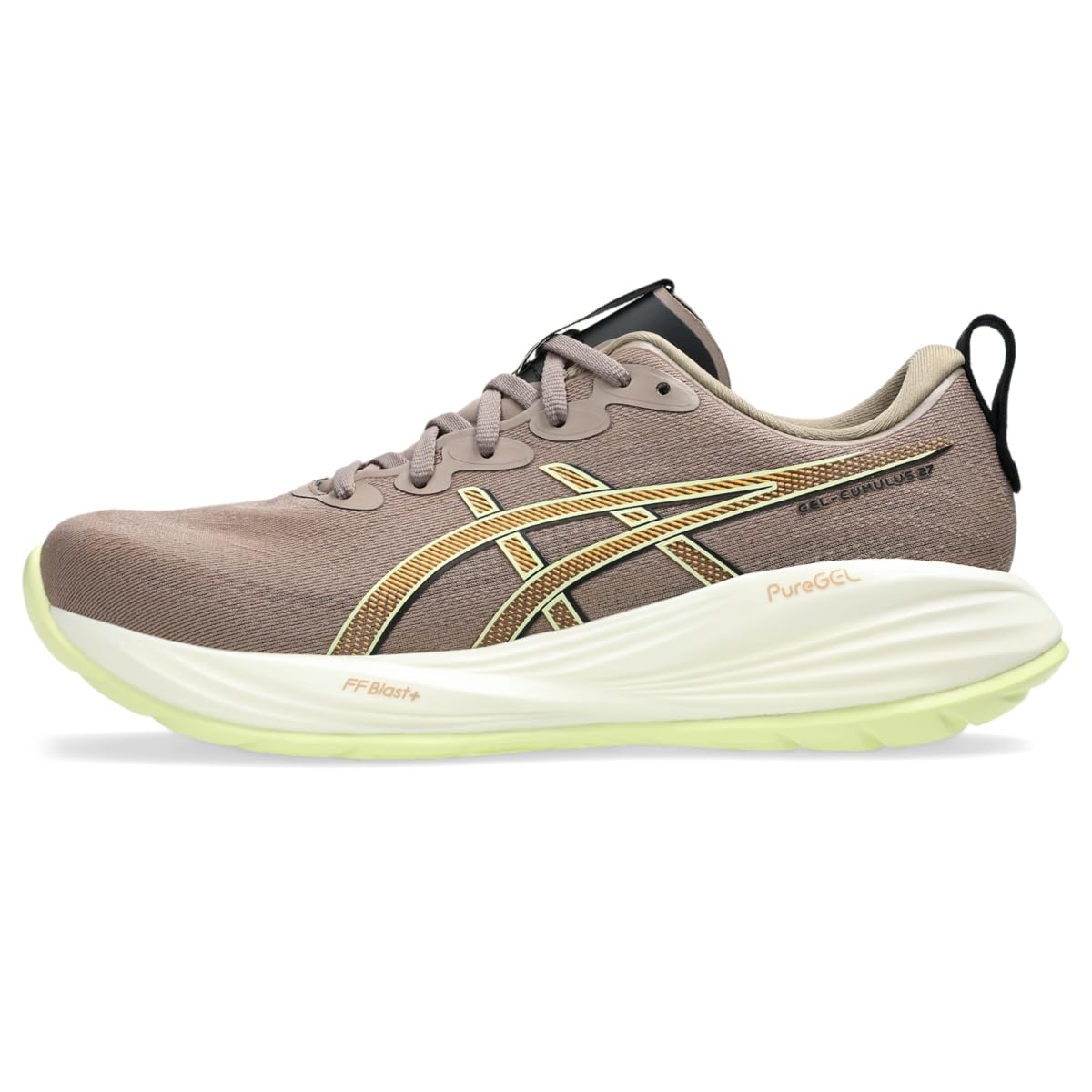
The Gel-Cumulus 27 is ASICS’s neutral daily trainer, but its PureGEL units in the rearfoot and FF BLAST PLUS foam create a ride that discounts impact so effectively that many flat-footed runners find it forgiving even without a rigid medial post. The midsole is soft yet responsive, and the FluidRide outsole blends blown rubber with a solid contact patch that gives good traction without feeling clunky. The engineered mesh upper is breathable and wraps the midfoot comfortably without pressure points.
User feedback is overwhelmingly positive for knee pain relief — one reviewer cited a recommendation from an ultramarathoner. The toe box is slightly roomy, which prevents toe jamming on long runs, but the heel lockdown is secure enough that you do not slide forward on downhills. The shoe is lighter than the previous version, and the colorways sell quickly when they drop.
Because this shoe lacks a dedicated stability post, heavy overpronators may still drift inward. It is best suited for flat-footed runners with mild to moderate pronation who want a smooth, highly cushioned ride for road miles. For walkers, the drop and rocker work well, but the medial support is less aggressive than the Saucony Guide 18 listed below.
Why it’s great
- PureGEL absorbs shock exceptionally at the heel
- Breathable mesh upper with secure heel wrap
- Lightweight build for a max-cushion trainer
Good to know
- No medial post — mild pronation control only
- Popular colors sell out quickly
4. ASICS Women’s Gel-Cumulus 27
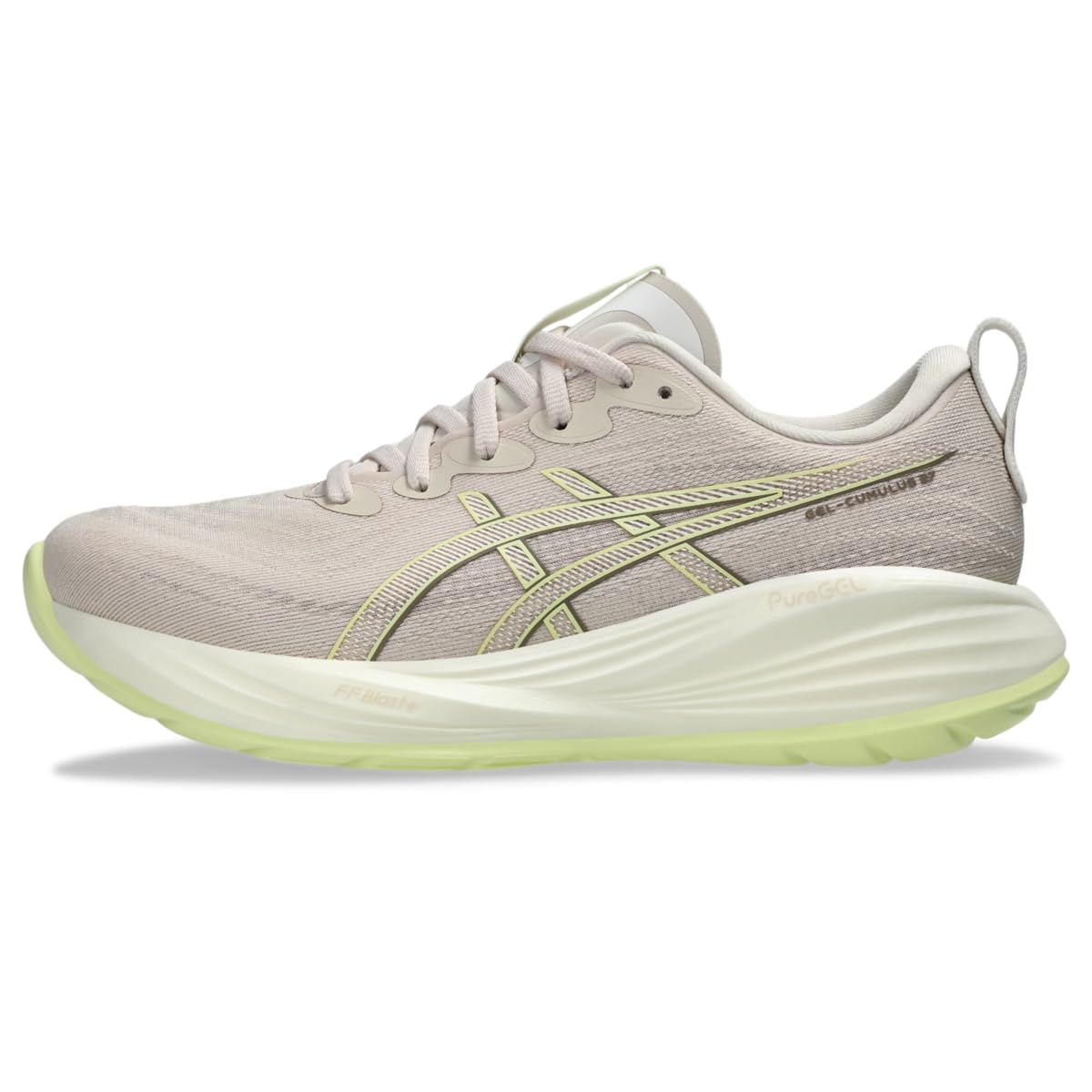
The women’s Gel-Cumulus 27 mirrors the men’s version in its PureGEL and FF BLAST PLUS construction, but the women’s last is sculpted to accommodate a narrower heel and wider forefoot proportion. That geometry is a strong match for flat-footed women who find men’s shoes sloppy at the heel. Doctors frequently recommend this shoe for Morton’s neuroma, foot alignment issues, and general arch support — one user noted immediate improvement in back pain just from wearing them around the house.
The outsole features a fluid ride groove that allows the midsole to compress independently under the heel and forefoot, which makes the transition feel more natural than a single slab of foam. The laces have improved from previous versions and stay tied without extra knots. The tongue is padded and distributes pressure evenly across the instep, a detail that matters when you cinch down for midfoot security.
Reviewers note the toe box is slightly tighter than the men’s version, which can be an issue for long runs if your feet swell. If you have very wide feet or a diagnosed neuroma, try the shoe on before committing or order a half size up. For neutral-to-mild pronators who want a cushioned, lightweight trainer, this is a top contender.
Why it’s great
- Women-specific last reduces heel slip
- Doctor-recommended for Morton’s neuroma
- FluidRide outsole enables smooth transitions
Good to know
- Toe box can feel tight for wide feet
- Works best for mild to moderate overpronation
5. Saucony Men’s Guide 18
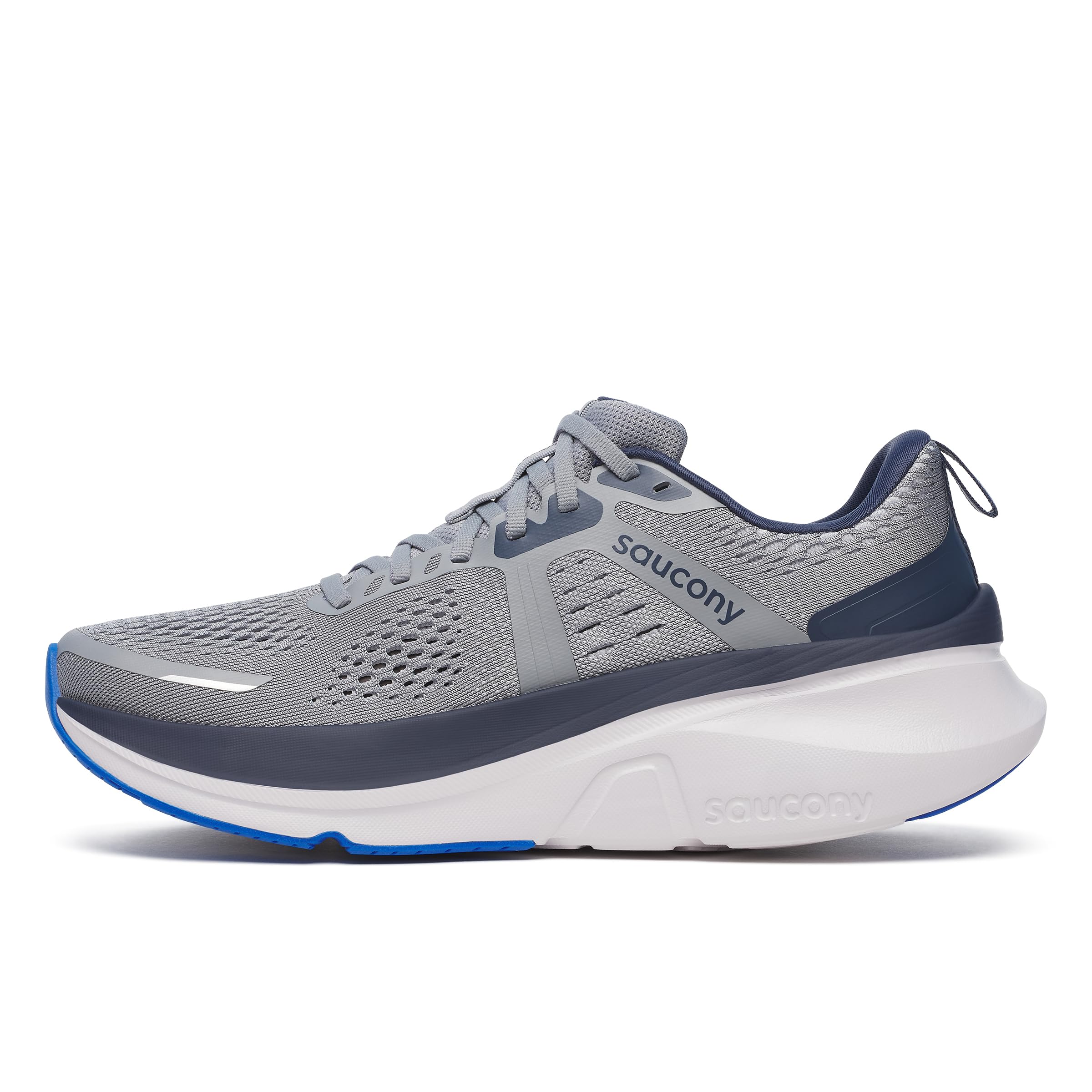
The Guide 18 is Saucony’s dedicated stability trainer, and it is engineered specifically for flat-footed runners who overpronate. The Center Path Technology uses a raised sidewall on the medial side and a rocker-shaped sole to keep the foot centered over the midsole rather than letting it roll inward. The PWRRUN foam is denser than Saucony’s neutral compounds, which gives it a stable, grounded feel that inspires confidence on long runs and hard turns.
Customer reviews from flat-footed, heavier runners highlight the shoe’s ability to distribute wear evenly — a sign that the pronation control is working. The shoe is lighter than previous Guide models and has no rigid plastic insert, making the transition from heel to toe smoother. The breathable mesh upper is true to size for most, though flat-footed buyers with wide forefeet should check the Saucony size chart against the toe box volume.
The trade-off is that the denser PWRRUN foam feels less plush than the ASICS Gel-Cumulus 27 at slow walking speeds. If your primary use is daily walking on pavement, the hard edge of the stability post can feel obtrusive. But if you run regularly and your ankles roll inward with every stride, the Guide 18 gives you the most reliable motion control in this list.
Why it’s great
- Raised sidewalls actively block overpronation
- Lightweight build with no hard plastic post
- Smooth rocker transition for heel-strikers
Good to know
- Firmer ride than max-cushion neutral shoes
- Toe box is narrower than Guide 14/15
6. Skechers Hands Free Slip-ins Max Cushioning Endeavour
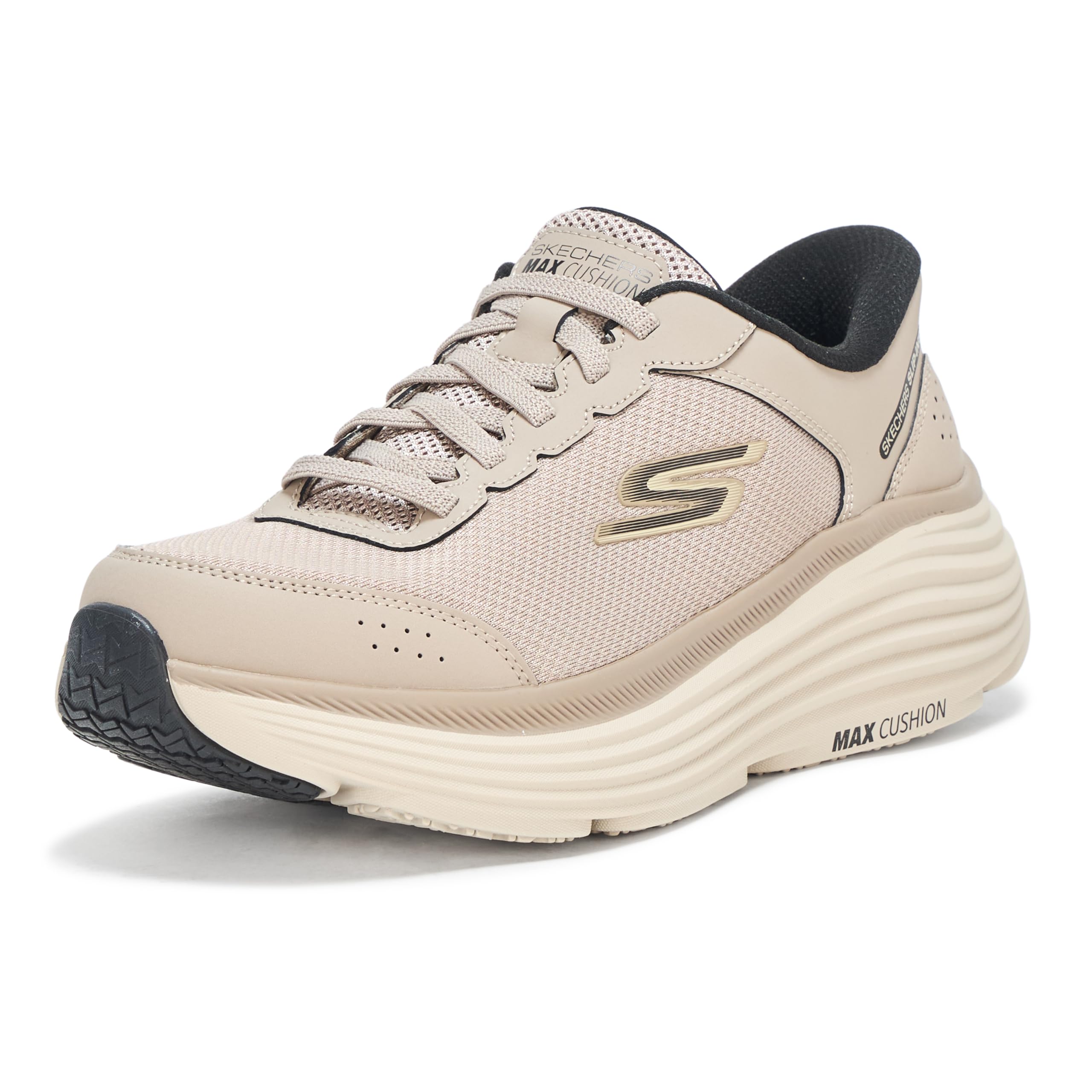
The Skechers Hands Free Slip-ins Endeavour is a solid mid-range option if you prioritize convenience over aggressive stability. The Soft Stride cushioning foam provides a pillowy ride that reduces foot fatigue significantly during nine- to ten-hour standing days, according to multiple user reports. The Heel Pillow — a padded sleeve inside the heel collar — locks your foot in place without laces, so you do not have to bend down to secure the shoe.
The wide toe box and mesh-and-leather upper accommodate swollen feet and custom orthotics easily, which is crucial for flat-footed users who need extra volume. The shoe runs true to size in wide widths, and the Air-Cooled Goga Mat insole adds a layer of plushness under the arch. Reviewers with plantar fasciitis and rheumatoid arthritis found the cushioning reduced their daily pain levels.
The biggest drawback is water resistance — this shoe is not waterproof at all, so wet grass or puddles soak through immediately. The outsole is also less substantial than dedicated stability shoes, so very heavy pronators may feel the stability is insufficient for running. For flat-footed walkers who want a comfortable, easy-on shoe for dry conditions, this delivers good value.
Why it’s great
- Hands-free entry saves time and spares the back
- Heel Pillow prevents slip without laces
- Wide toe box fits orthotics and swollen feet
Good to know
- Not waterproof — avoid wet conditions
- Mild stability, not for aggressive overpronation
7. FitVille Rebound NEO V2 Extra Wide Walking Shoes

The FitVille Rebound NEO V2 is the most budget-friendly entry in this guide, but it earns its place through a genuinely extra-wide toe box that accommodates flat feet without squeezing the metatarsals. The slip-on construction with stretch laces allows you to step in and go, which is helpful if bending over is painful. The midsole is built with a PU foam that provides a firm platform — it is not as plush as the Skechers or ASICS options, but the arch support is surprisingly pronounced for the price point.
User reviews consistently praise the fit for extra-wide feet. Multiple buyers with fallen arches reported they could ditch their orthotic inserts because the built-in support was sufficient for walking and light errands. The outsole has a solid rubber tread that grips well on pavement and light trails, and the shoe shows no quality control issues after several months of wear.
The compromise is that the cushioning is less sophisticated than the premium options — the foam lacks the rebound of PWRRUN or FF BLAST PLUS, so long runs beyond three miles start to feel flat. The sizing also runs large, especially in wide widths, so order a half size down if you are between sizes. For budget-conscious flat-footed users who need roomy, supportive walking shoes, this is a strong entry-level pick.
Why it’s great
- Extra-wide toe box prevents forefoot pinching
- Built-in arch support reduces need for orthotics
- Slip-on design with stretch laces for easy wear
Good to know
- Cushioning flattens on longer runs
- Runs large — size down for accurate fit
FAQ
Can flat feet cause heel pain even with supportive shoes?
Should I buy stability shoes or neutral shoes with orthotic inserts?
How do I know if my arch support is high enough?
Are zero-drop shoes good for flat feet?
How often should I replace flat-foot support shoes?
Final Thoughts: The Verdict
For most users, the footwear for flat feet winner is the Brooks Addiction Walker V-Strap 2 because it combines aggressive pronation control with the durability and orthotic-friendly design that flat-footed walkers need for all-day use. If you want max cushion for running with mild pronation, grab the ASICS Gel-Cumulus 27 (Men’s). And for a budget-friendly extra-wide fit that needs no break-in, nothing beats the FitVille Rebound NEO V2.