
Every step with Achilles tendonitis can feel like a negotiation with your own heel — the morning stiffness, the sharp twinge during push-off, and the relentless ache that follows even a short walk. The right shoe doesn’t just cushion your foot; it mechanically offloads the Achilles tendon, reduces strain during the gait cycle, and lets you move without bracing for pain.
I’m Mohammad Maruf — the founder and writer behind Drink4Good. I’ve spent years analyzing footwear biomechanics and reading podiatric research to understand how heel-to-toe drop, rocker geometry, and midsole density directly influence tendon load and recovery.
Whether you’re recovering from an acute flare-up or managing chronic tendinopathy, finding the right support is critical. This guide breaks down the top models on the market so you can confidently choose the footwear for achilles tendonitis that matches your foot shape, activity level, and pain profile.
How To Choose The Best Footwear For Achilles Tendonitis
Selecting the right footwear for Achilles tendonitis goes beyond looking for a cushioned sole. You need to address the mechanical stress placed on the tendon with every step. Here are the key factors to evaluate before making a purchase.
Heel-to-Toe Drop and Rocker Geometry
The heel-to-toe drop (the height difference between the heel and forefoot) is arguably the most critical spec. A higher drop, typically 8mm to 12mm, shifts the heel above the forefoot, reducing the stretch and load on the Achilles tendon during walking and running. A rocker sole — a curved bottom that mimics a rolling motion — further decreases the need for dorsiflexion, allowing a smoother transition that spares the tendon.
Cushioning Density and Stability Features
Soft, plush cushioning can feel great under the heel, but if it lacks structure, it can allow excessive pronation or supination, which may twist the tendon and aggravate the pain. Look for shoes with a balanced midsole — firm enough to control motion but compliant enough to absorb impact. Features like a wider base, medial posts, or guide rails help keep the foot aligned.
Orthotic Compatibility and Foot Volume
Achilles tendonitis often requires customized orthotics to correct biomechanical imbalances. Always check whether the insole is removable and if the shoe has enough depth to accommodate an aftermarket insert. A toe box that allows natural splay — without being too tight — also helps prevent compensatory gait patterns that can overload the tendon.
Quick Comparison
On smaller screens, swipe sideways to see the full table.
| Model | Category | Best For | Key Spec | Amazon |
|---|---|---|---|---|
| Brooks Glycerin GTS 23 (Men’s) | Stability Running | Daily running & walking | 10mm heel-to-toe drop | Amazon |
| Brooks Beast GTS 26 | Max Support | Overpronation & wide feet | GuideRails support system | Amazon |
| Brooks Glycerin GTS 23 (Women’s) | Stability Running | High-cushion walking | Holistic Support System | Amazon |
| OOFOS Oomy Stride | Recovery | Post-activity recovery | Impact Absorption Tech | Amazon |
| Orthofeet Tilos Hands-Free | Orthopedic | Severe foot pain & diabetes | 4 removable arch inserts | Amazon |
| Ryka Devotion X Max RS | Walking | Women’s walking & wide feet | Shock resistant midsole | Amazon |
| Skechers Slip-ins Max Cushioning | Casual | Easy on/off daily wear | Hands-free slip-in design | Amazon |
In‑Depth Reviews
1. Brooks Men’s Glycerin GTS 23 Supportive Running Shoe
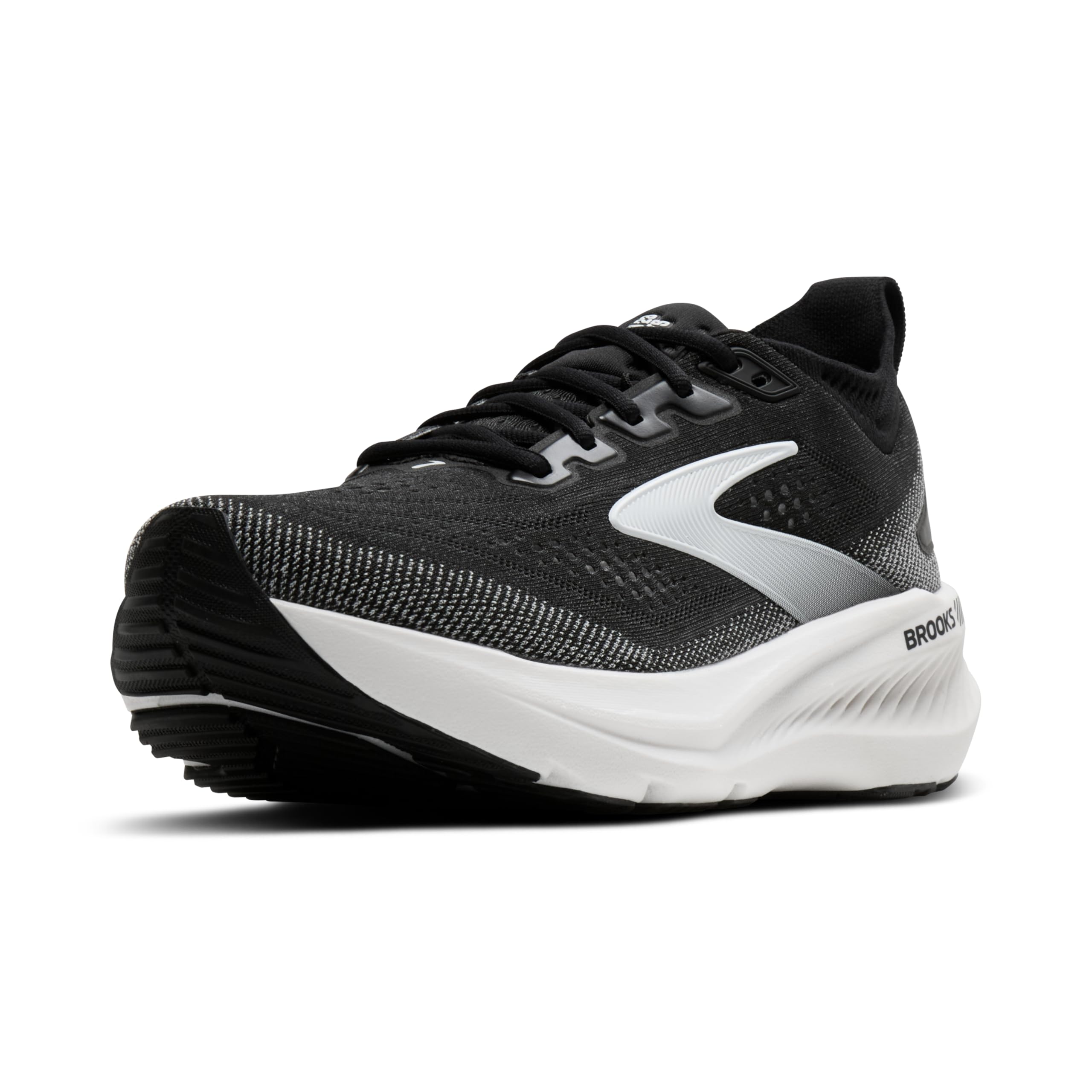
The Brooks Glycerin GTS 23 combines a plush, springy midsole with the GuideRails holistic support system, which keeps the foot aligned without feeling intrusive. At a 10mm heel-to-toe drop, it actively reduces strain on the Achilles tendon by keeping the heel elevated relative to the forefoot — a crucial geometry for tendinopathy management. Regular users report that the deeper cushioning actually adds a noticeable bounce, making each stride feel less laborious on the posterior chain.
Durability is a strong point here. The outsole rubber holds up well across varied surfaces, and the engineered mesh upper offers a forgiving fit that accommodates mild swelling. Many long-time Brooks wearers have noted that this generation improves on the GTS 22, with a lower heel-to-toe transition that specifically helped reduce minor ankle and heel pain. It works well for both running and walking, which is rare for a stability shoe.
The one caveat is that the standard width runs slightly snug for those with genuinely wide feet; you may need to order the 2E or 4E options. The price point sits in the premium range, but the combination of support, drop height, and durability justifies the investment for anyone serious about managing Achilles tendonitis through footwear.
Why it’s great
- High 10mm drop reduces Achilles stretch effectively
- GuideRails system prevents overpronation without rigidity
- Plush midsole absorbs impact without sacrificing stability
Good to know
- May fit narrow; wide sizes recommended for broader feet
- Premium pricing reflects advanced support tech
2. Brooks Men’s Beast GTS 26 Supportive Running & Walking Shoe
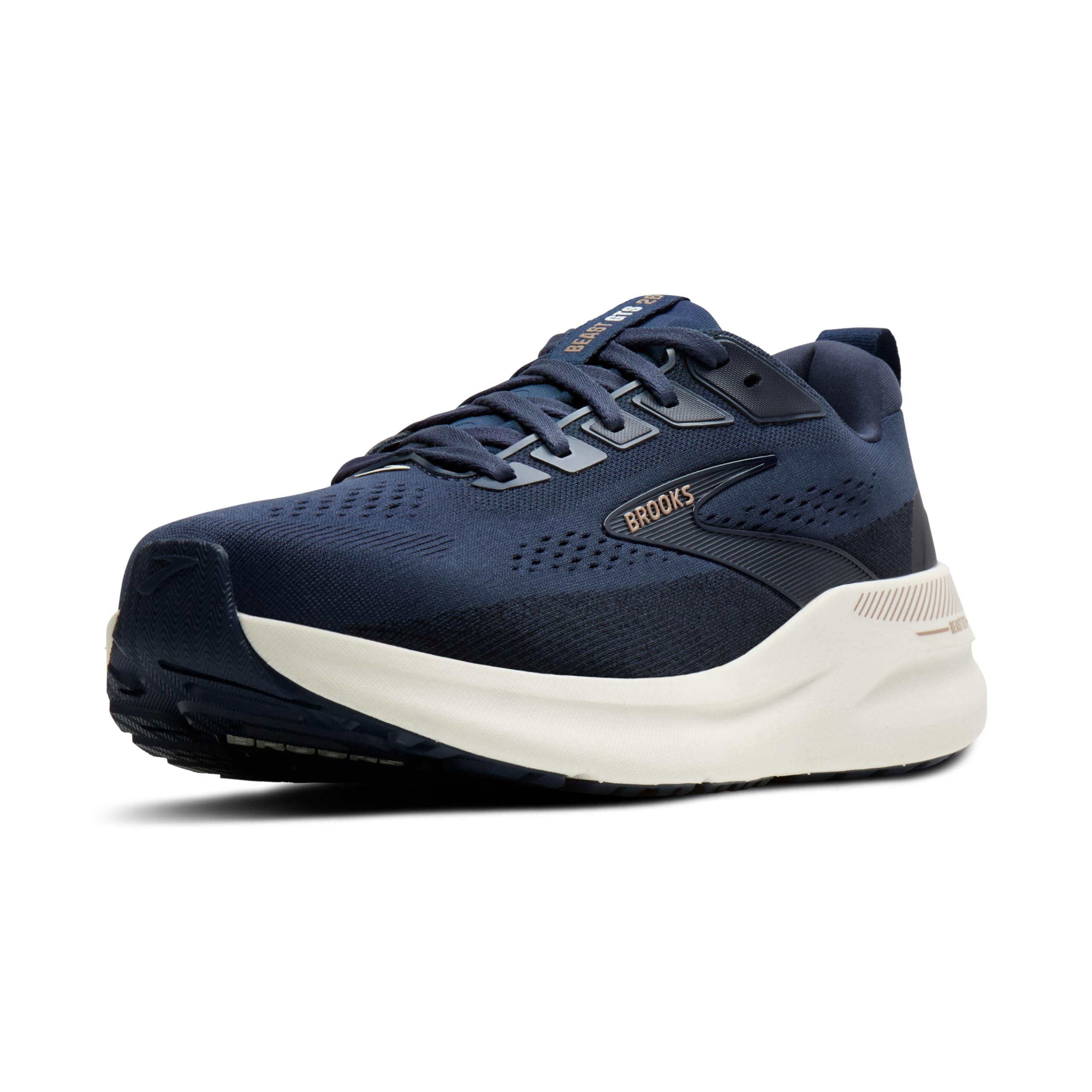
The Brooks Beast GTS 26 is engineered for maximum motion control, making it an excellent choice for those with both Achilles tendonitis and overpronation. The GuideRails system works like a pair of bumpers — it gently corrects excessive inward rolling without making the footbed feel restrictive. Combined with a thick, flared sole and a stiff heel counter, this shoe creates a stable platform that prevents the tendon from being torqued during the gait cycle.
Users with very wide feet (up to 4E) and those with bunions have reported that this is the only shoe they can tolerate all day. The insole is dense yet forgiving, and the molded midsole provides adaptive cushioning that responds to different walking speeds. A 25-year veteran of the Beast line noted that the GTS 26 is the closest feeling to the beloved GTS 20 in half a decade — praise that speaks to the refined last and the supportive fit.
The main trade-off is weight; the Beast GTS 26 is not a lightweight shoe. It feels substantial on the foot, which some users love for the sense of security, but it may not be ideal for fast-paced walking or running. Also, the stock laces are short for a heel-lock technique, so you may want to swap them out if you have a high instep or use orthotics.
Why it’s great
- GuideRails control overpronation that strains the tendon
- Wide 4E options accommodate bunions and swollen feet
- Thick, rigid sole provides a stable, predictable gait
Good to know
- Heavier construction; not for speed walking
- Laces may be too short for heel-lock tying
3. Brooks Women’s Glycerin GTS 23 Supportive Running Shoe
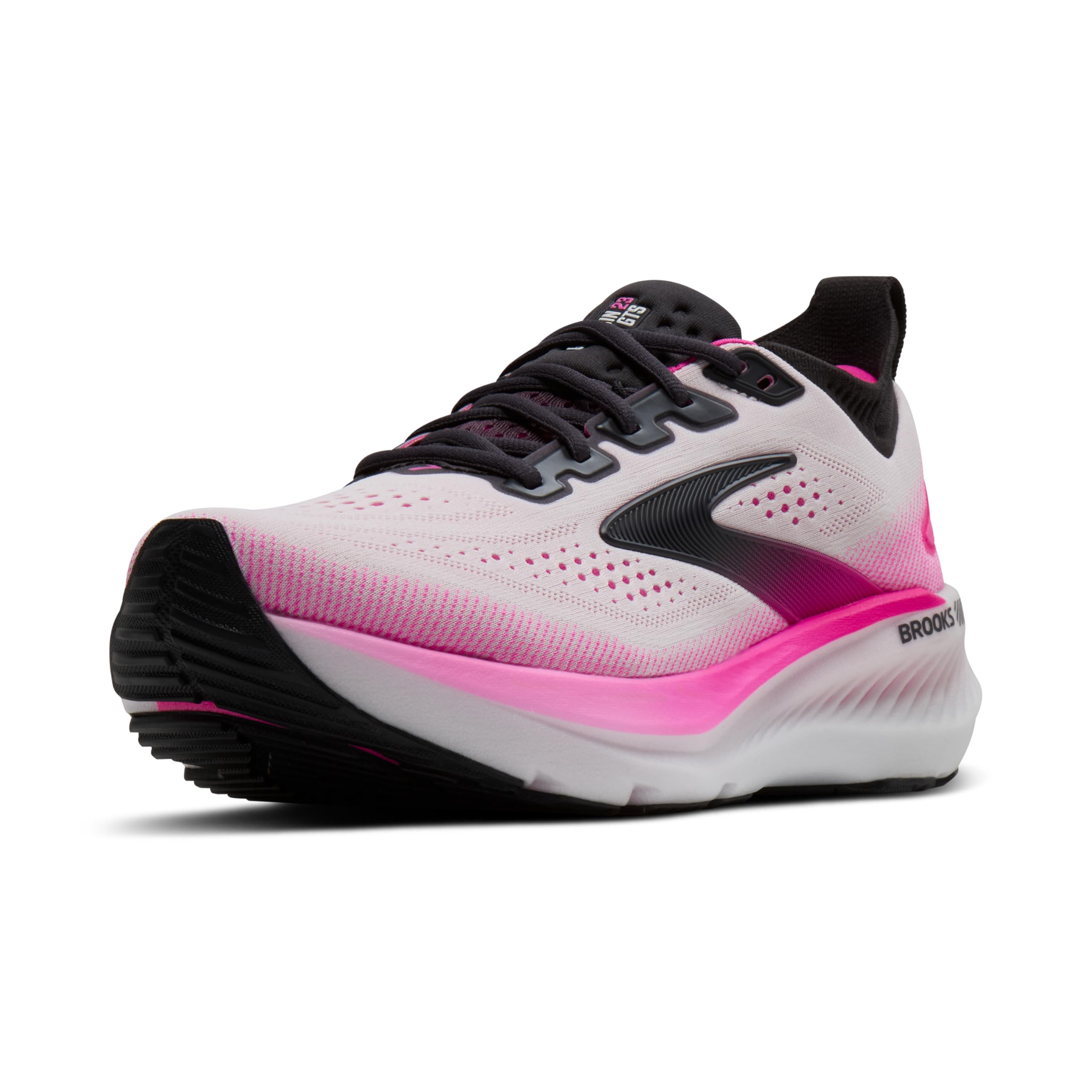
The women’s version of the Glycerin GTS 23 offers the same 10mm drop and holistic support system as the men’s, but with a last geometry tailored to the female foot — narrower in the heel and slightly wider in the forefoot. This is a significant advantage for women with Achilles tendonitis who often find unisex or men’s shoes slip at the heel, causing friction and instability during push-off.
Cushioning is exceptionally plush without being unstable. The midsole uses Brooks’ DNA LOFT v3, a blend of rubber, air, and foam that delivers a soft, almost pillow-like landing. For plus-size users, this translates to a high degree of impact absorption that spares the Achilles from repetitive shock. One reviewer with plantar fasciitis and a bouncy gait reported that this shoe was the first that didn’t cause toe or heel rubbing after a 4-mile walk.
The only drawback is that the white and light-colored uppers show dirt quickly, and some users noted that the wide width isn’t available in all colorways. For very long standing days or extreme step counts (over 9,000 daily), the toe box may feel slightly restrictive for those with a naturally splayed forefoot, but for everyday walking and casual use, it’s a top-tier performer.
Why it’s great
- 10mm drop optimized for women’s foot anatomy
- DNA LOFT v3 midsole absorbs shock without sinking
- Available in wide widths for swelling management
Good to know
- Light colors show wear quickly
- Not ideal for ultra-long standing days
4. OOFOS Womens Oomy Stride
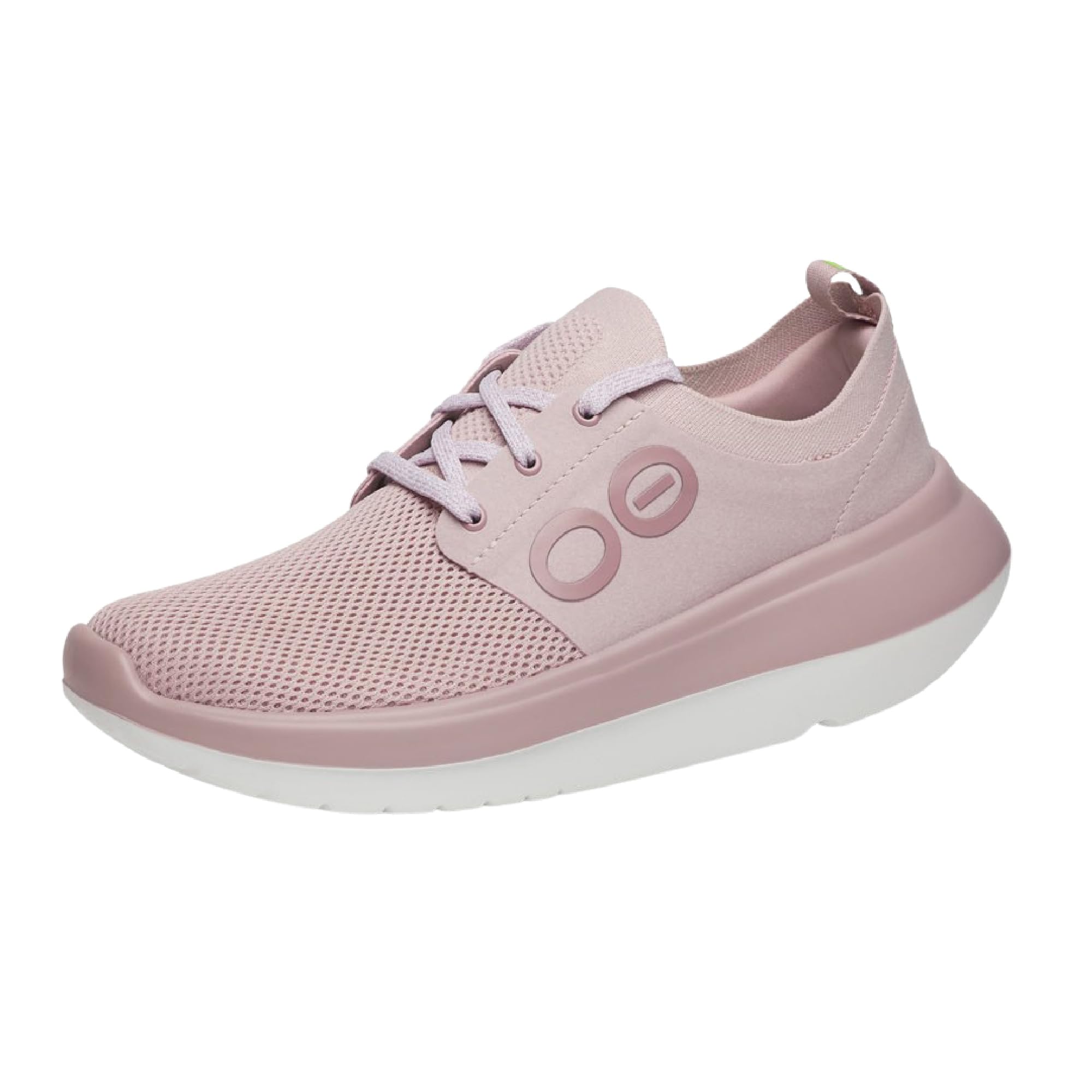
The OOFOS Oomy Stride is designed around the brand’s proprietary OOfoam technology, which absorbs 37% more impact than traditional foam. This makes it an excellent recovery shoe — something to slip into after a run, a long walk, or a day on your feet to reduce the cumulative load on the Achilles tendon. The advanced footbed geometry includes a deep heel cup and a contour that supports the arch, cradling the foot in a position that minimizes tendon strain.
Users with plantar fasciitis and heel pain have reported immediate relief when switching to these as their daily walking shoe. The upper is a stretchy, almost sock-like construction that feels weightless, though the laces are more aesthetic than functional — they don’t actually loosen, so the fit is determined by the elastic top. This makes them easy to slip on, but tricky if you need to adjust tightness due to post-surgery swelling.
The durability is a point of contention. Several users reported that the soles wear down and peel off within a year, even with moderate use. The OOFOS Oomy Stride is best viewed as a high-comfort, therapeutic shoe for recovery and low-impact daily wear, not a long-haul hiking or heavy walking shoe. If you need something for daily 5-mile walks, look elsewhere; if you want relief during downtime, this works beautifully.
Why it’s great
- Absorbs 37% more impact than standard foams
- Deep heel cup and arch support reduce tendon tension
- Extremely lightweight and machine washable
Good to know
- Soles wear down relatively quickly
- Fake laces limit adjustability
5. Orthofeet Men’s Orthopedic Tilos Hands-Free Water-Repellent Walking Sneaker

Orthofeet’s Tilos is an orthopedic sneaker that comes with four separate arch support inserts, allowing you to dial in the exact level of lift and pronation control you need. This is a huge advantage for Achilles tendonitis because the condition often coexists with flat feet or overpronation, and a one-size-fits-all insole rarely addresses the specific angle your heel sits at. The hands-free entry — a collapsible heel counter — means you can put them on without bending, a godsend if morning stiffness makes tying laces painful.
The outsole features a mild rocker shape, which promotes a smooth heel-to-toe transition and reduces the need for dorsiflexion at push-off. This directly lowers the eccentric load on the Achilles. Multiple reviewers, including a nurse and a 76-year-old, reported dramatic relief from foot, heel, and even lower back pain within days of switching to these shoes. The fit is generous, especially in the toe box, which allows custom orthotics to sit comfortably without crowding.
On the downside, the styling is somewhat bland — these are clearly function-over-form footwear. A few users noted a squeaking sound from the insole that disappeared after adding a thin plastic booster under the arch. The water-repellent coating works well for light rain but isn’t fully waterproof. Overall, the Tilos is the best choice for those who need highly tunable support and an easy-on design without sacrificing biomechanical correction.
Why it’s great
- Four arch inserts for customizable pronation control
- Rocker sole minimizes Achilles dorsiflexion demand
- Hands-free entry for pain-free morning wear
Good to know
- Styling is basic and medical-looking
- Insole can squeak until fully broken in
6. Ryka Devotion X Max RS Walking Shoe
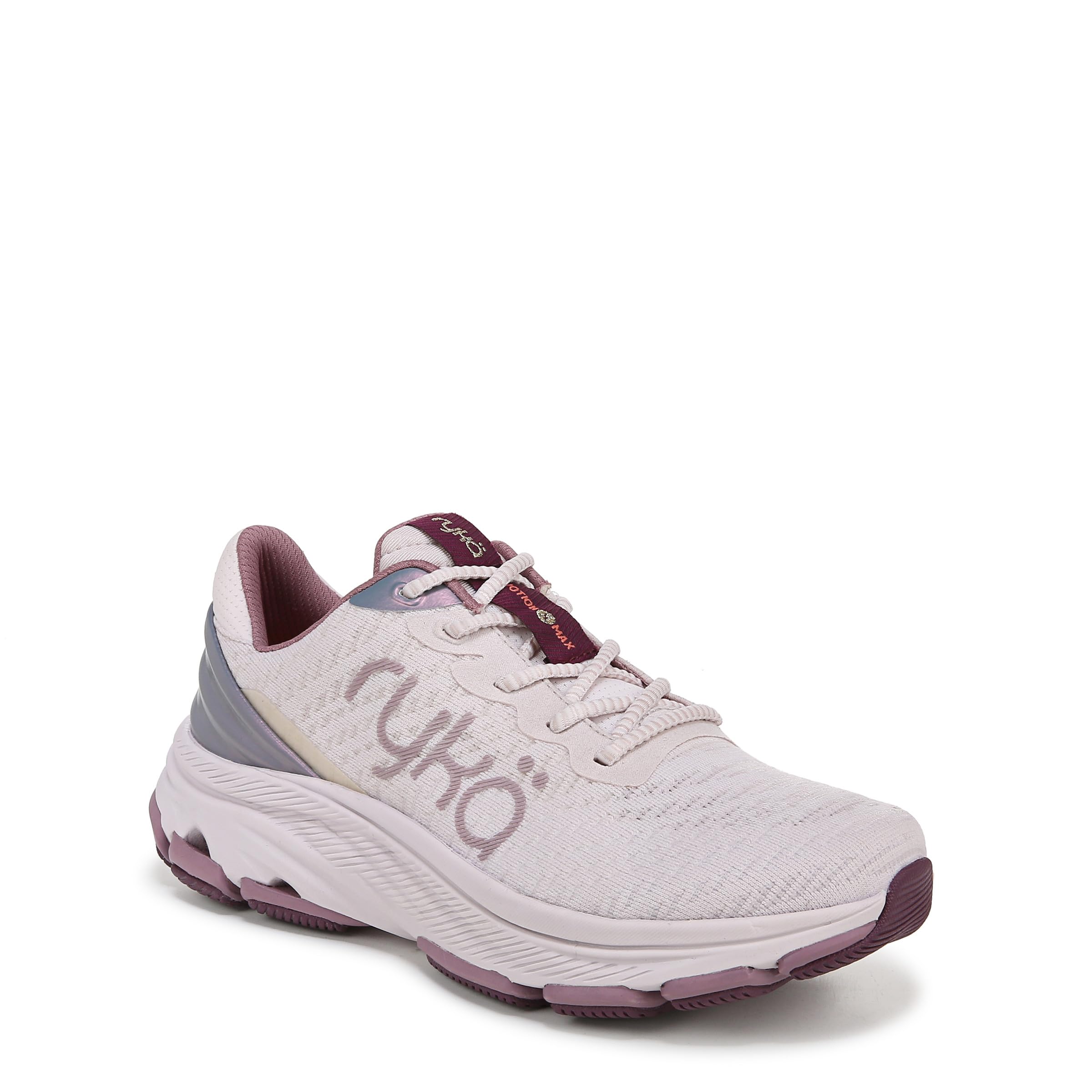
The Ryka Devotion X Max RS is a walking shoe specifically designed for the female foot — narrower in the heel and wider through the forefoot. This matters for Achilles tendonitis because a slipping heel can cause micro-instability that aggravates the tendon. The shoe features a shock-resistant midsole that, while not as plush as Brooks’ DNA LOFT, offers a balanced ride that is both responsive and protective.
What sets this shoe apart in the mid-range is the removable insole, which allows you to drop in a custom orthotic without losing the shoe’s structural integrity. The outsole is non-slip and stable, and the toe box is genuinely wide — one reviewer with a wide foot noted that Ryka’s wide is wider than Saucony’s or Nike’s, which is a big plus if you need space for toe splay. Many users have compared the cushioning favorably to the Hoka Bondi 9 at a significantly lower cost.
The main limitation is that the fit can be slightly too voluminous in the toe area for narrow feet, causing the fabric to pucker when laced tightly. This is a minor cosmetic issue that doesn’t affect function. Also, the color options are somewhat limited, but for the price, you’re getting a solid, orthotic-compatible walking shoe that relieves pressure on the Achilles without breaking the bank.
Why it’s great
- Removable insole for custom orthotic use
- Wide toe box accommodates natural forefoot splay
- Excellent shock absorption for walking impact
Good to know
- Toe box may feel too wide for narrow feet
- Limited color range available
7. Skechers Men’s Hands Free Slip-ins Max Cushioning Endeavour Cardova Sneaker

The Skechers Hands Free Slip-ins feature a thick, cushy rocker sole and a hands-free collapsible heel, making them one of the easiest shoes to get in and out of — a real advantage when Achilles pain makes bending or pulling painful. The rocker shape naturally propels the foot forward, reducing the amount of active dorsiflexion needed during the gait cycle, which directly offloads the tendon.
For casual, low-activity use — driving to work, light errands, short walks — these shoes provide a surprising amount of comfort. The Max Cushioning platform is soft without feeling mushy, and the wide toe box has been praised by users with neuropathy and general foot sensitivity. One reviewer even reported that these were the only shoes they could wear after orthopedic surgeries, preferring them over Hoka for daily ease.
The catch is that they are not designed for athletic use or long-distance walking. The sole’s rocker shape, while great for reducing tendon strain in casual gait, can become unstable on uneven terrain or during faster movement. A few users noted that the shoe may promote mild pronation or supination if your ankles are weak. For a low-impact, every-day slip-on that prioritizes comfort over performance, this is a solid budget-friendly choice.
Why it’s great
- Rocker sole reduces Achilles dorsiflexion demand
- Hands-free entry for pain-free morning wear
- Thick cushion with wide toe box for sensitive feet
Good to know
- Not stable for athletic or long-distance use
- May exacerbate ankle instability in some users
FAQ
Is a higher heel-to-toe drop always better for Achilles tendonitis?
Can I wear casual slip-on shoes with Achilles tendonitis?
Should I buy shoes one size larger for swelling?
How often should I replace footwear for Achilles tendonitis?
Final Thoughts: The Verdict
For most users, the footwear for achilles tendonitis winner is the Brooks Glycerin GTS 23 (Men’s) because it combines a high 10mm drop with GuideRails stability and plush cushioning, offering the best balance of tendon offloading and everyday comfort. If you need maximum motion control for severe overpronation, grab the Brooks Beast GTS 26. And for those who want a budget-friendly, orthotic-compatible walking shoe, nothing beats the Ryka Devotion X Max RS.