
Landing hard on a heel with too much cushion or rolling an ankle in a shoe built for running straight are two fast ways to sideline an aerobics session. The explosive lateral cuts, high-impact jumps, and quick pivots demand a shoe with a stable platform, adequate midfoot support, and a outsole that grips without grabbing. A standard running shoe often lacks the torsional rigidity and flat base needed for safe side-to-side movement.
I’m Mohammad Maruf — the founder and writer behind Drink4Good. I’ve spent thousands of hours analyzing the construction, outsole patterns, and midsole compounds that define the best cross-training and court shoes on the market to understand what keeps athletes stable during dynamic floor work.
This buying guide breaks down the six most critical specs to evaluate when shopping for the best footwear for aerobics and reviews seven top models that deliver the lateral stability, impact absorption, and forefoot flexibility this demanding activity requires.
How To Choose The Best Footwear For Aerobics
Choosing between a general training shoe and one specifically designed for aerobics comes down to three core factors: the stability of the platform under load, the flexibility of the forefoot for toe-off and landing, and the outsole traction that allows confident stopping and starting. Overlooking any of these can lead to discomfort or injury during high-repetition routines.
Lateral Support and Midfoot Cage
A shoe with a reinforced midfoot cage or an external heel counter resists the foot sliding sideways inside the shoe during cutting moves. Look for a firm upper wrap that locks the heel without pinching the toes.
Drop Height and Stack
A lower heel-to-toe drop (0-4mm) encourages a more natural, flat foot strike, which improves balance and reduces the risk of rolling an ankle. A high stack (30mm+) provides more plush cushioning but sacrifices ground feel and lateral stability.
Outsole Traction Pattern
A herringbone or multi-directional traction pattern on a non-marking rubber outsole offers the grip needed for pivots on indoor court floors. Look for high-abrasion rubber in the heel and forefoot zones where wear is most common.
Quick Comparison
On smaller screens, swipe sideways to see the full table.
| Model | Category | Best For | Key Spec | Amazon |
|---|---|---|---|---|
| Reebok Nano X5 | Cross-Training | Weight training & HIIT | 0mm drop, flat base | Amazon |
| ALTRA Lone Peak 9 | Trail/Aerobic | Zero-drop stability | 0mm drop, wide toe box | Amazon |
| Under Armour Flow Highlight Ace | Volleyball | Lateral cuts & ankle support | Mid-cut, sticky rubber outsole | Amazon |
| Saucony Endorphin Shift 3 | Road Running | High-cushion walking/jogging | 4mm drop, 35mm stack | Amazon |
| Adidas Everyset Training | Training | Budget cross-training | 0mm drop, flexible forefoot | Amazon |
| Ryka Jumpstart | Slip-on Walk | Easy on/off daily wear | Slip-on, narrow heel | Amazon |
| Ryka Devotion X Max RS | Walking | High-cushion walking | Removable insole, wide toe | Amazon |
In-Depth Reviews
1. Reebok Nano X5
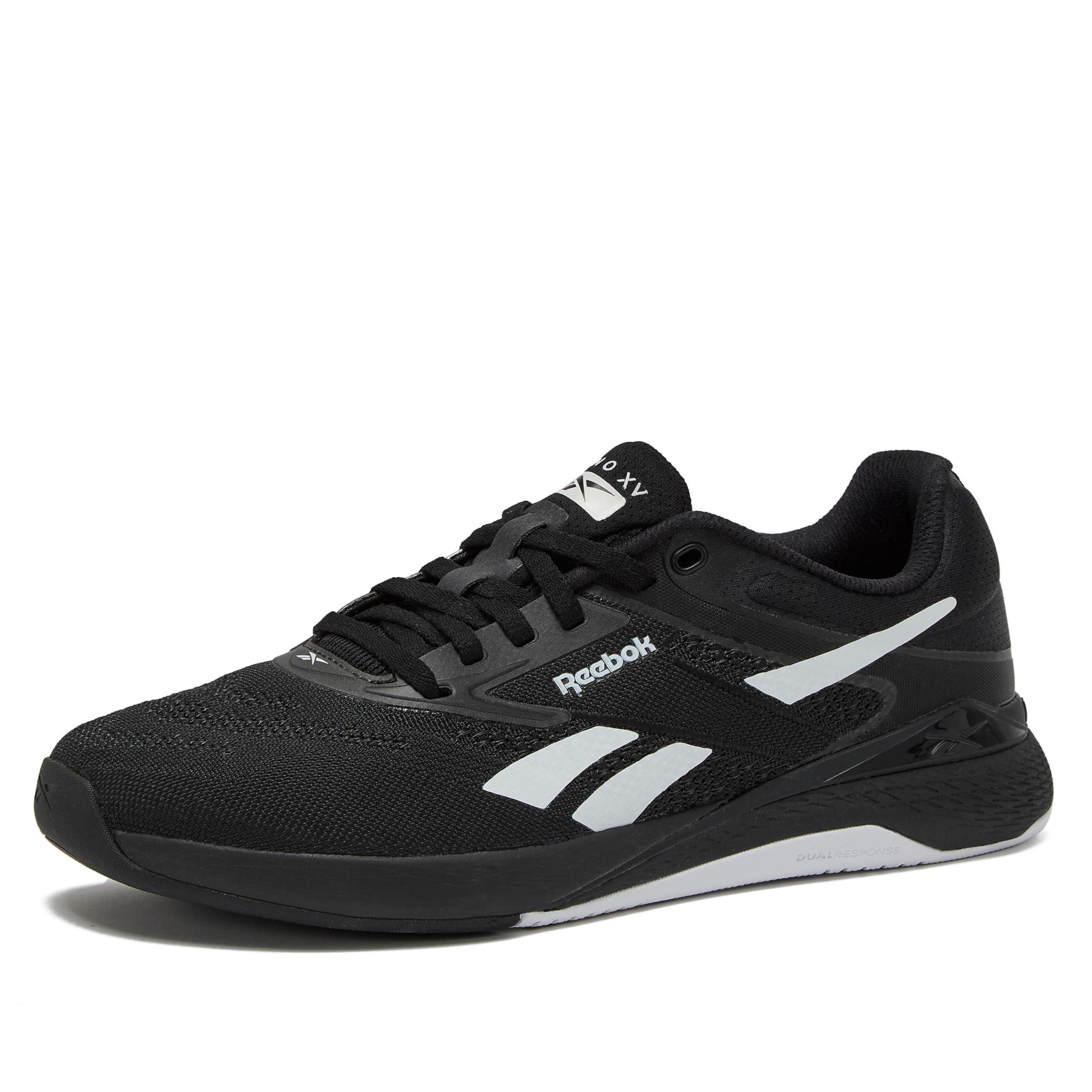
The Reebok Nano X5 is the standard for any gym shoe that must handle both heavy barbell work and high-rep cardio segments. Its completely flat, zero-drop platform eliminates the rocking sensation that plagues cushioned running shoes during squats and lunges, while the stiff, non-flexing sole delivers a secure connection to the floor for explosive jumps. Outsole tread uses a raised dot pattern that grips well on both rubber gym mats and painted concrete.
The upper features a reinforced toe cap and a snug midfoot wrap that prevents the foot from sliding laterally during side shuffles. Testers report a slightly wide fit that accommodates toe splay without compromising heel lock, and the synthetic leather overlays add durability where aerobics shoes typically wear first. The dual-layer foam midsole remains firm enough for stability but absorbs the impact of repeated box jumps.
Long-term users highlight the X5’s ability to serve as a dedicated lifting shoe that transitions seamlessly into a 20-minute HIIT finisher.
Why it’s great
- Zero-drop, flat base ideal for squats and deadlifts.
- Stiff sole prevents heel rocking during lateral cuts.
- Wide toe box allows natural foot splay.
Good to know
- Not designed for any running distance.
- Runs slightly large; size down for narrow feet.
- Some users report a soft squeaking sound from the outsole on smooth floors.
2. ALTRA Women’s Lone Peak 9
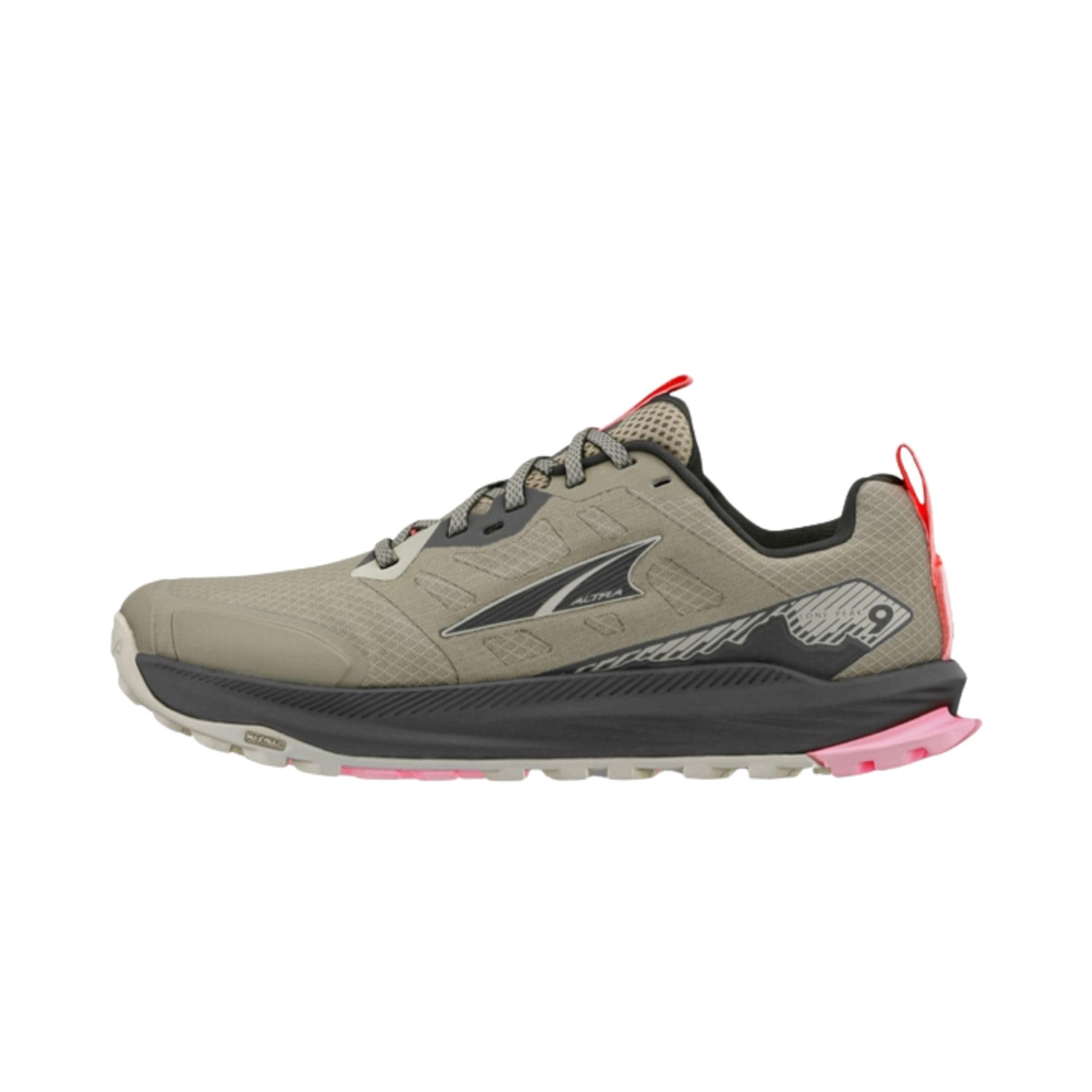
The ALTRA Lone Peak 9 is a trail-running shoe that excels in the gym for those who prioritize a zero-drop, foot-shaped platform. Its signature FootShape toe box allows the toes to spread fully, which directly improves balance during single-leg aerobics movements like step-ups and pistol squats. The 27mm stack height in the heel provides enough cushion for high-impact landings without the excessive height that compromises lateral stability.
The outsole uses a Vibram Megagrip compound with 3.5mm lugs that offer exceptional traction on both dirt trails and polished gym floors. Many users note the MaxTrac sticky rubber provides confidence when pivoting on dusty surfaces. The upper is constructed with a durable mesh and a TPU toe cap that protects against scuffs, though the open mesh breathes well enough to keep feet cool during intense sessions.
This shoe is a premium pick for those who already own a dedicated lifting shoe and need a versatile athletic model for group fitness classes. Reviews consistently mention the wide-fit and zero-lift heel as a game-changer for users with back or hip issues, but the price point is high and the trail-specific lug pattern may feel aggressive on indoor court floors.
Why it’s great
- Foot-shaped toe box improves lateral balance.
- Vibram Megagrip outsole grips all surfaces.
- Zero-drop platform reduces ankle strain.
Good to know
- Trail lugs may feel rough on polished gym floors.
- Higher price than most gym-specific trainers.
- Not as stable for heavy barbell squats.
3. Under Armour Flow Highlight Ace

Designed specifically for volleyball, the Under Armour Flow Highlight Ace is a mid-cut shoe that delivers exceptional ankle support and lateral lockdown. The raised collar wraps around the ankle without restricting dorsiflexion, providing security during explosive jumps and deep lunges. The UA Flow foam midsole is surprisingly soft for a court shoe, yet remains stable enough for multidirectional movements.
The outsole uses a proprietary sticky rubber compound that adheres tenaciously to polished basketball and volleyball courts. This traction is ideal for aerobics classes where quick stops and starts are the norm. The upper is a lightweight knit with molded TPU overlays in the lateral forefoot to resist blowouts during aggressive cuts. A gusseted tongue prevents debris entry and shifts focus during dynamic movements.
Reviews consistently mention the shoe’s ability to secure flat feet and prevent ankle rolls, making it a strong option for aerobics participants who need extra support. However, the shoe runs narrow, and multiple users advise ordering half a size up for a comfortable fit.
Why it’s great
- Mid-cut design provides ankle support.
- Sticky outsole grips polished floors.
- Lightweight knit upper breathes well.
Good to know
- Narrow fit; size up for normal width.
- Not suitable for running or walking.
- UA Flow foam wears faster on abrasive surfaces.
4. Saucony Women’s Endorphin Shift 3
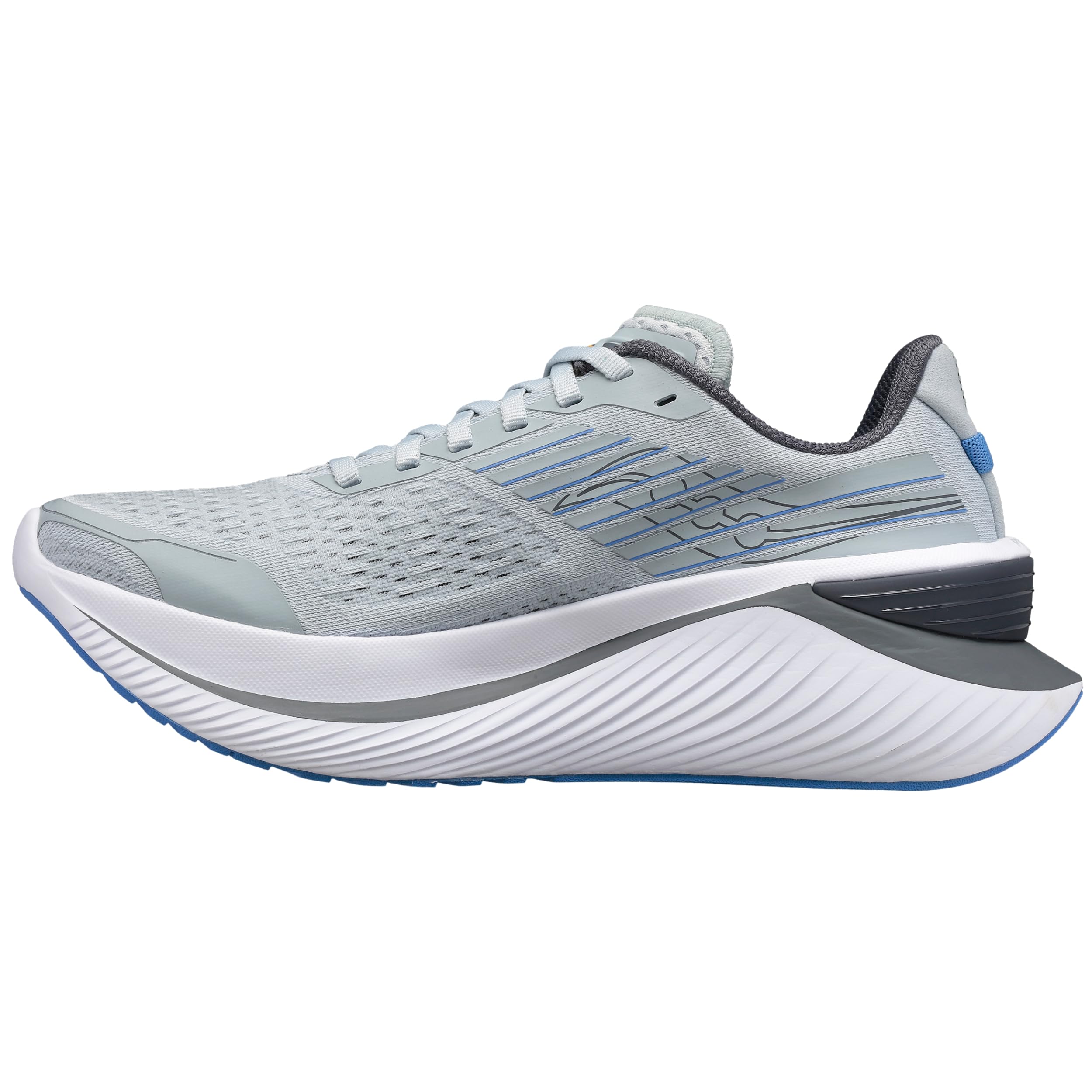
The Saucony Endorphin Shift 3 is a high-stack daily trainer that brings a 35mm heel and 31mm forefoot stack for generous impact absorption. The 4mm drop is low enough to encourage a natural gait but provides enough ramp to reduce achilles strain during walking. The Speedroll geometry creates a smooth heel-to-toe transition that feels efficient for both walking and light jogging.
The PWRRUN PB midsole is a supercritical foam that offers a bouncy, responsive feel — a distinct advantage for high-impact aerobics moves that require energy return. The outsole uses XT-900 carbon rubber placed in high-wear zones, delivering solid durability over many miles. The engineered mesh upper is structured with an internal heel counter that holds the foot securely without pressure points.
Users with plantar fasciitis report significant relief after switching to the Shift 3, attributing the reduction in pain to the combination of low-drop and responsive cushioning. However, the tall stack height does reduce lateral stability, making it less ideal for fast cutting movements compared to a lower-profile training shoe. The shoe also wears out around the 500-mile mark, with the midsole losing some bounce.
Why it’s great
- Plush cushioning absorbs high-impact landings.
- Low 4mm drop promotes natural stride.
- Carbon rubber outsole offers good durability.
Good to know
- Tall stack reduces lateral stability for quick cuts.
- Some users find the tongue slips during wear.
- Expected sole life around 6 months of daily use.
5. Adidas Unisex-Adult Everyset Training
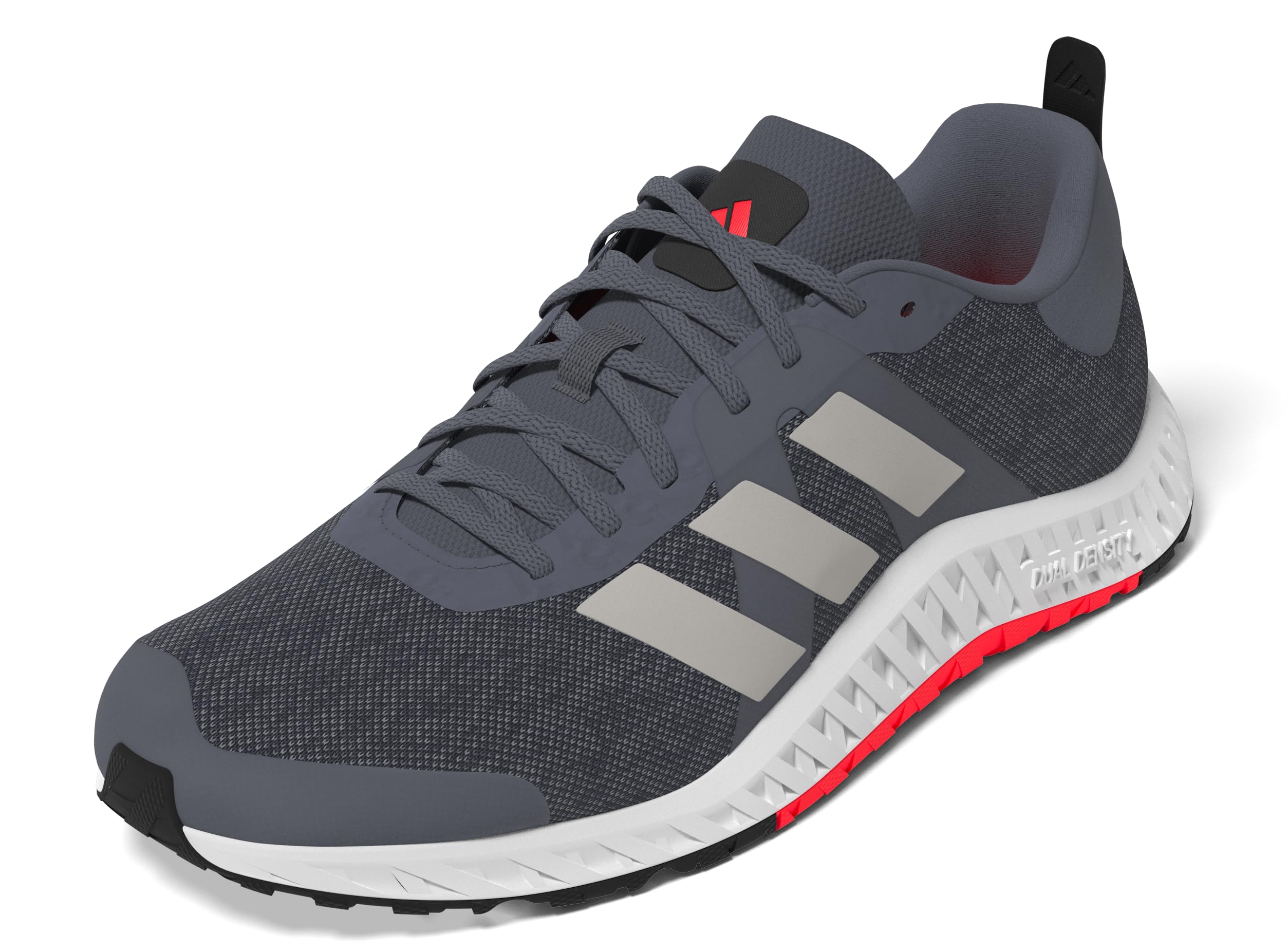
The Adidas Everyset Training shoe is a budget-friendly cross-trainer that punches above its price point for aerobics-focused gym work. It features a zero-drop platform with a flat, rigid heel that provides a stable base for all weight-bearing movements. The forefoot is flexible, allowing natural toe-off during lunges and step-ups, while the midfoot is reinforced to resist twisting during lateral movements.
The outsole uses a dense rubber compound with a linear traction pattern that grips well on standard gym surfaces. The upper is a lightweight mesh with synthetic overlays that add structure without bulk, and the internal heel counter holds the foot securely. Many users note the shoe feels noticeably light on foot, reducing fatigue during high-rep circuits.
There are two important fit considerations: the shoe runs narrow, especially in the midfoot, and users with D-width feet often need to order half a size up for a comfortable fit. The foam midsole is also firm, offering minimal cushioning for impact absorption on hard surfaces. This makes it a better option for HIIT and weight training than for high-impact aerobics classes with repetitive jumping.
Why it’s great
- Zero-drop, flat base ideal for lifting.
- Flexible forefoot allows natural movement.
- Lightweight construction reduces fatigue.
Good to know
- Narrow fit; size up for wide feet.
- Firm foam offers limited impact cushioning.
- Not suitable for running or walking.
6. Ryka Women’s Jumpstart Sneaker
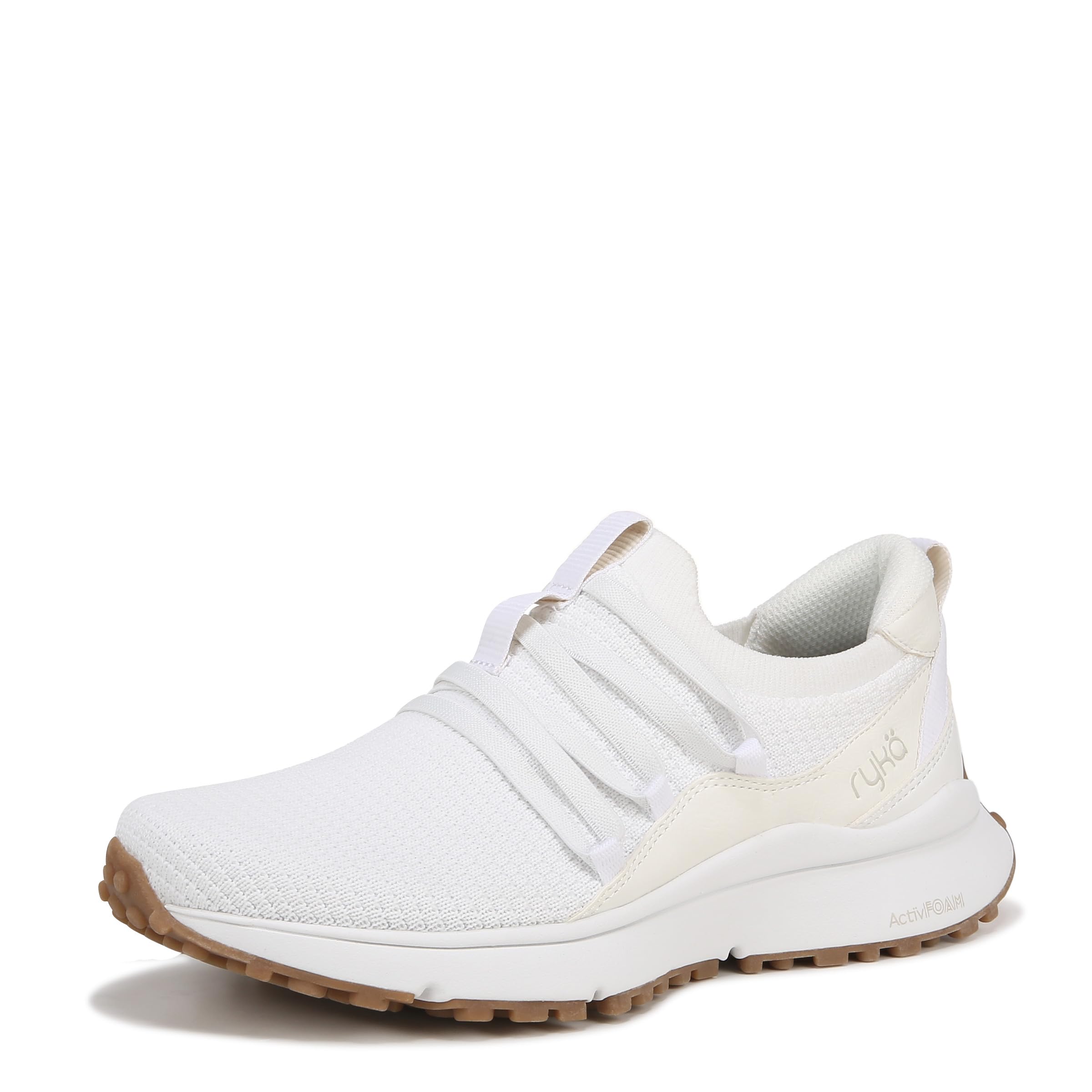
The Ryka Jumpstart is a slip-on walking shoe designed specifically for women’s feet, with a cinched center, narrow heel, and larger toe box. The convenience of the slip-on design makes it ideal for quick transitions between aerobics class and daily errands. The outsole features a multi-directional traction pattern with a heel brake that provides reliable grip on smooth indoor surfaces.
The RE-ZORB midsole offers moderate cushioning for low-impact walking and light aerobics, and the built-in arch support is tailored to the female foot’s anatomy. The upper is a stretch knit that molds to the foot shape without pressure points, and the heel counter is padded to prevent slippage. Many users report the shoe requires no break-in period and can be worn for all-day comfort.
The Jumpstart is best suited for low-impact aerobics classes like step aerobics or Zumba, where lateral movements are less aggressive. The cushioning is not sufficient for high-impact plyometric or jumping routines, and the shoe lacks the torsional rigidity needed for heavy lifting or intense lateral cuts. It is essentially a comfortable walking shoe with some cross-training capability.
Why it’s great
- Slip-on convenience for easy on/off.
- Tailored for women’s foot anatomy.
- No break-in period required.
Good to know
- Limited cushioning for high-impact jumps.
- Not stable enough for heavy weightlifting.
- Runs slightly small; size up.
7. Ryka Devotion X Max RS
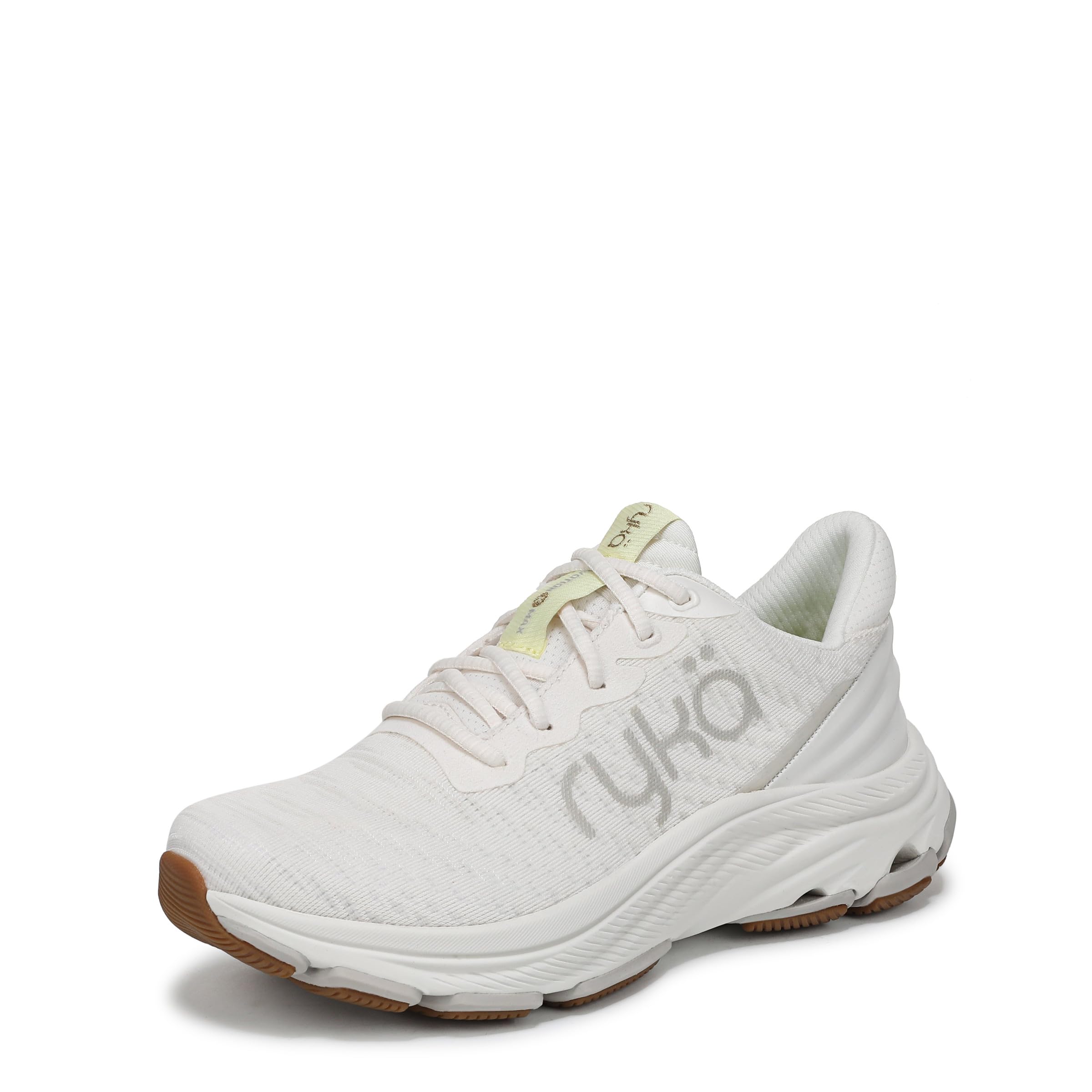
The Ryka Devotion X Max RS is a walking-focused shoe that prioritizes cushioning and comfort over all else. The thick foam midsole provides a plush, cloud-like step that absorbs the impact of each footstrike, making it a good option for low-impact aerobics and long duration classes. The wide toe box allows the toes to spread naturally, reducing pressure on bunions and hammertoes.
The shoe features a removable insole that can be swapped for custom orthotics, a critical feature for users with specific arch support needs. The outsole uses a durable rubber compound with a traction pattern that handles both indoor and outdoor walking surfaces without slipping. The upper is a breathable mesh with synthetic overlays that add structure, and the padded collar prevents heel irritation during long sessions.
The Devotion X Max RS is best for walking, light aerobics, and as a recovery shoe after intense workouts. It does not offer the lateral stability or firm platform needed for weightlifting or high-impact plyometrics. Users who need a shoe that can do double duty for walking and light aerobics will find this model a comfortable, affordable choice.
Why it’s great
- Plush cushioning for all-day walking comfort.
- Wide toe box accommodates foot splay.
- Removable insole works with custom orthotics.
Good to know
- Not stable enough for intense lateral cuts.
- Too plush for weightlifting or heavy squats.
- Some users find the toe box puckers when laced tightly.
FAQ
Can I use running shoes for aerobics classes?
What does zero-drop mean and is it safer for aerobics?
Final Thoughts: The Verdict
For most users, the best footwear for aerobics winner is the Reebok Nano X5 because it offers a stable, zero-drop platform with a flat base that excels in both weight training and high-rep cardio segments. If you want maximum cushioning for walking and low-impact aerobics, grab the Ryka Devotion X Max RS. And for budget-friendly cross-training with a flexible forefoot, nothing beats the Adidas Everyset Training.