
The moment your heel hits the floor and a sharp, stabbing sensation shoots through your arch, you know the day ahead is going to be a battle. That specific, searing pain isn’t just discomfort—it is a mechanical signal that your footwear is failing to cushion and support the inflamed plantar fascia attachment at your heel bone. The right shoe acts as a shock absorber and structural brace, redistributing pressure away from the spur and allowing the tissue to rest during every step.
I’m Mohammad Maruf — the founder and writer behind Drink4Good. I’ve spent hundreds of hours cross-referencing biomechanical studies, analyzing outsole geometries, and reading through thousands of user reports on arch support rigidity, heel cup depth, and midsole foam density to separate marketing hype from genuine, measurable heel-spur relief.
This guide focuses exclusively on the specific construction details that matter most for this condition. Whether you need a walking shoe for daily errands or a supportive sneaker for long shifts, finding the correct footwear for heel spurs begins with understanding how your foot’s strike pattern interacts with the shoe’s cushioning and support architecture.
How To Choose The Best Footwear For Heel Spurs
Selecting the right shoe for heel spur syndrome requires you to look beyond general comfort. The spur itself is a bony outgrowth, and the pain originates when the plantar fascia pulls on it during weight-bearing. Your shoe must counteract that pull. Focus on three structural elements: the heel counter’s stiffness, the arch support’s firmness, and the midsole’s ability to absorb impact without collapsing.
Heel Counter Stability
The plastic or reinforced cup inside the back of the shoe is your first line of defense. A rigid heel counter locks the calcaneus in place, stopping excessive pronation or supination that would otherwise tug on the spur. If you can easily squeeze the back of the shoe between your fingers, the counter is too soft for daily heel spur management.
Arch Support Density
Many shoes advertise “arch support” but use soft foam that flattens under load. For heel spurs, you need a semi-rigid or rigid orthotic-grade arch shape that prevents the arch from dropping and straining the fascia attachment. Look for descriptions mentioning a structured shank, a firm EVA density, or a removable insole that accommodates custom orthotics.
Midsole Drop and Cushioning
A higher heel-to-toe drop (8-12mm) shifts pressure away from the heel and toward the forefoot, reducing direct impact on the spur during initial contact. Pair this with a resilient foam—such as a high-rebound EVA or polyurethane—that doesn’t pack out after a few weeks. Avoid zero-drop or minimalist shoes for this specific condition, as they increase the eccentric load on the heel.
Quick Comparison
On smaller screens, swipe sideways to see the full table.
| Model | Category | Best For | Key Spec | Amazon |
|---|---|---|---|---|
| Orthofeet Relay Max Cushion | Premium Orthopedic | All-day standing | 2.2 lbs / removable orthotic insoles | Amazon |
| Skechers Max Cushioning Arch Fit Roslyn | Premium Cushion | High arches & Achilles | 1.7 lbs / Arch Fit insole + 10mm drop | Amazon |
| Skechers Arch FIT 2.0-Rich Vision | Mid-Range Support | Neuropathy & arthritis | 1.5 lbs / podiatrist-designed arch | Amazon |
| OrthoComfoot Men’s Slip On Loafers | Dress Casual | Office & casual wear | Suede leather / non-slip outsole | Amazon |
| FitVille Rebound Core V9 | Extra Wide | Wide feet & toe splay | 4E width / rigid arch shank | Amazon |
| RomenSi Arch Support Sneakers | Budget Friendly | Everyday walking | 14.11 oz / anti-slip outsole | Amazon |
| ZEFUHER Arch Support Sneakers | Budget Friendly | Short shifts & errands | 1.1 lbs / rocker sole design | Amazon |
In-Depth Reviews
1. Orthofeet Women’s Orthopedic Relay Max Cushion Grippy Running Sneaker
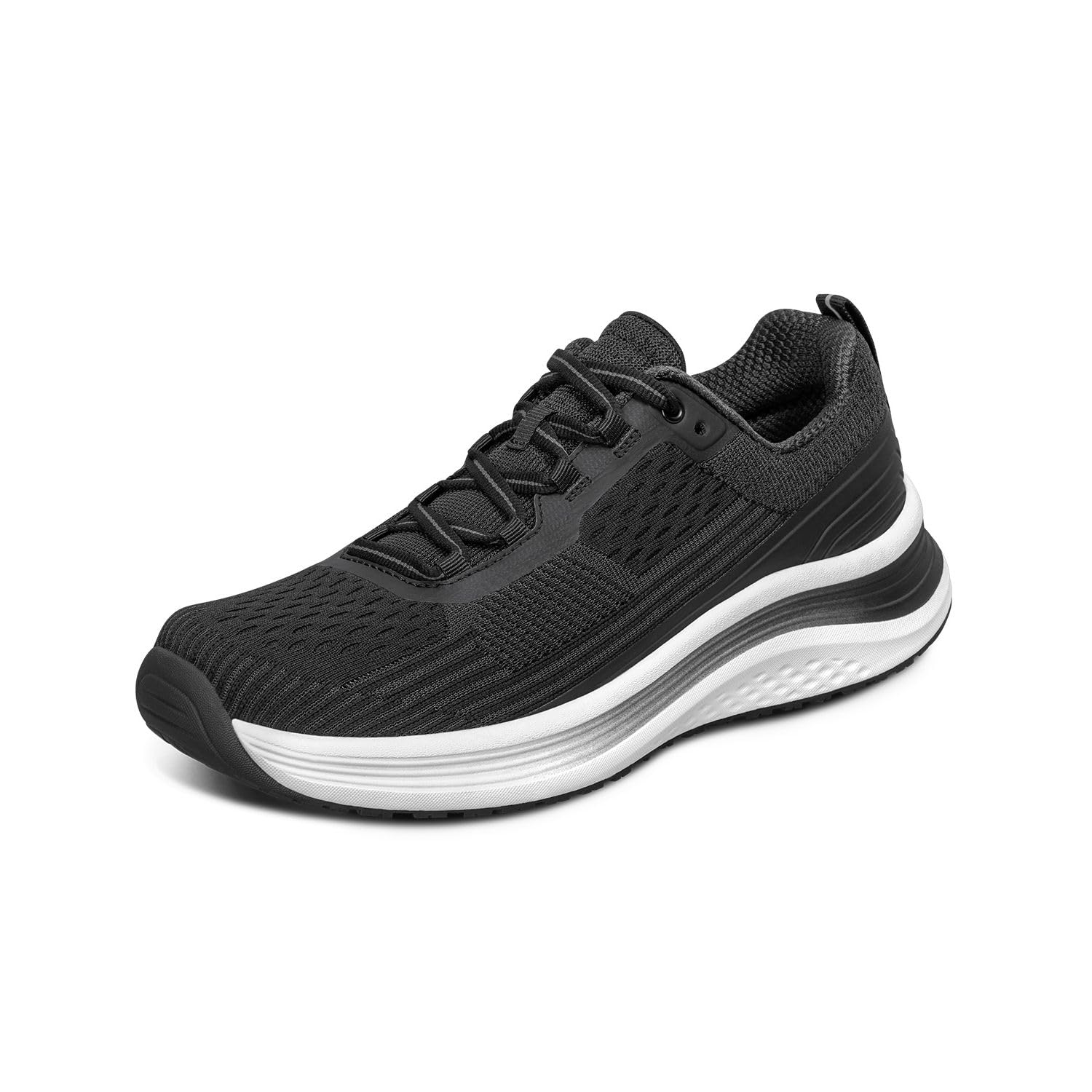
Orthofeet has engineered a shoe that treats the heel spur as a structural problem, not just a cushioning gap. The Relay Max Cushion uses a wide, deep toe box that allows the foot to splay naturally, reducing the pull on the plantar fascia during toe-off. The insole system includes two sets of arch supports and a sculpted heel cup that cradles the calcaneus firmly, minimizing the micro-motion that aggravates the spur.
The midsole is dense but not marshmallowy-soft—it resists torsion and prevents the shoe from folding or twisting under load. This stability is critical for users who feel a “wobble” in softer sneakers. One reviewer with arthritic feet called it the most comfortable pair they own, and another reported complete relief after using the included orthotic inserts. The build quality is substantial at 2.2 pounds, which reflects the dense foam and reinforced components used.
The sizing inconsistency between colors and widths is a real frustration. One user found a 10 Wide white was too long but a 10 Extra-Wide black was shorter and narrower—same labeled size, different fit. If you order, buy from a retailer with a forgiving return policy and expect to test your specific size. The top lacing grommets also sit high, which can dig into the shin for those with low-cut sock preferences.
Why it’s great
- Removable orthotic insole system with two arch support levels
- Deep heel cup locks calcaneus to reduce spur irritation
- Rigid midsole resists twisting for stable gait
Good to know
- Sizing varies significantly between color and width options
- Upper lacing grommets sit high, may need sock adjustment
- Heavy build at 2.2 pounds not ideal for running
2. Skechers Womens Max Cushioning Arch Fit Roslyn
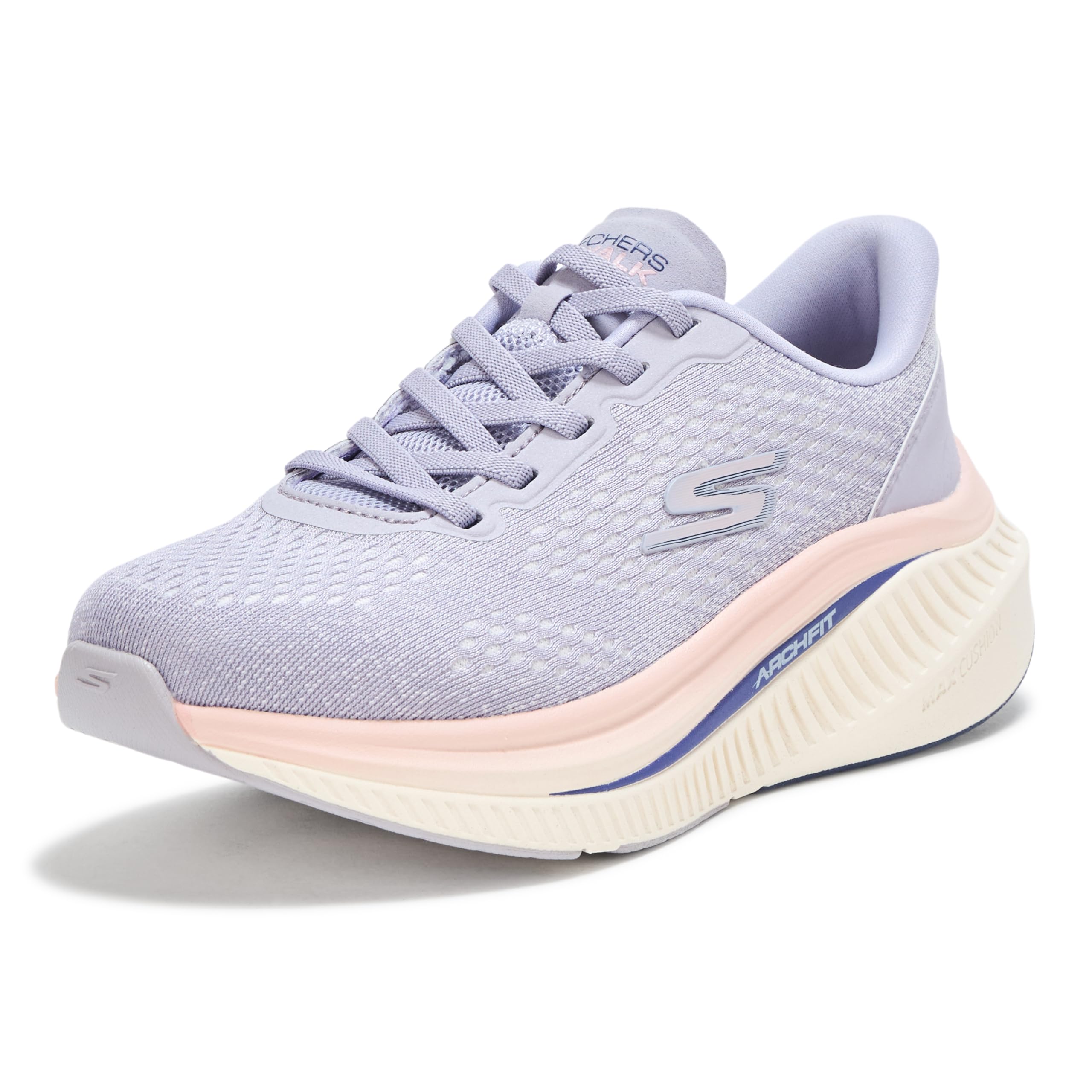
The Arch Fit Roslyn strikes an unusually precise balance between deep cushioning and firm arch support—two features that often conflict in heel spur footwear. Skechers uses a podiatrist-designed insole that is contoured to match the foot’s natural arch shape, and it sits atop a thick 10mm-drop midsole that shifts impact away from the heel. This combination is particularly effective for users with high arches, who often feel the spur pain more acutely during heel strike.
Reviewers consistently note that the elevated heel provides relief for Achilles tendinitis alongside spur discomfort, which makes sense biomechanically—both conditions benefit from reduced dorsiflexion at the ankle. The shoe requires no break-in period, which is a major advantage for anyone who cannot tolerate a stiff upper rubbing against a tender heel. One user described it as “Cinderella’s slipper” for tired, overworked feet and ankles.
The toebox may feel narrow for those with bunions or wide forefeet. A handful of reviewers wished for a wider option, as the standard width can compress the toes after several hours. Additionally, the outsole is not aggressive enough for hiking or uneven terrain, so this pair is best for pavement, errands, and indoor standing.
Why it’s great
- Podiatrist-designed Arch Fit insole with high arch contour
- 10mm heel-to-toe drop reduces pressure on spur
- Zero break-in needed for immediate relief
Good to know
- Standard width may feel tight for wide feet
- Not stable enough for trail or hiking use
- Slightly heavier than average walking shoe at 1.7 lbs
3. Skechers Women’s Arch FIT 2.0-Rich Vision Sneakers

The Arch FIT 2.0 platform is one of the most recommended entries in the heel spur community for its architecturally correct arch support. The insole is removable and has a pronounced medial post that prevents the arch from collapsing, which directly reduces the tensile strain on the plantar fascia insertion at the heel. Users with neuropathy, arthritis, and general heel pain report that the cushioning is dense enough to absorb shock without being mushy.
The upper is a lightweight, breathable mesh that accommodates swelling throughout the day without causing pressure points. Several long-shift workers—nurses and retail employees—noted that their back pain diminished after switching to this shoe, which is a common secondary effect when the heel is properly stabilized and the gait is corrected. The 1.5-pound weight per shoe is moderate, but the rocker-like sole geometry aids forward motion and reduces the time the heel spends in full contact with the ground.
Quality control on sizing is a recurring complaint. Some users found the same labeled size either ran small or large depending on the colorway, and the inner heel lining tended to wear down faster than expected in a few pairs. If you are between sizes, going up half a size and wearing thicker socks is a safer bet than risking a too-tight fit that aggravates the spur.
Why it’s great
- Removable podiatrist arch insole with firm medial support
- Lightweight mesh upper accommodates foot swelling
- Rocker sole geometry reduces heel contact duration
Good to know
- Sizing can be inconsistent between color variations
- Inner heel lining may degrade faster than expected
- Not designed for heavy trail or wet-weather use
4. OrthoComfoot Men’s Orthopedic Slip On Loafers Walking Shoes

OrthoComfoot addresses a persistent gap in the heel spur market: dress-casual footwear that actually provides arch support. These suede leather loafers have a deep heel seat and a contoured orthotic footbed that is far more substantial than the thin foam pads found in most slip-ons. For men who need to wear something presentable at the office or a dinner out, this pair offers a structured base that does not sacrifice the spur protection you need.
The outsole is non-slip and reasonably grippy on smooth indoor floors, which matters because heel spur sufferers often have an altered gait that makes them more prone to slipping. Reviewers consistently praise the fit—users report that the size chart is accurate and that the shoe molds well to the foot after a few wears. One repeat buyer called the quality impressive even after six months of daily use, with the suede holding its shape and the footbed retaining its arch profile.
The lack of ankle padding is a notable omission. The collar is unlined, and for users with sensitive Achilles tendons, the rigid suede edge can rub uncomfortably. One reviewer returned the shoe specifically for this reason. Additionally, the arch support, while good for a loafer, may not be aggressive enough for severe plantar fasciitis—those with extreme cases should expect to add a custom orthotic.
Why it’s great
- Suede leather construction holds shape after months of wear
- Contoured orthotic footbed with deep heel seat
- Non-slip outsole improves stability for altered gait
Good to know
- No ankle padding; may irritate sensitive Achilles areas
- Arch support is moderate, not aggressive for severe cases
- Not suitable for athletic or long-distance walking
5. FitVille Extra Wide Walking Shoes Women Wide Width Workout Sneakers Rebound Core V9
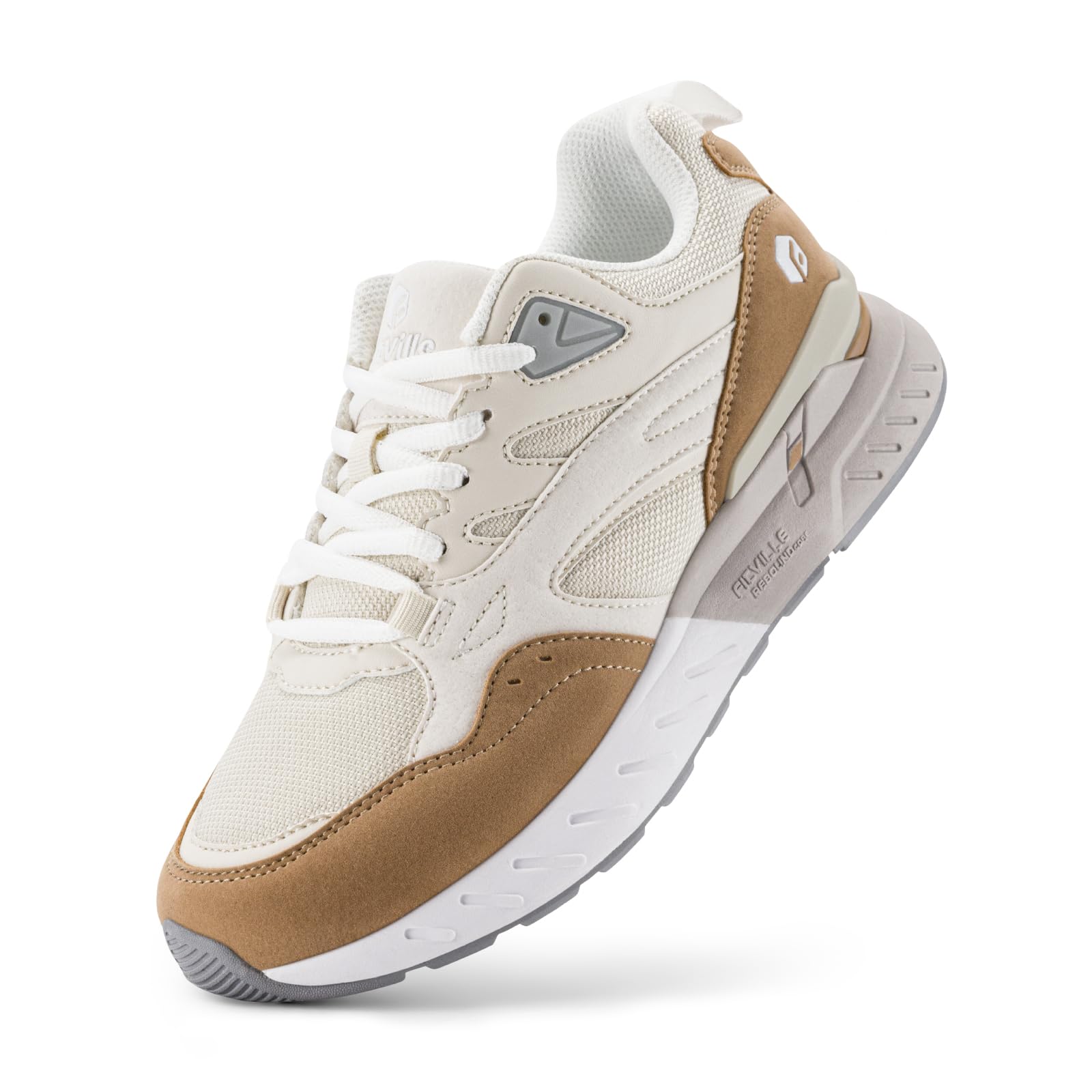
FitVille designed the Rebound Core V9 specifically for the intersection of heel pain and wide-foot anatomy. The shoe uses a 4E width construction that gives the forefoot and toes ample room to splay, which reduces the torque on the plantar fascia during the push-off phase of gait. The arch support is built into a rigid shank, not just a glued-in foam pad, and this structural stiffness is exactly what prevents the midfoot from dropping and tugging on the heel spur.
The outsole is substantial and grippy, making this a viable option for outdoor walking on varied surfaces. One reviewer with bone spurs and wide feet noted that the shoe accommodated toe splay comfortably and received compliments on the green colorway. Another user praised the width accuracy, pointing out that most “wide” shoes are still too narrow but this pair delivered on the labeled width.
The midsole cushioning is polarizing. One reviewer found it insufficient for 12-hour shifts on concrete, describing the foam as too thin and the arch support as painfully rigid. The shoe also runs slightly short in length, so sizing up half a size to a full size is strongly recommended. For those with swollen feet, the upper may still be difficult to get into despite the generous width.
Why it’s great
- Genuine 4E width accommodates wide feet and toe splay
- Rigid arch shank prevents midfoot collapse during gait
- Sturdy outsole provides traction for outdoor walking
Good to know
- Runs short; size up half to full size for proper fit
- Midsole foam may lack cushion for all-day concrete standing
- Upper opening can be tight for swollen feet despite wide width
6. RomenSi Womens Arch Support Walking Shoes Orthotic Fashion Sneakers
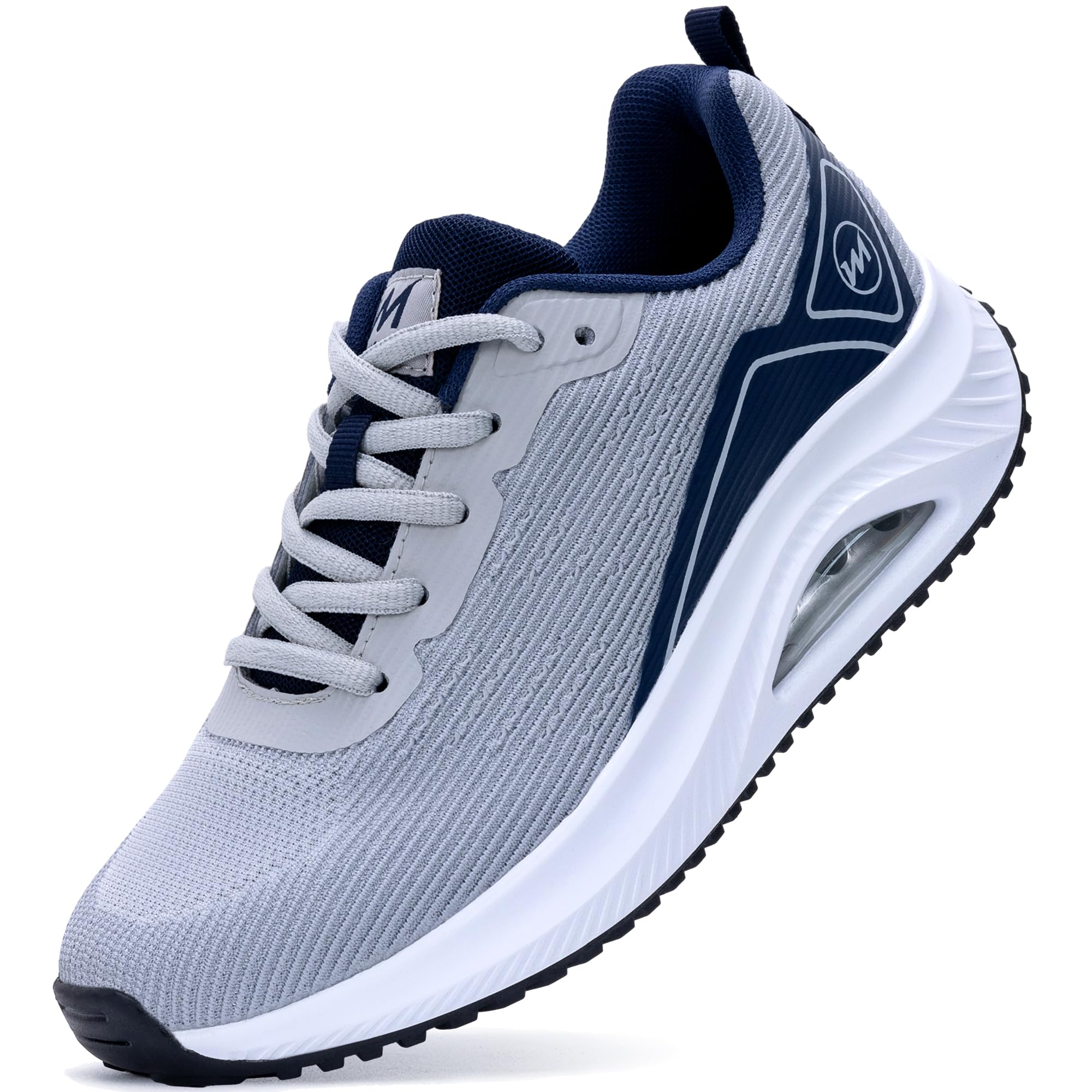
RomenSi has built a surprisingly capable entry-level shoe for heel spur management. The sneaker features a built-in arch support system that users with flat feet and fallen arches have confirmed eliminated their heel and arch pain. The outsole has a distinct anti-slip pattern and a slight rocker shape that encourages a natural heel-to-toe transition, reducing the time the spur spends under full body weight during each stride.
The shoe weighs only 14.11 ounces, which makes it one of the lightest options in this guide. For users who are active or need to move quickly at work, this weight reduction matters—heavy shoes can fatigue the lower leg muscles and alter gait mechanics in ways that increase heel stress. Reviewers consistently mention zero break-in period and immediate relief from plantar fasciitis symptoms. One user with severe pain reported that these shoes allowed them to walk without the usual sharp jolts.
The insole is not removable, which limits the ability to add a custom orthotic. If you have a specific prescription orthotic, this shoe may not accommodate it. Additionally, the arch support is moderate rather than aggressive, so those with extremely high arches or severe spurs may need a more structured platform. The upper is primarily mesh, which is breathable but may lack the durability of leather or synthetic overlays for heavy daily use.
Why it’s great
- Lightweight 14.11 oz design reduces walking fatigue
- Built-in arch support works for flat feet and fallen arches
- Anti-slip outsole with rocker shape aids heel-to-toe motion
Good to know
- Insole is not removable; cannot accommodate custom orthotics
- Moderate arch support may not suffice for severe high arches
- Mesh upper may wear faster than sturdier materials
7. Women’s Walking Shoes with Arch Support Orthotic Plantar Fasciitis Sneakers
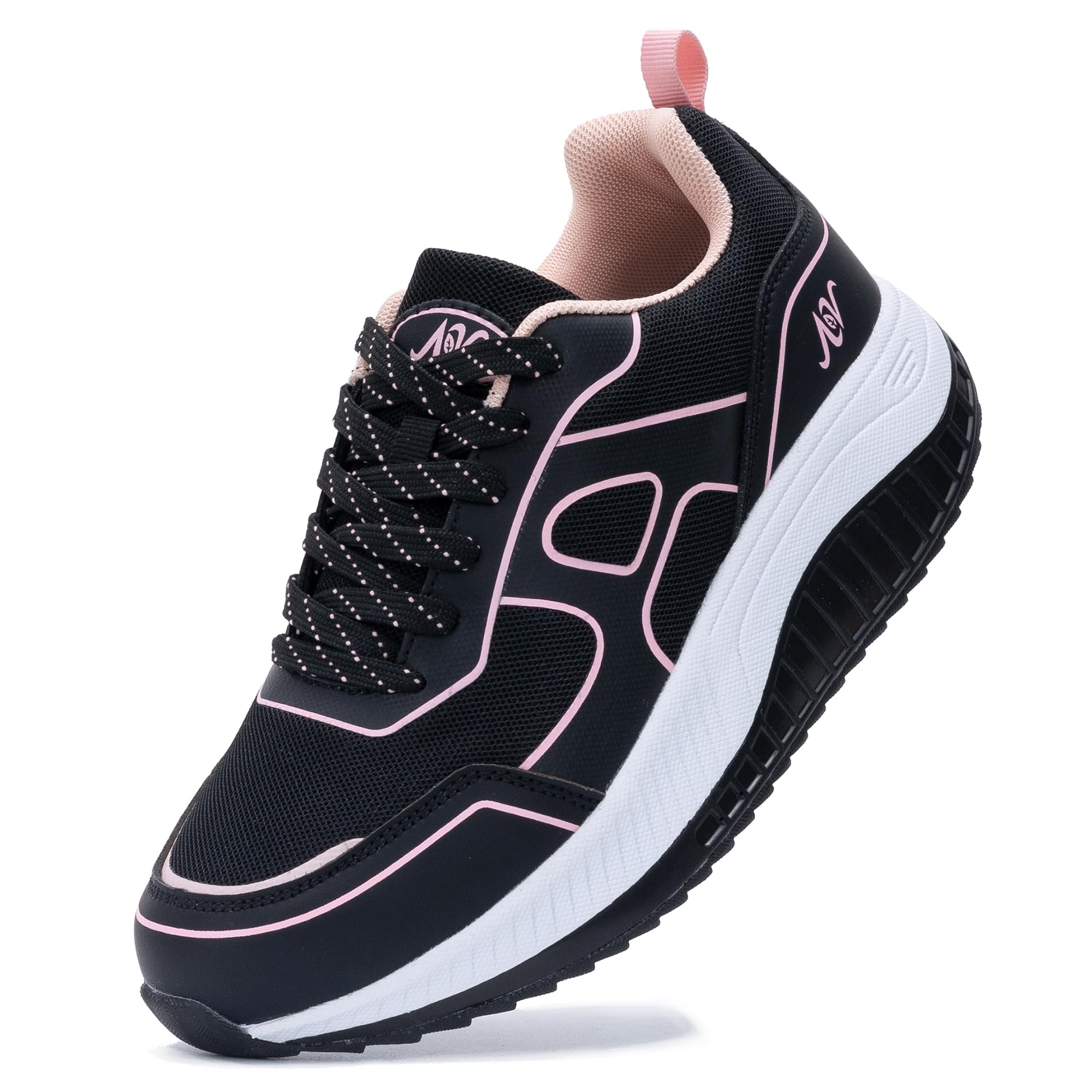
These sneakers offer a functional rocker sole design that naturally propels the foot forward and minimizes the time the heel spends under load—a key mechanical advantage for heel spur sufferers. The upper is roomy and accommodates swelling, which is a common issue for those with chronic plantar fasciitis who experience foot inflammation late in the day. The shoe provides support without requiring an extra orthotic insert, which simplifies the buying process for first-time users.
User reports are particularly strong for shift workers. Several reviewers with osteoarthritis in their knees and long standing hours reported drastically reduced pain after switching to this shoe. The “rock back and forth” motion that one user described suggests the rocker geometry is pronounced enough to genuinely alter gait mechanics. At 1.1 pounds, the weight is reasonable for a budget shoe, and the outsole offers decent traction for indoor and paved surfaces.
The sizing runs small—multiple reviewers noted the need to order at least half a size up. The arch support, while present, is not as dense or aggressive as what you would find in a dedicated orthopedic shoe like the Orthofeet. Users with severe heel spur pain who need maximum rigidity may find this shoe too flexible. The materials feel budget-appropriate, meaning the upper may show wear faster than premium alternatives.
Why it’s great
- Rocker sole geometry reduces heel contact duration
- Roomy upper accommodates foot swelling throughout the day
- Effective relief for osteoarthritis-related foot pain during shift work
Good to know
- Runs small; order half to full size up
- Arch support is moderate, not ideal for severe cases
- Upper materials may show wear faster than premium options
FAQ
Can I wear zero-drop or minimalist shoes with heel spurs?
How do I know if a shoe has enough heel counter stiffness for spurs?
Final Thoughts: The Verdict
For most users, the footwear for heel spurs winner is the Skechers Max Cushioning Arch Fit Roslyn because it combines podiatrist-grade arch support with a high 10mm drop and immediate, no-break-in comfort that addresses both the spur pain and common secondary issues like Achilles tendinitis. If you need a deep toe box and removable orthotic insoles for maximum customization, grab the Orthofeet Relay Max Cushion. And for a budget-friendly entry point that still provides a rocker sole and moderate arch support, nothing beats the ZEFUHER Arch Support Sneakers.