
The burning, tingling, or stabbing sensation that comes with neuropathy can make every step a reminder of the condition. Standard footwear often aggravates these symptoms by compressing the forefoot, lacking sufficient cushioning, or failing to accommodate orthotics. The right design reduces pressure points and provides the stability needed to walk without that familiar jolt of pain.
I’m Mohammad Maruf — the founder and writer behind Drink4Good. After weeks of cross-referencing customer feedback, medical guidelines, and the construction details of dozens of therapeutic shoes, I’ve narrowed the field to designs that genuinely address the mechanical needs of neuropathic feet.
Whether you need extra depth for custom orthotics, a seamless interior to prevent irritation, or a rocker sole that eases the roll of your foot, this guide breaks down the most effective footwear for neuropathy by analyzing the specs and real-world experiences that matter most.
How To Choose The Best Footwear For Neuropathy
Selecting the right pair requires you to look past marketing buzzwords and focus on specific construction features that directly combat the symptoms of peripheral neuropathy. The three most critical areas are the internal volume and fit, the material of the upper and lining, and the outsole design that controls how your foot moves through each step.
Prioritize a Wide Toe Box and Extra Depth
Neuropathy often causes the toes to claw or spread out, making a narrow toe box a direct source of pain. You need a shoe built on a wide last with a rounded toe profile that avoids pinching. Extra depth — typically 4–5 mm more than standard shoes — is equally important, as it provides space for custom orthotics, metatarsal pads, or thicker diabetic socks without lifting the foot against the upper.
Look for Seamless Linings and Soft, Flexible Uppers
Friction from seams, stitching, and stiff materials can cause skin breakdown, especially when sensation is reduced. The ideal construction uses a seamless interior lining made from soft synthetic or knit mesh that moves with the foot. A padded collar and a flexible, non-binding vamp help prevent pressure sores along the instep and Achilles area.
Evaluate the Outsole for a Rocker Geometry and Shock Absorption
A rocker sole design — where the outsole curves slightly upward at the toe — helps the foot roll forward more naturally, reducing the need for the metatarsal heads to bend and push off. Combined with a thick, shock-absorbing midsole (often EVA or polyurethane), this feature significantly reduces the impact felt in the heel and ball of the foot during walking.
Quick Comparison
On smaller screens, swipe sideways to see the full table.
| Model | Category | Best For | Key Spec | Amazon |
|---|---|---|---|---|
| Dr. Comfort William-X | Premium | Double depth + gel inserts | Double Depth / Gel Inserts | Amazon |
| Propet Stability Walker | Premium | Medicare A5500 certified | Medicare A5500 Certified | Amazon |
| Skechers Max Cushioning Elite 2.0 | Mid-Range | Ultra-soft cushioning | Ultra Go cushioned midsole | Amazon |
| FitVille Extra Wide Slip-on | Mid-Range | Extra wide + arch support | X-Wide fit / Arch support | Amazon |
| OrthoComfoot Men’s Wide | Mid-Range | Wide toe box + affordability | Wide toe box / Arch support | Amazon |
| Dr. Comfort Carter | Budget-Friendly | Machine washable + stretchable | Stretchable / Washable | Amazon |
| Propét Tour Knit Casual | Budget-Friendly | Narrow/medium width fit | Narrow/Medium width | Amazon |
In‑Depth Reviews
1. Dr. Comfort William-X Double Depth Diabetic Shoes

The William-X stands out because of its double-depth construction, which provides an extra 5 mm of vertical volume compared to standard shoes. This added space makes it one of the few designs that can comfortably house a custom orthotic alongside a metatarsal pad without compressing the top of the foot. The interior is lined with a soft, seamless material that reduces friction against numb or sensitive skin.
The closure system uses a full-length Velcro strap that allows micro-adjustments for swelling that fluctuates throughout the day. Reviewers with severe neuropathy describe immediate pain relief after switching, praising the dual insole system that includes both a standard foam insert and a separate gel insert for targeted shock absorption. The leather upper is dressy enough for casual wear, avoiding the clinical look typical of orthopedic shoes.
One minor trade-off involves the short tongue, which some users found can slide forward during wear. A simple Velcro strap fix resolves this, but it is worth noting for those who prefer a fully fixed tongue. Overall, the combination of double depth, seamless lining, and adjustable fit makes this the most therapeutic option available.
Why it’s great
- Double-depth design fits custom orthotics easily
- Seamless interior lining reduces friction points
- Dual insole set (foam + gel) for adjustable cushioning
- Dressy leather appearance that doesn’t look medical
Good to know
- Short tongue may slide forward; can be fixed with a separate Velcro strap
- Tight entry can be difficult for heavily swollen feet
2. Propet Stability Walker (Medicare A5500)
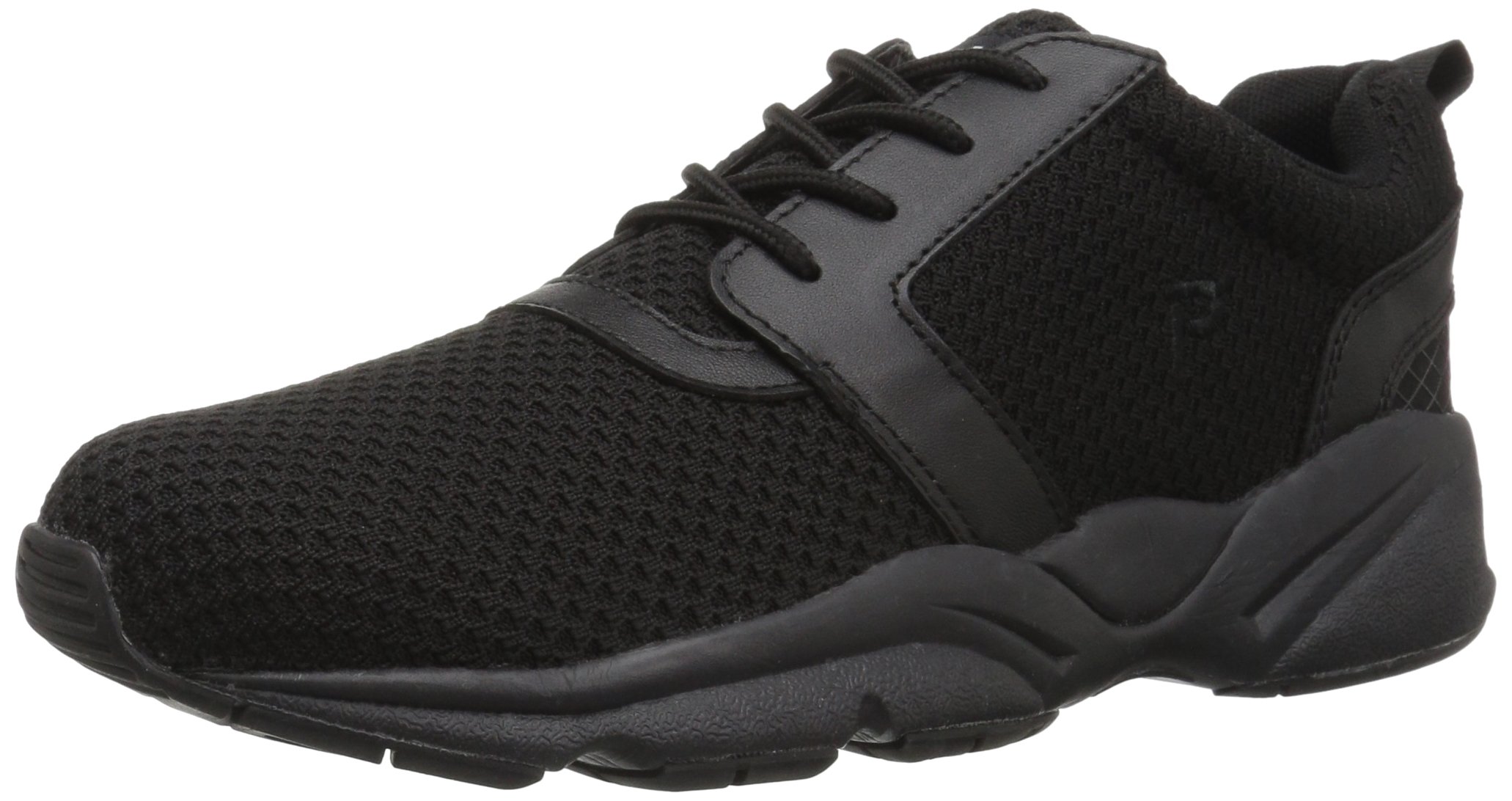
The Propet Stability Walker holds the Medicare HCPCS code A5500, which means it meets the strict federal guidelines for therapeutic footwear, including a removable insert for custom orthotics and a rocker sole profile. The rocker geometry is particularly effective for neuropathy, as it reduces the need for the forefoot to actively push off, lowering the pressure on the metatarsal heads.
The interior features a very roomy toe box that multiple reviewers with severe foot swelling found liberating. The shoe is lightweight at just over 9 ounces, minimizing the fatigue that heavier therapeutic shoes can cause. The laces are largely decorative — the underlying fit relies on a speed-lace system that pulls the shoe closed without putting pressure on the instep.
The primary limitation is the high ankle collar, which uses a non-stretching material that can be uncomfortable for those with swollen ankles. The tongue-less design also makes it harder to put on without a shoehorn. For users whose swelling is limited to the foot itself rather than the ankle, this shoe provides outstanding support and certified therapeutic construction.
Why it’s great
- Medicare A5500 certified for therapeutic use
- Rocker sole offloads pressure from forefoot
- Extremely roomy toe box for severe swelling
- Lightweight construction at 9.3 ounces
Good to know
- Non-stretching high ankle collar can irritate swollen ankles
- Tongue-less design requires a shoehorn for easy entry
3. Skechers Women’s Max Cushioning Elite 2.0 Speed Play

Skechers’ Max Cushioning line is built around an Ultra Go midsole that delivers an exceptionally soft, almost marshmallow-like feel underfoot. For neuropathy sufferers whose primary symptom is sharp heel or forefoot pain during impact, this level of compression provides noticeable relief. The outsole features a slight rocker profile that helps the foot transition smoothly from heel strike to toe-off.
The upper is a breathable knit mesh that flexes with the foot and doesn’t create pressure points across the top. Multiple reviewers with plantar fasciitis and general foot pain reported immediate comfort out of the box with zero break-in time. The copper-infused footbed lining adds a subtle anti-microbial property, which is beneficial for those who also deal with hyperhidrosis or diabetic foot concerns.
The standard width may feel snug for those who require an extra-wide fit for neuropathy-related toe splaying. Users with very wide feet will likely need to size up or consider a different brand. The cushioning is also very soft, which some users with severe balance issues may find too unstable — the shoe prioritizes comfort over rigid structural support.
Why it’s great
- Ultra-soft Ultra Go midsole absorbs impact effectively
- Breathable knit upper prevents overheating and pressure points
- Lightweight design with no break-in period required
- Copper-infused lining offers anti-microbial protection
Good to know
- Standard width only; not suitable for extra-wide feet
- Very soft cushioning may feel unstable for balance-challenged users
4. FitVille Extra Wide Slip-on Sneakers for Men

The FitVille Extra Wide sneakers address the specific mechanical needs of neuropathic feet by combining an X-Wide toe box with built-in arch support that doesn’t require an aftermarket insole. The slip-on design with a stretchable collar makes daily entry simple, especially for individuals with reduced dexterity or morning stiffness. The cushioning is substantial enough to absorb concrete impact during long walking sessions.
Reviewers with flat feet and neuropathy highlight the supportive arch as a key benefit — it prevents the foot from collapsing inward, which can aggravate nerve pain along the medial arch. The outsole uses a multi-directional tread pattern that provides slip resistance on wet or uneven surfaces. One heavier user (380 lbs) reported the rubber wears faster when walked exclusively on concrete, though the overall construction held up well.
The fit runs slightly loose in the heel for some users, and the ankle opening can feel tight if you have pronounced malleolar swelling. The shoe is best suited for casual walking or light hiking rather than athletic performance. At its price point, it delivers a compelling combination of width, support, and comfort that rivals more expensive therapeutic brands.
Why it’s great
- X-Wide toe box with built-in arch support
- Slip-on design with stretchable collar for easy entry
- Substantial cushioning absorbs urban terrain impact
- Slip-resistant outsole suitable for wet conditions
Good to know
- Heel fit may feel loose for some users
- Ankle collar can be tight for heavily swollen ankles
5. OrthoComfoot Men’s Wide Toe Box Sneakers
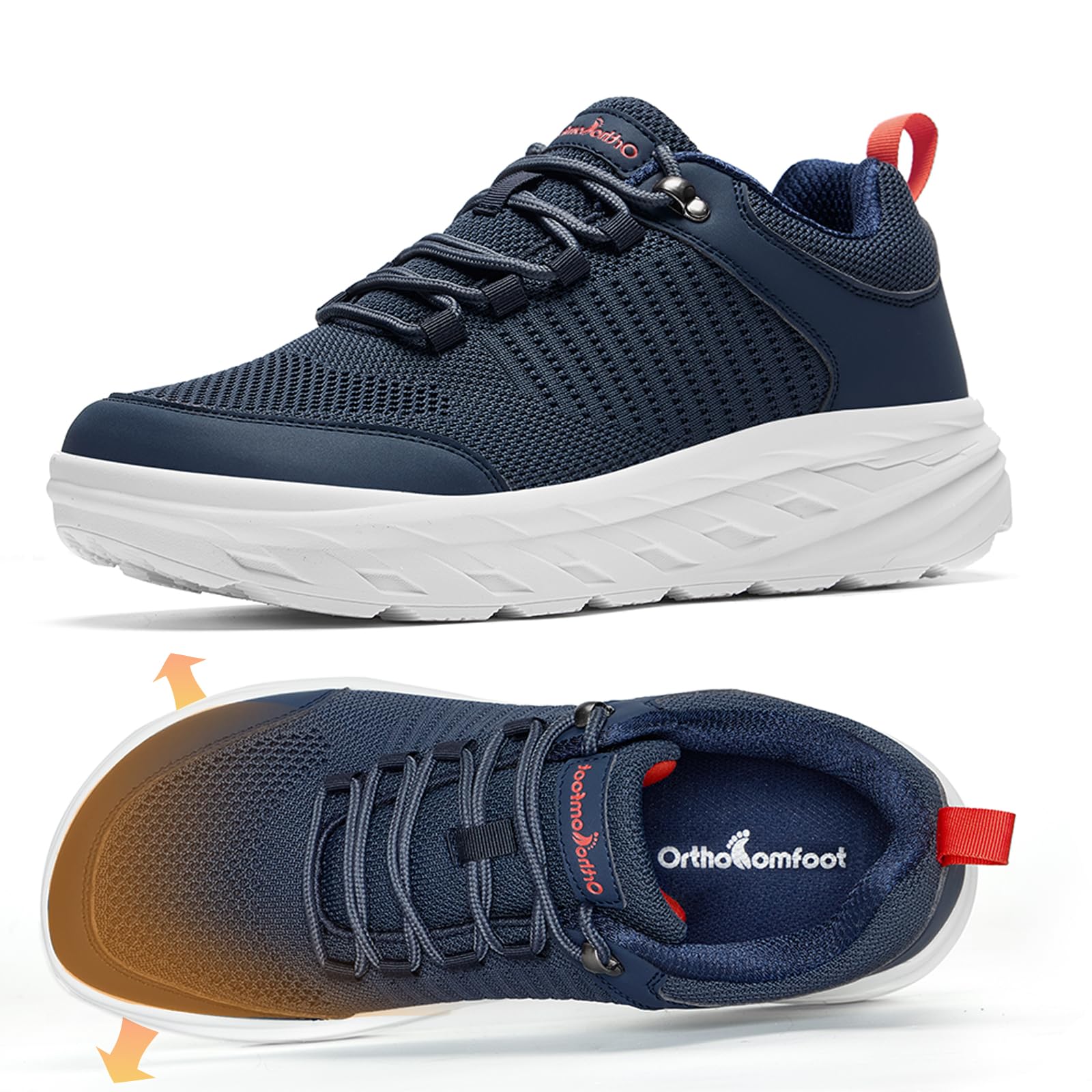
The OrthoComfoot is designed with a pronounced wide toe box that allows the toes to fully splay, reducing the pressure on the interdigital nerves that often cause burning and tingling sensations. The shoe includes a removable insole with moderate arch support, which can be swapped for custom orthotics if needed. The upper is a breathable knit fabric that reduces heat buildup inside the shoe.
Users who stand all day on hard floors report a significant reduction in heel and forefoot pain after switching to these. The outsole is less aggressive than hiking shoes, but it provides adequate traction for indoor and light outdoor use. The fit runs slightly short — multiple reviewers advise ordering half a size larger than your typical US size, especially if you wear thick diabetic socks.
The main concern is heat retention: the knit material is breathable but the layered construction can trap warmth during extended wear. The shoe is also less non-slip than some alternatives on the market. For its price range, it offers a genuine wide toe box that makes it a solid entry-level option for those newly adapting to therapeutic footwear.
Why it’s great
- Genuine wide toe box allows natural toe splay
- Removable insole accepts custom orthotics
- Breathable knit upper reduces moisture buildup
- Lightweight feel suitable for all-day standing
Good to know
- Runs short; order half a size up from your usual size
- Can feel warm inside during extended use
6. Dr. Comfort Carter Men’s Diabetic Shoe

The Dr. Comfort Carter is built with a stretchable upper fabric that expands to accommodate swelling without creating tight spots. This makes it particularly effective for those whose foot volume fluctuates dramatically during the day. The shoe is fully machine washable, which is a significant advantage for maintaining hygiene, especially in diabetic cases where foot cleanliness is critical.
The interior is seamless and includes a removable insole system — two sets of inserts come with the shoe, allowing users to customize the fit. The Velcro closure is easy to adjust one-handed, making it accessible for individuals with limited hand mobility. Five-year loyal users report the shoe holds up well to regular washing and daily wear, retaining its shape without deformation.
Some users find that the material stretches out over time, causing the shoe to feel loose after several months of wear. The style is more casual-athletic, which may not suit formal settings. For the price point, however, it delivers washability, stretch fit, and diabetic-specific design that is hard to beat.
Why it’s great
- Stretchable upper adapts to fluctuating swelling
- Fully machine washable for easy hygiene maintenance
- Two sets of removable inserts for fit customization
- Easy one-handed Velcro closure
Good to know
- Upper may stretch out and become loose over time
- Casual athletic look, not suitable for dress occasions
7. Propét Women’s Tour Knit Casual Sneaker
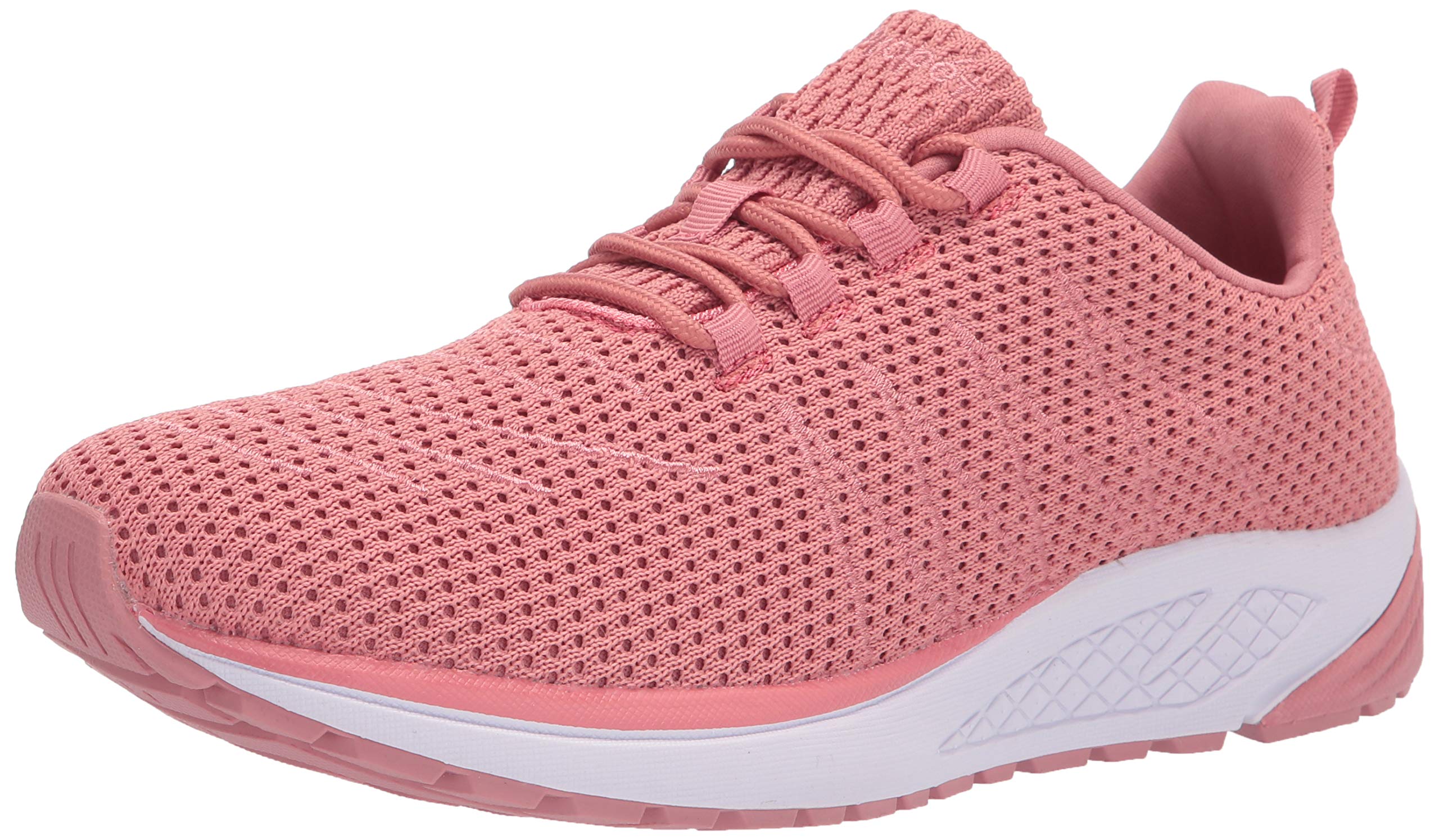
The Propét Tour Knit is a solid entry-level option for those with milder neuropathy symptoms or narrow-to-medium width feet. Its knit upper is soft and flexible, providing a sock-like fit that reduces internal friction. The toe box is roomier than standard sneakers, though not as deep as double-depth designs, making it best suited for those who do not require custom orthotics.
Reviewers with plantar fasciitis and achy feet report immediate comfort from the cushioned footbed. The shoe is remarkably lightweight at just over 2 pounds, reducing the effort required to lift the foot during walking. The rubber outsole dries quickly after getting wet, adding convenience for everyday wear. Several users have bought multiple pairs over the years due to consistent sizing and comfort.
The shoe is not designed for severe foot deformities or very wide feet. The back of the shoe can slip slightly for those with narrow heels, and the cushioning is moderate rather than plush. It is best viewed as a comfortable everyday sneaker for those whose neuropathy symptoms are manageable with basic support and a soft upper.
Why it’s great
- Soft knit upper reduces friction and feels like a sock
- Very lightweight at 2.13 pounds
- Roomier toe box than standard sneakers
- Quick-drying outsole for wet conditions
Good to know
- Best suited for narrow to medium width feet
- Mild heel slippage possible for very narrow heels
- Not enough depth for custom orthotics
FAQ
What is the difference between extra width and extra depth in neuropathy shoes?
Can I wear diabetic socks with neuropathy shoes?
Should I get shoes with a rocker sole for neuropathy?
Final Thoughts: The Verdict
For most users, the footwear for neuropathy winner is the Dr. Comfort William-X because its double-depth construction accommodates orthotics, the seamless interior prevents friction, and the gel inserts provide targeted shock absorption. If you want a Medicare-certified rocker sole that offloads forefoot pressure, grab the Propet Stability Walker. And for ultra-soft cushioning that requires zero break-in, nothing beats the Skechers Max Cushioning Elite 2.0.