
Twelve-hour shifts, constant movement, unforgiving floors — the demands on a nurse’s feet are unique, and the wrong shoes can turn a demanding job into a painful endurance test. The line between tolerable discomfort and debilitating fatigue often comes down to a single choice: what you put on your feet before the first patient rounds begin.
I’m Mohammad Maruf — the founder and writer behind Drink4Good. My research focuses on matching occupational hardware to real-world use cases, analyzing arch support geometry, sole compound durability, and material breathability across thousands of user reports to separate marketing claims from measurable relief.
Through extensive analysis of wear patterns and clinical shifts, this guide delivers a curated selection of the footwear for nurses that prioritizes the specific arch support, slip resistance, and long-haul comfort critical for healthcare professionals on their feet all day.
How To Choose The Best Footwear For Nurses
Nurses cover unthinkable distances — studies suggest up to five miles during a single shift. The wrong pair accelerates pronation problems, inflames plantar fascia, and sets you up for back pain. Here’s what actually matters.
Arch Support And Midsole Density
Flat, soft foam feels great in the store but collapses within weeks under 12-hour loads. Look for a dual-density or cork midsole that resists compression over time. A true medical-grade arch support prevents the foot from rolling inward, reducing knee and hip torque that leads to chronic injury.
Outsole Traction And Shank Stability
Hospital floors are waxed, wet, and unpredictable. A rubber compound with siping or multi-directional grooves provides real slip resistance. The shoe should also include a torsional shank — a stiff insert between the midsole and outsole that prevents the shoe from twisting, giving you a stable platform for lifting and pivoting.
Toe Box Volume And Breathability
Swollen feet by hour six are the norm, not the exception. A wide toe box with stretch-uppers prevents pinching, while a breathable knit or merino wool liner wicks moisture away. Non-breathable synthetics trap heat and sweat, creating the perfect environment for blisters and fungal irritation.
Closure System And Washability
Slip-on clogs save seconds per entry but require a snug heel counter to avoid flapping. Lace-ups offer adjustability for swelling. Regardless of closure, look for machine-washable construction — biological fluids and floor contaminants are a daily reality, and hand-washing shoes is unsustainable.
Quick Comparison
On smaller screens, swipe sideways to see the full table.
| Model | Category | Best For | Key Spec | Amazon |
|---|---|---|---|---|
| Brooks Glycerin Stealthfit 22 | Running/Sneaker | High-arch support, bunion relief | DNA LOFT v3 cushioning midsole | Amazon |
| OOFOS Oomy Stride | Recovery Sneaker | Plantar fasciitis relief | OOfoam closed-cell technology | Amazon |
| Stegmann Original 108 | Wool Clog | Warmth, static standing, arch support | Cork-latex sole with merino wool upper | Amazon |
| Dansko Merrin Sling-Back | Mule Clog | Versatile shift-to-casual wear | Dual-density cork/EVA midsole | Amazon |
| ALLSWIFIT ActiveBreeze2.0 | Slip-On Sneaker | Budget entry, wide toe box | Hands-free slip-on with collapsible heel | Amazon |
| Skechers Summits Sneaker | Casual Sneaker | Post-surgery, no-lace convenience | Memory foam insole with rubber outsole | Amazon |
| Skechers Go Run Elevate 2.0 | Performance Sneaker | Budget-friendly shift runner | Ultra-lite foam midsole, non-slip sole | Amazon |
In‑Depth Reviews
1. Brooks Women’s Glycerin Stealthfit 22
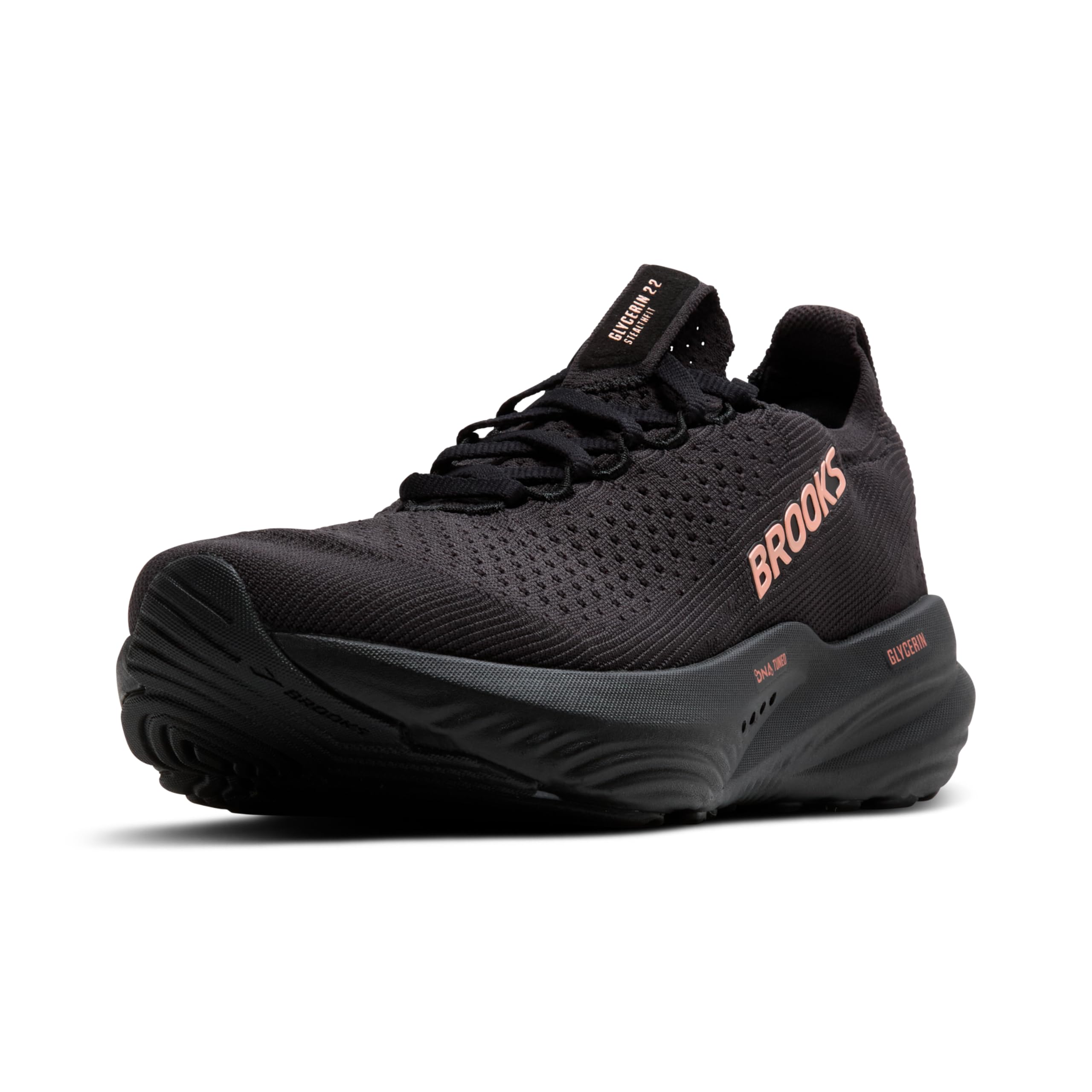
The Glycerin 22 is the benchmark for plush yet supportive cushioning. Its DNA LOFT v3 midsole absorbs ground impact without sacrificing energy return — critical for the constant stopping and starting on a hospital ward. Nurses report it works exceptionally well for high arches and bunion pain, with a stretchy upper that accommodates mid-shift foot swelling without creating pressure points.
Testers consistently describe the Stealthfit model as a “lace-up that feels like a slip-on” once tied, thanks to its elasticated knit construction. The outsole uses multidirectional grooves that bite into polished linoleum and tile, and the rocker geometry keeps the foot rolling forward naturally during 25,000-step days. It is quiet — no squeaking on waxed floors — which matters in patient-care environments.
The shoe holds up well across all fitness modalities, from treadmill walking to resistance training, meaning it works for the commute, the shift, and the post-work recovery walk. It is machine-washable to handle spills and floor contamination. The main trade-off is the price point, but the construction durability justifies the investment for long-term daily wear.
Why it’s great
- Industry-best arch support for high arches and neuroma pain
- Elasticated upper adapts to foot swelling without constriction
Good to know
- Not designed for heavy trail or wet outdoor use
- Some users report sizing down half a size for a secure heel fit
2. OOFOS Womens Oomy Stride
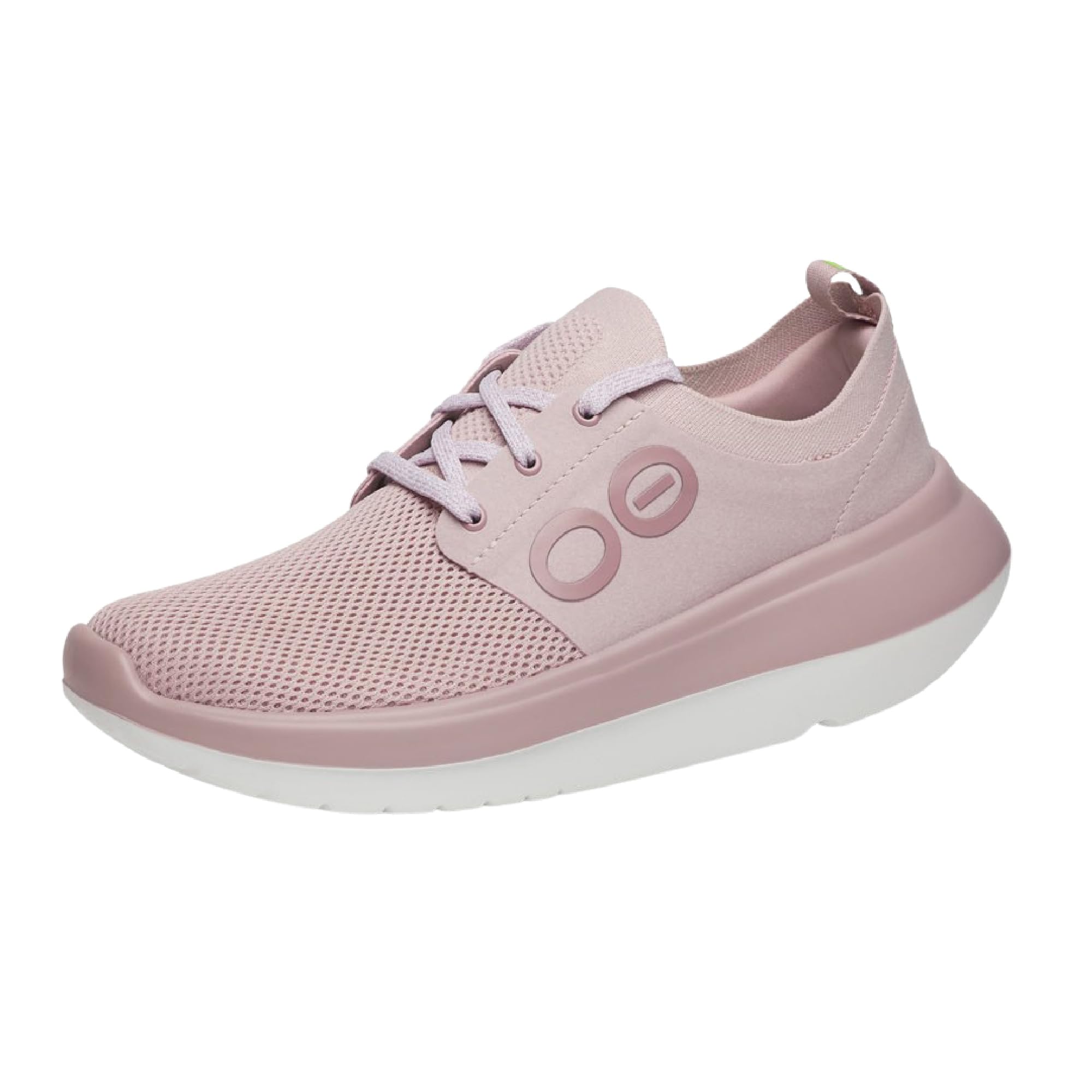
OOFOS built its reputation on post-exercise recovery, but the Oomy Stride translates that into a full-shift sneaker. The proprietary OOfoam technology absorbs 37% more impact than standard foam, which directly reduces the cumulative stress on hips and lower back that nurses suffer from repetitive walking on hard surfaces. The geometric rocker bottom encourages a natural gait cycle without demanding extra effort from the foot muscles.
The fit prioritizes a wide toe box — a crucial feature for bunions and forefoot pain — paired with an elasticated lace top that simplifies on-and-off access during quick breaks. Multiple reviewers confirm they can wear this shoe for 16 continuous hours with no hip pain or plantar fasciitis aggravation, which is a strong functional claim for a single pair of work shoes. The black colorway blends well with scrub uniforms and long pants.
The critical weakness flagged by long-term users is outsole durability — some report the proprietary foam compound wears down faster than rubber alternatives, with peeling reported after months of casual use. This is less of an issue if you rotate pairs or accept the shoe as a shorter-lifecycle high-comfort option. It is machine-washable, which partially offsets the durability concern by allowing easy sanitation.
Why it’s great
- Exceptional impact absorption reduces hip and back strain
- Bunion-friendly wide toe box with no forefoot pressure
Good to know
- Outsole foam may wear prematurely compared to standard rubber
- Difficult to put on with existing toe or foot injuries due to snug collar
3. Stegmann Women’s Original 108 Merino Wool Clogs
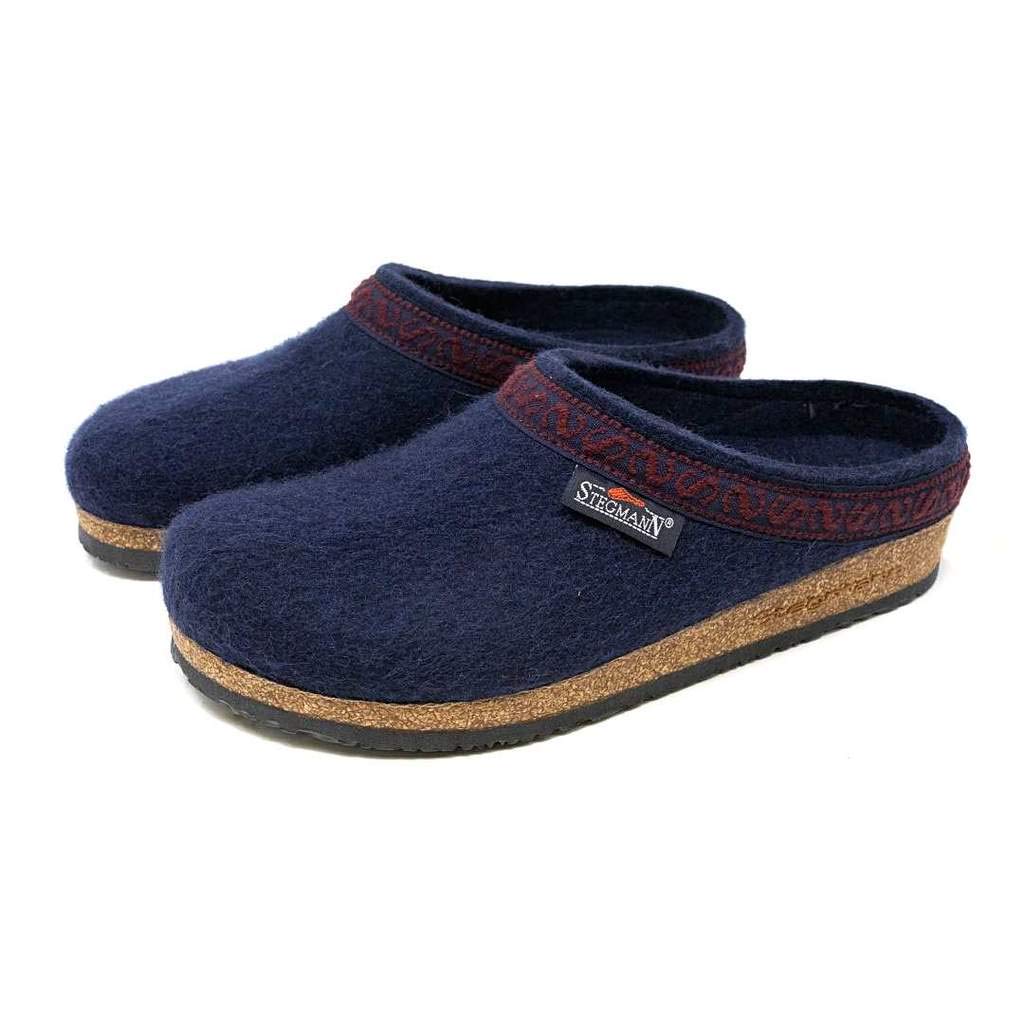
Stegmann’s Original 108 is built around a cork-latex footbed that molds to the wearer’s individual arch over time — a process that creates a truly personalized support shape, unlike synthetic foams that either break down or retain their off-the-shelf geometry forever. The merino wool upper is naturally thermoregulating: it warms cold feet without causing sweating, which is critical for nurses transitioning between cold patient rooms and warm corridors.
The wide toe box is generous enough for swollen feet, and the closed-back silhouette provides enough heel retention for confident walking without a strap. Testers with plantar fasciitis consistently report immediate relief, and the clogs pass the static-standing test — holding your ground at a nurse’s station for hours without cushion collapse. The natural materials also reduce odor buildup compared to synthetic liners.
Be aware that sizing is non-standard — most users need to size up half to one full size from their typical shoe. The toe ridge on newer models has been reported as uncomfortable by some, creating a pressure point between the ball of the foot and toes during long walks. These are not designed for running or fast pivoting. They excel as station shoes or for slower-paced shifts, and the high price reflects artisanal European construction.
Why it’s great
- Moldable cork footbed creates personalized arch support over time
- Merino wool regulates temperature and resists sweat buildup
Good to know
- Requires deliberate sizing up, typically half to a full size
- Not suitable for high-tempo running or quick pivoting maneuvers
4. Dansko Merrin Sling-Back Mule Clog
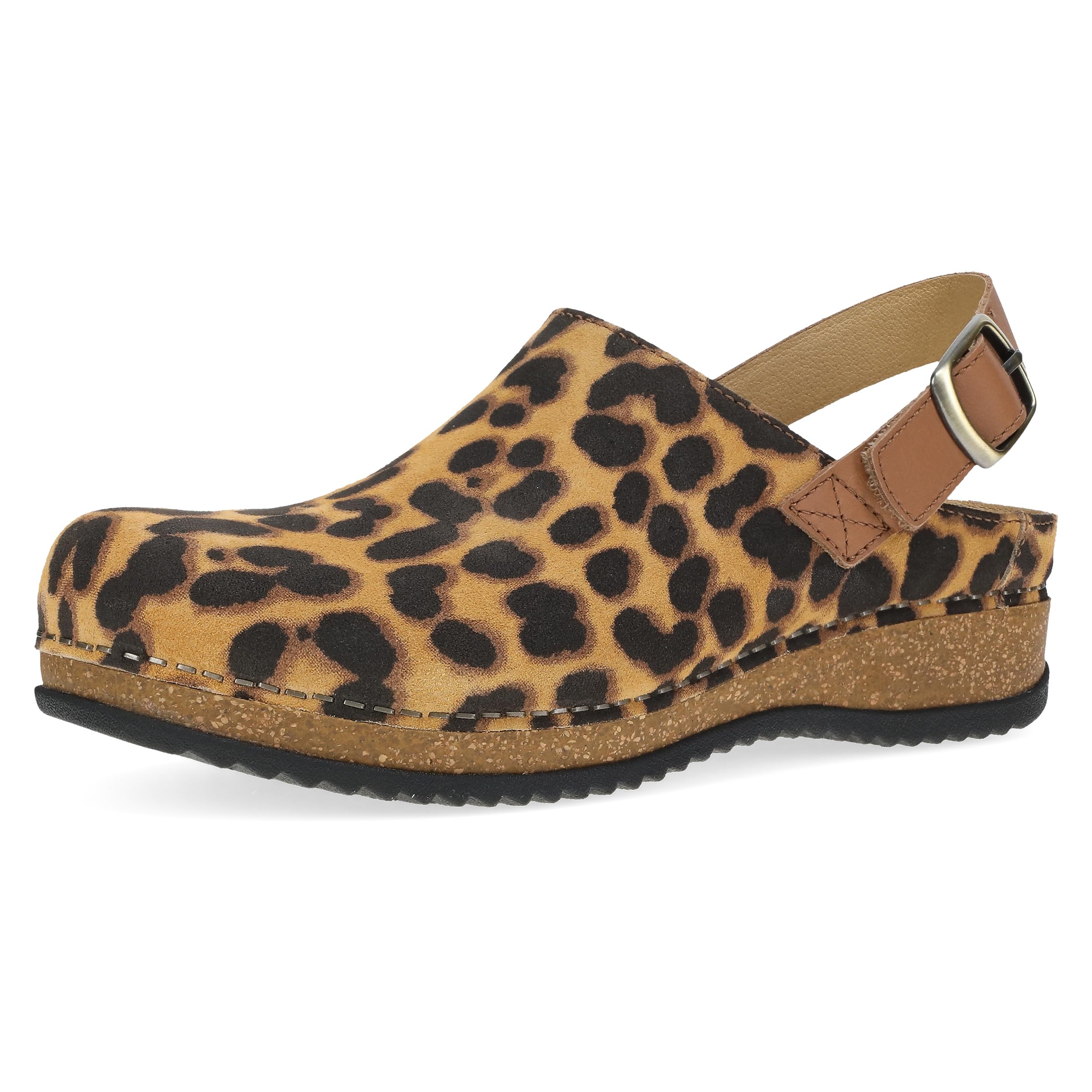
Dansko has been a healthcare staple for decades, and the Merrin updates the classic clog formula with a dual-density cork and EVA midsole that balances firm support with lightweight flexibility. The sling-back strap with a discreet velcro buckle provides heel security without the rigid closed-back design that can cause chafing during long shifts. This makes it a strong hybrid for nurses who want clog support but need the adjustability of a sandal-like closure.
Reviewers praise the build quality — the Cordovan color is a rich red-brown that transitions from scrubs to casual wear effortlessly. The cork footbed conforms over several wears, and the lightweight rubber outsole delivers stable traction on hospital floors. It runs large; most users need to size down by a full size compared to athletic shoes. The medium width is standard but not generous for truly wide feet.
The potential pain point is the insole firmness — the cork-EVA blend is intentionally hard to support the arch long-term, but users with sesamoiditis or tenderness under the ball of the foot may find the forefoot ramp too elevated. It is also more expensive than the Skechers alternatives, though still below the premium Stegmann tier. For nurses who value a refined look and classic Dansko stability, the Merrin delivers versatility over pure athletic performance.
Why it’s great
- Cork/EVA dual-density midsole offers long-lasting arch support
- Sling-back velcro strap provides adjustable heel hold
Good to know
- Firm insole may aggravate sesamoiditis in sensitive users
- Runs large — size down a full size from your athletic shoe number
5. ALLSWIFIT ActiveBreeze2.0 Slip On Sneaker
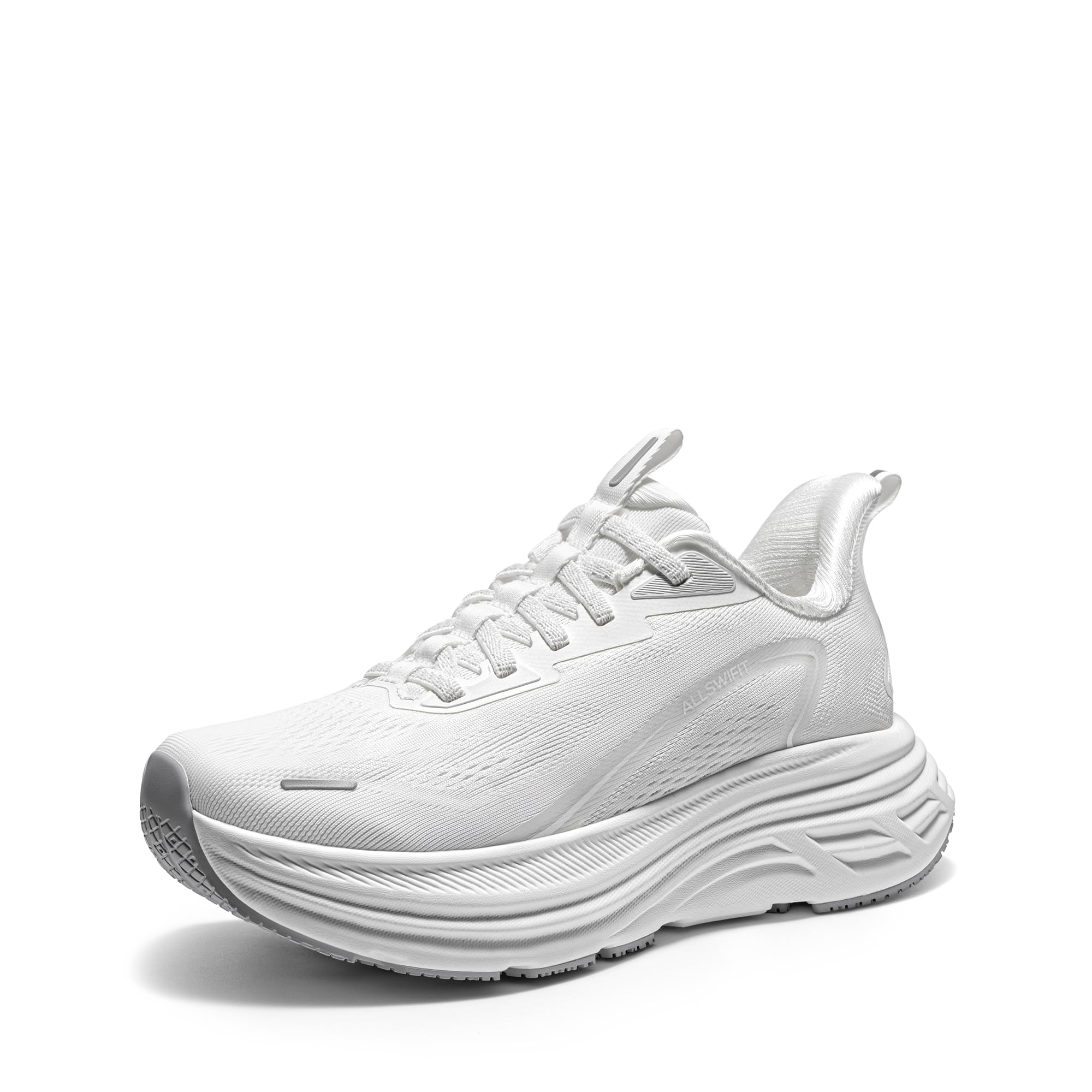
The ActiveBreeze2.0 targets budget-conscious nurses who need a reliable slip-on without sacrificing toe room. The hands-free design with a reinforced and collapsible heel makes break-room removal fast — you can step out and back in without unlacing. The wide toe box is genuinely spacious, accommodating hammertoes and bunions comfortably, and the foam midsole offers a plush step-in feel right out of the box.
Multiple reviewers confirm these hold up for 10-hour standing shifts and pass the fast-walking test on paved surfaces. The shoe is lightweight and machine-washable, with a knit upper that breathes better than synthetic leather. It also adds a slight heel lift — around an inch — which can relieve Achilles tension for some wearers. The visual design is understated, with no loud branding, making it acceptable in clinical settings that enforce dress codes.
The main compromise is material quality. The proprietary foam and textile construction produce foot odor faster than wool or premium synthetic liners, and the outsole lacks the aggressive siping of dedicated slip-resistant shoes — so caution is needed on wet polished floors. It is not designed for heavy lateral movements. For its price tier, however, it delivers competitive support and a generous fit that rival options twice the cost.
Why it’s great
- True hands-free slip-on with a stable, non-collapsing heel counter
- Spacious toe box accommodates bunions and post-shift swelling
Good to know
- Lacks aggressive slip-resistant outsole for wet floors
- Material composition can contribute to foot odor with daily use
6. Skechers Women’s Summits Sneaker

The Skechers Summits is the entry-level price leader that works well for lighter shifts, post-surgery recovery, or as a backup pair. The memory foam insole delivers immediate step-in comfort and the knit upper is breathable and machine-washable. The rubber outsole provides decent grip on dry surfaces, and the no-lace slip-on design simplifies daily entry — ideal for nurses who need to minimize bending or twisting motions.
User reports confirm the shoe holds up to 25,000-step days at theme parks, which translates well to the distances covered on a hospital floor. The toe box is soft and flexible — critical for nurses with post-surgical sensitivity or those who need to accommodate thick socks during cold seasons. Reviewers emphasize the shoe is true to size and requires zero break-in period, a major plus for healthcare workers who need immediate functional comfort.
The main limitation is the absence of a rigid arch support structure. Memory foam molds to the foot but does not provide the sustained medial support needed for flat feet or pronation issues. The heel fit can be sloppy for some sizes, and the outsole lacks the aggressive tread pattern required for high-slip environments. It is a solid budget option for low-intensity shifts or as a recovery shoe for days off.
Why it’s great
- Zero break-in needed — ready for immediate shift wear
- Breathable, lightweight knit upper for hot environments
Good to know
- Memory foam lacks sustained arch support for flat feet
- Heel fit can loosen over time, causing slippage during walking
7. Skechers Women’s Go Run Elevate 2.0
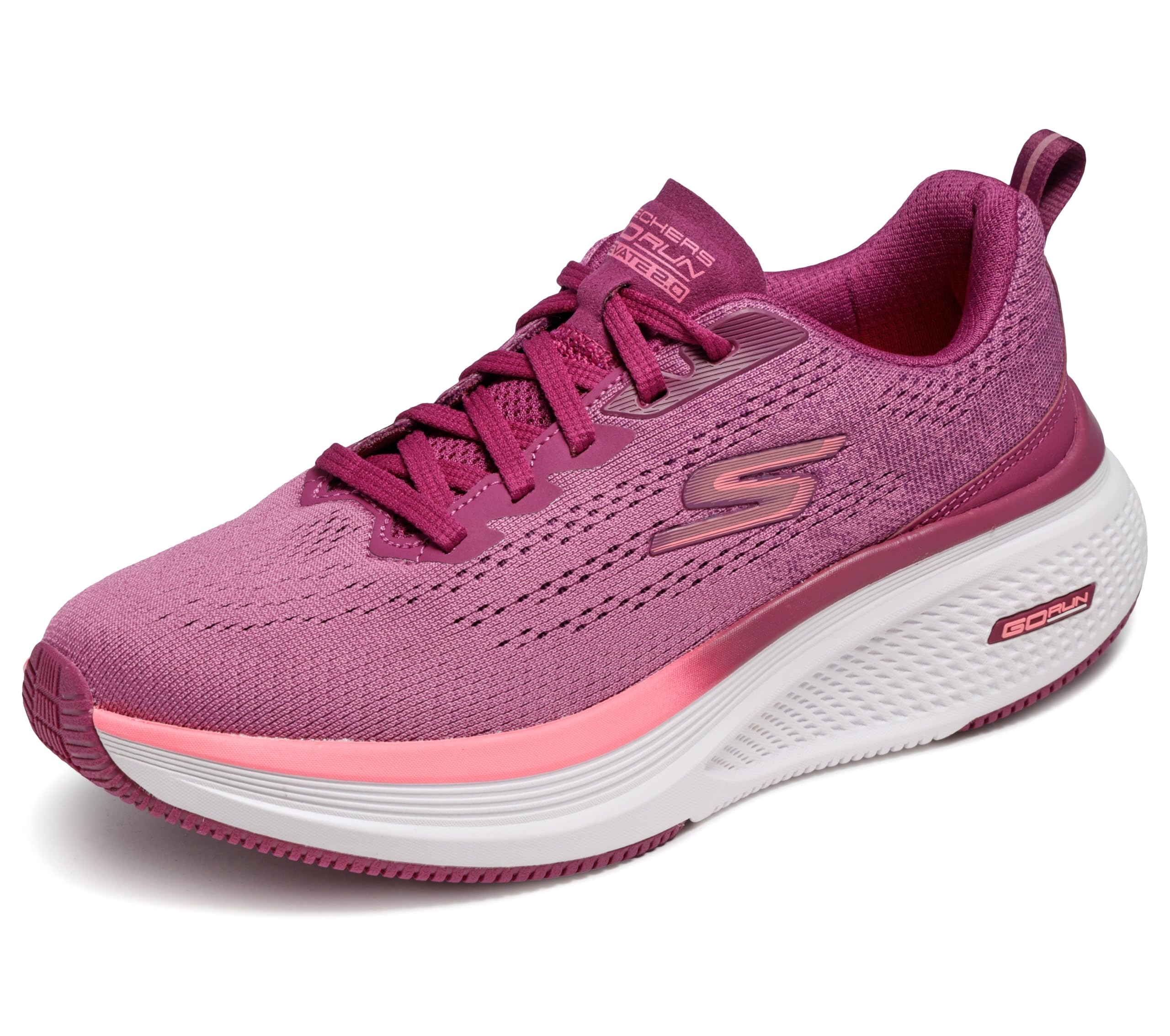
The Go Run Elevate 2.0 positions itself as a lightweight performance runner that doubles as a shift shoe for nurses on a tight budget. The ultra-lite foam midsole keeps each shoe under a pound, reducing the fatigue that heavier clogs can cause over 12 hours. The non-slip outsole provides decent traction on tile and linoleum — especially important for nurses moving quickly through patient rooms and corridors.
Reviewers specifically mention these shoes work for 12-hour standing shifts without discomfort, and the modern design with non-slip sole makes them suitable for gym use or post-shift errands. The color options are appealing, and the shoe is lightweight enough to pack for commuting. For the price, you get a versatile sneaker that covers both work and casual walking needs without a significant style compromise.
There is a documented inconsistency in the toe box width across different colors — the black-blue combination offers a noticeably wider shape than the standard colorways, which is a frustrating inconsistency for buyers. The foam midsole is comfortable but not as durable as the premium nitrogen-infused foams found at higher price points, meaning compression set may appear within six months of daily use. Ideal for nurses who want a low-commitment entry into shift footwear.
Why it’s great
- Extremely lightweight design reduces overall leg fatigue
- Non-slip outsole provides reliable traction on institutional floors
Good to know
- Toe box width varies significantly depending on the color chosen
- Foam midsole compresses faster than premium alternatives
FAQ
Can I wear running shoes for 12-hour nursing shifts?
How often should I replace nursing shoes?
Are open-back clogs safe for hospital work?
Final Thoughts: The Verdict
For most users, the footwear for nurses winner is the Brooks Glycerin Stealthfit 22 because it combines the deepest arch support with a stretchable upper that handles swelling, all wrapped in a quiet sole that grips hospital floors. If you want targeted plantar fasciitis relief and impact reduction, grab the OOFOS Oomy Stride. And for a zero-compromise natural material clog that molds to your foot, nothing beats the Stegmann Original 108.