
Stepping into dense undergrowth or navigating a rain-softened slope demands footwear that does more than just cover your feet. A boot that fails on uneven ground or lets moisture seep through after a few hours isn’t just an inconvenience—it’s a serious liability in the field. The right pair provides the ankle lock, puncture resistance, and thermal stability that separate a productive day from a painful one.
I’m Mohammad Maruf — the founder and writer behind Drink4Good. I’ve spent years analyzing work gear markets, comparing leather grades, waterproof membranes, and outsole compounds to identify which models genuinely hold up under sustained forestry work.
This guide distills that research into a focused selection of what I consider the current best options for anyone serious about their gear. Think of it as a reliable starting point for finding the best forestry boots that match the specific demands of your terrain and workload.
How To Choose The Best Forestry Boots
Choosing a boot for woodland work goes beyond general work boot logic. The terrain is unpredictable, the moisture constant, and the loads heavy. Three specific factors determine whether a boot becomes a reliable tool or a costly mistake.
Heel Profile and Shank Rigidity
Standard flat-soled boots lack the bite to lock onto a muddy grade or a thin log. A pronounced 90-degree logger heel digs in on downhill sections and provides a pivot point for climbing over obstacles. This shape only works when paired with a steel or rigid composite shank that prevents the boot from folding across the midfoot on uneven terrain. Without a stiff shank, stepping on a sharp root can cause the arch to collapse, leading to fatigue and instability.
Waterproofing and Breathability Balance
A fully waterproof boot is essential for creek crossings and wet brush, but a membrane that traps all moisture can leave feet soaked from sweat during high-exertion work. Look for a boot that uses a proven breathable barrier like Gore-Tex or a well-reviewed proprietary membrane (Danner Dry, Timberland PRO Rubber). The boot design should also include a gusseted tongue that keeps debris out while allowing some airflow. Unlined rubber boots excel in wet conditions but sacrifice breathability, making them a better choice for damp, cool climates than hot summer work.
Leather Quality and Construction Method
The upper material determines how well the boot resists abrasion from brush and how it holds its shape over time. Full-grain or oiled nubuck leather offers the best puncture resistance and can be conditioned to extend its life. Welted construction, where the upper is stitched to a strip that is then attached to the sole, allows the boot to be resoled. Cheaper cemented or injection-molded soles usually lead to disposal when the tread wears out. For forestry work, a welted or stitch-down boot offers a longer service life and better structural integrity under load.
Quick Comparison
On smaller screens, swipe sideways to see the full table.
| Model | Category | Best For | Key Spec | Amazon |
|---|---|---|---|---|
| Danner Logger 8″ | Premium | All-day comfort & trail stability | Oiled Nubuck / Danner Dry | Amazon |
| Thorogood Logger 9″ | Premium | Heavy insulation & US-made quality | 400g Thinsulate / Vibram | Amazon |
| Timberland PRO Evergreen | Premium | Extended durability on construction sites | Composite Toe / Insulated | Amazon |
| Georgia G8040 Logger | Premium | Low-heel stability & Gore-Tex waterproofing | Gore-Tex / Welted Construction | Amazon |
| Irish Setter Mesabi 8″ | Mid-Range | Out-of-box comfort & arch support | Full-Grain Leather / Soft Toe | Amazon |
| Carolina 8″ Logger (Steel Toe) | Mid-Range | Steel toe & memory foam support | Memory Foam / Steel Toe | Amazon |
| Ariat Treadfast 6″ | Mid-Range | Lightweight steel toe for flat terrain | 6″ Waterproof / Steel Toe | Amazon |
| Carolina Elm 8″ Logger | Mid-Range | Triple-rib shank & cushion footbed | Triple-Rib Steel Shank | Amazon |
| LaCrosse Burly Air Grip 18″ | Budget | Wet terrain & deep mud protection | 18″ Rubber / Wool Felt Midsole | Amazon |
In‑Depth Reviews
1. Danner Logger 8″
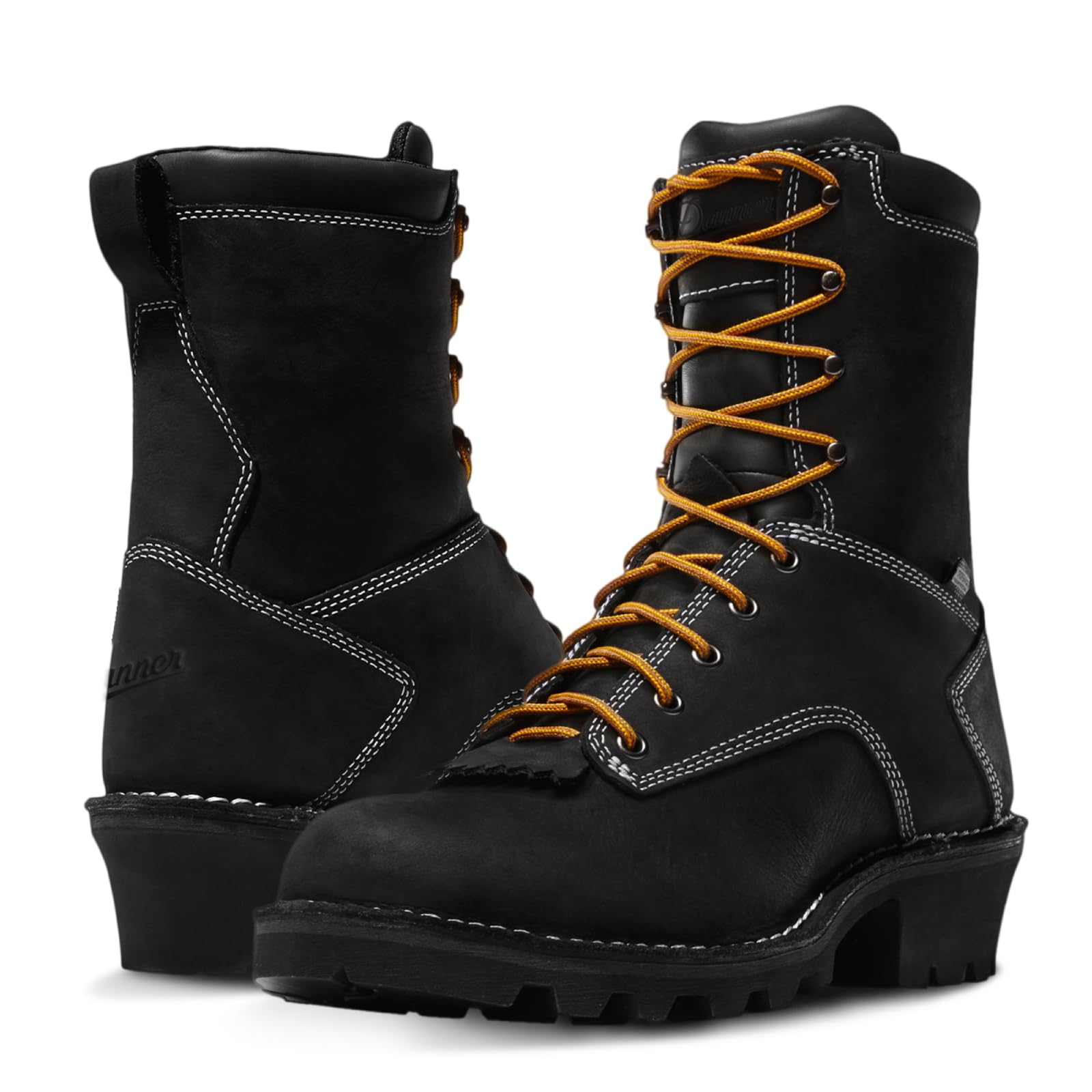
The Danner Logger delivers a blend of premium materials and smart construction that justifies its position at the top of this list. The oiled nubuck leather upper is rugged enough to withstand heavy brush abrasion while requiring a notably short break-in period compared to traditional logger boots. The 9-inch shaft height offers strong ankle support without restricting movement during long hikes.
The standout feature is the Bi Fit Board, which merges the shank, lasting board, and midsole into a single composite unit. This reduces overall weight while maintaining the torsional rigidity needed for traversing uneven ground. Paired with the Vibram 360 outsole and a pronounced 90-degree heel, the boot provides reliable traction on loose soil and sloped terrain. The Ortholite footbed with variable-density foam adds all-day cushioning that reduces foot fatigue on rock-strewn trails.
The Danner Dry waterproof barrier keeps moisture out effectively while allowing heat and sweat to escape, avoiding the clammy feeling common in less breathable membranes. The boot also carries ASTM F2892-18 electrical hazard certification for those working near power tools or utilities. For someone who needs a do-it-all forestry boot that balances comfort, weight, and protection from day one, this is a top contender.
Why it’s great
- Breathable Danner Dry membrane manages sweat during high output.
- Vibram 360 outsole with logger heel grips effectively on mud and loose soil.
- Bi Fit Board reduces weight without sacrificing underfoot support.
Good to know
- Some users recommend treating the nubuck with an oil conditioner before first exposure to wet conditions.
- The 9-inch shaft may feel tall for those used to 6-inch boots.
2. Thorogood Logger 9″

The Thorogood Logger is built for cold climates and heavy-duty use, combining a 400-gram Thinsulate insulation layer with a full-grain leather upper. The 9-inch height and steel toe provide robust protection against chainsaw kickback and falling branches, while the Vibram slip-resistant outsole with a logger heel maintains stability on icy or snow-covered ground.
This boot is US-made and constructed with a welted design, meaning the sole can be replaced when the tread wears down—a significant advantage for someone who plans to keep the boots for several seasons. The gusseted tongue keeps debris out, and the leather quality is thick enough to resist punctures from thorns and sharp rocks. The arch support is solid, and after the initial break-in period, users consistently report comfort during 10- to 15-hour days on their feet.
At approximately 4 pounds per boot, this is a heavy option, and the insulation makes it less ideal for warm-weather work. The provided laces are notably short and may need immediate replacement for a secure fit. Despite the weight, the boot’s durability and rebuildability make it a strong value for someone working in colder regions who needs serious thermal protection and long-term utility.
Why it’s great
- Welted construction allows resoling, extending boot life significantly.
- 400g Thinsulate keeps feet warm in sub-freezing conditions.
- Vibram outsole with logger heel provides excellent traction in snow and mud.
Good to know
- The weight per boot approaches 4 pounds, noticeable on long hikes.
- Break-in requires 10-15 hours of wear before the leather conforms fully.
3. Timberland PRO Evergreen
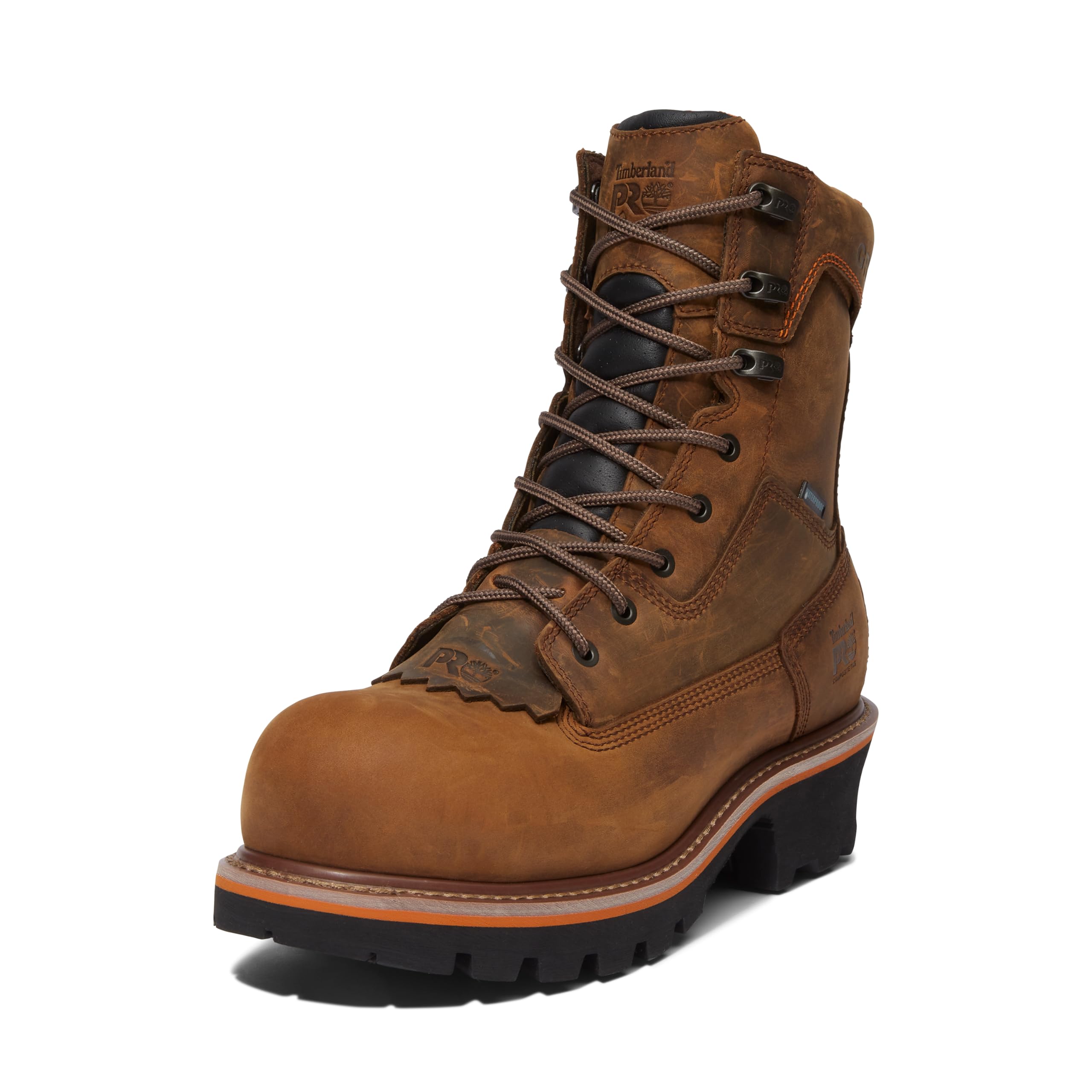
The Timberland PRO Evergreen is engineered for longevity, with multiple reports of the first pair still performing well after four years of regular use. The composite toe provides impact protection while remaining lighter and less thermally conductive than steel, a helpful trait in cold weather. The rubber logging outsole uses a deep tread pattern that performs well in snow and maintains grip on wet rock.
The waterproof membrane is integrated into the boot lining, keeping feet dry during creek crossings and prolonged rain exposure. The insulated version adds warmth without the bulk seen in 400-gram boots, making it a good choice for mixed seasonal work. The leather upper is tough and resists cuts from brush, though the boot runs slightly large, which allows room for thick socks without causing pressure points.
Users who perform heavy ground contact—like kicking into soil for digging—consistently report that the Evergreen outlasts other brands that fail at the 4- to 6-month mark. The boot is comfortable out of the box with minimal break-in, and the overall build quality feels dense and solid. For someone who works on construction sites that transition into wooded areas, this boot offers crossover utility without sacrificing durability.
Why it’s great
- Users report 4+ years of service life with regular use.
- Composite toe reduces heat loss in cold conditions.
- Deep tread pattern handles snow and wet rock effectively.
Good to know
- The fit runs slightly big, so sizing down may be needed for a snug fit.
- Some users find the boot heavy compared to non-insulated models.
4. Georgia Boot Low Heel Logger GORE-TEX
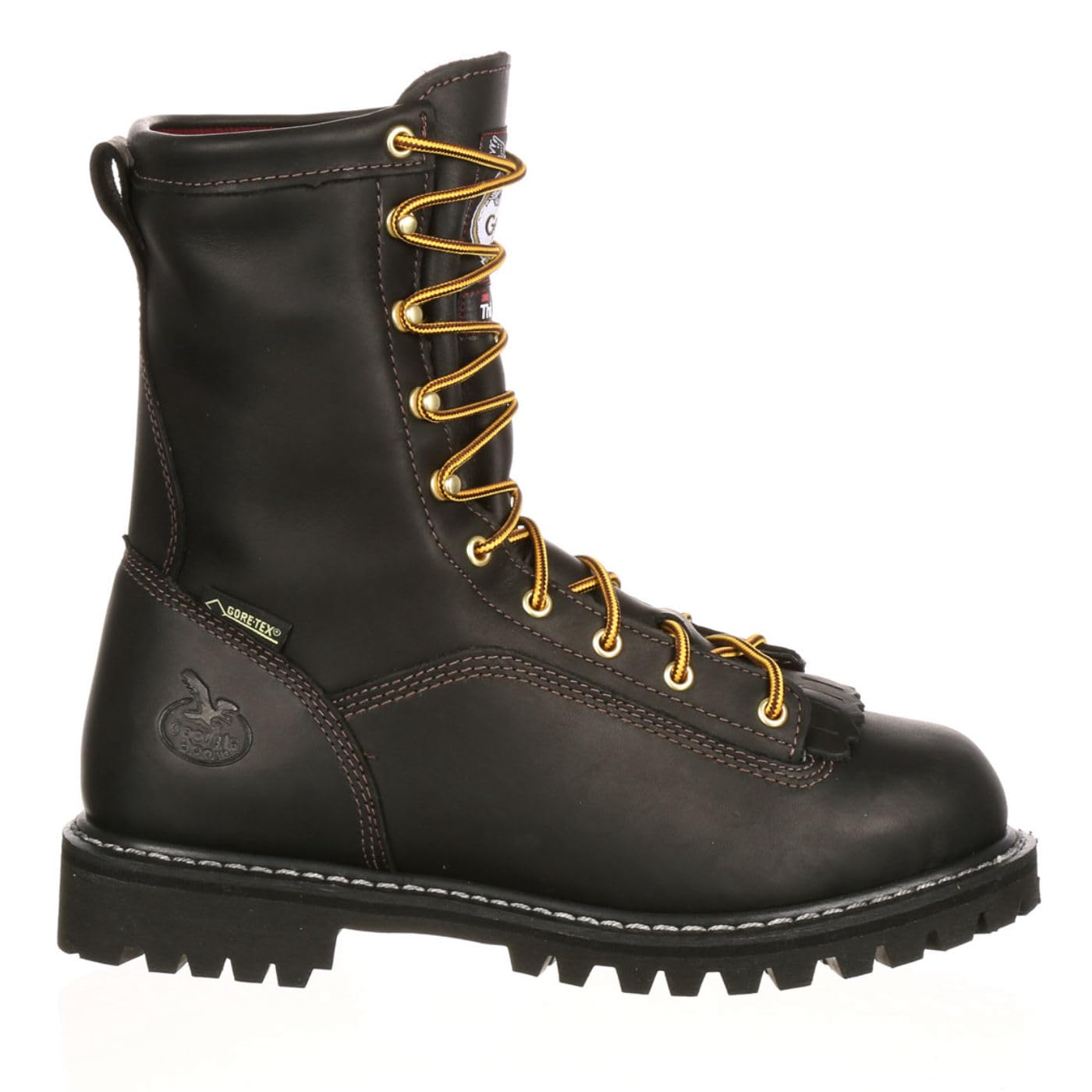
Georgia Boot’s G8040 logger is a well-constructed work boot that features a Gore-Tex waterproof membrane and a low-heel profile. The welted construction indicates that the boot is built for longevity, and the full-grain leather upper resists abrasion from brush and timber. The low heel is a unique choice in this category, offering a flatter walking platform that some users prefer for driving heavy equipment or walking on level terrain.
The boot requires a break-in period of about a week, with the ankle area being notably stiff initially. Once broken in, the footbed becomes stable and comfortable for full-day wear. The Gore-Tex lining is fully waterproof and performs well during log cutting and wet ground work. The sole shows minimal wear even after a month of use, suggesting durable rubber compound.
The leather is slightly thinner than what you find on premium models like Danner, and the stitching is functional rather than refined. However, the boot is reliably waterproof, the wide sizing accommodates thick socks, and the price point undercuts many competitors. For someone who needs a dependable logger boot with proven Gore-Tex waterproofing without spending top dollar, this is a smart choice.
Why it’s great
- Gore-Tex membrane provides reliable long-term waterproofing.
- Welted construction allows for resoling.
- Low heel profile improves comfort on flat terrain and in equipment cabs.
Good to know
- Ankles are very stiff and require a week of break-in.
- Leather is thinner than premium competitors like Danner.
5. Irish Setter Mesabi 8″

The Irish Setter Mesabi is designed for immediate comfort, with many users reporting that it feels broken in from the first wear. The full-grain leather upper is flexible and requires conditioning every few weeks to maintain its water resistance, but it conforms to the foot quickly. The 8-inch height offers solid ankle support without restricting motion, and the soft toe option makes this a lighter, more flexible choice for walking through varied terrain.
The arch support is excellent, and the boot requires no additional insoles for most users. The two lace hooks near the top make pulling the boot on and off simple, and the look is clean enough for casual wear with denim. The lug pattern provides reliable traction on dirt trails and loose gravel, though the heel is less pronounced than traditional logger boots.
This boot pairs best with entry-level to mid-range forestry work, such as trail maintenance or light tree work. The leather is thinner than heavier-duty options, which trades some puncture resistance for improved mobility and lower weight. For someone who spends most of the day walking instead of standing on steep slopes, the Mesabi offers a comfortable, lightweight alternative to heavier logger boots.
Why it’s great
- Very comfortable out of box with minimal to no break-in required.
- Excellent arch support eliminates need for aftermarket insoles.
- Lower weight and flexible design reduce fatigue during long walking days.
Good to know
- Thin leather requires frequent conditioning to stay waterproof.
- Not ideal for heavy climbing on steep slopes due to lower heel profile.
6. Carolina 8″ Logger (Steel Toe)

The Carolina 8-inch Logger combines a steel toe with a cushioned memory foam footbed, creating a boot that offers safety and comfort in one package. The full-grain leather upper is genuine and thick, providing good resistance against brush and incidental scrapes. The sole is initially stiff but begins to flex with wear, letting the boot adapt to the user’s gait over the first few weeks.
The memory foam pillow cushion provides noticeable comfort for those standing on hard surfaces like concrete floors or packed gravel. The steel toe is protective without being overly bulky, and the boot is available in wide widths for those who need extra room for thermal socks. The construction is clean, and the leather quality feels durable for the price range.
Some users note that the boot runs tightly across the ball of the foot when paired with thick socks, which means ordering a wide width is a safe move for cold-weather layering. The sole is softer than some competitors, which can make ladder rungs more noticeable underfoot. For a mid-range option that delivers steel-toe protection with a comfortable stride, this Carolina boot is a solid pick.
Why it’s great
- Memory foam footbed provides cushioning for hard, flat surfaces.
- Real full-grain leather upper offers good abrasion resistance.
- Available in wide sizes for comfortable layering.
Good to know
- Runs tight across the ball of the foot; wide width recommended for thick socks.
- Softer sole transmits more feedback from ladder rungs and sharp rocks.
7. Ariat Treadfast 6″
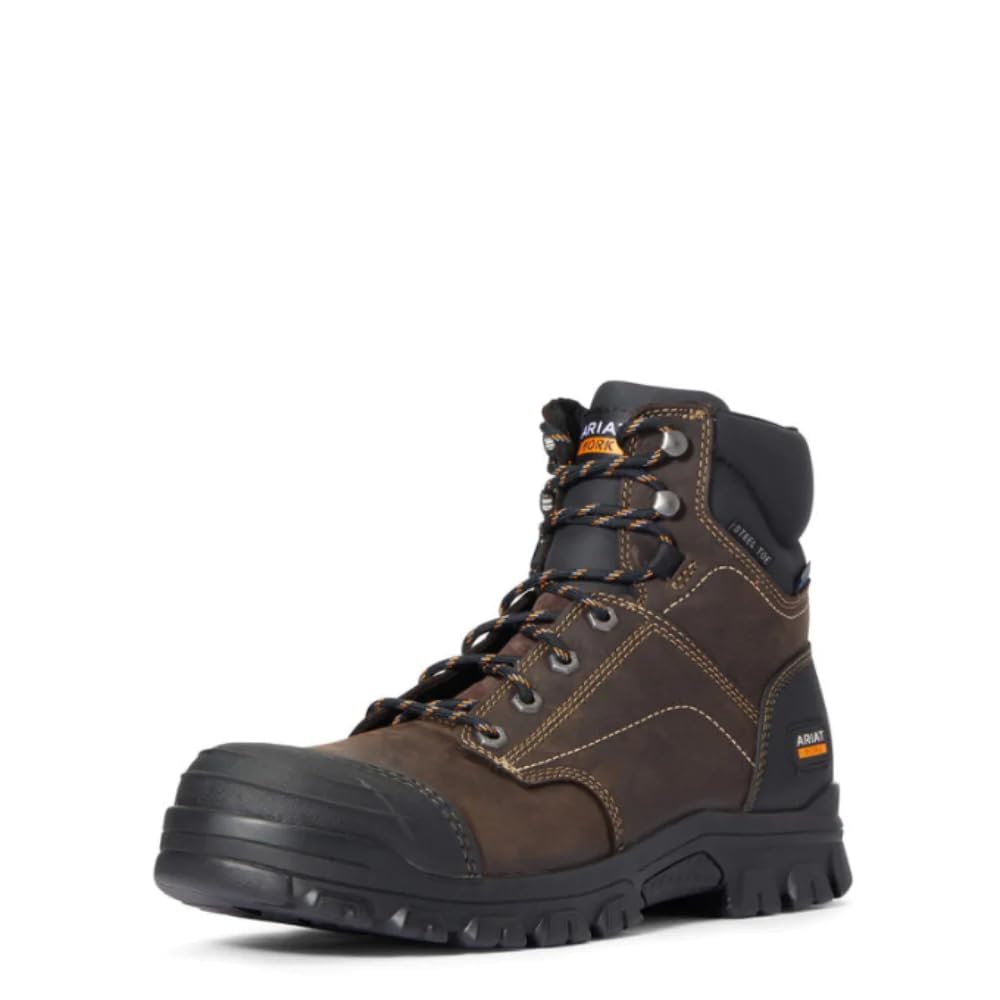
The Ariat Treadfast is a 6-inch steel-toe boot that prioritizes low weight and immediate comfort over traditional logger height. The shorter shaft makes it easier to drive in, less restrictive on the ankle, and quicker to lace up. The waterproof lining keeps feet dry through wet grass and shallow puddles, and the outsole provides reliable grip on concrete and packed dirt.
Users consistently report that the boot feels light on the foot and requires minimal break-in, even with the steel toe. The leather upper is well-constructed and holds up to daily use on job sites. Some users have reported the boot lasting over two years with regular wear, outlasting more expensive brands that failed at flex points.
The 6-inch height is a limitation in deep mud or brush, as it offers less protection against debris entering the collar. The steel toe also requires a break-in period to soften the leather around the toe box. For someone who works primarily on flat terrain, in equipment, or on construction sites that border wooded areas, the Treadfast is a lightweight, functional option that won’t weigh down the stride.
Why it’s great
- Lightweight design reduces leg fatigue during long shifts.
- Waterproof lining performs well in damp conditions.
- Comfortable out of box with minimal break-in required.
Good to know
- 6-inch height offers less protection against brush and deep mud.
- Steel toe requires a break-in period for toe box comfort.
8. Carolina Elm 8″ Logger

The Carolina Elm 8-inch Logger is an unlined boot that focuses on structural support and electrical hazard protection. The triple-rib steel shank provides excellent rigidity across the midfoot, preventing fatigue when standing on uneven logging trails or ladder rungs. The memory foam pillow cushion footbed adds comfort without the need for an additional insole.
The boot carries an EH rating, meaning it provides secondary protection against live electrical circuits—a crucial feature for anyone working near power lines or electrical equipment. The rubber lug outsole offers solid traction on loose surfaces, and the full-grain leather upper is durable and resists cuts from brush. The unlined design means the boot breathes better than insulated options, making it a good choice for warmer climates or summer work.
One drawback is the lack of insulation, which limits use in freezing temperatures without thick socks. The boot also fits true to size, so those with wide feet should order the wide width directly. For a budget-conscious user who needs a tough, supportive logger boot with electrical hazard protection, the Carolina Elm delivers solid value.
Why it’s great
- Triple-rib steel shank offers excellent midfoot support on uneven ground.
- EH rated for secondary electrical hazard protection.
- Unlined design improves breathability in warm weather.
Good to know
- No insulation limits use in cold conditions without thick socks.
- Wide widths should be ordered for comfortable fit with thick socks.
9. LaCrosse Burly Air Grip 18″

The LaCrosse Burly Air Grip is a dedicated rubber boot designed specifically for wet terrain and deep mud. The 18-inch shaft height provides exceptional protection against water, keeping the leg dry up to the knee during creek crossings and saturated brush. The one-piece rubber construction is fully waterproof and requires no membrane maintenance—it simply works as long as the rubber remains intact.
The insulating wool felt midsole adds a layer of warmth without the bulk of synthetic insulation, and the self-cleaning outsole prevents mud from caking into the tread. The boot is notably lighter than traditional leather loggers in this height class, and reviewers consistently mention the comfort and flexibility of the ankle area. The air grip sole provides good traction on wet, slippery surfaces without the stiffness of a logger heel.
This boot is not designed for heavy hiking or slope work—the lack of a steel shank means the footbed is flexible, and the rubber offers minimal ankle support. It also sacrifices breathability, which can lead to sweat accumulation during active work in warmer weather. For wet logging, flood work, or standing in water all day, the LaCrosse Burly is a proven, low-maintenance solution that keeps feet dry.
Why it’s great
- 18-inch height provides knee-level waterproof protection.
- Wool felt midsole adds warmth without significant bulk.
- Self-cleaning outsole prevents mud accumulation in the tread.
Good to know
- Flexible sole offers minimal ankle support compared to leather loggers.
- Rubber construction lacks breathability, causing sweat build-up in warm weather.
FAQ
Do I need a logger heel for flat terrain?
How long should a pair of forestry boots last?
Can I use regular work boots instead of logger boots?
Final Thoughts: The Verdict
For most users, the best forestry boots winner is the Danner Logger 8″ because it combines a short break-in period with a lightweight Bi Fit Board shank system and proven Danner Dry waterproofing, making it the most versatile all-rounder. If you need heavy insulation and a rebuildable US-made boot for cold-weather work, grab the Thorogood Logger 9″. And for deep mud, standing water, or flood work, nothing beats the LaCrosse Burly Air Grip 18″ for pure moisture protection at a budget-friendly price.