
Every parent knows the rhythm of a restless night, and when gas is the culprit, the cries hit a different register—sharp, urgent, and heart-wrenching. The search for a formula that doesn’t turn feeding time into a battle against bubbles and belly pain is exhausting, but the right ingredients can make all the difference between a baby who writhes and one who settles.
I’m Mohammad Maruf — the founder and writer behind Drink4Good. I spend my days analyzing the molecular architecture of infant nutrition, from protein chain lengths to prebiotic oligosaccharide profiles, to understand how each component impacts a newborn’s developing gut.
After combing through hundreds of customer experiences and lab reports, I’ve isolated the key formulation strategies that separate gas-inducing options from genuinely soothing ones. This guide breaks down the top contenders to help you find the most effective formula for newborns with gas.
How To Choose The Best Formula For Newborns With Gas
Gassiness in newborns can stem from several dietary triggers—lactose overload, intact protein chains that are hard to break down, or an immature gut microbiome. The right formula addresses the root cause rather than just masking symptoms, so understanding the formulation type is essential before making a choice.
Watch the Lactose Level
Standard milk-based formulas are high in lactose, which can overwhelm a newborn’s lactase enzyme production. For babies who show signs of gas and fussiness after feeding, a reduced-lactose or sensitivity formula can dramatically cut down fermentation in the gut. These formulas replace most lactose with corn maltodextrin or other easily digested carbohydrates.
Consider Protein Hydrolysis
Proteins are the second major gas culprit. Standard formulas contain intact cow’s milk proteins that are large and complex. Partially hydrolyzed formulas break these down into smaller chains, making them easier for a newborn’s digestive system to process. This reduces the gas that forms when undigested proteins reach the large intestine.
Check for Prebiotic HMOs Versus Probiotics
Human Milk Oligosaccharides (HMOs) like 2′-FL and LNnT are prebiotics that feed beneficial bacteria in the gut, promoting a balanced microbiome without the risk of adding live bacteria. Probiotics like LGG help by seeding the gut with good bacteria. Both pathways can reduce gas, but HMOs are a more direct mimic of breast milk’s natural composition.
Quick Comparison
On smaller screens, swipe sideways to see the full table.
| Model | Category | Best For | Key Spec | Amazon |
|---|---|---|---|---|
| Enfamil NeuroPro Gentlease | Gentle | Fast gas relief | Partially hydrolyzed proteins | Amazon |
| Happy Baby Organics Stage 1 | Organic | Probiotic + prebiotic support | Probiotics & prebiotics blend | Amazon |
| Bobbie Organic Gentle | Gentle | Smaller milk proteins | Partially hydrolyzed organic | Amazon |
| Mama Bear Sensitivity | Sensitivity | Lactose sensitivity | 99% less lactose | Amazon |
| Mama Bear Advantage Premium | Standard | Dual HMO for digestion | 2′-FL + LNnT HMOs | Amazon |
| Bobbie Organic Combo Feeding Kit | Combo | Breastfeeding supplement | 100% lactose, organic | Amazon |
| Enfamil Nutramigen Hypoallergenic | Hypoallergenic | Severe CMPA and colic | Extensively hydrolyzed casein | Amazon |
In‑Depth Reviews
1. Enfamil NeuroPro Gentlease
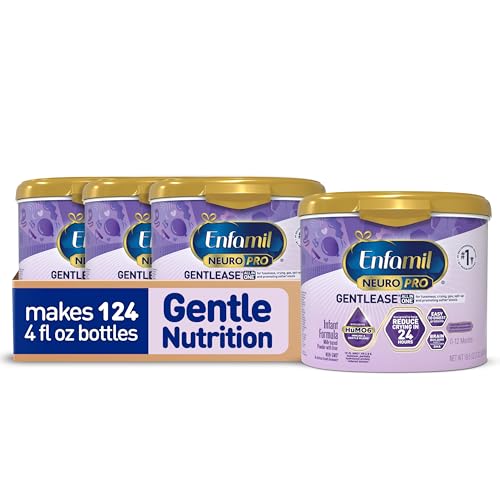
Enfamil NeuroPro Gentlease targets gas at the molecular level by using partially hydrolyzed proteins—these are smaller than standard milk proteins, so they pass through the stomach and small intestine with minimal fermentation. The formula also includes a patented prebiotic blend of PDX and GOS, which helps soften stools and reduces the gas pressure that builds from hard-to-pass waste.
The 24-hour claim is backed by the protein chain length: proteins are broken down into peptides instead of full-length chains, reducing the substrate available for gas-producing gut bacteria. With DHA and choline supporting brain development, this formula doesn’t sacrifice long-term nutrition for short-term comfort. The 19.5-ounce tub uses a 2-ounce scoop for easy measurement.
Parents of small or premature infants especially appreciate the fast adjustment period. The powder dissolves smoothly in warm water, though users of automated formula machines report some clumping. The NeuroPro Gentlease is the most balanced choice for a newborn whose main symptom is persistent gas without signs of a milk protein allergy.
Why it’s great
- Partially hydrolyzed proteins ease gas within 24 hours
- PDX/GOS prebiotic blend softens stool and reduces strain
- Brain-building DHA and choline included
Good to know
- May clump in automated formula machines
- Not suitable for confirmed cow’s milk protein allergy
2. Happy Baby Organics Stage 1 Infant Formula

Happy Baby Organics uses a dual-pronged digestive approach, combining both prebiotics and probiotics in a single formula. The probiotic blend is clinically shown to support softer, more regular stools, while the prebiotics are included at levels that approach those found in breast milk—higher than most organic competitors. This synergy helps regulate the gut environment, reducing the gas that arises from microbial imbalance.
Mothers who transition their babies from breast milk report a smooth switch, with minimal gas or constipation, likely because the prebiotic mix feeds the same Bifidobacteria species that breast milk naturally promotes. The formula also meets European DHA requirements—a higher standard than the U.S. minimum—and uses lactose as the sole carbohydrate, which is well-tolerated by most newborns who don’t have primary lactase deficiency.
The 22.9-ounce can is made in Europe and carries both USDA and EU organic certification. Parents note that it mixes easily and has a mild, pleasant smell compared to many other formulas. It’s a solid mid-range organic pick for gas-prone babies who need both immediate and long-term digestive support.
Why it’s great
- Clinically studied probiotic for softer stools
- High prebiotic levels close to breast milk
- European DHA standards for brain health
Good to know
- Full lactose may still trigger gas in severe sensitivity cases
- Not for confirmed milk protein allergy
3. Bobbie Organic Gentle Baby Formula

Bobbie’s Gentle formula addresses gas through protein hydrolysis rather than lactose reduction. It uses smaller, broken-down milk proteins that require less enzymatic effort from the newborn’s digestive system. The result is less fermentation in the large intestine, which directly lowers gas production. This makes it a good fit for babies who react not to lactose but to the intact protein structure of standard formulas.
The formula is 100% lactose, so it retains the natural sweetness and carbohydrate profile of breast milk—important for babies who still nurse part-time. It is USDA and EU organic, Clean Label Project Certified, and each batch undergoes over 2,000 quality checks. Parents transitioning from breastfeeding report that their babies accept it easily, with fewer post-feeding gas episodes than other organic brands they tried.
The branding between Bobbie’s standard and Gentle formulas is nearly identical, which can cause confusion at the store. The 14.1-ounce can is smaller than most, so subscription plans are worth considering for consistent supply. It is a strong contender for the organic-seeking parent whose baby has mild to moderate gas symptoms.
Why it’s great
- Partially hydrolyzed proteins for easier digestion
- 100% lactose matches breast milk profile
- Rigorous 2,000+ quality checks per batch
Good to know
- Small 14.1 oz can size
- Packaging similar to standard Bobbie formula
4. Mama Bear Sensitivity Premium Infant Formula
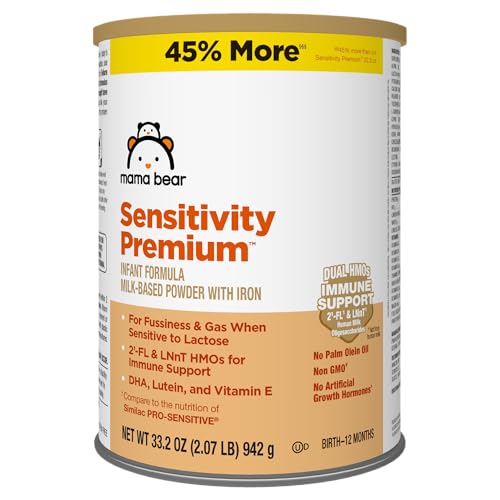
Mama Bear Sensitivity tackles gas by addressing the most common trigger: lactose overload. With 99 percent less lactose than standard milk-based formula, it drastically reduces the carbohydrate load that can cause fermentation and bloating in newborns with transient lactase insufficiency. The missing lactose is replaced with easily absorbed corn maltodextrin, which doesn’t feed gas-producing bacteria as aggressively.
On top of the lactose reduction, this formula includes dual HMOs—2′-FL and LNnT—which are prebiotics naturally found in breast milk. These HMOs promote the growth of beneficial Bifidobacteria, helping the newborn’s gut develop a healthy microbial ecosystem over time. This dual approach—lowering the gas fuel while building a better gut environment—makes it effective for moderate gas cases.
The 33.2-ounce tub provides a full month of supply per container, and the formula is SNAP-eligible. Parents transitioning from breastfeeding report smooth acceptance and no abnormal fussiness. The only recurring note is a mild case of bad breath in some babies, likely from the alternative carbohydrate sources.
Why it’s great
- 99% less lactose for sensitive systems
- Dual HMOs for long-term gut health
- Large 33.2 oz tub reduces reorder frequency
Good to know
- May cause mild bad breath in some babies
- Not for confirmed cow’s milk protein allergy
5. Bobbie Organic Combo Feeding Kit
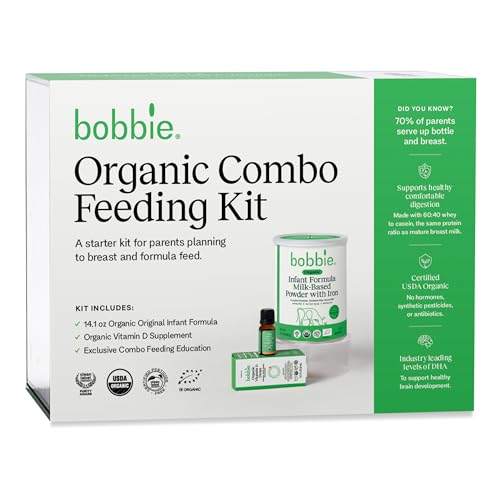
Bobbie’s Combo Feeding Kit pairs its standard Organic Infant Formula with Vitamin D drops, targeting parents who are both breastfeeding and supplementing with formula. The formula itself uses 100% lactose and intact milk proteins, making it a better fit for newborns who don’t have a protein sensitivity issue but may need a clean, organic supplement to breast milk. The Vitamin D drops provide 400 IU per 3-drop dose, meeting AAP recommendations for breastfed infants.
The formula is made without corn syrup, maltodextrin, or seed oils—ingredients that can cause digestive upset in sensitive newborns. Parents who use it as a supplement for weaning report that their babies tolerate it well, with no increase in gas or spit-up compared to exclusive breastfeeding. The organic, grass-fed cow’s milk base is minimally processed.
The kit is best suited for families who plan to combo-feed from the start. The formula can size is 14.1 ounces, which is small for full-time formula feeding. For gas-focused needs, this works great as a top-up option but may not be the primary choice if the baby has significant digestive discomfort.
Why it’s great
- Includes Vitamin D drops for combo feeders
- No corn syrup, maltodextrin, or seed oils
- Organic and grass-fed cow’s milk base
Good to know
- Small 14.1 oz can for full-time feeding
- Intact proteins may not suit all gas-prone babies
6. Enfamil Nutramigen Hypoallergenic

Nutramigen is the heavy artillery for gas caused by cow’s milk protein allergy (CMPA). It uses extensively hydrolyzed casein, breaking down the milk protein into fragments so small that the immune system no longer recognizes them. This stops the inflammatory response that causes gas, colic screaming, and reflux. The formula is also lactose-free, removing the other major gas trigger.
Clinical data shows that 90% of infants with colic due to CMPA improve within 48 hours of starting Nutramigen. The inclusion of the probiotic LGG adds an extra layer of immune support, helping the gut recover from allergic inflammation and build tolerance over time. It includes DHA and ARA for brain development despite being a specialized medical formula.
The cost is the most significant factor—each 27.8-ounce can covers about 6-7 days, meaning a monthly supply requires multiple cans. However, for newborns with diagnosed CMPA or severe, persistent gas that doesn’t respond to standard gentle formulas, this is the medically proven solution. It should only be used under pediatric guidance.
Why it’s great
- Extensively hydrolyzed for CMPA relief
- 90% of infants improve within 48 hours
- Includes probiotic LGG for allergy management
Good to know
- Premium cost per ounce
- Requires pediatrician guidance for CMPA diagnosis
7. Mama Bear Advantage Premium Baby Formula
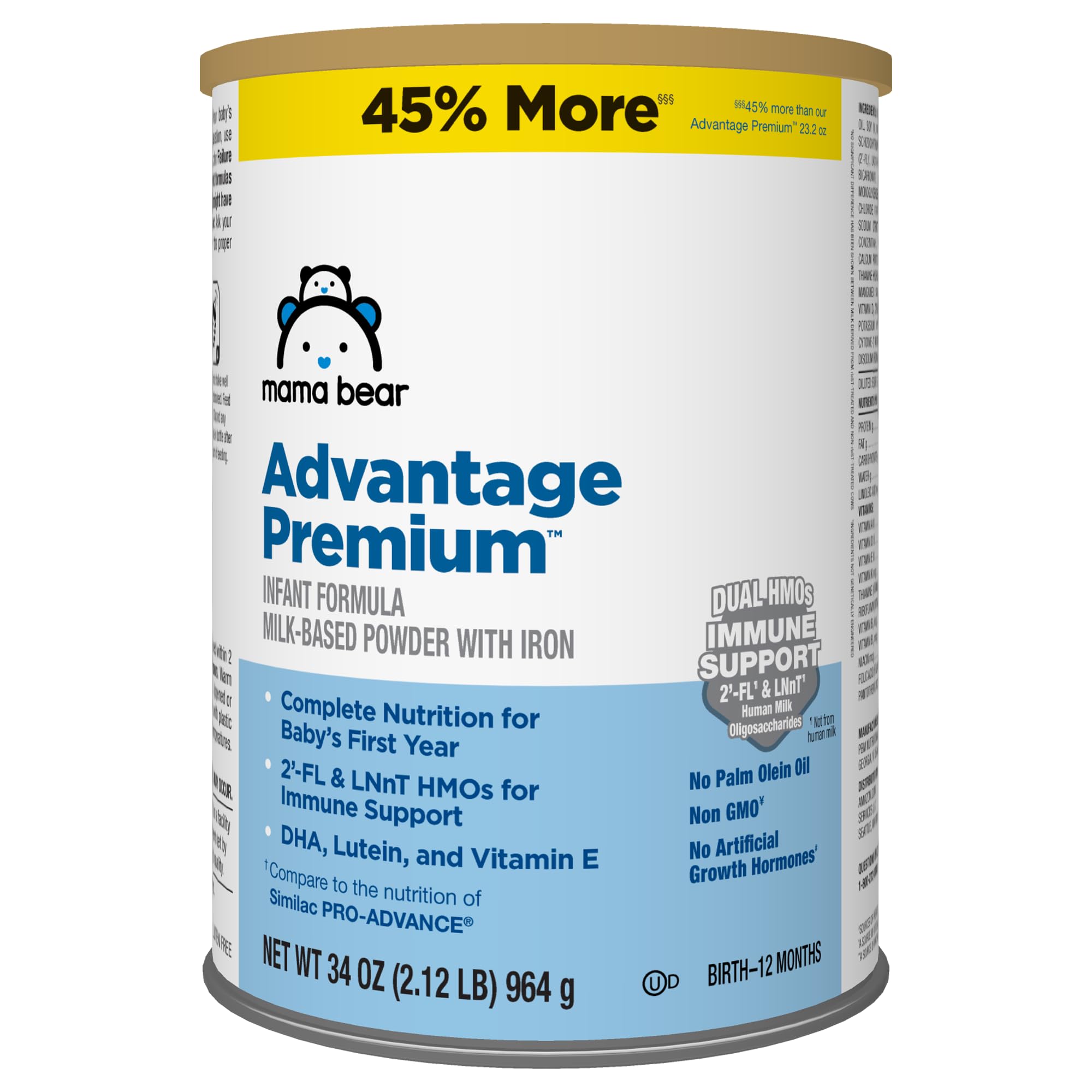
Mama Bear Advantage Premium offers a surprisingly robust feature set for a budget-friendly entry-level formula. It includes dual HMOs—2′-FL and LNnT—which are the same prebiotics found in premium national brands like Similac Pro-Advance. These HMOs support the growth of beneficial gut bacteria, which can help reduce gas over time as the microbiome matures. The formula uses standard lactose levels and intact proteins.
The 34-ounce tub provides one of the best cost-per-ounce ratios in this category. Parents who switched from national brands report that their babies transitioned without digestive issues or rejection, even at 2-3 weeks old. The formula is non-GMO, free of artificial growth hormones, and contains no palm olein oil, which can contribute to hard stools in some newborns.
For newborns with moderate gas that isn’t linked to lactose or protein allergy, this is an excellent trial option. It includes DHA, lutein, and choline for brain and eye development. The main limitation is that it doesn’t address protein-related gas—if your baby reacts to intact milk proteins, a partially hydrolyzed option would be more effective.
Why it’s great
- Dual HMOs at a budget-friendly cost
- No palm olein oil or artificial growth hormones
- Large 34 oz tub for extended use
Good to know
- Standard lactose level may not suit all sensitivities
- Intact proteins can cause gas in protein-sensitive babies
FAQ
How quickly should a gas-relief formula start working on a newborn?
What is the difference between reduced lactose and lactose-free formula for gas?
Final Thoughts: The Verdict
For most users, the formula for newborns with gas winner is the Enfamil NeuroPro Gentlease because its partially hydrolyzed proteins and prebiotic blend provide fast, reliable gas relief without needing a medical diagnosis. If you want an organic option with probiotic support, grab the Happy Baby Organics Stage 1. And for severe colic linked to cow’s milk protein allergy, nothing beats the Enfamil Nutramigen Hypoallergenic.