
Finding a formula that your baby will accept as a complement to breast milk can feel like a high-stakes guessing game. The wrong choice often leads to rejection, gassiness, or spit-up, turning feeding time into a stressful trial for both parent and infant. The goal is a formula that mirrors the taste, texture, and digestibility of breast milk as closely as possible, allowing for a seamless transition during those first crucial months.
I’m Mohammad Maruf — the founder and writer behind Drink4Good. I’ve spent years analyzing infant nutrition research, poring over batch testing protocols, and comparing the specific protein ratios, carbohydrate sources, and fat blends that determine how well a formula integrates with a breastfeeding routine.
This guide breaks down the top-rated options, focusing on whey-to-casein ratios, lactose content, and organic certifications that matter most when supplementing. My curated list of the best formula to mix with breast milk will help you find a gentle, nutritious match for your baby.
How To Choose The Best Formula To Mix With Breast Milk
Not all infant formulas are created equal when it comes to supplementing breast milk. A formula that causes gas or fussiness can derail a successful mixed-feeding routine. Here are the key factors to consider.
Protein Composition: The Whey-to-Casein Ratio
Mature breast milk has a whey-to-casein ratio of approximately 60:40. Whey protein is easier for babies to digest and empties the stomach faster. Formulas designed for mixing, particularly those marketed as “gentle” or modeled after breast milk, aim to match this ratio. If a formula is heavy on casein, it can lead to harder stools and more discomfort for your baby.
Carbohydrate Source: Lactose vs. Alternatives
Lactose is the primary carbohydrate in human milk. Many standard formulas use lactose exclusively, which offers a taste profile closest to breast milk. Others may use corn syrup solids or maltodextrin to reduce the sugar load or manage sensitivities. For a baby already used to breast milk, a 100% lactose formula typically yields the smoothest acceptance and digestion.
Organic and Ingredient Integrity
Given that formula will be a significant part of your baby’s diet, the quality of ingredients matters. Look for USDA Organic certification to avoid pesticides and synthetic fertilizers. Avoid formulas with palm oil (which can affect calcium absorption) and artificial growth hormones. Seal certifications like Clean Label Project Certification provide an additional layer of trust.
Quick Comparison
On smaller screens, swipe sideways to see the full table.
| Model | Category | Best For | Key Spec | Amazon |
|---|---|---|---|---|
| Bobbie Grass Fed Whole Milk | Whole Milk | Creamy texture & easy digestion | 60:40 whey-to-casein ratio | Amazon |
| Mama Bear Advantage Premium | Dual HMO | Immune & digestive support | 2’-FL & LNnT HMOs | Amazon |
| Mama Bear Gentle Premium | Gentle | Reducing gas & fussiness | Partially hydrolyzed proteins | Amazon |
| Bobbie Organic Gentle | Organic Gentle | Clean, gentle digestion | 100% lactose, USDA Organic | Amazon |
| Happy Baby Organics Stage 1 | Probiotic | Gut health & regular poops | Probiotics & prebiotics blend | Amazon |
In-Depth Reviews
1. Bobbie Whole Milk, Grass Fed Baby Formula
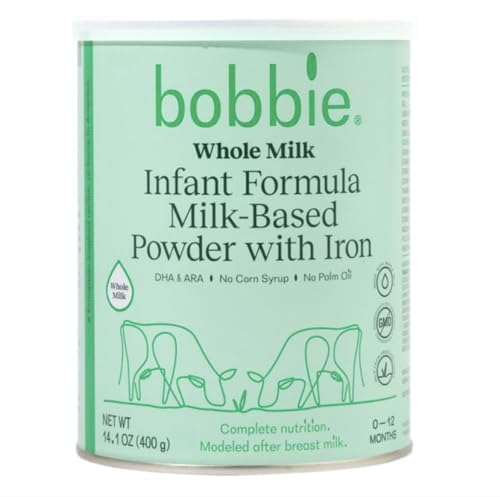
Bobbie’s grass-fed whole milk formula is built around a 60:40 whey-to-casein protein ratio, identical to mature breast milk. This specific balance makes it an exceptional partner for mixed feeding, as it mimics the digestive profile your baby already knows. The base of whole milk from 365-day pasture-raised cows provides naturally occurring Milk Fat Globule Membrane (MFGM), which supports cognitive development.
Parents report a surprisingly smooth transition, with babies accepting the bottle without fuss. The formula mixes to a creamy, consistent texture without grittiness or clumping. It also contains DHA, ARA, and choline for brain and eye support, and completely avoids palm oil, corn syrup, and fillers. The absence of these common irritants likely contributes to the lack of gas and spit-up noted in reviews.
The 14.1-ounce can is a standard starter size, allowing you to test acceptance before committing to larger purchases. While the delivery window can be slightly longer than Amazon’s in-house brands, the ingredient transparency and thoughtful formulation make this the premier choice for parents wanting a formula as close to breast milk as possible.
Why it’s great
- 60:40 whey-to-casein mimics breast milk
- Grass-fed whole milk with natural MFGM
- No corn syrup, palm oil, or fillers
Good to know
- Smaller 14.1 oz canister
- Delivery can be slower than Amazon brands
2. Mama Bear Advantage Premium Baby Formula
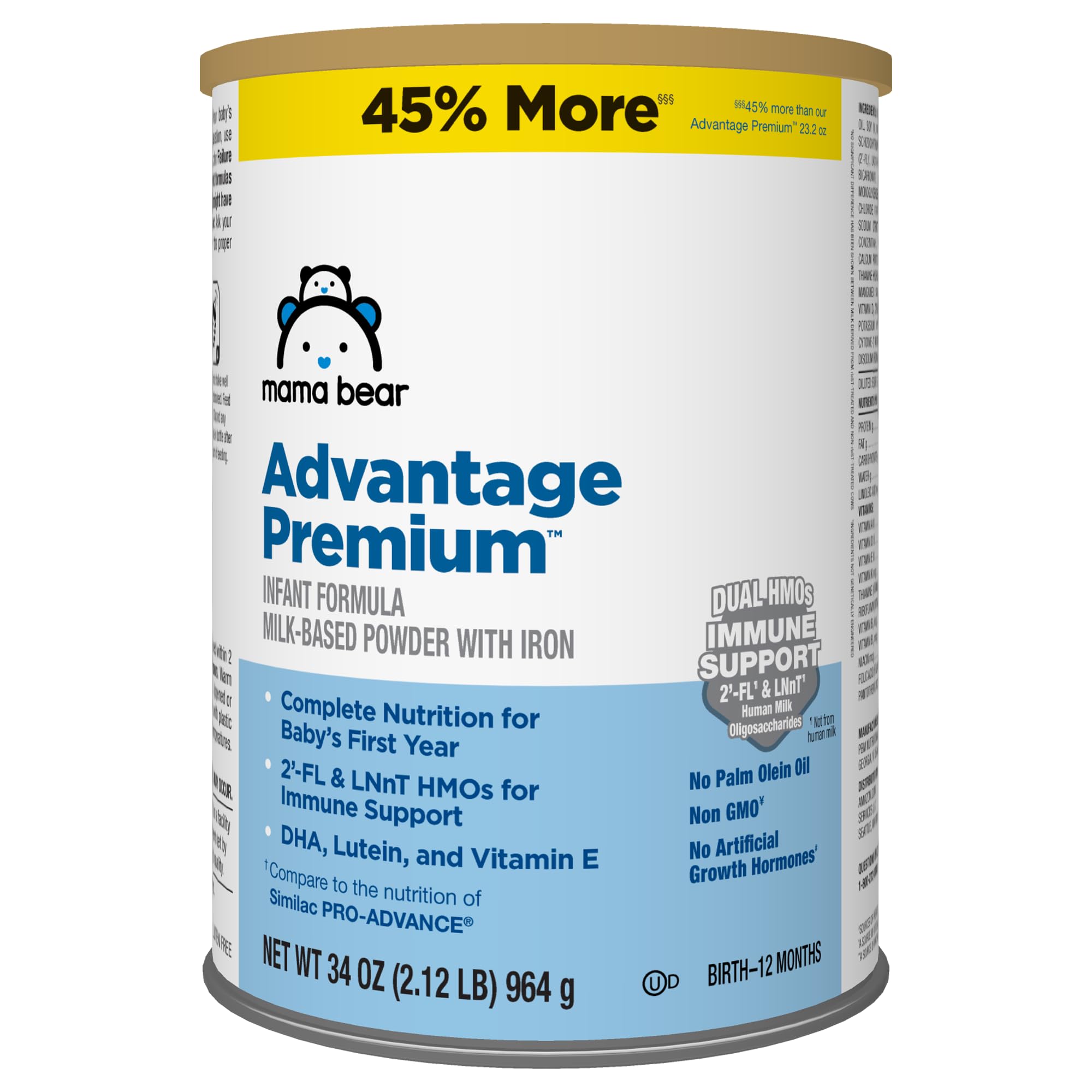
Mama Bear Advantage Premium is a budget-friendly workhorse that doesn’t sacrifice nutritional science. Its key differentiator is the inclusion of dual human milk oligosaccharides (HMOs) — 2’-FL and LNnT — which are prebiotics naturally found in breast milk that feed beneficial gut bacteria. This makes it a strong contender for supporting both immune function and digestive health during mixed feeding.
This formula is designed to match the nutrition of premium national brands, and reviews confirm that babies transition from Similac or Enfamil without any protest or digestive upset. The standard milk-based recipe includes iron, DHA, lutein, and vitamin E. It mixes easily in warm water, and the large 34-ounce canister provides excellent value per feeding. The scoop is also designed to rest in a convenient built-in holder.
It is non-GMO and free of artificial growth hormones and palm olein oil. Many parents have successfully switched from name-brand options, saving significantly over time. The only practical consideration is that the formulation is Perrigo-made, which is the same manufacturer behind many store-brand formulas — consistency is generally excellent, but batch-to-batch variation can occur.
Why it’s great
- Dual HMOs (2’-FL & LNnT) for immune support
- Large 34 oz canister provides excellent value
- Baby accepts it easily from breast milk
Good to know
- Can cause constipation in very sensitive babies
- Perrigo-made; slight batch variation possible
3. Mama Bear Gentle Premium Baby Formula

When your baby struggles with gas, fussiness, or excessive crying after feeds, a gentle formula can save the day. Mama Bear Gentle uses partially hydrolyzed proteins, meaning the proteins are broken down into smaller pieces that are easier for tiny tummies to digest. This is a common approach used in leading gentlease formulas, and it works well here at a lower cost.
Reviews highlight a noticeably calm feeding experience after switching to this formula. Babies who previously cried inconsolably after bottle feeds settled down, with reduced gas and less spit-up. The formula includes DHA and choline for brain development, plus a gentle immune blend of vitamins and minerals. It mixes smoothly without clumps and has a mild, inoffensive smell.
The 21.5-ounce can is a practical size for trial or regular use. It’s non-GMO, gluten-free, and certified kosher. Some parents note that if a baby is extremely sensitive, this formula (like most gentle options) may still cause a slight increase in spit-up compared to a completely hydrolyzed formula. However, for the majority of families dealing with common feeding discomfort, this is a powerful, affordable solution.
Why it’s great
- Partially hydrolyzed proteins for easy digestion
- Reduces gas, fussiness, and crying
- Non-GMO, gluten-free, certified kosher
Good to know
- Contains corn syrup solids as carbohydrate
- May not be suitable for extremely sensitive babies
4. Bobbie Organic Gentle Baby Formula

Bobbie Organic Gentle offers a premium organic solution for mixed feeding, distinguished by its use of 100% lactose as the sole carbohydrate source. This is a major advantage for babies transitioning from breast milk, as lactose is the primary carbohydrate in human milk. The formula completely avoids corn syrup, maltodextrin, and sucrose, aligning with the clean-label ethos many parents seek.
It is USDA Organic and Clean Label Project Certified, undergoing over 2,000 quality checks per batch. The gentle formulation uses smaller milk proteins designed to support digestion and reduce fussiness, gas, and tears. Reviews from lactation consultants recommend it specifically for its low-additive profile, and parents report that babies accept it eagerly, often preferring it over other gentle formulas.
The 14.1-ounce canister is on the smaller side, which is fine for a trial, but may be less convenient for long-term use. Some parents note that while the ingredients are identical to the standard Bobbie Organic formula, the “Gentle” branding can cause confusion. The price per ounce is higher than store-brand alternatives, but the organic certification and clean ingredients justify the cost for families prioritizing purity.
Why it’s great
- 100% lactose — mimics breast milk closely
- USDA Organic & Clean Label Project Certified
- 2,000+ quality checks per batch
Good to know
- Small 14.1 oz canister
- “Gentle” packaging can be confusing
5. Happy Baby Organics Stage 1 Infant Formula

Happy Baby Organics stands out as the only USDA organic formula in this lineup that includes a patented blend of both probiotics and prebiotics. This dual-action approach is clinically shown to support softer, more regular poop patterns and help the gut microbiome more closely resemble that of a breastfed infant. For parents dealing with constipation during mixed feeding, this is a targeted solution.
The formula is made in Europe and certified USDA and EU organic, ensuring high ingredient standards. It provides expert-recommended DHA levels that meet European requirements, and it tailors key nutrient levels as your baby grows — a feature unique among organic formulas in this class. Parents report incredibly smooth transitions from breast milk, with no gas, constipation, or digestive upset.
The 22.9-ounce canister provides a good amount of formula for the price, and a subscription option helps ensure you never run out. One minor practical point: the formula has a slightly more distinct smell compared to some others, though reviews overwhelmingly describe it as pleasant. For babies with sensitive tummies or those prone to constipation, this is a top-tier recommendation.
Why it’s great
- Probiotics & prebiotics for gut health
- USDA & EU organic, made in Europe
- Tailored nutrient levels as baby grows
Good to know
- May have a more distinct smell
- Higher price point than store brands
FAQ
How do I introduce formula when my baby has only had breast milk?
Should I use a formula with 100% lactose for mixed feeding?
Can I change formula brands once my baby is used to one?
Final Thoughts: The Verdict
For most families, the best formula to mix with breast milk is the Bobbie Grass Fed Whole Milk Formula because its 60:40 whey-to-casein ratio and clean ingredient list closely mirror the composition of breast milk, providing the smoothest transition. If you want superior digestive support with added probiotics and prebiotics, grab the Happy Baby Organics Stage 1. And for a budget-friendly option that delivers dual HMOs for immune health, nothing beats the Mama Bear Advantage Premium.