
The difference between a great dive and an exhausting one often comes down to what is strapped to your feet. Freediving fins are not snorkeling accessories; they are precision tools engineered to convert every calorie of energy into forward thrust while keeping your oxygen consumption low. A poorly matched fin blade—too stiff for your leg strength or too long for your technique—will burn through your bottom time before you ever reach the reef.
I’m Mohammad Maruf — the founder and writer behind Drink4Good. I spend my time dissecting polymer blends, foot pocket geometries, and blade stiffness curves to understand what separates a mid-range workhorse from a premium performer in the water.
Whether you are hunting for your first pair of long blades or upgrading from rental gear, finding the right set is critical. This guide breaks down the top models available, helping you identify the best freediving fins that match your dive profile, body type, and experience level.
How To Choose The Best Freediving Fins
Selecting freediving fins requires understanding the trade-off between power and efficiency. A stiff, long blade can generate immense thrust but will drain your legs quickly if your technique is not dialed in. A softer, shorter blade is more forgiving but may leave you wishing for more speed on deeper drops. Your body weight, ankle flexibility, and typical dive depths all play a role in finding the right balance.
Blade Material and Stiffness
Freediving fins are commonly made from plastic, fiberglass, or carbon fiber. Entry-level plastic fins use thermoplastic polymers that offer a consistent flex pattern. Mid-range options often blend polypropylene with elastomers to create a responsive blade that matches effort with thrust. Fiberglass and carbon fiber provide the best energy return but come at a higher cost and can be brittle if handled carelessly. The stiffness rating—soft, medium, or hard—should match your leg strength and dive style. Novice divers usually benefit from soft or medium blades that forgive imperfect kicking form.
Foot Pocket Design and Fit
The foot pocket is the direct interface between your body and the blade. A poorly fitting pocket wastes energy through slippage and can cause blisters that ruin a day of diving. Look for pockets made from soft thermoplastic rubber that molds to your foot shape. Many pockets are designed to be worn with neoprene socks, so consider sizing up if you plan to use thick booties for cold water. Premium fins often feature an anatomical pocket with a 20-degree blade angle, which aligns your natural kick motion for more efficient thrust.
Blade Length and Surface Area
Longer blades generate more thrust per kick but create more drag and require more effort to initiate. Standard freediving blades range from 65 cm to 80 cm. Shorter blades around 65 cm offer better maneuverability and are easier to pack for travel. Longer blades above 75 cm excel in deep diving where sustained power is needed. The blade’s surface area also matters: a wider blade pushes more water but can be tiring on your ankles. Consider where you will be diving most often—open ocean, calm lakes, or strong currents—before committing to a specific length.
Quick Comparison
On smaller screens, swipe sideways to see the full table.
| Model | Category | Best For | Key Spec | Amazon |
|---|---|---|---|---|
| SEAC Motus | Premium Plastic | Interchangeable blade versatility | 22° blade angle | Amazon |
| Cressi Gara Professional LD | Mid-Range Long Blade | Effortless deep diving | Soft elastomer polypropylene blade | Amazon |
| SCUBAPRO Seawing Nova | Premium Open Heel | Efficient leg-saving power | Articulated pivot blade | Amazon |
| Apeks RK3 Military | Premium Rubber | Extreme durability and frog kicks | Vented short wide blade | Amazon |
| Mares Avanti Quattro+ | Premium Scuba/Freedive | Efficient channel thrust | Four-channel channel thrust design | Amazon |
| Cressi Gara 2000 HF | Mid-Range Long Blade | Skin diving with reactive power | Polypropylene reactive blade | Amazon |
| Seac Talent | Mid-Range Plastic | Stiff propulsion for experienced divers | Thermoplastic techno polymer blade | Amazon |
| SCUBAPRO Jet Sport | Mid-Range Adjustable | Drag reduction and stability | Three-material blade with vents | Amazon |
| Cressi Reaction Pro | Entry-Level Full Foot | Budget-friendly snorkeling to freedive entry | Blade starts above foot pocket | Amazon |
In‑Depth Reviews
1. SEAC Motus Freediving Fins
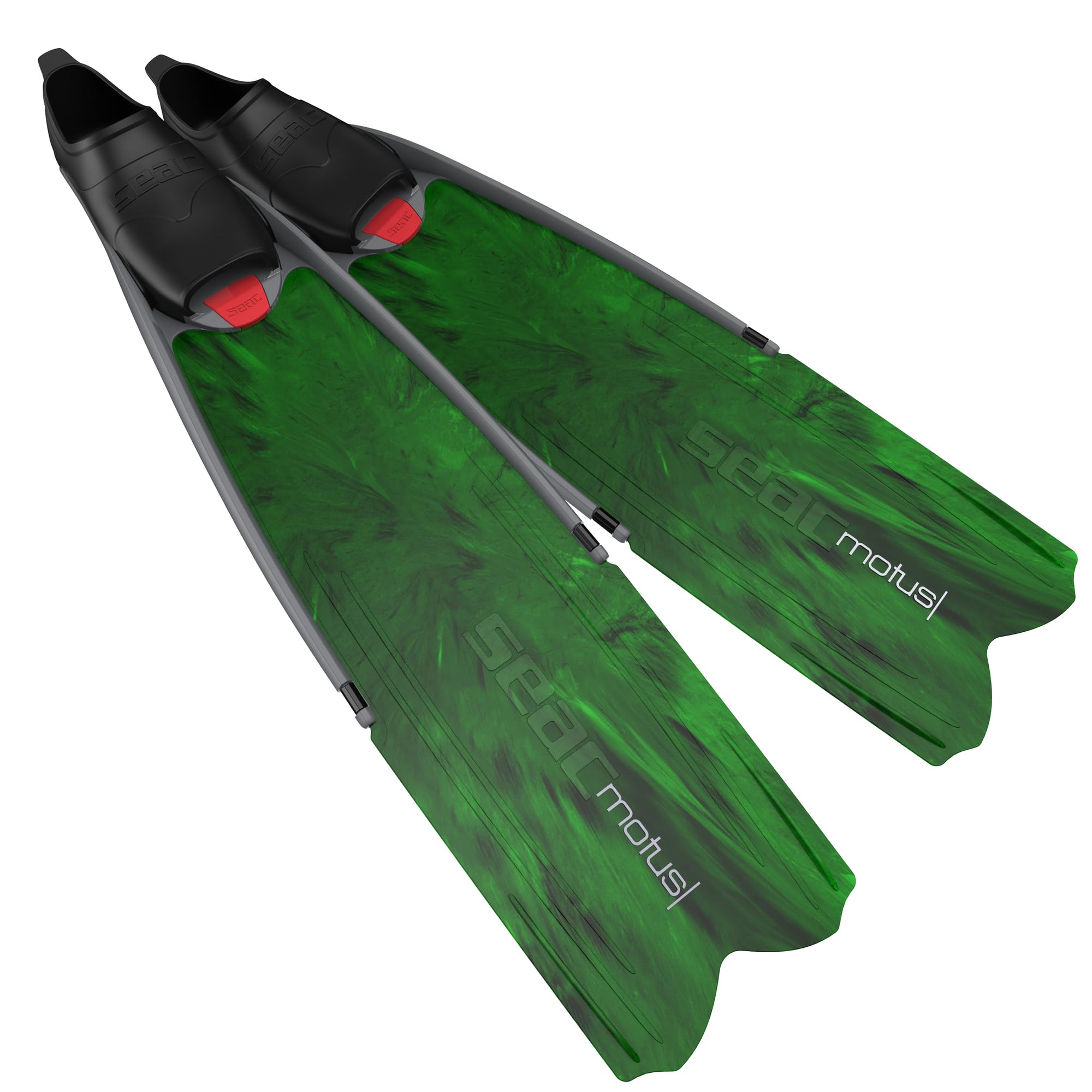
The SEAC Motus stands out for its interchangeable blade system, a feature typically found in higher-priced fins. The special techno polymer blade maximizes flexibility and reactivity, while the 22-degree angle between the blade and foot pocket optimizes thrust with less leg effort. This design makes it a versatile option for divers who want to experiment with different blade stiffnesses without buying a whole new pair of fins.
The hard thermoplastic rubber foot pocket uses a dual-material density construction to provide a secure fit that transfers power directly to the blade. The fin is built in Italy and reflects careful attention to the foot pocket geometry. Many experienced divers compare the responsiveness of the Motus to that of entry-level carbon blades, making it a smart mid-range investment with room to grow as your skills improve.
One note: the sizing runs large, so you will likely need to drop down one full size, especially if you plan to wear thick neoprene socks. The blade edges may show minor fraying from pool use, but the material holds up well with basic freshwater rinsing after each dive. If you want one fin that can adapt to different freediving conditions, the Motus delivers serious value.
Why it’s great
- Interchangeable blades let you tune stiffness
- 22-degree blade angle reduces fatigue
- High-quality Italian construction
Good to know
- Runs about one size large
- May cause blisters without dive socks
2. Cressi Gara Professional LD Long Blade Fins

The Gara Professional LD is designed for divers who want the reach of a long blade without the leg-burning stiffness that often comes with it. The blade is made from a special elastomer polypropylene blend that delivers a softer, more fluid kick. This makes the LD an excellent choice for deep freediving and spearfishing where sustained effort over multiple dives is the norm.
The foot pocket is sculpted from a particularly soft elastomer that increases comfort even during long sessions. The blade runs over the top of the foot pocket, which maximizes the effective surface area and translates each movement into forward motion with minimal energy dispersion. This design philosophy is why the Professional LD has earned a strong reputation among divers who prioritize endurance over raw speed.
The trade-off is that the long blade can break the surface during snorkeling, causing splash and loss of momentum. Also, the foot pocket runs slightly large, so plan on wearing 5mm neoprene socks for a snug fit. If your goal is to spend more time underwater and less time fighting your gear, the Gara Professional LD is a worthy partner.
Why it’s great
- Soft long blade reduces leg fatigue
- Excellent for multiple deep dives
- Comfortable foot pocket for long use
Good to know
- Long blade may splash during surface swimming
- Hard to put on without neoprene socks
3. SCUBAPRO Seawing Nova Diving Fins

The Seawing Nova is an open-heel fin that uses an articulated joint to let the blade pivot independently. This design means the entire blade surface is always generating thrust at the optimal angle, regardless of whether you are using a soft flutter kick or a powerful frog kick. The variable pivot control ribs adjust the blade attack angle automatically, which significantly reduces leg strain over long dives.
Made from Monprene, the Seawing Nova is effectively indestructible in normal use. The wing tips curve upward to improve stability at higher speeds, a thoughtful detail for freedivers who need to maintain a straight track. The marine-quality bungee heel strap with a custom adjustment system makes entry and exit simple, even when wearing thick gloves in cold water.
The biggest challenge is sizing: the foot pocket runs narrow and can press uncomfortably on the top of the foot for some users. If you have narrow feet, this fin may be a perfect fit, but those with wide feet should test before committing. For divers who want effortless power and are willing to navigate the sizing, the Seawing Nova is a top-tier choice.
Why it’s great
- Articulated blade delivers constant optimal thrust
- Extremely durable Monprene material
- Bungee strap system is easy to use
Good to know
- Foot pocket runs narrow
- Sizing can be difficult to nail
4. Apeks RK3 Military Rubber Fin
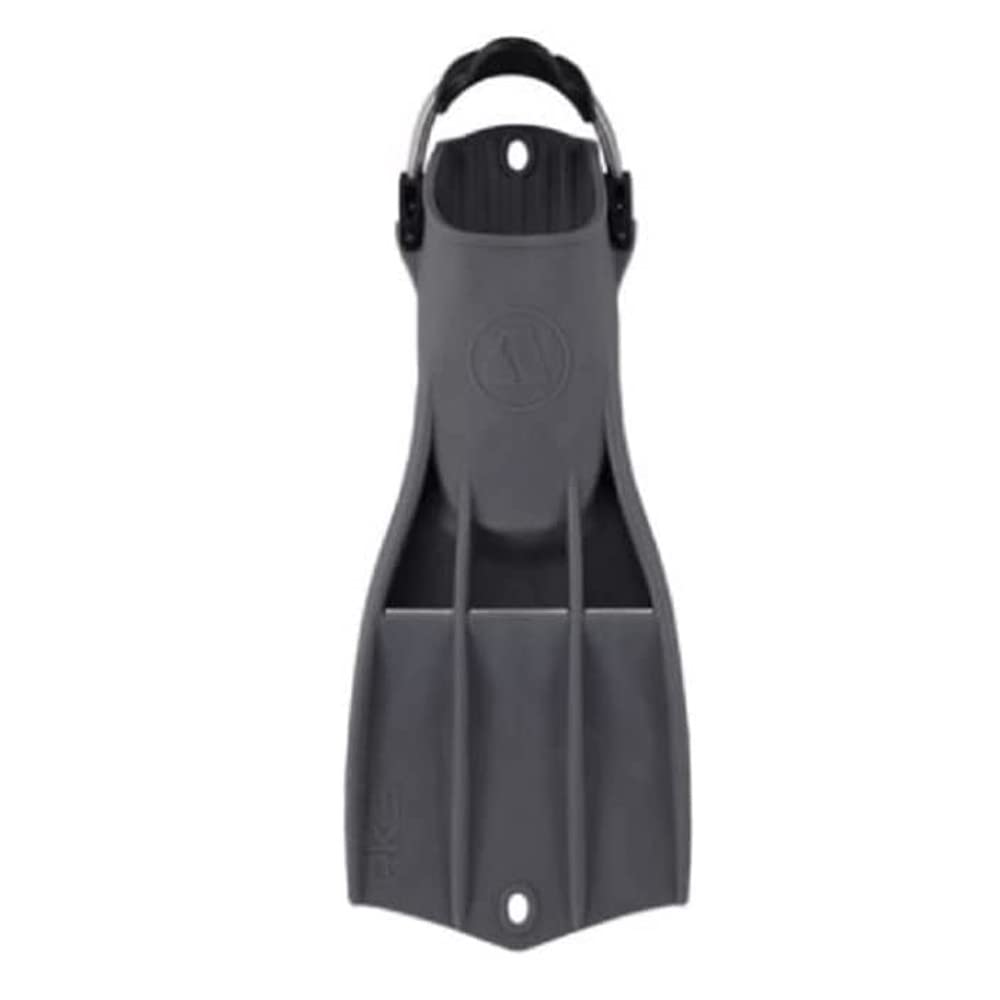
The Apeks RK3 has been standard issue for military and professional divers for decades, and that track record alone speaks to its reliability. The short, wide blade uses a vented design that reduces resistance on the upstroke and maximizes thrust on the downstroke. This makes the RK3 particularly effective for frog kicks and other low-silhouette kick styles used in technical diving.
The foot pocket has been improved with adjustable stainless steel spring straps that are easy to operate even with cold hands or thick gloves. The rubber construction is ultra-rugged yet compact enough to be travel-friendly. Holes molded into the foot pocket allow you to clip the fins to your BC, a smart feature for photographers and technical divers who need to stow gear quickly.
At around six pounds, these are heavier than plastic alternatives, but the added mass translates to a solid feel in the water. The RK3 is also neutrally buoyant, so the weight does not drag you down. If you dive in harsh environments or need a fin that can take a beating, the RK3 is the tank of the freediving fin world.
Why it’s great
- Vented blade reduces effort on the upstroke
- Spring straps are easy to use with gloves
- Extremely durable military-grade rubber
Good to know
- Heavier than plastic fins
- Foot pocket is wide by design
5. Mares Avanti Quattro+ Diving Fins

The Avanti Quattro+ uses a four-rib structure that creates an arched shape during each kick stroke, converting muscle energy into efficient thrust. The Channel Thruster inserts on the blade enhance water flow, pushing more water with each kick without requiring extra effort. This design is particularly effective for divers who want powerful propulsion without overloading their legs.
The foot pocket is made from soft thermoplastic rubber, while the blade uses Mares’ durable Tecralene material. The bungee heel strap with a removal handle makes it easy to slip on and off, a major convenience when you are gearing up on a rocking boat. The perforated foot pocket reduces the parachute effect, allowing smooth, unhindered movement through the water.
These fins are built for moderate leg strength. They offer excellent thrust and sculling ability, but very weak legs may find them tiring over multiple dives. The white color also scuffs easily when packed with black rubber gear. For freedivers who also scuba dive and want one pair of fins that handles both well, the Avanti Quattro+ is hard to beat at its price point.
Why it’s great
- Four-rib channel design delivers efficient power
- Bungee strap is quick and convenient
- Versatile for scuba and freediving
Good to know
- White color scuffs easily
- Requires moderate leg strength
6. Cressi Gara 2000 HF Free Diving Reactive Long Fins

The Gara 2000 HF was the world’s first fin to combine three different materials in a single blade. The result is a fin with a reactive polypropylene core that provides snap and lightness, while a soft elastomer wraps the foot for perfect energy transmission. This combination gives the Gara 2000 a distinct feel: stiff enough for powerful thrust but with just enough flex to avoid shocking your knees.
This fin is specifically designed for deep skin-diving. The full foot pocket can be worn comfortably with or without neoprene socks, making it a flexible choice for a range of water temperatures. The blade originates from the upper part of the foot pocket, increasing the effective surface area by 20 percent compared to a traditional fin of the same length.
The stiffness means it is not the best choice for beginners. Those with solid leg strength and clean technique will get the most out of the Gara 2000 HF. Sizing can also be tricky—many users find they need to order a size smaller than their regular shoe size. For experienced freedivers who want pure reactive power, this is a classic that still holds its own against newer designs.
Why it’s great
- Three-material blend for reactive power
- 20% more blade surface area
- Wearable with or without socks
Good to know
- Stiff blade is not beginner-friendly
- Sizing runs large
7. Seac Talent Mid-Long Fins
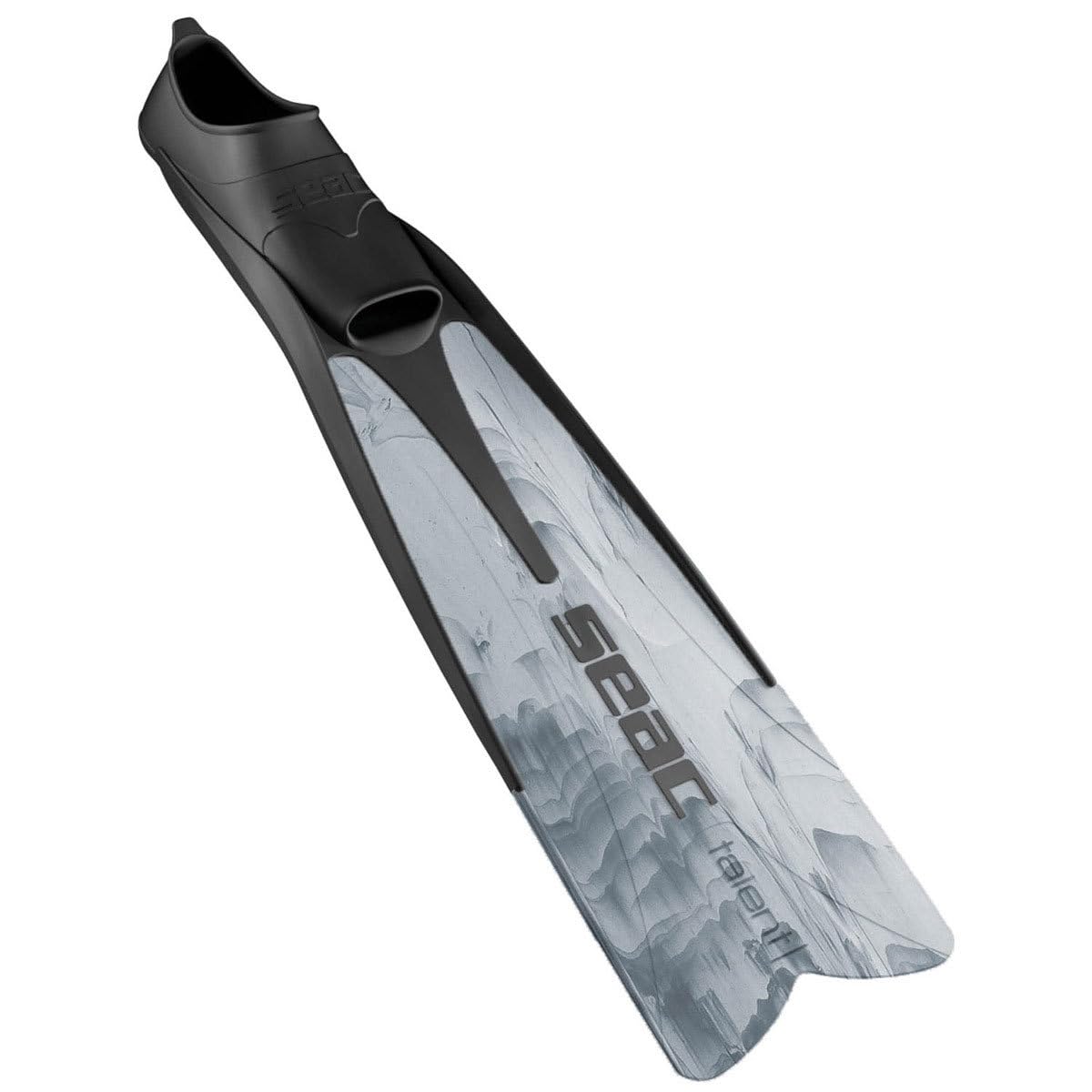
The Seac Talent fins are built for divers who have already developed solid technique and want a stiff blade that delivers maximum power transfer. The thermoplastic techno polymer blade is engineered for efficient energy conversion, meaning every kick sends you forward without wasted motion. The mid-long blade length hits a sweet spot between the reach of long blades and the maneuverability of shorts.
The full foot pocket is made from thermoplastic rubber that molds to your foot for a comfortable, secure fit. The enhanced stiffness design provides powerful thrust while minimizing fatigue, which sounds contradictory until you feel how cleanly these fins cut through the water. The camo grey color pattern is subtle enough to avoid spooking fish during spearfishing.
These fins run large, so size down, especially if you plan to wear 2mm boots. They also require some leg strength to get the most out of them—beginners may find them exhausting. If you are comfortable with a stiff blade and want a fin that rivals entry-level carbon models in speed, the Seac Talent is a worthy investment.
Why it’s great
- Stiff techno polymer blade for maximum power
- Mid-long length balances reach and control
- Durable construction with good energy return
Good to know
- Runs large; size down
- Not suitable for inexperienced divers
8. SCUBAPRO Jet Sport Adjustable Diving Fin

The Jet Sport from SCUBAPRO features a slightly stiff three-material blade that produces propulsive kicking power without feeling like a board strapped to your foot. The drag-reducing vents decrease resistance on both the up and down strokes, which helps maintain energy over longer dives. This fin is a good choice for divers who want a manageable level of power without committing to a long blade.
The adjustable open-heel design with quick-release buckles makes the Jet Sport easy to put on and take off, even when you are wearing thick neoprene boots. The ergonomic foot pocket molds to your foot over time, providing all-day comfort. The small sizing is also a big plus for divers with smaller feet who often struggle to find fins that fit securely.
While not a dedicated freediving blade, the Jet Sport works well for shallow freediving and underwater hockey where maneuverability matters more than pure depth. It is heavier than full-foot plastic fins, which can be a drawback when packing for a trip. For a fin that doubles as a reliable scuba fin and handles freediving entry, the Jet Sport is a solid all-rounder.
Why it’s great
- Vents reduce effort on both kick strokes
- Adjustable open-heel fits over booties
- Small sizes available for smaller feet
Good to know
- Heavy compared to full-foot plastic fins
- Not ideal for deep freediving
9. Cressi Reaction Pro Full Foot Pocket Fins

The Cressi Reaction Pro is a full-foot pocket fin that punches above its weight class. The non-vented blade uses a patented three-material molding process to deliver a blade that is supple at the foot pocket and rigid toward the tip. This design increases the effective surface area by 20 percent compared to a traditional fin of the same length, giving you more water push per kick.
The foot pocket sits beneath the blade, which adds power and efficiency by keeping your kick aligned with the blade’s centerline. Built in Italy with Cressi’s decades of experience, the Reaction Pro offers a comfortable fit for both snorkeling and entry-level freediving. The plastic construction is durable enough for rocky shore entries, and the fins weigh only 830 grams per pair, making them easy to pack.
The main drawback for freediving is that the long blade can be prone to cracking during air travel if packed carelessly. The fins also run 26 inches long, which may exceed standard luggage dimensions. For a budget-friendly entry into freediving fin performance, the Reaction Pro is a great starting point that will not hold you back as you improve.
Why it’s great
- 20% more blade surface area than standard fins
- Lightweight at 830 grams per pair
- Comfortable foot pocket for long sessions
Good to know
- Blade plastic may crack in luggage
- 26-inch length is bulky to pack
FAQ
Should I choose a full foot pocket or an open heel fin for freediving?
How do I know if I need a soft, medium, or hard blade?
Should I size up or down for freediving fins?
Final Thoughts: The Verdict
For most users, the best freediving fins winner is the SEAC Motus because its interchangeable blade system lets you adapt stiffness as your skills progress, while the 22-degree angle reduces leg fatigue on every dive. If you want a long, soft blade that makes deep diving feel effortless, grab the Cressi Gara Professional LD. And for brutal durability and frog kick efficiency in harsh conditions, nothing beats the Apeks RK3 Military.