
The French horn is the most notoriously difficult brass instrument to play consistently, and your mouthpiece is the single point of contact between your embouchure and the instrument. A poorly matched mouthpiece turns every slurred passage into a landmine of cracked notes and buzzy, unfocused tone, while the right rim, cup, and backbore combination makes those wide interval leaps feel effortless and your sound bloom with color.
I’m Mohammad Maruf — the founder and writer behind Drink4Good. I’ve spent years analyzing the intricate manufacturing tolerances, rim contour geometry, and cup depth ratios that separate an average mouthpiece from one that gives a player real dynamic control.
To help you bypass the guesswork, I’ve assembled the definitive guide to the best french horn mouthpiece for every player level and budget, from the student battling partials to the professional refining their orchestral palette.
How To Choose The Best French Horn Mouthpiece
Selecting a French horn mouthpiece is a deeply personal process that depends on your lip shape, current skill level, and the specific sound you want to produce. Unlike trumpet or trombone mouthpieces, horn mouthpieces are typically smaller in diameter and use a radically different cup profile to accommodate the instrument’s narrow- bore leadpipe and conical construction. Getting this wrong means fighting your equipment for every note.
Avoid the Beginner Trap of “One Size Fits All”
Many educators and budget buyers grab the ubiquitous Bach 7C trumpet mouthpiece, assuming it works for horn too. It doesn’t. A trumpet mouthpiece’s sharp rim edge and shallow cup leads to a thin, pinched sound on the horn and causes rapid embouchure fatigue. Stick to purpose-built horn mouthpieces with a gentle rim profile and a cup depth measured for the horn’s resistance. A student-model mouthpiece like the Yamaha 30C4 provides a safe, playable starting point.
Understand Your Rim Diameter and Cup Shape
The inner rim diameter is the single most important fit factor. A size 32 (around 17.48mm) gives more lip freedom and volume, while a size 30 (around 17.28mm) offers faster response and upper-register stability. For cup shape, a U-shaped cup delivers a warm, dark tone typical of German-style playing, while a funnel or V-shaped cup (like the Denis Wick Paxman) yields a brighter, more focused “American” sound with less resistance. If you struggle with slurring through the upper midrange, try a V-type backbore for improved air column stability.
Quick Comparison
On smaller screens, swipe sideways to see the full table.
| Model | Category | Best For | Key Spec | Amazon |
|---|---|---|---|---|
| Denis Wick PAX-6 | Premium | Advanced Players & Pros | V-type backbore, 17.25mm cup | Amazon |
| Yamaha 32C4 | Mid-Range | All-Round Volume | 17.48mm diameter, U cup | Amazon |
| Yamaha 30C4 | Mid-Range | Fast Response | 17.28mm diameter, U cup | Amazon |
| Holton Farkas H2850MDC | Mid-Range | Comfort & Buzz Practice | Medium cup, thinner rim | Amazon |
| Holton Farkas H2850MC | Mid-Range | Young Players | All-purpose rim profile | Amazon |
| Bach 7C | Entry Level | Trumpet (not ideal for Horn) | 16.20mm cup diameter | Amazon |
| Denis Wick 4AL | Premium | Trombone (not ideal for Horn) | Barrel backbore, large shank | Amazon |
In‑Depth Reviews
1. Denis Wick Paxman PAX-6
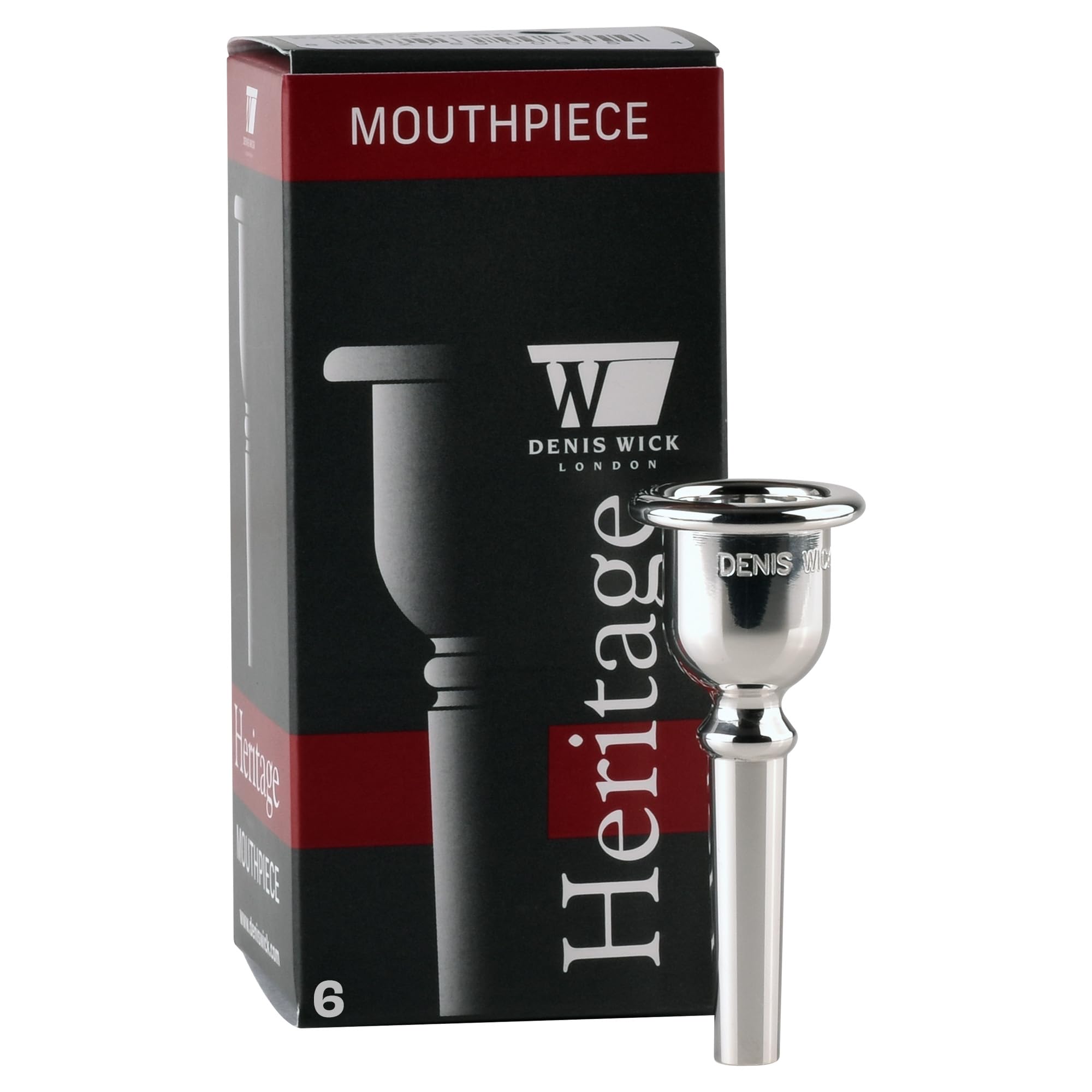
The Denis Wick Paxman PAX-6 is the most refined horn mouthpiece in this lineup, designed through direct collaboration with top orchestral players. Its V-type backbore creates a balanced airflow column that reduces the infamous “partial splitting” problem — a game-changer for advanced players who need reliable articulation across wide interval leaps. The inner rim diameter of 17.25mm sits in the sweet spot for most adult players, offering enough lip surface for endurance without sacrificing flexibility.
The cup geometry leans toward a funnel shape with extra mass near the shank, which focuses the sound and pushes projection without the ring becoming harsh. Players upgrading from a shallow student mouthpiece report an immediate “opening up” of their tone in both the low and high registers. The throat measures 4.50mm, providing generous airflow for dramatic dynamic shifts during orchestral passages.
Rim comfort is excellent thanks to the thinned inner rim wall — pressure feels distributed rather than sharp. The thicker outer rim adds just enough grip to keep the embouchure anchored during long practice sessions.
Why it’s great
- V-type backbore virtually eliminates note instability
- Focused, projecting tone that cuts through an ensemble
- Comfortable rim for extended playing without fatigue
Good to know
- Larger rim feel may require short adaptation from previous mouthpiece
- Premium tier investment — best suited for intermediate to pro players
2. Yamaha 32C4

The Yamaha 32C4 offers the widest inner rim diameter in this selection at 17.48mm, giving your lips maximum room to vibrate and produce a big, voluminous sound. This is an ideal middle ground for players who feel cramped by narrower rims but don’t want to sacrifice articulation. The semi-flat rim profile provides excellent tactile feedback — you always know exactly where the rim sits on your lip, which is especially helpful during fast articulations.
The standard U-shaped cup delivers a rich, warm tone that projects well in concert halls. Extra-thick silver plating is standard across the entire Yamaha Standard Series, adding longevity and a smooth surface that won’t irritate lips during long rehearsals. Many users report it works beautifully as a primary mouthpiece even when purchased as a spare, and it fits every standard French horn shank without wobble.
Where the 32C4 really shines is in the low and middle registers — it allows broad, dark sound production without extra effort. The trade-off is slightly less immediate response in the high range compared to narrower cups, but for section playing in band or orchestra, this is rarely a problem. It’s a fantastic all-rounder for high school through college-level players.
Why it’s great
- Wide 17.48mm rim offers maximum volume and comfort
- Thick silver plating ensures excellent durability
- Semi-flat rim gives clear tactile embouchure feedback
Good to know
- Upper register requires slightly more air support
- Best suited for players with medium to larger lip fits
3. Yamaha 30C4
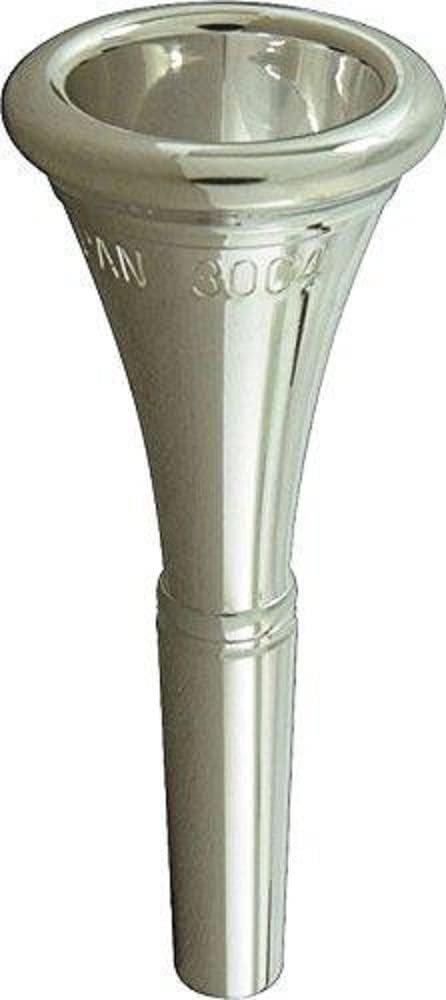
The Yamaha 30C4 is the slightly narrower sibling of the 32C4 at 17.28mm, built for players who prioritize lightning-fast response and a crisp, clear tone. The U-shaped cup is designed to allow the air column to form quickly, which is ideal for students still developing their embouchure and for advanced players working on precision in the high register. It’s often the mouthpiece recommended by professors for college hornists because it strikes an excellent balance between playability and tonal development.
Response in the upper midrange is noticeably cleaner than on wider rims, making exposed entrances above the staff feel more secure. The semi-flat rim provides consistent contact without digging into the lip, and the standard backbore offers good resistance for horn players who like to “feel” the air column before each note. The thick silver plating is identical to the 32C4, so durability is not a concern.
For beginners and advancing students, this mouthpiece reduces the frustration of split notes without sacrificing tonal quality. It’s a forgiving design that still rewards proper air support. If you’re looking for a reliable practice and performance mouthpiece that won’t wear you out, the 30C4 is the smart choice.
Why it’s great
- Excellent upper register stability and clarity
- Fast response great for developing students
- Comfortable rim reduces lip fatigue over long sessions
Good to know
- Slightly less low-end volume than the 32C4
- Some beginners may find it too responsive initially
4. Holton Farkas H2850MDC

The Holton Farkas H2850MDC carries the legacy of the legendary Philip Farkas, principal hornist of the Chicago Symphony. This mouthpiece features a medium cup with a thinner rim that feels noticeably less bulky than the Yamaha alternatives. That thinner rim makes it far more comfortable for players with a smaller mouth or tighter lip aperture — ideal for buzzing practice and extended daily use without developing a sore ring around the lips.
Users consistently report that the H2850MDC improves tone quality in the low register, adding a roundness that many generic student mouthpieces lack. The response across the entire range is sensitive and controllable, rewarding good breath support with a warm, centered sound. It’s not as loud or projecting as the Yamaha 32C4, but it offers superior articulation clarity for detailed solo work.
Where this mouthpiece truly stands out is comfort during long rehearsals. Many teachers recommend it for students who complain of lip pain from stock mouthpieces. One minor caveat: the thinner rim can feel “sharp” for players used to a semi-flat profile, but most adapt within a week. The classic Farkas design has been a benchmark in horn mouthpieces for decades, and this iteration honors that legacy.
Why it’s great
- Very comfortable thinner rim for long sessions
- Excellent low register warmth and tone
- Classic Farkas design trusted by generations of players
Good to know
- Thinner rim requires slight adaptation for some players
- Less projecting than some wider-rim alternatives
5. Holton Farkas H2850MC

The Holton Farkas H2850MC is the all-purpose sibling of the MDC, sharing the same Farkas heritage but with a slightly more standard rim profile. It’s designed as a one-size-fits-most upgrade from the economy mouthpieces that ship with student model horns. The rim has a medium width and a gentle inside curve that feels familiar and non-threatening — perfect for younger players switching from a basic horn mouthpiece for the first time.
Players report that the H2850MC covers the entire range of the horn with surprising ease. It doesn’t excel in any single register over specialized designs, but it provides consistent performance across the board. High school band directors frequently recommend it as the first upgrade because it eliminates the buzzy, unfocused sound of the stock mouthpiece without demanding any adjustment period.
The build quality is solid, with a smooth silver finish that resists tarnishing reasonably well. Some users note it looks better than expected when unboxed, with a clean aesthetic that blends into any horn setup. If you need a reliable, predictable mouthpiece that works out of the box for a growing student, this is it.
Why it’s great
- Immediately comfortable upgrade from stock mouthpieces
- Consistent performance across all registers
- Great for young players and high school musicians
Good to know
- Not as specialized as pro-focused mouthpieces
- May not satisfy advanced players seeking specific tonal color
6. Bach 7C

The Bach 7C is a trumpet mouthpiece through and through, included here only as a cautionary entry. Its inner cup diameter of 16.20mm is far smaller than any standard horn mouthpiece, and the medium cup depth is designed for the trumpet’s shallow bright tone rather than the horn’s dark, complex color. The rim shape is medium-wide with a sharp inside edge that can dig into the embouchure during extended horn playing, causing fatigue and a pinched sound.
For a French horn player, using a 7C restricts the low register significantly, making the horn sound thin and nasally. It lacks the air column volume needed to properly drive a horn’s conical bore. The only scenario where this might be useful is as a temporary practice tool for building a stronger embouchure through resistance — but even then, a purpose-built horn mouthpiece with a narrower rim like the Yamaha 30C4 is a better choice.
If you are a trumpet player who occasionally doubles on horn, the 7C might feel familiar, but you will be fighting your equipment. For anyone focused on French horn, skip this and pick one of the dedicated horn models above.
Why it’s great
- Familiar option for trumpet doublers
- Very affordable entry-level price
Good to know
- Too small for proper French horn sound production
- Sharp rim edge causes discomfort quickly on horn
- Not a dedicated horn mouthpiece
7. Denis Wick 4AL
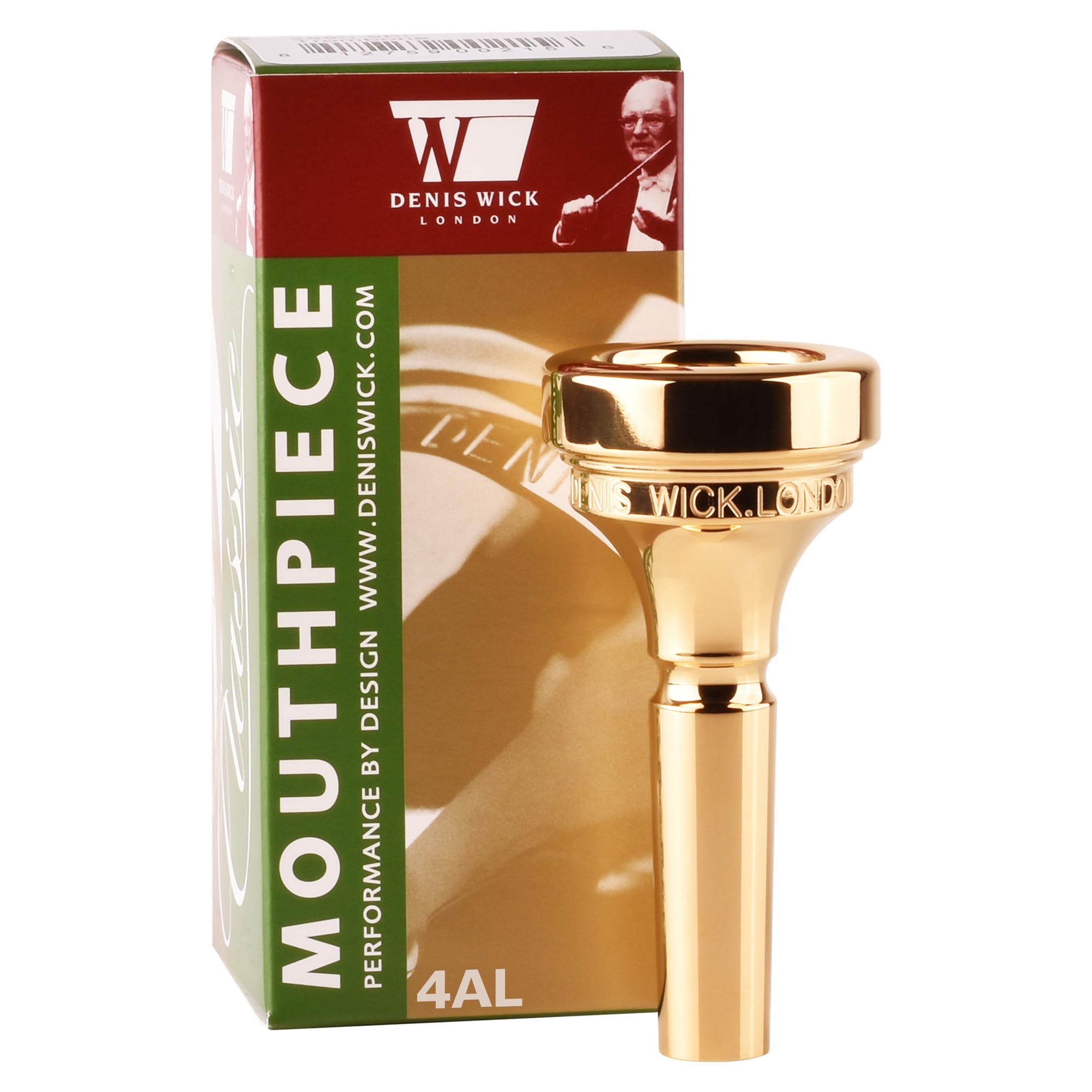
The Denis Wick 4AL is a trombone mouthpiece with a large shank, making it incompatible with standard French horn receivers. Its 1.02-inch cup diameter and barrel backbore are designed for the trombone’s slide-based partial spacing and cylindrical bore, not the horn’s complex overtone series. It is listed here to draw a clear line: high-ticket mouthpieces from other brass families do not cross over to horn use.
The gold plating is beautiful and the build quality is impeccable, but the playing characteristics are all wrong for horn. The cup is too deep and wide, creating a resistance profile that feels muffled and unresponsive. Players who have tried this on a horn report a woolly sound that lacks projection and quick articulation — the exact opposite of what a horn mouthpiece should deliver.
If you happen to own this for trombone or euphonium, keep it there. For horn-specific use, spend your money on the Denis Wick PAX-6 or a Yamaha Standard Series model instead.
Why it’s great
- Premium gold plating and construction
- Excellent for trombone and euphonium players
Good to know
- Large shank incompatible with standard French horn
- Sound and resistance profile wrong for horn usage
FAQ
What cup size should a beginner start with on French horn?
Is a deeper cup better for the low register on the horn?
Can I use a trumpet mouthpiece on a French horn in an emergency?
Final Thoughts: The Verdict
For most players, the best french horn mouthpiece winner is the Denis Wick Paxman PAX-6 because its V-type backbore and precisely balanced dimensions eliminate partial instability and deliver focused, projecting tone across the full range. If you prefer a wider rim for maximum volume, grab the Yamaha 32C4. And for a fast, responsive mouthpiece perfect for students and developing players, nothing beats the Yamaha 30C4.