
Growing fruit trees in containers changes the game for anyone with limited yard space, cold winters, or a desire to rearrange their edible garden seasonally. The challenge isn’t finding a tree that will survive in a pot — it’s finding one that will actually thrive, bloom, and produce meaningful harvests while confined to a container environment.
I’m Mohammad Maruf — the founder and writer behind Drink4Good. This guide is the result of weeks spent cross-referencing dwarfing rootstocks, chill-hour requirements, pot-size compatibility, and real-world customer growth reports to separate the varieties that truly perform in containers from those that merely survive.
Whether you have a sunny balcony, a small patio, or want to overwinter citrus indoors, the right selection makes all the difference — and we’ve gathered the top contenders to help you find the perfect fruit trees for pots.
How To Choose The Best Fruit Trees For Pots
Container fruit growing requires a different approach than in-ground planting. The confined space limits root expansion, nutrient availability, and temperature regulation — so your selection criteria need to prioritize dwarfing genetics, self-fertility, and manageable mature dimensions.
Understand Dwarf and Compact Genetics
The single most important factor in container success is the tree’s growth habit. Full-size fruit trees quickly become root-bound and top-heavy in pots. Look for varieties labeled as “dwarf,” “compact,” or “container-friendly” — these have been bred or selected for restricted root systems and reduced top growth. A tree that naturally maxes out at 2–4 feet will thrive in a 5-gallon pot, while a standard tree will struggle and likely fail to produce fruit.
Prioritize Self-Pollinating Varieties
Space on a patio or balcony is at a premium, so you rarely have room for multiple specimens of the same species. Self-pollinating (self-fertile) fruit trees produce fruit without needing a second tree nearby for cross-pollination. Almost all container-friendly figs, most citrus, and several blueberry cultivars are self-fertile — check the product details before buying to avoid disappointing harvests.
Check Cold Hardiness and Winter Strategy
Container roots are much more exposed to freezing temperatures than in-ground roots. The entire root ball can freeze solid during a cold snap. If you live in hardiness zones below the tree’s outdoor range, you need a plan: either choose a variety that can be moved indoors during winter (like citrus and calamondin) or pick an extremely cold-hardy option (like Chicago Hardy fig, which tolerates zone 5 with protection) and insulate the pot.
Evaluate Mature Height and Pot Size Compatibility
Not all dwarf trees are equally small. Some dwarfs still reach 8–10 feet tall — fine for a large patio but too big for a balcony railing. Match the tree’s mature height to your space: compact figs under 30 inches work on tabletops, while 3–4 foot blueberries and 2–3 foot Meyer lemons suit larger floor pots. Always repot into a container at least 2–4 inches wider than the nursery pot within the first season to prevent root binding.
Quick Comparison
On smaller screens, swipe sideways to see the full table.
| Model | Category | Best For | Key Spec | Amazon |
|---|---|---|---|---|
| Fignomenal Dwarf Fig | Dwarf Fig | Tiny spaces, year-round indoor fruiting | Mature height 30 inches | Amazon |
| Russian Pomegranate | Dwarf Pomegranate | Warm outdoor zones, drought tolerance | Mature height 10 feet | Amazon |
| Chicago Hardy Fig (2-Pack) | Cold-Hardy Fig | Cold zones, container figs under 4 ft | Cold hardy to zone 5 | Amazon |
| Pink Icing Blueberry | Dwarf Blueberry | Ornamental value, edible landscaping | Mature height 3–4 feet | Amazon |
| Meyer Lemon (Garden State Bulb) | Dwarf Citrus | Indoor/outdoor citrus, first-year fruit | Mature height 8–10 feet | Amazon |
| Meyer Lemon (Brighter Blooms) | Dwarf Citrus | Premium indoor citrus, sweeter fruit | Mature height 1–2 feet initial | Amazon |
| Calamondin Tree | Dwarf Citrus | Year-round indoor fruit and fragrance | Year-round blooms | Amazon |
In‑Depth Reviews
1. Fignomenal Dwarf Fig Tree (Greenwood Nursery)
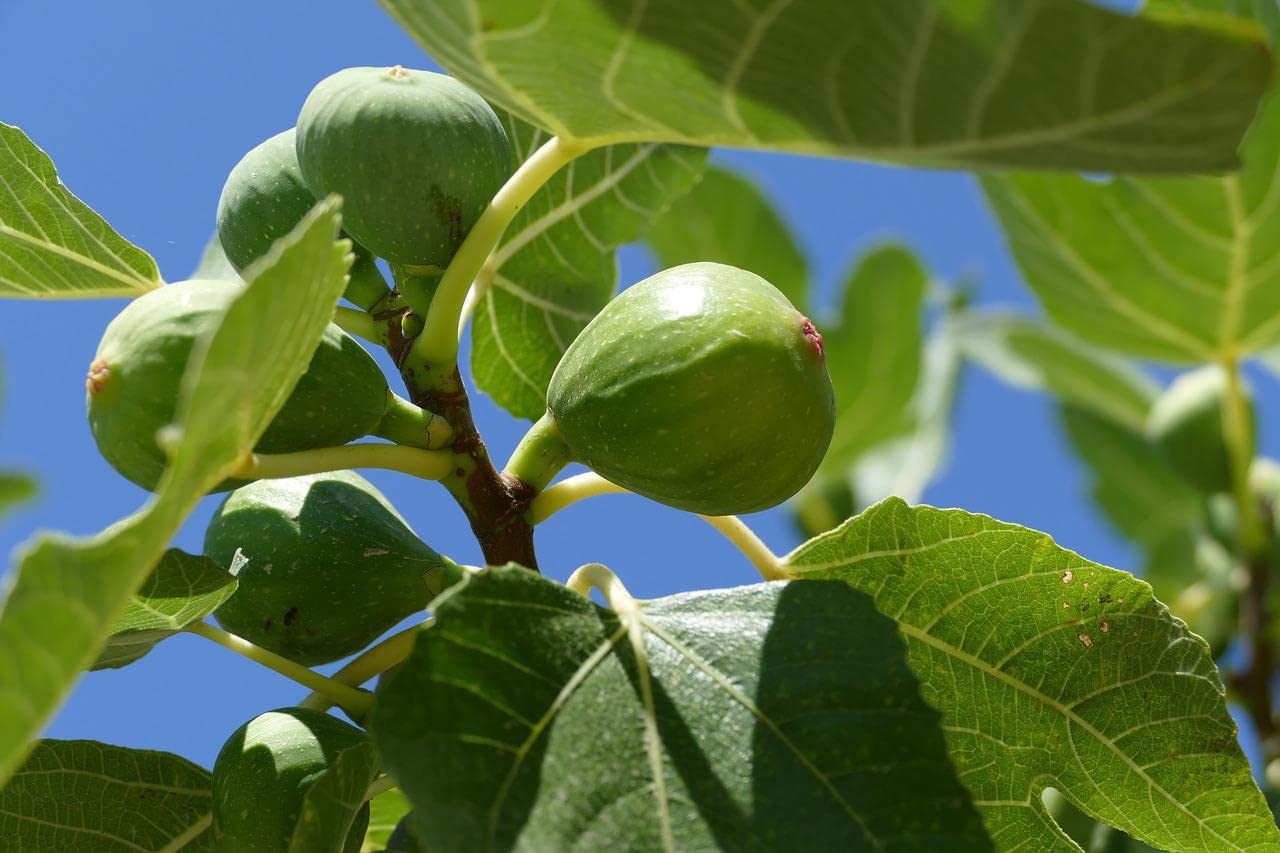
The Fignomenal Dwarf Fig is the closest you’ll get to a true container superstar. Its mature height tops out at just 30 inches — making it viable on a windowsill, balcony table, or small patio without outgrowing its space. The self-fertile genetics mean you get figs without a second tree, and it can flower and fruit year-round when brought indoors during cooler months.
Brown-skinned figs with a pinkish interior deliver the same sweet flavor as full-size fig varieties, just from a plant that stays compact. Outdoor hardiness covers zones 8 to 11, and it can be moved into zones 4 to 7 during warm weather as long as you bring it back inside before temperatures dip into the 60s. The 3.5-inch pot arrival size is small, but buyers consistently report vigorous growth within weeks of repotting.
Greenwood Nursery includes a 14-day guarantee and packs each plant carefully with moist root protection. A few users noted leaf drop on arrival, but the overwhelming majority describe these as among the healthiest online plant purchases they’ve made. For pot growers with limited square footage, this fig is the clear winner.
Why it’s great
- Ultra-compact 30-inch mature height fits any pot
- Self-fertile with year-round fruiting potential
- Can be moved indoors for cold-zone growing
Good to know
- Arrives as a small starter — needs patience for first harvest
- Not suited for permanent outdoor growth below zone 8
- Some reports of leaf loss during shipping
2. Meyer Lemon Tree (Garden State Bulb)

The Meyer Lemon from Garden State Bulb is a top-tier choice for anyone wanting a productive citrus tree in a container. It arrives in a full 1-gallon nursery pot with well-established roots, and many buyers receive trees that already have small lemons developing. The self-pollinating nature means a single tree is all you need for a harvest, and it adapts to both indoor and outdoor placement depending on your climate.
Winter hardiness in zones 8 to 11 outdoors, or zones 4 to 11 when kept as a patio or indoor tree, gives it flexibility across most of the country. The mature height of 8 to 10 feet sounds large, but in a container it stays significantly smaller — especially with occasional pruning. The light requirements are partial sun to partial shade, and it performs well near a bright window indoors.
Buyers consistently praise the robust health of these trees, with deep green foliage and vigorous growth upon arrival. The 1-year limited guarantee from Garden State Bulb adds peace of mind. The only caveat is that this tree cannot ship to Florida, Arizona, California, Texas, or Louisiana due to citrus restrictions — so check your location before ordering.
Why it’s great
- Often arrives with fruit already forming
- Self-pollinating with excellent indoor adaptability
- Backed by a 1-year limited growth guarantee
Good to know
- Cannot ship to several states with citrus restrictions
- 8–10 ft mature height may still require pruning in pots
- Needs very bright indoor light to maintain leaves
3. Chicago Hardy Fig (Easy to Grow, 2-Pack)

The Chicago Hardy Fig is a proven performer for container growers in colder climates. Rated down to zone 5 with winter protection, this fig can survive freezing temperatures that would kill less hardy varieties. The 2-pack gives you two starter trees in 4-inch pots, which is excellent value for the price and allows you to experiment with different pot sizes or share one with a neighbor.
When grown in a container, this fig stays manageable at 3 to 4 feet tall — perfectly sized for a large patio pot or half-barrel planter. It’s self-pollinating, so no second tree is needed. Fruiting typically begins in the second or third year, but buyers in warmer zones have reported figs in the first season after a strong growing start.
The starter trees arrive small — about 6 to 8 inches total height including the pot — so patience is required. Customer reviews highlight that with full sun and consistent moisture, these figs grow rapidly and produce delicious, sweet fruit. A few users felt the plants were small for the price, but the long-term growth results and cold hardiness make this a reliable investment for northern container gardens.
Why it’s great
- Extremely cold hardy to zone 5 with winter protection
- Two starter trees included for the price of one
- Stays compact at 3–4 feet in containers
Good to know
- Arrives as a very small starter — fruiting takes 2–3 years
- Needs full sun and regular watering for best growth
- Listing photo may show mature fruit, not the actual plant size
4. Pink Icing Blueberry (Bushel and Berry)

This blueberry bush from Bushel and Berry offers a rare combination of ornamental beauty and edible harvest. The Pink Icing variety features pink spring foliage that transitions to blue-green in winter, making it a standout decorative element on a patio or balcony. It arrives in a #2 (2-gallon) container, which is significantly larger than the starter pots of most competitors, giving you a head start on maturity and fruiting.
The mature size of 3 to 4 feet tall with a 4 to 5 foot spread is ideal for a medium-to-large pot. It thrives in both partial shade and full sun, and it’s self-pollinating, though planting two different blueberry varieties nearby can improve yields. Hardiness spans zones 5 through 10, covering most of the continental US.
Customer feedback consistently praises the packaging quality — plants arrive with moist soil and intact foliage. The bush often arrives with white flowers or even small berries already developing. One buyer noted the importance of checking soil pH: blueberries prefer acidic conditions (pH 4.5–5.5), so you may need to amend standard potting mix with acidifier if your local water or soil leans alkaline.
Why it’s great
- Arrives in a large 2-gallon pot, ready to grow
- Beautiful pink-to-blue foliage offers year-round visual interest
- Self-pollinating with generous sweet berry production
Good to know
- Requires acidic soil — pH testing and amendments may be needed
- Spreads up to 5 feet wide, needs a spacious pot
- May need a second blueberry variety for maximum yield
5. Meyer Lemon Tree (Brighter Blooms)

Brighter Blooms offers a Meyer Lemon tree that’s specifically bred for sweeter, thinner-skinned fruit than typical grocery store lemons. The 1 to 2 foot tree arrives in a 1-gallon pot and is self-fertile, so one tree is enough for a reliable harvest. The cross between a traditional lemon and a mandarin orange gives the fruit a distinctive sweetness that’s ideal for fresh juices and desserts.
This tree is suitable for indoor or outdoor placement and can be kept in a container for its entire life with regular pruning. It prefers full sun to partial shade and moderate watering. The spring blooms produce a pleasant citrus fragrance, and many buyers report fruit within the first year of planting if conditions are right.
Packaging quality is a consistent highlight in reviews — the tree arrives well-protected with moist soil and minimal leaf drop. Brighter Blooms offers a warranty that covers shipping damage. The main limitation is the same as other citrus: this tree cannot ship to AK, AL, AZ, CA, FL, GA, HI, LA, MS, OR, or TX due to federal agricultural restrictions. A few buyers experienced sudden die-off after a few months, which may indicate the tree’s need for very consistent care and lighting.
Why it’s great
- Sweeter, thinner-skinned fruit versus grocery store lemons
- Self-fertile and suitable for indoor container growing
- Arrives well-packaged with minimal transplant shock
Good to know
- Cannot ship to many states due to citrus restrictions
- May require very bright direct light to thrive indoors
- Some reports of sudden decline after 2–3 months indoors
6. Calamondin Tree (Via Citrus)

The Calamondin tree from Via Citrus is a compact citrus hybrid that produces small, sour oranges with sweet edible peels. It’s one of the best options for indoor container growing because it flowers and fruits year-round — even in less-than-ideal light conditions. The fragrant white star-shaped blooms add a fresh citrus scent to any room, and the ornamental orange fruit provides visual interest throughout the year.
The tree arrives in a 1-gallon pot at a height between 13 and 22 inches, making it immediately suitable as a tabletop or sill plant. It’s self-pollinating, low-maintenance, and only needs occasional watering and bright indirect light. The fruit is versatile for cooking: perfect for marmalades, marinades, cakes, and cocktails where a sour kick is desired.
Buyers consistently report receiving healthy plants with blossoms or small fruit already present. The packaging is well-rated for preventing damage during transit. The tree is Florida-grown and cannot ship to AZ, AL, CA, LA, HI, TX, or several other restricted destinations. With proper care, owners report these trees living and producing for 15 years or more in containers — impressive longevity for a potted fruit tree.
Why it’s great
- Year-round blooms and fruit production indoors
- Compact size fits small spaces and tabletops
- Proven 15+ year lifespan in container culture
Good to know
- Fruit is sour — better for cooking than fresh eating
- Cannot ship to several states with citrus restrictions
- Premium pricing compared to other starter citrus
7. Russian Pomegranate (Perfect Plants)

The Russian Pomegranate from Perfect Plants is a cold-hardy, drought-tolerant option for outdoor container growing in warm climates. It’s self-pollinating and produces large red pomegranates that ripen in mid-to-late September. The tree also offers ornamental value with vibrant red flowers that appear in early spring before the fruit sets.
This variety is not suitable as a houseplant — it needs full outdoor sun and warm temperatures to thrive. Hardiness covers zones 8 through 11, and the tree can reach up to 10 feet tall in ideal conditions. In a container, growth will be more restricted, making it manageable on a large patio or deck.
Customer reviews note that the tree arrives healthy and well-packaged, with lush green leaves and buds. It’s described as a “solid plant” by multiple buyers. The main caution is that pomegranates need very warm summers to ripen fruit properly, and first-year root establishment is critical — some users experienced top die-off during winter in borderline zones. Deep, high-quality soil and a large pot are recommended for best results.
Why it’s great
- Self-pollinating with large, nutritious fruit
- Drought-tolerant once established
- Attractive flowers provide ornamental value
Good to know
- Needs warm outdoor conditions — not a houseplant
- Top die-off possible in borderline cold zones
- First-year root establishment is critical for survival
FAQ
What size pot is best for a dwarf fruit tree?
Can I grow a fruit tree in a pot indoors year-round?
How do I protect my potted fruit tree in winter?
Final Thoughts: The Verdict
For most users, the fruit trees for pots winner is the Fignomenal Dwarf Fig because its 30-inch mature height fits any container while still producing sweet, full-size figs. If you want year-round citrus indoors, grab the Meyer Lemon Tree. And for cold climates, nothing beats the Chicago Hardy Fig — it shrugs off zone 5 winters when protected.