
Pushing past your limits on rocky descents and flowy singletrack demands a helmet that can keep up with both your ambition and your safety standards. A full-face design is no longer just for bike park shuttles; it’s becoming the smart choice for aggressive trail riders, enduro racers, and anyone who values maximum protection on technical terrain. The challenge is finding a model that balances robust jaw coverage with the weight and ventilation needed for long climbs.
I’m Mohammad Maruf — the founder and writer behind Drink4Good. I’ve spent countless hours analyzing crash-test data, comparing shell constructions, and dissecting ventilation channel designs to bring you a guide based on real-world specs and rider feedback.
After reviewing dozens of models, the best full face mountain bike helmet for most riders needs to deliver proven impact protection like MIPS, lightweight construction under 750 grams, and enough airflow to keep you cool on sustained efforts.
How To Choose The Best Full Face Mountain Bike Helmet
Selecting the right full face helmet involves more than just picking a color. You need to weigh protection standards, ventilation efficiency, weight, and fit adjustments against your specific riding style. The right choice will keep you safe on the gnarliest trails without feeling like a burden.
Safety Certifications & Impact Systems
The most critical aspect is how the helmet manages impact energy. Look for models that include a rotational impact protection system like MIPS (Multi-directional Impact Protection System) or Koroyd. These systems are designed to reduce rotational forces on the brain during angled impacts, a common scenario in mountain bike crashes. Additionally, check if the helmet meets ASTM F1952 (Downhill Mountain Bike) certification, which is a higher standard than basic CPSC for full-face designs, as it tests the chin bar and shell for higher-velocity impacts.
Weight & Ventilation for Climbing
A full face helmet used to mean a hot, heavy brick on your head. Modern designs have changed that. For enduro and trail riding where you pedal up, target a weight under 750 grams (about 1.65 pounds). Lighter helmets reduce neck fatigue significantly over a long day. Ventilation is directly tied to weight savings — look for helmets with deep, channeled air intakes (15 or more vents) that actively pull hot air out, keeping you from overheating on the ascent.
Fit System & Retention
A helmet that doesn’t fit properly won’t protect you correctly. The retention system should allow for both vertical and circumference adjustment to dial in the fit around your head. Cheek pads that come in multiple thicknesses are essential for a secure jaw fit without pressure points. A magnetic Fidlock buckle is a premium feature worth seeking; it makes fastening and unfastening effortless, especially with gloves on. Always measure your head circumference and consult the brand’s size chart before buying.
Quick Comparison
On smaller screens, swipe sideways to see the full table.
| Model | Category | Best For | Key Spec | Amazon |
|---|---|---|---|---|
| iXS Trigger FF MIPS | Premium | Ultra-light enduro & trail | ~595g, MIPS, Fidlock buckle | Amazon |
| Bell Super DH MIPS | Premium | Convertible trail-to-DH | Flex Spherical MIPS, Fidlock | Amazon |
| Troy Lee Designs Stage MIPS | Premium | Long-haul enduro racing | ~690g, 25 vents, 3 pad sets | Amazon |
| Smith Mainline MIPS | Premium | Downhill & EWS racing | Koroyd, ASTM F1952, 21 vents | Amazon |
| Fox Racing V Core MIPS | Mid-Range | Motocross & heavy DH | DOT/ECE, magnetic visor release | Amazon |
| Smith Engage MIPS | Mid-Range | Trail with light jaw coverage | Zonal Koroyd, 20 vents | Amazon |
| O’Neal 1SRS | Mid-Range | Dirt bike & trail riding | Lightweight, thick carry bag | Amazon |
| Fox Racing Mainframe MIPS | Mid-Range | Budget-friendly trail open face | MIPS, extended coverage, 18 vents | Amazon |
| Demon United Podium MIPS | Budget | Entry-level full face value | MIPS, 13 vents, ~925g | Amazon |
In‑Depth Reviews
1. iXS Trigger FF MIPS Full Face Helmet
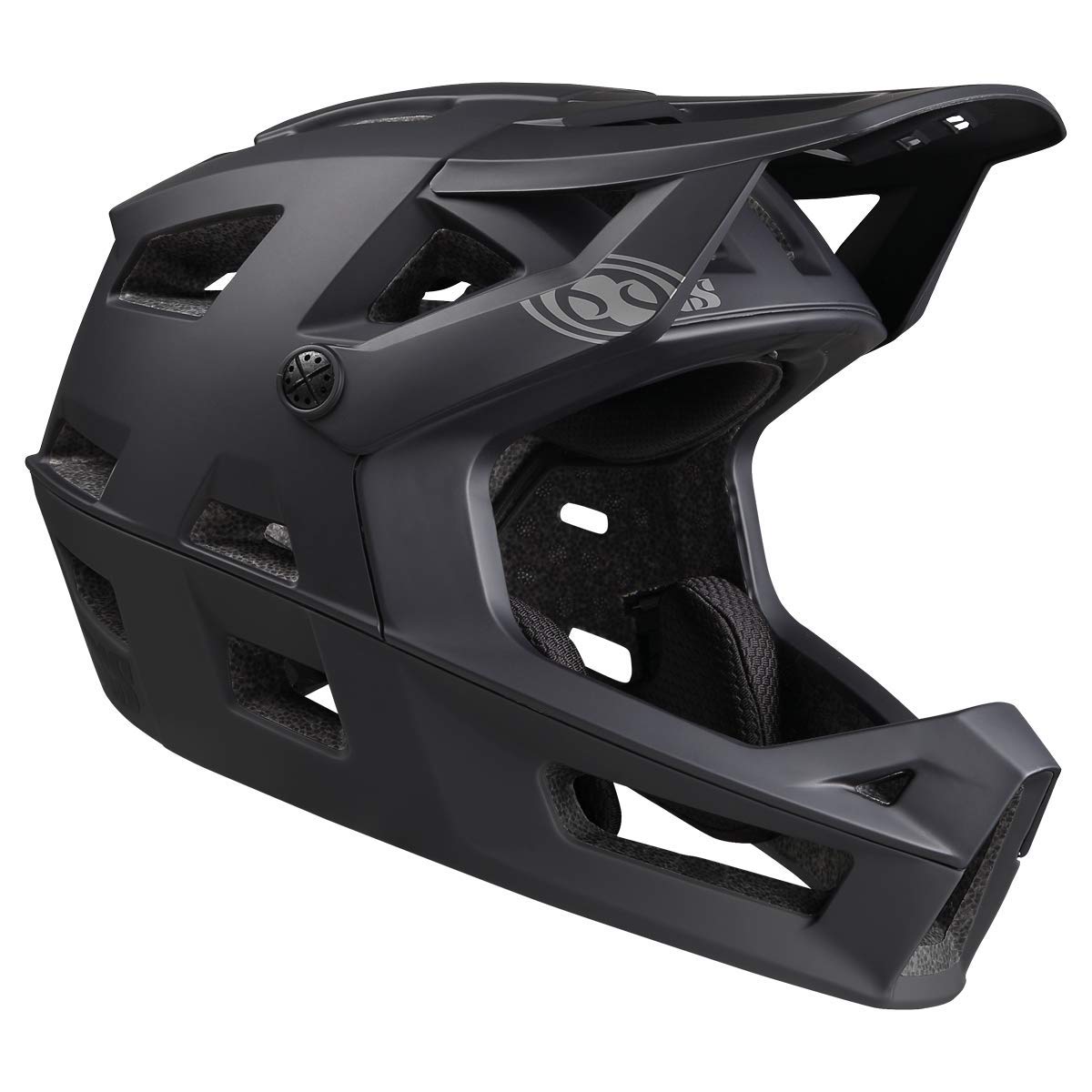
The iXS Trigger FF MIPS sets a new benchmark for what a full face trail helmet can be. Weighing in at approximately 595 grams, it is one of the lightest DH-certified full faces on the market, rivaling many open-face trail lids. Its patented all-in-one design integrates the EPS liner and chin bar, optimizing both strength and ventilation without the bulk of traditional multi-piece shells.
Ventilation is outstanding for a full face, with strategically placed internal and external channels that keep air moving even on long climbs. The Ergo-Fit Ultra system offers both vertical and circumference dial adjustment, ensuring a precise, non-slip fit. The Fidlock magnetic buckle is a standout feature, making one-handed closure effortless, especially when wearing gloves.
Real-world reviews confirm its durability; riders report surviving hard jaw impacts without injury. The only trade-offs are the premium price and the lack of a bug/debris screen over the front vents, which some users solved by adding their own mesh. For the rider who prioritizes low weight and high airflow without sacrificing full face protection, this is the definitive choice.
Why it’s great
- Incredibly light at ~595g reduces neck fatigue
- One of the most ventilated full faces for climbing
- Fidlock magnetic buckle is fast and glove-friendly
- DH certified (ASTM F1952) for serious protection
Good to know
- Premium price point compared to budget models
- No built-in bug or debris screen over vents
- Goggle fitment requires careful visor adjustment
2. Bell Super DH MIPS

The Bell Super DH MIPS is the ultimate Swiss Army knife of helmets, offering a removable chin bar that transforms it from a protective enduro lid into a lightweight trail helmet. The FLEX Spherical MIPS system provides comprehensive protection against low-speed, high-speed, and rotational impacts, while the wraparound chin bar is designed for trail riding adaptability without tools.
Ventilation is exceptional thanks to 19 vents and 2 brow ports, and the Overbrow Ventilation system ushers cool air directly over your head. The Float Fit DH system with a rubber overmolded dial and Fidlock buckle ensures a secure, comfortable fit. The integrated breakaway camera mount is a thoughtful touch for riders who film their rides, designed to snap off in a crash to reduce injury risk.
Riders love the versatility, noting they use the helmet without the chin bar for long XC-style rides and clip it on for bike park laps. The sweat guide pad system effectively pulls moisture away from glasses. The main downside is that the chin bar reattachment can require some finagling, and replacement pads can be hard to find. It is a premium-priced helmet, but its two-in-one nature justifies the investment for many.
Why it’s great
- Versatile removable chin bar for trail-to-DH use
- High-end FLEX Spherical MIPS impact protection
- Excellent ventilation with Overbrow intake ports
- Integrated breakaway camera mount
Good to know
- Chin bar reattachment can be slightly fiddly
- Replacement cheek pads are scarce
- Does not offer the same level of chin bar rigidity as a full fixed model
3. Troy Lee Designs Stage MIPS
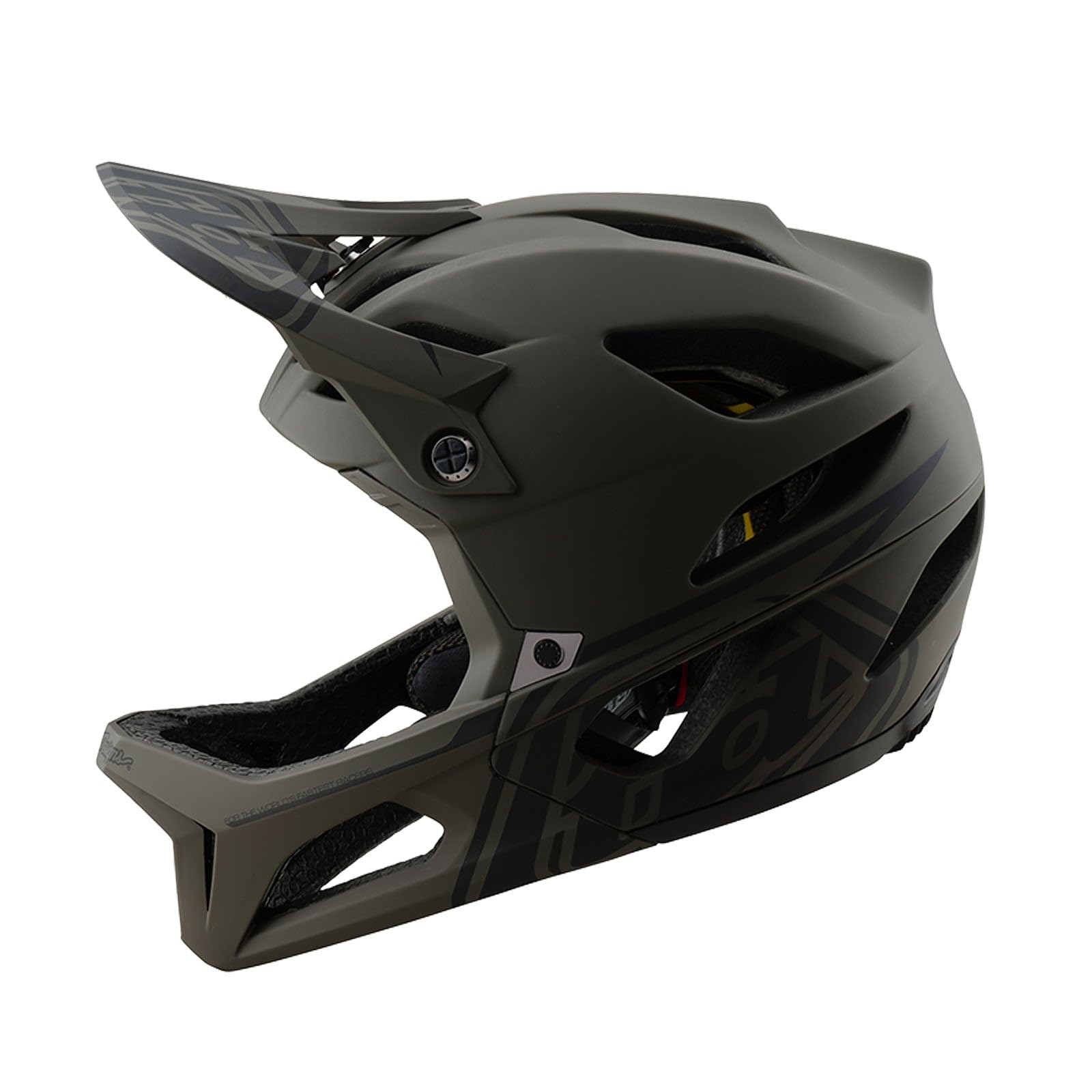
The Troy Lee Designs Stage MIPS is built for riders who spend long days in the saddle, combining a low weight of approximately 690 grams with a high-flow ventilation system that features 25 intake and exhaust ports. This helmet is engineered to reduce rider fatigue on extended enduro stages without compromising on protection, featuring an advanced dual-density foam system (EPP for low-speed, EPS for high-speed) alongside MIPS.
Fit customization is a major strength, with 2 liners, 3 sets of cheek pads, and 2 neck rolls included to dial in a perfect fit. The Polyacrylite-injected chin bar with EXO-Skeleton reinforcement is designed for structural performance. The Fidlock magnetic buckle is present, making it easy to secure even with muddy gloves.
Riders in hot climates like Florida and Southern California praise its ability to keep them cool on the trail, with the ventilation system effectively channeling air even at slower speeds. The chin bar design has proven effective in crashes, with multiple users reporting it saved their face. The only notable caution is that the max head size for M/L is 59cm, so larger-headed riders should check the size chart carefully. It is a premium investment, but the combination of light weight, exceptional airflow, and build quality makes it a top contender for enduro racers.
Why it’s great
- Lightweight at ~690g for all-day climbing comfort
- Superb ventilation with 25 ports for hot weather
- Extensive fit customization with multiple pad sets
- Durable chin bar with proven crash protection
Good to know
- Fit may not accommodate larger head sizes well
- Cheek pad pins could have longevity concerns
- Price is at the high end of the premium spectrum
4. Smith Mainline MIPS

The Smith Mainline is the pinnacle of downhill protection, fully certified to ASTM F1952 for DH racing. It uses a complete Koroyd cover that provides lightweight, energy-absorbing protection while maintaining excellent ventilation. The MIPS system handles rotational impacts, and the hybrid X-Static/Ionic+ lining provides sweat-activated odor control for long race days.
Ventilation is outstanding for a DH-rated helmet, with 21 fixed vents and deep internal channels that keep air flowing. The adjustable visor moves into three positions to accommodate goggles. Smith includes 3 washable cheek pad kits, 2 crown liners, and 2 neck rolls, allowing for a truly custom fit. The single-layer webbing and low-bulk straps reduce weight and bulk around the ears.
Riders consistently praise its low weight compared to other DH helmets, noting that it feels more like a trail helmet on the head. The Koroyd construction is both protective and airy, making it a top choice for aggressive e-bikers and downhill racers. The main drawbacks are the D-ring buckle, which is overkill for enduro and slower to use than a Fidlock, and the MIPS liner can be noisy with wind. For riders who prioritize maximum downhill certification without the weight penalty, this is a top-tier pick.
Why it’s great
- Full downhill certification (ASTM F1952) for maximum protection
- Koroyd offers lightweight, ventilated energy absorption
- Highly customizable fit with multiple pad options
- Low weight for a DH-rated full face helmet
Good to know
- D-ring buckle is slower than a magnetic Fidlock
- MIPS liner can be noisy in windy conditions
- Price is very high, aimed at serious racers
5. Fox Racing V Core MIPS

The Fox Racing V Core MIPS brings motocross heritage and safety standards to the trail. It meets both DOT (FMVSS 218) and ECE 22.06 certifications, making it a legitimate choice for moto use or aggressive downhill riding on an e-bike or DH rig. It features MIPS technology to reduce rotational forces during angled impacts, a feature less common in the moto crossover category.
Ventilation is substantial, with nine intake and four exhaust vents designed to manage moisture and airflow. The magnetic visor release system is a clever safety feature; it stays secure under roost but detaches during a crash to reduce the risk of neck injury. The shell is a lightweight injection-molded polycarbonate and ABS combination, offered in 4 shell and 5 EPS sizes for a precise fit.
Riders highlight its comfortable, secure fit and excellent protection, with several noting it saved their head in crashes. The removable, washable pads add value. The main point of confusion is sizing, as Fox recommends choosing between sizes based on head circumference, and some users found the helmet fits tighter than expected. For riders who want a durable, certified full face that bridges moto and MTB, this is a solid mid-range choice.
Why it’s great
- Dual DOT and ECE 22.06 safety certifications
- Magnetic visor release reduces neck injury risk
- Strong ventilation with 13 intake/exhaust vents
- Removable, washable liner for hygiene
Good to know
- Sizing can be tricky; measure carefully before purchase
- Heavier than dedicated MTB enduro helmets
- Double-ring closure is slower on the trail
6. Smith Engage MIPS

The Smith Engage MIPS is a trail-focused helmet that blurs the line between open-face and full-face protection, though it is technically a unique hybrid with its low-profile chin bar built for aggressive trail riding. It features Zonal Koroyd coverage for lightweight, energy-absorbing protection and includes the MIPS system for rotational impact management. With 20 fixed vents, airflow is a priority, helping to eliminate foggy lenses.
The Ionic+ lining offers sweat-activated odor control, and the lightweight, low-bulk single-layer webbing keeps the helmet feeling unobtrusive. The visor adjusts into two positions. Riders consistently praise the fit, noting it goes deeper on the back of the head than many helmets, providing a secure feel without the “mushroom head” look. The ratchet system and MIPS integration work seamlessly.
Some riders report that the helmet can slip forward slightly during aggressive riding if not wearing glasses to anchor it, and the buckle can occasionally be hard to fasten one-handed. It is not a full downhill helmet, so it lacks the heavy-duty chin bar of dedicated DH models. For the trail rider who wants added jaw coverage with excellent ventilation and a comfortable fit, the Engage is a strong mid-range option.
Why it’s great
- Zonal Koroyd for lightweight, ventilated protection
- Excellent ventilation with 20 vents for hot days
- Low-profile design avoids the mushroom head look
- Comfortable fit with deep rear coverage
Good to know
- Can slip forward without glasses during aggressive riding
- Buckle can be stiff to fasten at first
- Not a true full-face; chin bar is lighter-duty
7. O’Neal 1SRS Adult Dirt Bike Helmet
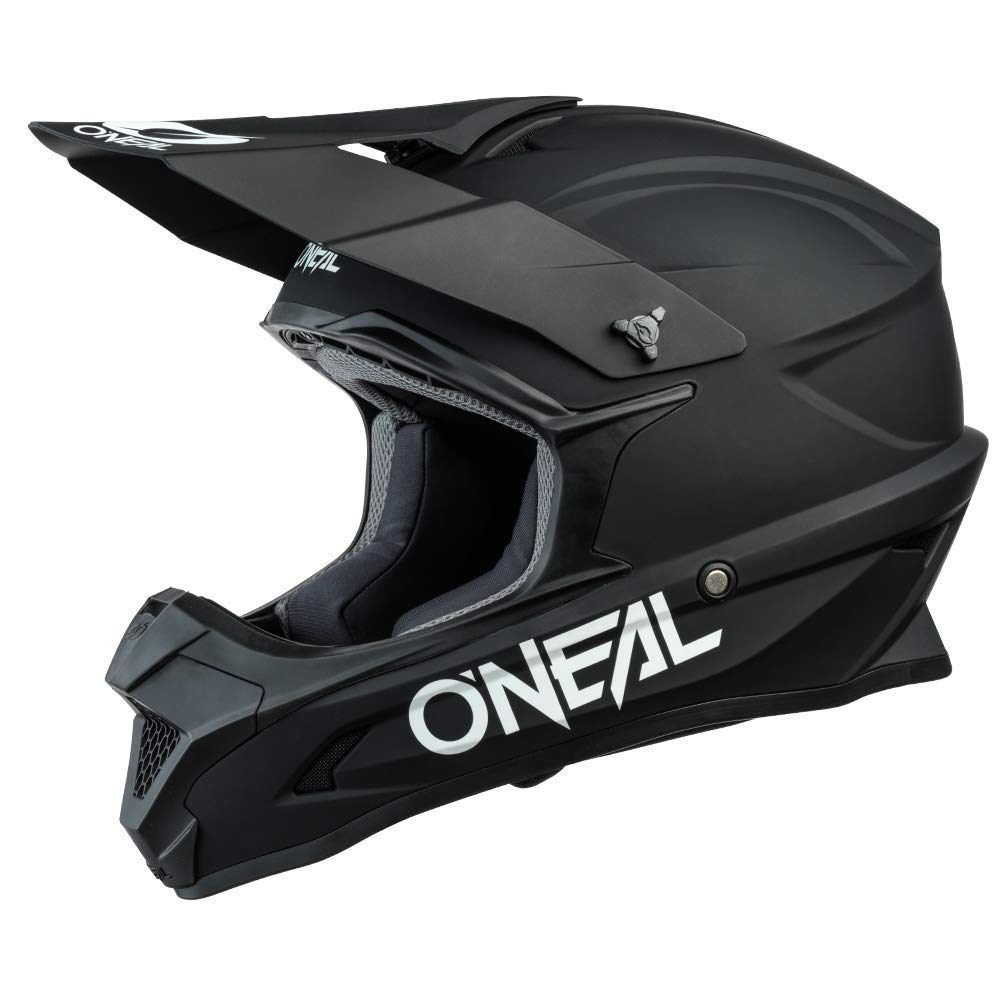
The O’Neal 1SRS is a no-frills, direct-to-value helmet that excels for riders who need a solid full face for dirt biking or aggressive trail riding without breaking the bank. Riders consistently report it is lightweight and comfortable, with a great fit that doesn’t cause neck strain. The design is straightforward, with a focus on core protection and a solid build feel.
Fitment is praised as being snug and secure, with a good field of view. It includes a thick storage bag, which is a nice bonus for a mid-range helmet. It is heavier than dedicated enduro helmets, but for high-speed e-bike or moto use, the secure feel is an advantage.
The main caveat is that it is not a modern, airy trail helmet. Ventilation is adequate but not class-leading, and it lacks advanced impact systems like MIPS. For the rider on a budget who needs a reliable full face for moderate use, it delivers strong value. Sizing seems accurate per head measurement, with a snug initial fit.
Why it’s great
- Lightweight feel reduces neck fatigue
- Solid, durable build quality for the price
- Good field of view and secure fit
- Includes a thick storage bag
Good to know
- No MIPS or other rotational impact system
- Ventilation is adequate but not premium-level
- Heavier than modern enduro-specific full faces
8. Fox Racing Mainframe MIPS
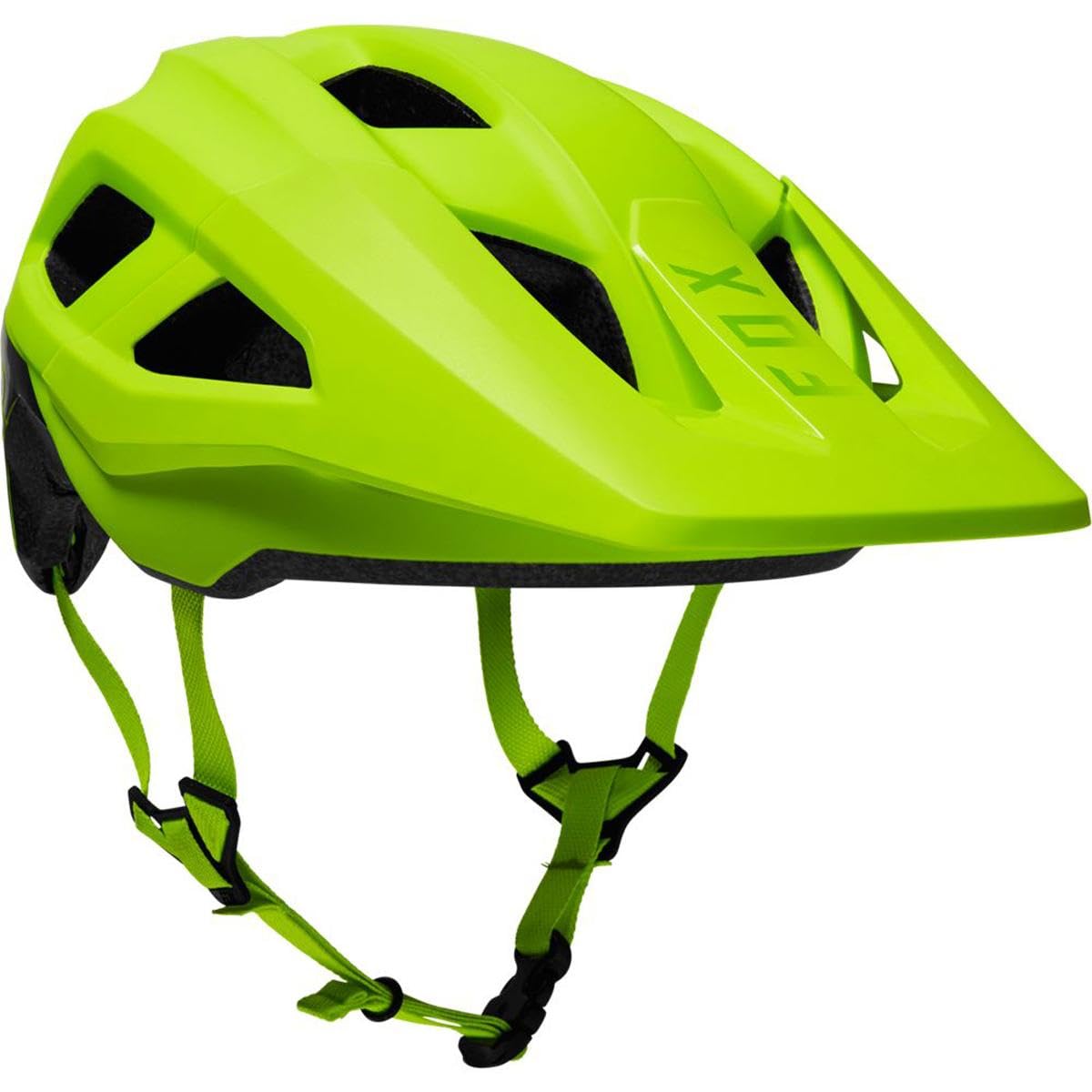
The Fox Racing Mainframe MIPS is an open-face trail helmet with extended coverage that brings premium safety features to a very accessible price point. It includes the proven MIPS system, which is rare at its price tier. The extended coverage design adds protection to the lower rear of the skull, a common impact zone in MTB crashes.
Ventilation is efficient thanks to channeled, in-molded EPS, and the removable, washable moisture-wicking liner adds to its appeal. The MIPS-integrated fit system improves comfort and reduces weight compared to standalone MIPS layers. Riders praise its lightweight feel, comfortable fit, and excellent value, calling it the “industry standard” for a reason.
One downside is that it is not a full-face helmet, so it offers no jaw or chin protection. The visor is not adjustable for goggles, and the fit may be snug for some head shapes. For the rider who wants MIPS protection in a well-ventilated, budget-friendly package for cross-country or light trail riding, the Mainframe is an outstanding choice.
Why it’s great
- Includes MIPS at a very accessible price point
- Extended rear coverage for added safety
- Efficient ventilation with channeled cooling
- Removable, washable liner
Good to know
- This is an open-face helmet; no jaw protection
- Not suitable for aggressive downhill riding
- Visor is not designed for goggle use
9. Demon United Podium MIPS

The Demon United Podium MIPS is the gateway into full-face protection without the premium price tag. For those on a strict budget, it offers the essential MIPS system, a polycarbonate shell, and a removable, washable liner. Its 13 air flow vents are a step up from older moto-style lids, providing adequate airflow for shorter, more intense rides.
At approximately 924 grams, it is considerably heavier than modern enduro helmets, which can be noticeable on long climbs. However, the weight also translates to a feeling of solid security. The helmet includes a bag for storage and transport. Riders note that the fit is snug, especially around the jawline, but the cheek pads are designed to form over time.
The biggest trade-offs are weight and ventilation; it runs hotter than lighter options and can cause neck fatigue on long pedaling days. The visor may slide down and block the field of view for some. For the rider who wants to try a full face for park days or aggressive trail riding without making a large investment, the Podium is a sensible, safe starting point. It proves that MIPS can be had at an entry-level price.
Why it’s great
- Most affordable full face with MIPS technology
- Solid construction with a polycarbonate shell
- Removable, washable liner for hygiene
- Includes a helmet storage bag
Good to know
- Heavier than premium options at ~924g
- Less ventilation; can get hot on long climbs
- Visor may slide down and obstruct view
FAQ
Do I need a full face helmet for trail riding?
Is MIPS worth the extra cost in a full face helmet?
How should a full face mountain bike helmet fit?
How often should I replace my mountain bike helmet?
Final Thoughts: The Verdict
For most riders, the best full face mountain bike helmet winner is the iXS Trigger FF MIPS because it combines the lowest weight in the category with excellent ventilation and a secure Fidlock buckle. If you want the versatility of a removable chin bar without compromising on safety, the Bell Super DH MIPS is an exceptional choice. And for those who need uncompromising downhill certification in a lightweight package, nothing beats the Troy Lee Designs Stage MIPS.