
A fungo bat is a specialized training tool designed for coaches and parents to hit ground balls and fly balls during practice. Unlike a standard baseball bat, a fungo is longer, lighter, and has a thinner barrel to allow for precise, repetitive hitting without fatiguing the arms. Selecting the right one can dramatically improve the quality of your practice sessions and save your game-day bats for the field.
I’m Mohammad Maruf — the founder and writer behind Drink4Good. I’ve spent years analyzing baseball training equipment, comparing wood grain density, alloy compositions, and grip tapers to find the fungos that deliver consistent pop and durability.
Whether you’re a high school coach looking to hit hundreds of grounders or a parent wanting to sharpen your child’s defensive skills, finding the best fungo bats means balancing barrel weight, handle feel, and material longevity to match your specific training style.
How To Choose The Best Fungo Bats
Choosing a fungo bat comes down to three core decisions: material, length, and grip. The wrong combination can lead to cracked barrels, blistered hands, or poor ball placement. Here is what matters most for coaches and serious parents.
Material: Wood vs. Aluminum vs. Composite
Wood fungos, especially maple, offer a traditional feel and excellent durability when properly dried. Aluminum fungos are nearly indestructible and deliver a louder “pop” that helps outfielders track the ball’s flight. Composite hybrids like the DeMarini Fungodelic combine a wood barrel with a composite handle to reduce vibration and add weight savings.
Length and Barrel Design
Fungos typically range from 34 to 37 inches. A 37-inch barrel is ideal for outfield work because the extra length lets you hit towering fly balls with less wrist snap. Shorter 34-inch barrels give infield coaches more control for sharp grounders. Look for a cupped barrel end — it removes weight from the tip, making the bat feel lighter and easier to whip through the zone.
Grip and Anti-Vibration Technology
The stock grip on many fungos is thin and slick, often resembling medical tape. Replacing it with a premium grip tape or using a bat sleeve prevents blisters and deadens handle sting. Premium models now include anti-vibration knobs like Marucci’s AV2, which use dampening rings to quiet the sting on off-center hits.
Quick Comparison
On smaller screens, swipe sideways to see the full table.
| Model | Category | Best For | Key Spec | Amazon |
|---|---|---|---|---|
| Marucci Aluminum Fungo | Aluminum | All-day team practice | AV2 anti-vibration knob | Amazon |
| Rawlings Maple Fungo | Maple Wood | Outfield fly balls | 2.25″ cupped barrel | Amazon |
| DeMarini Fungodelic Pro | Composite/Wood | Reducing hand sting | End-loaded barrel | Amazon |
| Easton F4 Aluminum | Aluminum | Budget-conscious coaches | 35″ / 22 oz weight | Amazon |
| Mizuno Bamboo Classic | Bamboo | Youth team practice | Light 34″ swing | Amazon |
| Louisville Slugger K100 | Wood (Pine) | Entry-level infield work | 36″ standard barrel | Amazon |
| Louisville Slugger MIX | Wood Mix | Recreational slow-pitch | 34″ cupped barrel | Amazon |
In‑Depth Reviews
1. Marucci Aluminum Fungo (MTRBFA-35/22)

Marucci’s one-piece aluminum alloy fungo is built for the coach who lives on the field. The patented 2nd-generation AV2 knob houses a harmonic dampening system that nearly eliminates the sting on mishits — a huge relief when you are hitting hundreds of grounders during early spring practices. The micro-perforated soft-touch grip stays tacky even in damp weather, so you won’t have to re-tape after a week.
At 35 inches and 22 ounces, this fungo swings lighter than its weight suggests. The barrel is long enough to generate solid pop for outfield work, but the AV2 taper gives you enough top-hand control to place sharp grounders to the left side. Multiple coaches reported using it for full seasons without any denting or grip wear, which speaks to the high-strength alloy construction.
Some wood purists note that the aluminum feel is different from a traditional maple crack, but the trade-off is durability. This bat will outlast three wood fungos and save your back in the process. For the coach who wants one bat for everything — infield, outfield, and long toss — this is the benchmark.
Why it’s great
- AV2 anti-vibration knob eliminates hand sting
- Soft-touch grip stays tacky for seasons
- Lightweight swing reduces coaching fatigue
Good to know
- Aluminum feel differs from traditional wood crack
- No cupped barrel end for weight reduction
2. Rawlings Maple Fungo (37″)

Rawlings brings its wood-turning expertise to this 37-inch maple fungo designed explicitly for outfield training. The cupped barrel removes mass from the end, making the bat feel surprisingly light for its length. That extra inch over standard fungos gives you leverage to launch towering fly balls to the warning track without over-swinging. High school coaches reported hitting thousands of balls through a season with no splitting or handle wobble.
Maple is denser than ash or pine, which means this bat delivers a crisp, solid pop that outfielders can track by ear. The 2.25-inch barrel provides a generous sweet spot, so you don’t need perfect contact to send a ball deep.
The trade-off is weight — at 37 inches, this fungo is slightly heavier than aluminum alternatives, and some coaches found their forearms tiring after a bucket of balls. Choking up an inch improves control for ground balls, but this bat really shines when you need to push outfielders back. Pair it with a shorter infield fungo for a complete practice arsenal.
Why it’s great
- Great pop for deep fly balls
- Cupped barrel keeps weight manageable for its length
- Durable maple construction for heavy use
Good to know
- Heavier than aluminum fungos; forearms can fatigue
- Stock grip may need upgrading for comfort
3. DeMarini Fungodelic Pro Maple Wood Composite (35″)

The DeMarini Fungodelic Pro is a hybrid: a maple wood barrel married to a composite handle. This two-piece construction is engineered to absorb vibration before it reaches your hands. The end-loaded weight distribution — unusual for a fungo — helps the barrel carry through the zone, making it easier to hit with backspin on fly balls and topspin on grounders. Coaches who switched from all-wood fungos reported less hand fatigue immediately after the first bucket.
Despite the composite handle, the barrel delivers a traditional wood crack that purists appreciate. The 35-inch length is versatile enough for both infield and outfield work, though the end-loading means it swings slightly heavier than a balanced 35-inch bat. Reviewers praised its “incredible pop” and noted that their backs hurt less after practice because they didn’t need to swing as hard to get the same distance.
The main consideration is that this model is often heavier than expected — some coaches found it clunkier than their previous wood fungo. You may want to test the swing weight before committing. Also, being a hybrid, the price sits at the top of the market, but for the coach who prioritizes comfort and durability, it is a worthwhile investment.
Why it’s great
- Composite handle significantly dampens vibration
- End-loaded weight adds power to each swing
- Wood barrel feels authentic and durable
Good to know
- Slightly heavier than balanced fungos
- Premium price places it as a luxury pick
4. Easton F4 Aluminum Fungo (35″/22oz)
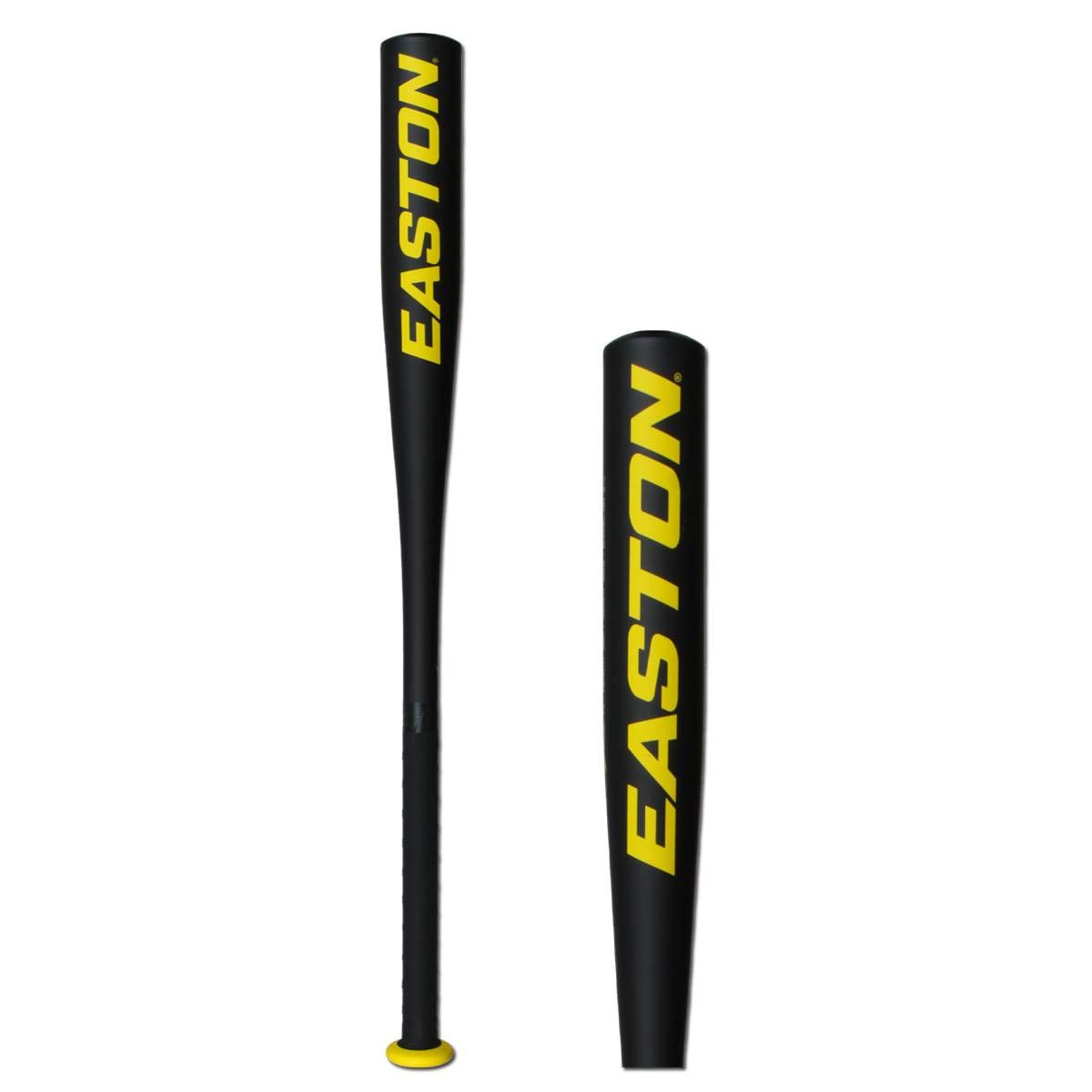
Easton’s F4 is the aluminum fungo that has been a staple for entry-level coaches for years. It weighs 22 ounces with a 35-inch barrel, making it one of the lightest options in this category. The thin handle and pro tapered grip give you excellent control for placing short hops and line drives right where you want them. Reviewers consistently mention the “pop” — this bat sends baseballs deep with minimal swing effort.
The aluminum construction means zero concerns about cracking, even in cold weather. Coaches have reported using the same F4 for multiple seasons without any dents or loosening. The black and yellow design is simple and visible. However, the stock grip is noticeably thin — several customers describe it as similar to medical tape and recommend replacing it immediately to avoid blisters during extended use.
For the coach on a tight budget who needs a reliable, light bat that will last, the F4 is the clear choice. It won’t win any beauty contests, and the grip will need an upgrade, but the core bat is functionally excellent. If you want to keep costs down and still get solid practice reps, start here.
Why it’s great
- Very lightweight for reduced fatigue
- Lots of pop for deep hits
- Indestructible aluminum build
Good to know
- Stock grip is thin and causes blisters
- Basic design lacks premium features
5. Mizuno Bamboo Classic MZB 271 (34″)

Mizuno’s bamboo fungo offers a unique middle ground between wood and aluminum. Bamboo is naturally dense and absorbent, providing a soft feel that is easy on the hands — some users called it “soft” and “perfect” for training. The 34-inch length is ideal for youth coaches working with 8U to 12U teams, where precise placement matters more than launching balls over a fence.
This bat carries a slight weight advantage over maple fungos of the same length, which helps with bat speed control. Coaches using it for 8U teams reported that ball contact felt solid and the bat held up well after a full season of practice. The barrel diameter is standard, so it accepts common bat sleeves and grip tapes without issue.
However, bamboo has a polarizing feel. Some reviewers experienced a “gnarly stinger” on off-center hits, describing it as more jarring than maple or composite. If you are sensitive to vibration, you may want to add a cushioned grip. Also, weight can vary slightly between units, so check the specific swing weight if consistency is critical for your practice drills.
Why it’s great
- Soft, comfortable feel on contact
- Lightweight and easy to swing for hours
- Good durability for youth practice
Good to know
- Some users report stinging on mishits
- Weight may vary slightly between units
6. Louisville Slugger K100 Fungo (36″)

Louisville Slugger’s K100 is a Series 3 wood fungo made from pine, offering a budget-friendly entry into wood fungos. At 36 inches, it is long enough to reach outfield depth, and the natural finish with black logos keeps the look classic. Customers who used it for high school infield and outfield practice reported that the barrel held up well for a full season with a bat sleeve and some extra tape — no splitting or significant wear.
The traditional knob and smooth vinyl grip are basic but functional. Several reviewers suggested re-taping the sweet spot to prevent early cracking, which is a common precaution with budget wood bats. The swing weight is slightly heavier than expected, but once you adjust, it reliably sends balls 200 to 300 feet with minimal fatigue.
The K100 is great for someone trying a wood fungo for the first time without a large investment. It is not designed for the high-volume coach hitting thousands of balls per week — that role is better served by aluminum or premium maple. But for a parent or part-time coach, it delivers solid value and a satisfying wood feel.
Why it’s great
- Good reach for outfield practice at 36 inches
- Solid pop with minimal swing fatigue
- Affordable wood option for casual use
Good to know
- Pine wood may crack under heavy use
- Stock grip is basic; upgrading recommended
7. Louisville Slugger Genuine MIX (34″)

This Louisville Slugger MIX is a 34-inch cupped barrel bat built from a blend of wood species, designed for a balanced, forgiving feel. It is marketed as a baseball bat, not a designated fungo, but its light swing weight and cupped end make it a passable choice for recreational slow-pitch and light practice duty. One 65+ rec league user called it “the bat that turned me into a legend,” citing zero vibration and no sting even on thin contact.
The clear finish keeps the wood grain visible, and the Series 3X construction is standard for entry-level Slugger bats. For a coach or parent who needs a bat that can double as a fungo for occasional use, this works. It will not hold up to the daily grind of a high school practice, but for weekend work and casual games, the feel is satisfying.
The main limitation is length. At 34 inches, it lacks the reach needed for outfield fly balls. Infielders will appreciate the short barrel for quick swings, but you will struggle to hit deep balls consistently. If you need a dedicated fungo, look elsewhere; if you need a multipurpose wood bat that can handle light fungo duty, this fits the bill at a very budget-friendly price.
Why it’s great
- No vibration or sting on contact
- Cupped barrel makes it lightweight
- Good value for recreational use
Good to know
- Designed as a general bat, not a dedicated fungo
- Short 34-inch length limits outfield work
FAQ
Is a 37-inch fungo too long for infield practice?
Can I use a regular baseball bat as a fungo?
Why do some fungo bats sting more than others?
Final Thoughts: The Verdict
For most users, the best fungo bats winner is the Marucci Aluminum Fungo because it combines vibration-dampening AV2 technology with a lightweight alloy build that lasts for seasons of hard practice. If you want a dedicated outfield tool with a true wood feel, grab the Rawlings Maple Fungo (37″). And for the coach seeking maximum comfort and a hybrid design, nothing beats the DeMarini Fungodelic Pro.