
In competitive FPS titles, a single audio cue — the scuff of a leather boot on wood, a weapon swap behind a corner, the distant crack of a sniper round — can be the difference between clutching a round and watching a killcam. A headset that muddles that directional data turns your reflexes into guesswork, and that is a handicap no amount of aim training can fix. This guide is built around that exact reality: finding a headset that translates in-game positional audio into a reliable, instinctive advantage.
I’m Mohammad Maruf — the founder and writer behind Drink4Good. My deep market research has focused on the specific engineering choices that define this category, from driver tuning curves and chamber construction to mic frequency response and wireless protocol latency, ensuring every recommendation here is grounded in specs that matter for FPS play.
Built to eliminate audio ambiguity and give you a genuine competitive edge, this guide evaluates the top contenders on soundstage precision, driver design, and microphone clarity so you can confidently choose the ideal gaming headset for fps.
How To Choose The Best Gaming Headset For FPS
Choosing a headset for FPS gaming is fundamentally different from selecting one for immersive single-player RPGs or cinematic experiences. In a shooter, the priority is raw positional accuracy: the ability to distinguish footsteps two floors up from footsteps down a hallway, and to determine their exact distance. This requires specific driver tuning and audio processing that many general-purpose gaming headsets lack.
Driver Tuning and Frequency Response
The driver size — typically 40mm to 60mm — is less critical than how those drivers are tuned. An FPS-focused headset should have a slightly elevated treble to emphasize the sound of footsteps, grenade pins, and weapon reloads, while keeping the mid-bass tight and controlled so it doesn’t mask those critical high-frequency cues. A driver that is too bass-heavy will make gunshots feel powerful but will smear the subtle audio details that give you early warning of an enemy approach.
Virtual Surround Sound Implementation
True positional audio requires a well-engineered virtual surround sound system. Technologies like DTS Headphone:X, Windows Sonic, or 7.1 surround process stereo signals to create a convincing 360-degree soundstage. The best implementations not only place sounds on a horizontal plane but also provide some vertical information, which is crucial in games where enemies can attack from above or below. A poor implementation introduces phasing issues that can make audio feel distant or echoey.
Microphone for Team Communication
In competitive FPS, clear comms are as important as good aim. Look for a microphone that captures your voice with clarity and filters out background noise like keyboard clacks and fan hum. A wider frequency response (48 kHz or higher) captures more detail, while a cardioid or supercardioid polar pattern rejects sound from the sides and rear. Noise-gating features in the mic or software can further clean up your voice channel, preventing distractions for your squad.
Comfort and Build for Extended Sessions
FPS players often log six-hour ranked sessions. A headset that causes hot spots, ear fatigue, or clamping pressure will lead to you adjusting it mid-round, potentially missing a critical audio cue. Memory foam ear cushions, a lightweight frame (under 300 grams is ideal), and a headband design that distributes weight evenly are non-negotiable for marathon play. Glasses-friendly ear cups and breathable fabric coverings also help reduce discomfort over long periods.
Quick Comparison
On smaller screens, swipe sideways to see the full table.
| Model | Category | Best For | Key Spec | Amazon |
|---|---|---|---|---|
| SteelSeries Arctis Nova Pro Wireless | Premium | Audio fidelity & ANC | Premium Hi-Fi Drivers | Amazon |
| Logitech G Astro A20 X | Premium | Multi-system switching | 40mm PRO-G Drivers | Amazon |
| Turtle Beach Stealth 700 Gen 3 | Premium | 80-hr battery & spatial audio | 60mm Eclipse Drivers | Amazon |
| Logitech G522 Lightspeed | Mid-Range | Balanced wireless & clarity | 48kHz/24-bit Audio | Amazon |
| Razer BlackShark V2 Pro Wireless (PS) | Mid-Range | Pro-tuned FPS profiles | 50mm Triforce Titanium | Amazon |
| HyperX Cloud III | Mid-Range | All-day comfort & value | 53mm Angled Drivers | Amazon |
| FIFINE AmpliGame H13BP | Budget | Entry-level 7.1 surround | 50mm Dynamic Drivers | Amazon |
In‑Depth Reviews
1. SteelSeries Arctis Nova Pro Wireless

This is the headset that quietly sets the standard for competitive FPS audio. The premium high-fidelity drivers deliver exceptional clarity across the frequency spectrum, with a treble response that brings footsteps and weapon reloads into sharp focus without becoming harsh. The 360-degree spatial audio, paired with Sonar software’s parametric EQ, lets you dial in a custom soundstage that reveals every directional cue with surgical precision. The active noise cancellation further isolates you from ambient distractions, crucial when you’re trying to hear a quiet flank in a loud environment.
The Infinity Power System is a game-changer for marathon sessions. The hot-swappable batteries mean you never have to plug the headset in and wait — just swap the depleted cell for a charged one from the included DAC base station and you’re back in the action in seconds. Connectivity is equally versatile: twin USB ports let you switch between PlayStation and PC with a single button press, and Bluetooth allows simultaneous phone calls or Discord chat. The build is primarily plastic but feels robust and well-damped.
There are compromises. The microphone, while adequate, doesn’t match the clarity of some dedicated boom mics — it picks up a bit of background room noise and can sound slightly muffled compared to the HyperX Cloud III. The ear cups are comfortable but may feel snug for larger ears, and the leatherette material attracts fingerprints easily. The ANC is effective but not class-leading for a headset at this level. Despite these minor flaws, its audio performance for FPS is unmatched.
Why it’s great
- Exceptional soundstage and directional audio clarity
- Hot-swappable battery system for unlimited playtime
- Effective ANC and high-quality DAC base station
- Excellent multi-system connectivity (PC, PS, Switch)
Good to know
- Microphone quality is just average for this price tier
- Ear cups run snug for larger ears
- ANC is decent but not best-in-class
- Premium price point
2. Logitech G Astro A20 X Lightspeed
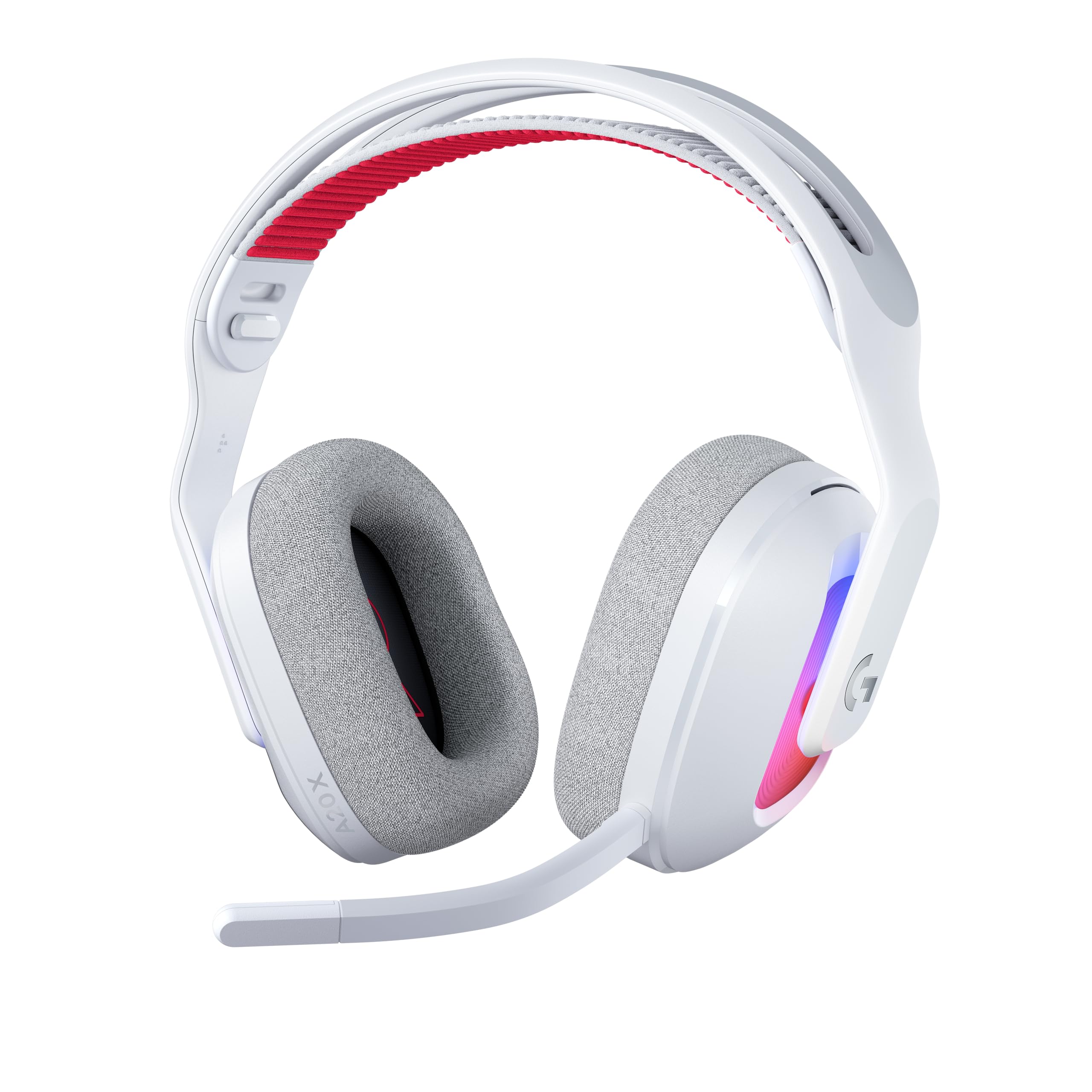
The Astro A20 X solves a problem that competitive FPS players on multiple platforms face daily: managing audio between a PC and a console. The PLAYSYNC Audio feature lets you seamlessly switch between two systems — for instance, playing on PS5 while listening to Discord calls on your PC — or mix both audio streams simultaneously. This is incredibly practical for squad-based shooters where communication across platforms is essential. The 40mm PRO-G drivers with live edge technology deliver crisp, detailed sound that excels at placing footsteps and gunfire.
Weighing under 300 grams, this is one of the lightest premium wireless headsets on the market, reducing neck and ear fatigue during long sessions. The 48 kHz boom microphone with Blue VO!CE customization delivers clear voice capture with good background noise rejection. The MixAmp technology integrated into the headset gives you instant game/chat balance controls on the left earcup. Battery life is solid, easily lasting through a full day of play, and the customizable LIGHTSYNC RGB adds a touch of personal flair.
The most notable downside is the lack of a dedicated pause button, which can be slightly annoying when you need to quickly mute your game. The volume balance rocker on the earcup is also prone to accidental presses, sometimes shifting the audio mix mid-round. The on-ear design, while lightweight, may feel less immersive than the over-ear designs of other headsets in this list. Some users might also find the fabric ear cushions less isolating than leatherette alternatives, though they are more breathable.
Why it’s great
- PLAYSYNC Audio for seamless dual-system use
- Ultra-lightweight (under 300g) for comfort
- Crystal-clear 48kHz mic with Blue VO!CE
- Built-in MixAmp for game/chat balance
Good to know
- No dedicated pause button on headset
- Volume rocker is easy to accidentally nudge
- On-ear design, not over-ear
- Premium price point
3. Turtle Beach Stealth 700 Gen 3
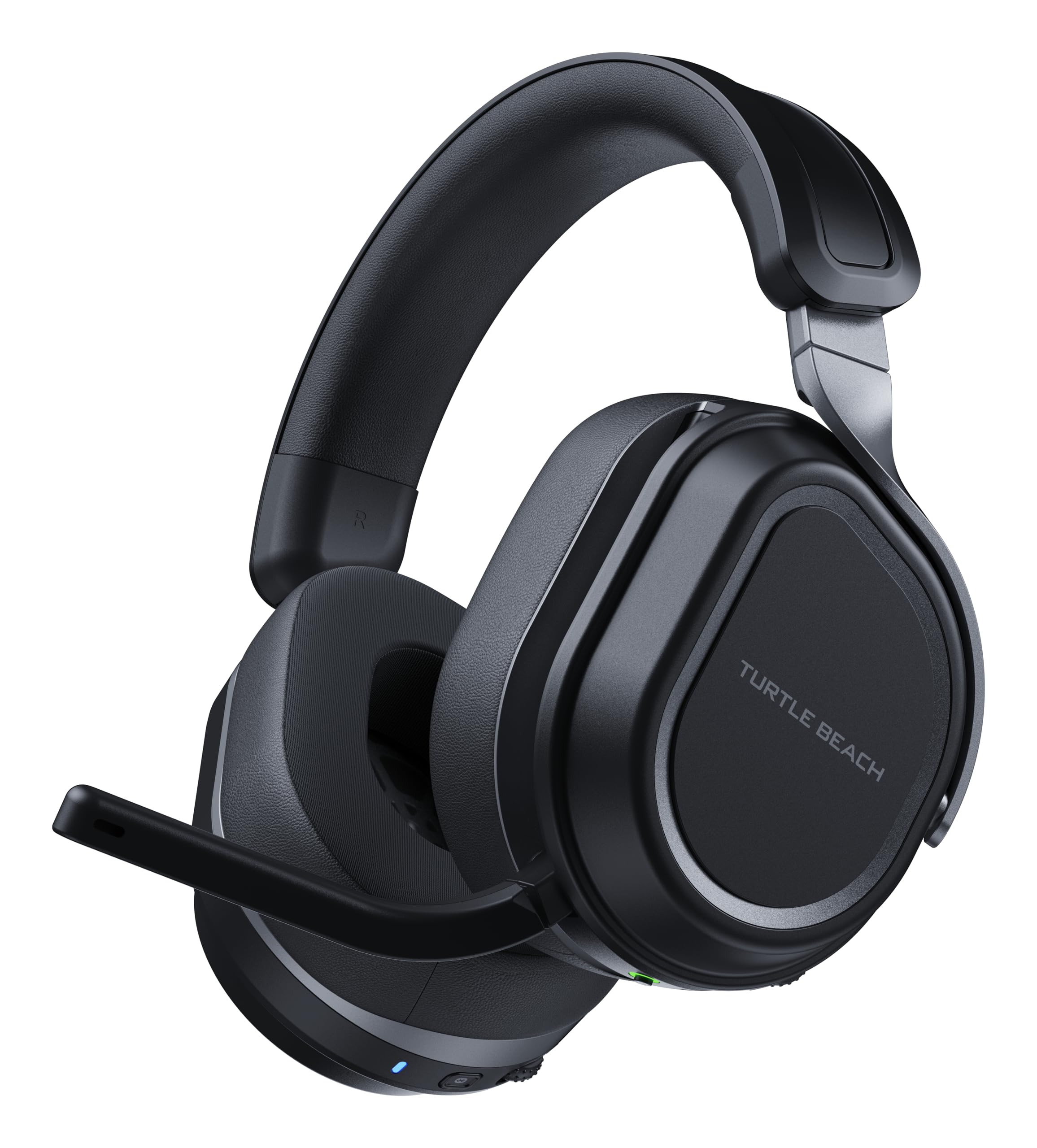
When the biggest barrier to your FPS performance is battery anxiety, the Stealth 700 Gen 3 is the relief you need. Its 80-hour battery life means you can play for a week of heavy sessions before reaching for the USB-C cable, and the quick-charge feature adds hours of play in just minutes. The 60mm Eclipse Dual Drivers are massive, creating a wide, open soundstage that makes spatial audio truly immersive. You can pinpoint enemy locations with remarkable precision, hearing even subtle environmental sounds that smaller drivers might miss.
The comfort is exceptional for marathon play. Memory foam cushions with glasses-friendly technology prevent pressure points, and the lay-flat, steel-reinforced design allows the headset to fold flat for storage without stressing the headband joints. The flip-to-mute mic with AI-based noise reduction does an excellent job of filtering out keyboard clacks, mouse clicks, and breathing sounds, ensuring your callouts are always crystal clear. The dual-transmitter system allows simultaneous low-latency 2.4GHz wireless and Bluetooth 5.2, letting you take calls or listen to music without leaving your game.
Some users have reported 2.4GHz connectivity issues when the headset is used near other wireless devices operating on the same frequency. This can typically be resolved by switching to a 5GHz WiFi network and using the included USB extender to move the transmitter away from potential interference. The on-headset controls are plentiful but can feel a bit cramped, and the Swarm II app, while offering a powerful 10-band EQ and Superhuman Hearing mode, has a learning curve to master.
Why it’s great
- Incredible 80-hour battery life with quick charge
- Wide, precise spatial audio from 60mm drivers
- Excellent AI-based noise-cancelling microphone
- Highly comfortable for glasses users
Good to know
- Potential 2.4GHz interference issues
- On-hand controls can feel crowded
- Swarm II app has a steep learning curve
- Premium price point
4. Logitech G522 Lightspeed Wireless

The G522 earns its place in this list by putting microphone performance at the forefront — a feature that often gets secondary treatment in FPS headsets. The full-bandwidth 48 kHz/16-bit microphone captures vocal detail with broadcast-quality clarity, and Blue VO!CE software lets you fine-tune your voice output with EQ presets, noise gates, and compressor settings. This means your callouts to teammates are consistently clear, even in noisy environments. The PRO-G audio drivers deliver 48 kHz/24-bit audio with excellent clarity and controlled bass.
Tri-connectivity options (Lightspeed wireless, Bluetooth, and USB-C wired) offer flexibility for any scenario. The Lightspeed wireless is rock-solid with low latency, crucial for competitive play where audio lag can lead to missed cues. The 60-hour battery life with lighting off ensures you can play through the weekend without recharging. The lightweight 280g build, combined with a washable suspension band and rounded cushion ear cups, provides all-day comfort. The customizable LIGHTSYNC RGB adds a nice visual touch, and the G HUB software offers deep EQ customization.
The audio tuning is more balanced than aggressively bass-heavy, which is good for FPS positional audio but might leave fans of explosive sound effects wanting a bit more thump. While the build quality feels solid, the materials are more plastic than some metal-framed alternatives at this price point. The ear cups are plush but can get warm over extended sessions. Additionally, the headset does not support Xbox natively, limiting its multi-platform appeal.
Why it’s great
- Best-in-class full-bandwidth mic with Blue VO!CE
- Triple connectivity (Lightspeed, Bluetooth, USB-C)
- Lightweight and comfortable for long sessions
- Long 60-hour battery life
Good to know
- Not compatible with Xbox consoles
- Audio is balanced, not hard-hitting on bass
- Plastic build may feel less premium to some
- Ear cushions can get warm
5. Razer BlackShark V2 Pro Wireless (PS)

Razer specifically designed the BlackShark V2 Pro with esports athletes in mind, and the onboard FPS audio profiles are the standout feature. Tuned in collaboration with top competitors, these profiles emphasize the high frequencies that define footsteps and weapon handling sounds, giving you an immediate information advantage without needing to fiddle with an EQ app. The Triforce Titanium 50mm drivers use a three-part design to separately tune highs, mids, and lows, resulting in brighter, clearer audio with less distortion at high volumes.
The HyperClear Super Wideband Mic is among the most detailed detachable microphones in its class. It covers a wider frequency range than standard gaming mics, capturing natural vocal timbre and eliminating the tinny quality common in many headsets. The memory foam ear cushions with breathable fabric are plush and comfortable, and the noise-isolating closed-back design creates a passive seal that significantly reduces ambient noise. The 70-hour battery life is ample, and the Hyperspeed wireless connection is virtually latency-free.
The lack of a wired audio backup means if the battery dies, you’re out of luck until it charges via USB-C. The bass response is intentionally restrained to keep the mid and treble clear, which is excellent for FPS but might feel thin for music or cinematic games. The build is good but not exceptional; it uses a mix of plastic and aluminum, and the headband adjustment can feel clunky. Some users also note that the ear cups can be slightly small for larger ears.
Why it’s great
- On-headset FPS audio profiles tuned by pros
- Exceptional mic clarity and frequency range
- Long 70-hour battery life
- Lightweight and comfortable for long sessions
Good to know
- No wired audio backup if battery is dead
- Bass is weak; not great for music
- Build quality is good but not top-tier
- Ear cups may be snug for larger ears
6. HyperX Cloud III
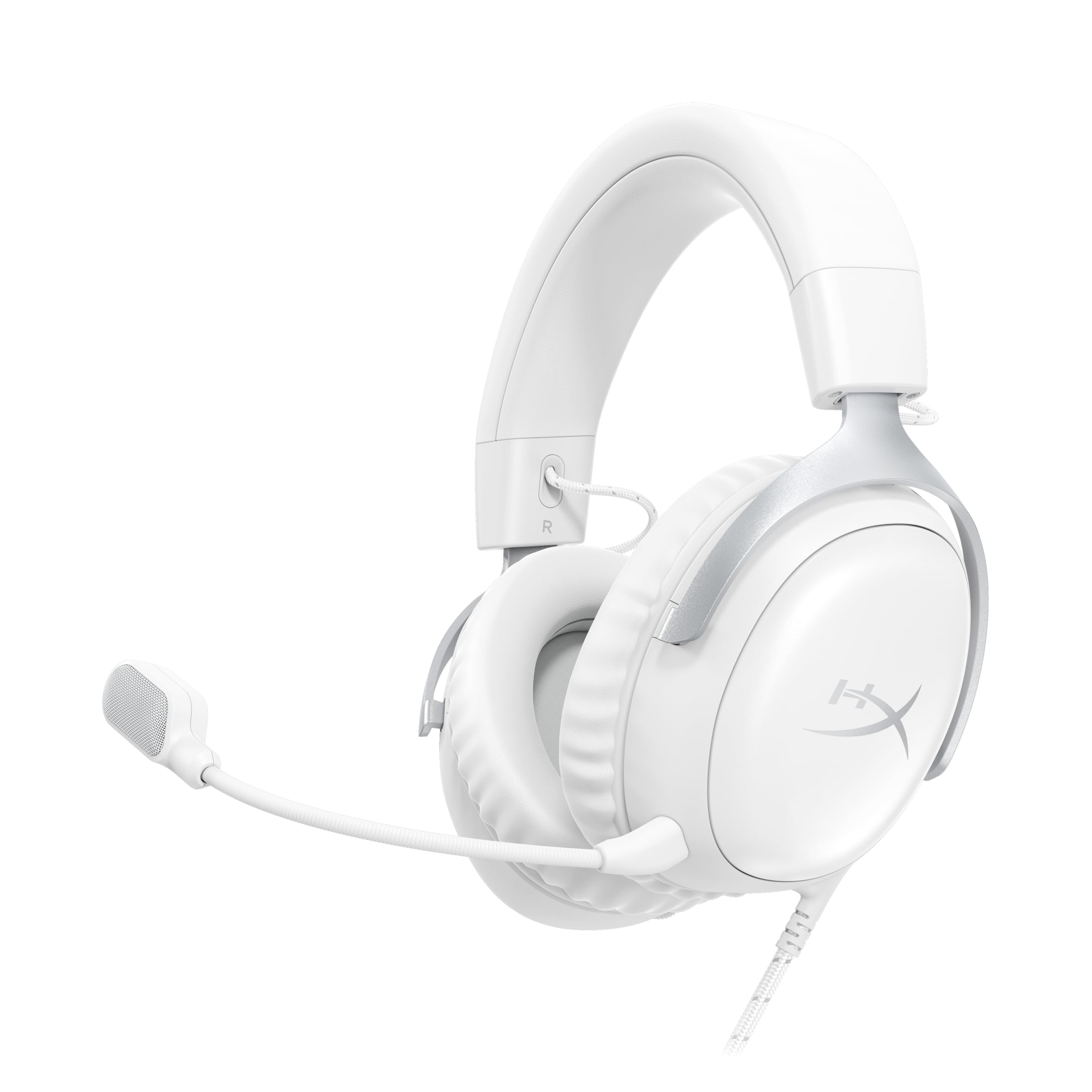
HyperX built its reputation on the Cloud series’ legendary comfort, and the Cloud III refines that formula. The signature memory foam in the headband and ear cushions, wrapped in premium leatherette, creates a plush fit that practically disappears during long gaming sessions. The angled 53mm drivers are tuned to provide a wide soundstage with excellent positional accuracy, making it easy to track footsteps and locate gunfire. The DTS Headphone:X spatial audio adds a virtual 3D stage on PC that further enhances sound localization without muddying the core audio.
The microphone is a clear upgrade from the Cloud II, with a 10mm condenser that captures voice detail accurately and a built-in mesh filter that reduces plosives and background noise. The full aluminum frame is durable and flexible, able to withstand the occasional drop or twist. Connectivity is versatile with USB-C, USB-A, and 3.5mm options, making it compatible with PC, PS5, Xbox Series X|S, Switch, and mobile devices. On-earcup controls for volume and mute are convenient and easy to find mid-game.
The audio tuning is balanced but slightly on the warmer side, which can occasionally make very delicate high-frequency cues (like the reset of a bolt-action rifle) a bit less pronounced than on more treble-forward headsets. The ear cups, while extremely comfortable, are not the largest and may press on larger ears slightly. The cable is a bit thick and can introduce some noise if it rubs against your clothing. For those who prioritize comfort and a reliable, proven design, these are minor considerations.
Why it’s great
- Best-in-class comfort for ultra-long sessions
- Precise positional audio with DTS support
- Durable full metal frame
- Broad cross-platform compatibility
Good to know
- Sound is more warm than sharply detailed for FPS
- Ear cups may be snug for very large ears
- Cable can produce some handling noise
- Wired design limits movement
7. FIFINE AmpliGame H13BP
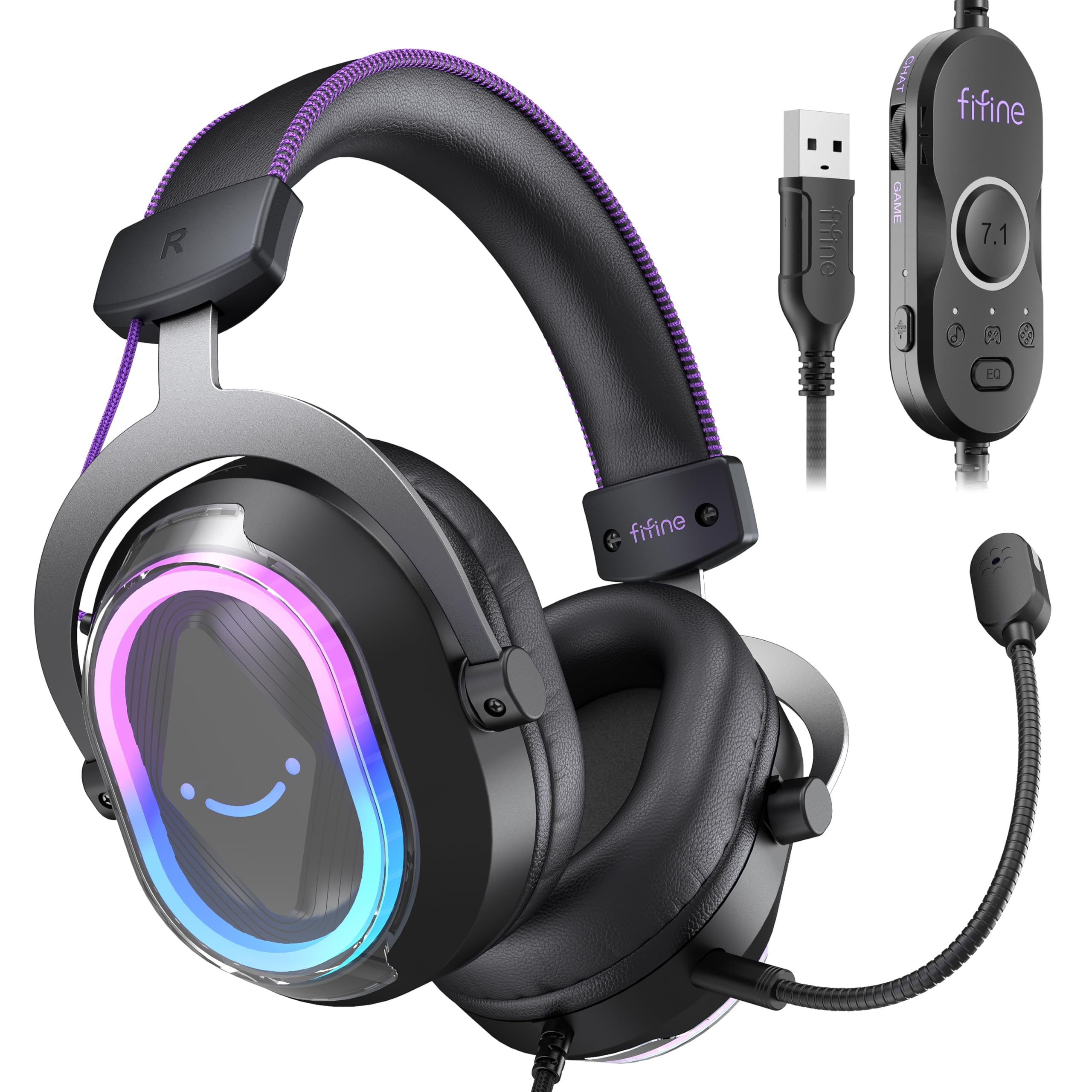
For players entering the competitive FPS space on a budget, the H13BP offers a remarkable feature set that punches above its price point. The 50mm dynamic drivers are paired with a 7.1 virtual surround sound mode that, while not as refined as premium DSP solutions, does a solid job widening the soundstage and placing directional cues. In practice, this means you can reliably tell whether that footstep is coming from the left or right, and get a rough sense of distance — enough to gain a real advantage in games like Valorant or Counter-Strike.
The build is surprisingly robust for its tier, with a sturdy metal frame and protein leather ear cushions filled with enough memory foam to stay comfortable for a few hours of play. The in-line control box is well-designed, offering a dedicated 7.1 toggle, volume wheel, game/chat balance, and a noise-cancelling mic mute with a clear red indicator. The RGB lighting on the rhombus-shaped earcups is vibrant and customizable with 11 modes, adding a stylistic flourish. The USB-A connection ensures plug-and-play compatibility with PC, PS5, and PS4.
The most significant compromise is in the microphone clarity. While the noise-cancelling feature reduces background noise, the mic itself sounds a bit thin and compressed compared to mid-range options. The 7.1 surround sound can also sound “fake” with some games, introducing a slight echo that some players may find distracting — it’s best used on a per-game basis. The ear cups are comfortable but may create some minor fatigue after a very long session. For the price, however, these are acceptable trade-offs.
Why it’s great
- Excellent value with 7.1 surround for the price
- Comfortable for medium-length sessions
- Sturdy metal frame and useful in-line controls
- Vibrant, customizable RGB lighting
Good to know
- Mic audio quality is thin and compressed
- 7.1 surround can sound artificial in some games
- USB-A only, not compatible with Xbox
- Plastic build not as premium as higher-tier options
FAQ
Is wired or wireless better for competitive FPS?
What is the best microphone polar pattern for FPS communication?
Does a higher impedance headset sound better for FPS?
What is the optimal frequency response for hearing footsteps?
Final Thoughts: The Verdict
For most users, the gaming headset for fps winner is the SteelSeries Arctis Nova Pro Wireless because it combines premium high-fidelity audio, a deep customizable soundstage via Sonar software, active noise cancellation, and the Infinity Power System that practically eliminates battery anxiety — a complete package for the dedicated competitive player. If you want the absolute best microphone clarity for your callouts and seamless dual-system switching for PC and console, grab the Logitech G522 Lightspeed. And for the player who values unlimited battery life above all else, nothing beats the Turtle Beach Stealth 700 Gen 3 with its massive 80-hour runtime and comfortable, glasses-friendly design.