
Forget everything you know about runny, fume-heavy liquid stains. A gel stain for wood uses a thick, cream-like consistency that stays exactly where you put it — no drips on vertical cabinet doors, no uneven blotches on end grain, and far less mess overall. The trade-off is that application technique matters more, and not all gel stains handle raw wood versus previously finished surfaces the same way.
I’m Mohammad Maruf — the founder and writer behind Drink4Good. I’ve spent dozens of hours analyzing the chemistry, coverage claims, and real-world application videos for this narrow category to separate the products that actually deliver rich, even color from those that leave you with a sticky, blotchy mess.
Whether you’re refinishing kitchen cabinets, restoring a staircase, or updating a piece of furniture, finding the right gel stain for wood comes down to understanding viscosity, drying time, and surface compatibility before you open the can.
How To Choose The Best Gel Stain For Wood
Choosing a gel stain is less about color and more about chemistry and consistency. The wrong base — water versus oil — can ruin your project timeline or force you to live with lingering fumes for days. Understanding a few key specs will help you match the stain to your specific surface and workspace.
Water-Based vs. Oil-Based Gel Stains
Water-based gel stains dry in about one hour, clean up with soap and water, and produce very low odor. This makes them ideal for indoor projects like kitchen cabinets or furniture where ventilation is limited. Oil-based gel stains, on the other hand, offer richer color depth and a longer open time that lets you work the stain into the grain, but they require mineral spirits for cleanup and can emit strong fumes for 24 hours or more. If you are working on a large project or have chemical sensitivities, water-based is the safer choice.
Viscosity and Application on Vertical Surfaces
The defining advantage of gel stains is their thick, no-drip consistency, but viscosity varies by brand. A stain that is too thick may feel like spreading peanut butter and leave visible brush marks or uneven patches. A stain that is too thin may run on vertical doors or trim. Look for products specifically labeled for vertical surfaces, and always test on a scrap piece first to see how the gel behaves with your chosen applicator — a rag, sponge, or foam brush.
Coverage and Project Size
Gel stains typically cover less square footage per quart than liquid stains because you apply a thicker coat. A quart covering 80 to 120 square feet is normal for gel formulas. For a single piece of furniture or a small cabinet set, a quart or even an 8-ounce jar may be enough. For an entire kitchen or a set of doors, plan on multiple quarts. The smaller containers offered by brands like Americana or Retique It are purpose-built for craft-scale work, not whole-room refinishing.
Quick Comparison
On smaller screens, swipe sideways to see the full table.
| Model | Category | Best For | Key Spec | Amazon |
|---|---|---|---|---|
| Retique It Hybrid | Water-Based | Refinishing with minimal odor | 8 oz covers 80 sq ft | Amazon |
| Heirloom Traditions | Oil-Based | No-sanding furniture flips | 16 oz pint jar | Amazon |
| Varathane Total Control | Water-Based | Large vertical surfaces indoors | Quart covers 250 sq ft | Amazon |
| Old Masters | Oil-Based | Fiberglass and primed metal | 16 oz pint bottle | Amazon |
| Americana 3-Pack | Oil-Based | Small crafts and color mixing | 3 x 2-oz bottles | Amazon |
In-Depth Reviews
1. Retique It Water-Based Gel Stain
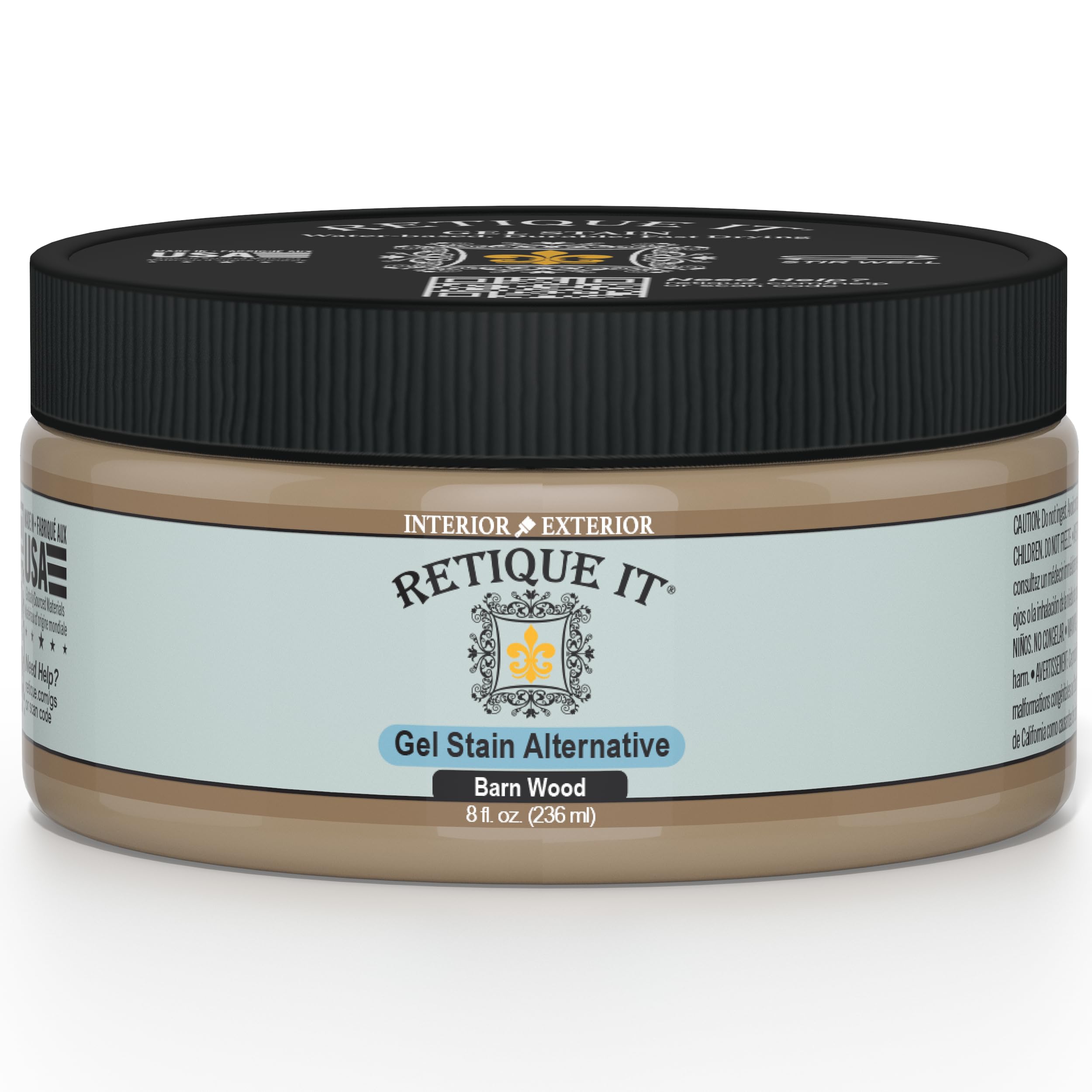
The Retique It Hybrid uses nano-technology to blur the line between a gel stain, a wood stain, and a paint glaze. Unlike thicker gel stains that sit entirely on the surface, this formula can absorb into unfinished raw wood like a traditional stain while still riding over existing finishes like a standard gel. The Barn Wood color delivers a realistic aged appearance that reviewers consistently describe as “like real wood” even on laminate or previously painted surfaces.
At 8 ounces, the jar covers approximately 80 square feet, making it a smart choice for kitchen cabinet refacing or a single furniture piece rather than whole-room projects. The water-based formula is non-toxic and hypoallergenic with a neutral smell that users compare to water rather than chemical solvents. Cleanup requires only soap and water, which saves time compared to oil-based alternatives that demand mineral spirits.
One notable limitation: the thinner consistency means it can peel if applied over painter’s tape or improperly prepared glossy surfaces. Reviewers emphasize that scuff sanding any shiny area is essential for adhesion. A few users also report that the color swatch on screen can be misleading, so ordering a sample before committing to a full project is advisable.
Why it’s great
- Works as both a gel stain and a penetrating wood stain depending on application method
- Non-toxic with virtually no odor, ideal for indoor use
- Excellent coverage per ounce for small to medium projects
Good to know
- Requires scuff sanding on any glossy or sealed surface to prevent peeling
- Color representation varies significantly between monitor and actual application
- Small 8-ounce jar may not be cost-effective for very large areas
2. Heirloom Traditions All-in-ONE Gel Stain
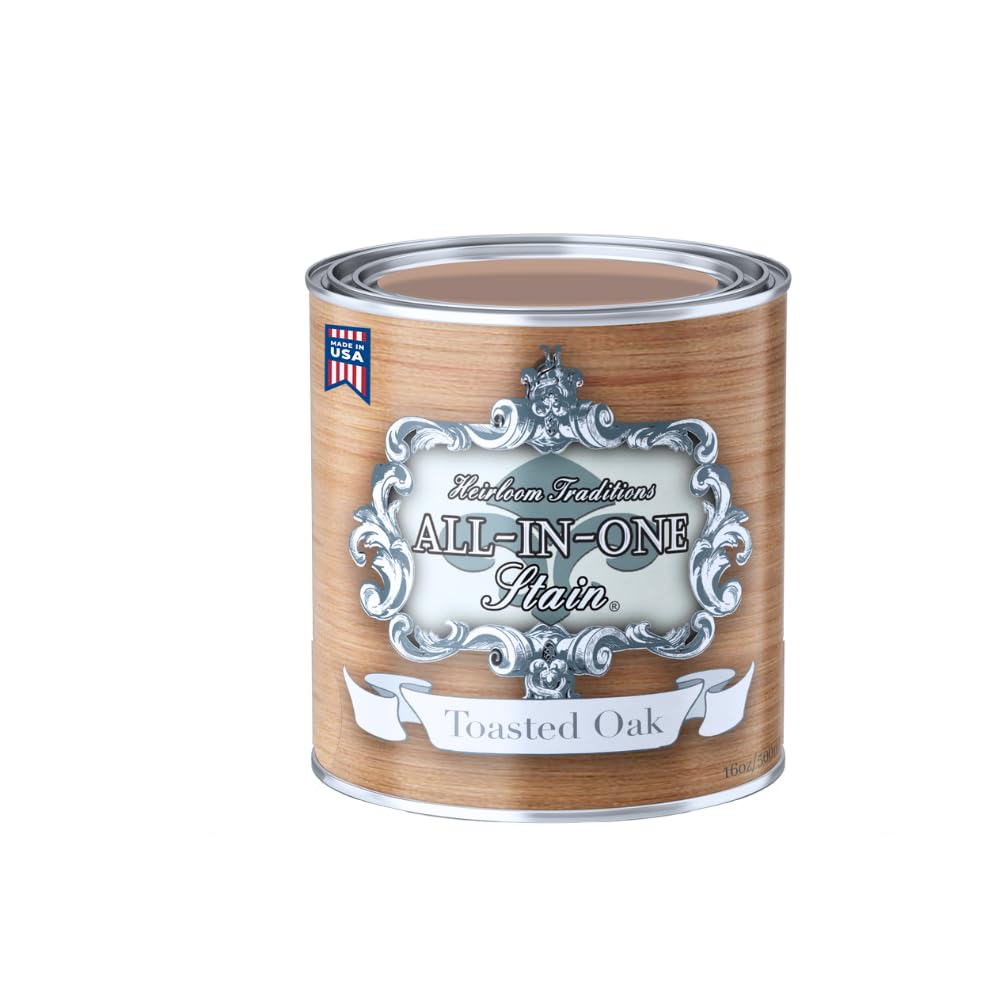
Heirloom Traditions markets this as an all-in-one solution that eliminates the need for sanding or a separate sealer, and the Toasted Oak color delivers a convincing faux raw wood appearance on surfaces ranging from wood to metal and even leather. The oil-based formula provides a rich, deep color that highlights wood grain effectively, with a creamy consistency that resists drips and runs on vertical applications like porch pillars or cabinet doors.
The 16-ounce pint jar offers solid value for medium-sized projects, and reviewers report that less than half a can is enough for two coats on a standard chest of drawers. Application requires working quickly because the oil base sets up faster than some water-based gels, and the strong fumes can linger for 24 to 30 hours, making proper ventilation mandatory. Mineral spirits are required for cleanup, which adds friction to the process compared to water-based alternatives.
User experiences are split. Many praise the rich color and professional finish, while a minority found the gel too thick to spread evenly despite following the company’s video instructions. The product performed best on previously stained or sealed wood where the gel could sit on the surface rather than absorb unevenly. For raw wood projects, a thinner traditional stain may be more predictable.
Why it’s great
- No sanding or top coat needed for many applications
- Rich color depth with excellent grain highlighting
- Multi-surface compatibility including wood, metal, and leather
Good to know
- Strong fumes require significant ventilation for 24+ hours
- Thick consistency can be difficult to spread evenly without practice
- Not a reliable one-step solution for heavily damaged or raw surfaces
3. Varathane Total Control Gel Stain
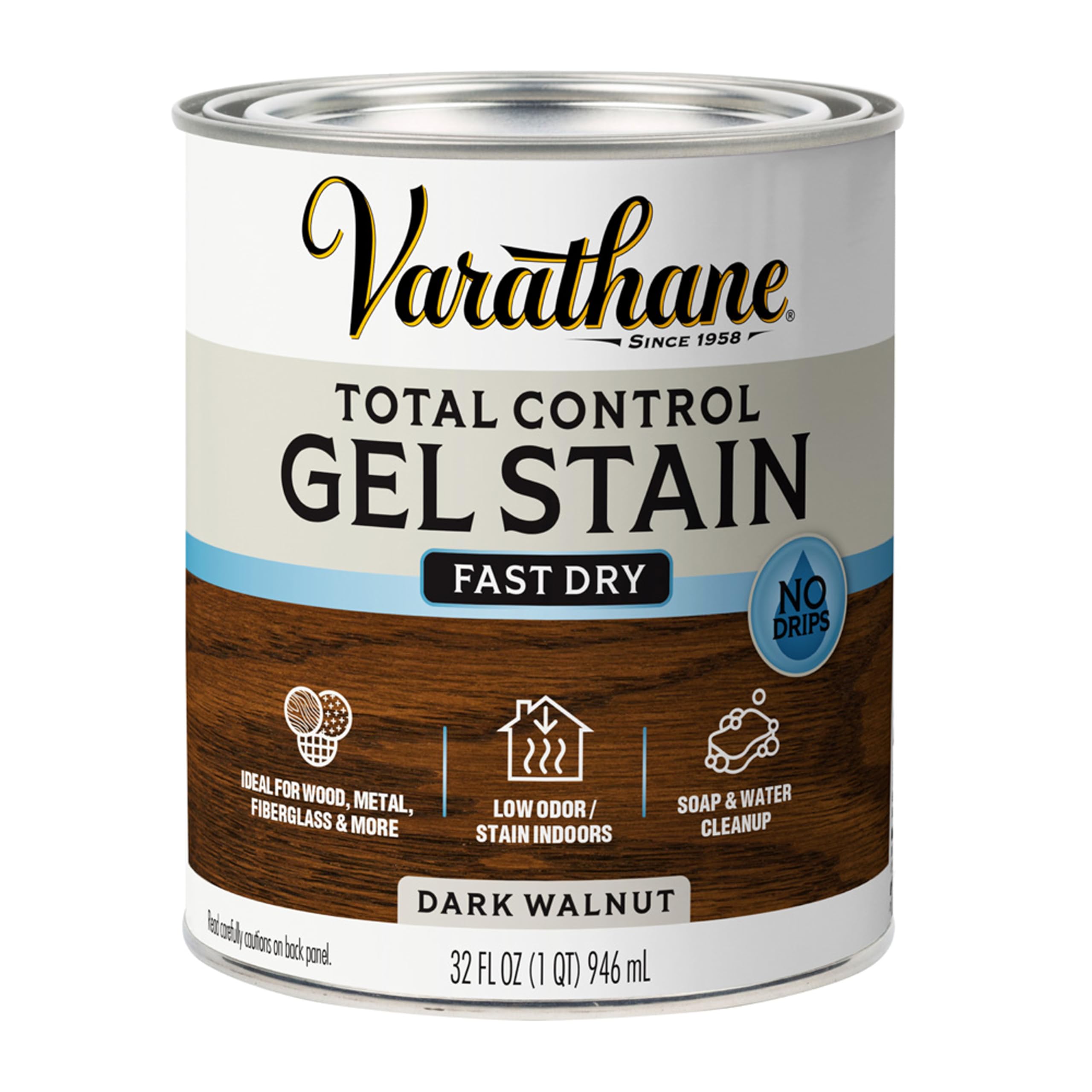
Varathane Total Control is engineered for large-scale projects with a quart that covers up to 250 square feet — more than triple the coverage of most pint-sized competitors. The water-based gel is formulated with a no-drip, low-odor chemistry that makes it suitable for indoor use on vertical surfaces like banisters, trim, and cabinet fronts. The Dark Walnut color applies as a rich, even tone that reviewers say matches the label accurately.
The drying time is a standout feature at roughly one hour, allowing for same-day multi-coat workflows. The low odor means you can work in a living space without gas masks or open windows in freezing weather. Cleanup is straightforward with soap and water. The gel is thick enough to prevent runs on vertical surfaces but can be thinned with a small amount of water if the user prefers a more fluid application for raw wood absorption.
Users advise that the formula behaves differently on bare wood versus previously sealed surfaces. On raw wood, the gel may require a light first coat and a wipe-down to avoid blotchiness. A few reviewers noted that mixing in a tablespoon of water improved workability on primer-coated surfaces. The stain is not recommended for floors, decks, or siding, so project scope matters when choosing this product.
Why it’s great
- Exceptional 250 sq ft coverage per quart for large projects
- Dries in one hour with very low odor
- Thick gel formula prevents drips on vertical applications
Good to know
- Not suitable for floors, decks, or siding
- May require thinning with water for even application on certain surfaces
- Color depth slightly less intense than oil-based gel stains
4. Old Masters Gel Stain
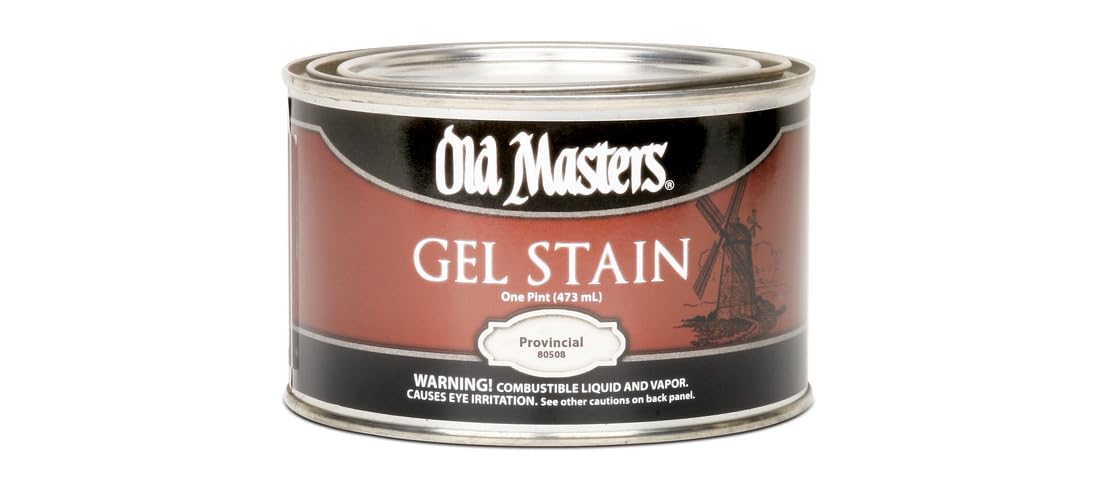
Old Masters has a reputation among woodworkers for reliable, predictable oil-based stains, and their gel formula in Provincial brown is no exception. The oil base delivers a classic rich color that deepens nicely without obscuring natural grain patterns. What sets this gel apart is its compatibility with non-wood surfaces including fiberglass and primed metal, making it a versatile choice for garage doors, fiberglass entryways, and metal trim that needs a wood-like finish.
The pint bottle covers a large surface area relative to its size because the gel spreads thin without losing color density. Reviewers highlight its fast drying time for an oil-based product, and most report no overwhelming smell, though it still requires mineral spirits for brushes and spills. The Provincial color is a warm, traditional brown that works well on honey oak cabinets and alderwood, with several users mentioning it successfully removes the orange undertones from dated oak finishes.
Application is straightforward with a cloth or brush, but the gel sets quickly when exposed to direct sunlight, so indoor or shaded work is recommended. Some users on fiberglass noted that thorough surface preparation is critical — any residual grease or wax will cause the stain to skip or pool. As with most oil-based gels, a top coat is recommended for high-traffic surfaces.
Why it’s great
- Works on wood, fiberglass, primed metal, and composition surfaces
- Rich oil-based color that shows wood grain clearly
- Fast drying relative to other oil-based gel stains
Good to know
- Requires mineral spirits for cleanup
- Sets quickly in direct sunlight, limiting outdoor use
- Not recommended for use without a separate top coat on high-wear areas
5. Americana Gel Stain 3-Pack

The Americana 3-Pack offers three 2-ounce jars in Walnut, Oak, and Maple, plus foam brushes, making it a purpose-built kit for crafters and model builders rather than furniture refinishers. The oil-based formula has a thick, creamy texture that applies evenly on small wood panels, wooden craft blanks, and model kits. Users say one coat is sufficient for a medium-dark color, and the second coat adds minimal change, which is typical for a gel that sits more on the surface than penetrates.
The three colors are noticeably distinct: Maple has a slight red undertone, Oak delivers a classic 70s furniture brown, and Walnut is a deep, coffee-like dark brown. Mixing them creates additional shades like Java or a custom color wash. Reviewers praise the lack of odor and easy application, with one calling it “the least messy stain I’ve ever used.” The included foam brushes are adequate for small projects but may shed fibers on larger surfaces.
One important caveat: some users describe this product as more of a “paint wash” than a true penetrating stain. It sits on the surface rather than soaking into the wood grain, which works well for crafts but may not give the dimensional depth that furniture-grade projects require. The cost per ounce is higher than buying a single quart, so value depends on whether you need the variety of colors or just one large quantity.
Why it’s great
- Three distinct colors in one pack for versatility and mixing
- Low odor and easy cleanup for indoor crafting
- Includes foam brushes for immediate use
Good to know
- Acts more like a paint wash than a penetrating gel stain
- Higher cost per ounce compared to larger containers
- Second coat adds little additional color depth
FAQ
Do I need to sand wood before applying a gel stain?
Can gel stain be used on vertical surfaces without dripping?
Do I need a top coat over a gel stain?
Final Thoughts: The Verdict
For most users, the gel stain for wood winner is the Retique It Hybrid because its versatile nano-technology formula works on raw wood, previously finished surfaces, and as a glaze, all with the convenience of water-based cleanup and low odor. If you want massive coverage for a large indoor project like a full kitchen cabinet set, grab the Varathane Total Control for its 250-square-foot quart and one-hour drying time. And for a no-sanding, multi-surface application where color depth matters most, nothing beats the Heirloom Traditions All-in-ONE.