
That monthly rental fee you pay your internet provider for a modem and router? It adds up fast, and the device you’re renting is likely entry-level hardware that doesn’t match your home’s needs. The real issue isn’t the fee though; it’s the performance ceiling. A rental unit often struggles with multiple streaming devices, gaming consoles, and smart home gadgets, leading to buffering, lag, and frustrating dead zones that a modern home network doesn’t have to tolerate.
I’m Mohammad Maruf — the founder and writer behind Drink4Good. I spend my time deep-diving into the specifications, chipset roadmaps, and real-world compatibility of networking hardware to understand what truly separates a good connection from a great one.
The right device eliminates the rental fee and future-proofs your home for multi-gig internet plans. After evaluating dozens of models across every tier, I’ve compiled the definitive guide to the best gigabit modem router — an all-in-one solution that delivers superior coverage and speed without the clutter of two separate boxes.
How To Choose The Best Gigabit Modem Router
Picking the right modem router combo means understanding your internet plan and your home’s layout. The wrong choice leads to throttled speeds or a weak signal that doesn’t reach your home office or media room. Here’s how to decode the specs that matter.
DOCSIS Standard: 3.1 or 3.0
DOCSIS 3.1 is the non-negotiable standard for any gigabit cable internet plan. It supports the channel bonding and OFDM technology required to hit 1 Gbps download speeds and beyond. A DOCSIS 3.0 modem caps out around 1 Gbps under ideal conditions but lacks the headroom for multi-gig plans or the improved latency that 3.1 provides. Always check your ISP’s approved modem list before buying, as compatibility lists vary.
Wi-Fi Generation and Coverage
Wi-Fi 5 (802.11ac) is outdated for modern homes with more than a few devices. Wi-Fi 6 (802.11ax) is the current sweet spot for gigabit internet, handling 20+ devices without slowdowns. If you plan to upgrade to a multi-gig plan or have a very large home with many smart devices, Wi-Fi 7 (802.11be) offers future-proofing with higher throughput and lower latency. Pay attention to the number of spatial streams and the router’s stated coverage in square feet.
Ports and Wired Backhaul
For a true gigabit experience, the router must have at least one Gigabit Ethernet port. For multi-gig plans, look for a 2.5 Gbps or 10 Gbps port. If you plan to use an external switch or a mesh node, having multiple Gigabit LAN ports allows for wired backhaul, which is more reliable than wireless meshing. Check the number of LAN ports — four is standard for a fully wired home office and entertainment setup.
Quick Comparison
On smaller screens, swipe sideways to see the full table.
| Model | Category | Best For | Key Spec | Amazon |
|---|---|---|---|---|
| Arris G36-RB | Mid-Range Combo | Whole-home Wi-Fi 6 | DOCSIS 3.1, 1.2 Gbps | Amazon |
| NETGEAR CAX30 (Renewed) | Mid-Range Combo | Compact Wi-Fi 6 | DOCSIS 3.1, 2.7 Gbps | Amazon |
| Arris SBG8300-RB (Renewed) | Entry-Level Combo | Budget gigabit upgrade | DOCSIS 3.1, 1 Gbps | Amazon |
| GL.iNet Flint 3e BE6500 | Wi-Fi 7 Router | VPN and custom firmware | Wi-Fi 7, 6.5 Gbps | Amazon |
| Synology RT6600ax | Prosumer Router | Advanced network control | Tri-band, 2.5GbE port | Amazon |
| TP-Link Archer BE800 | Premium Wi-Fi 7 | Multi-gig home labs | Wi-Fi 7, dual 10G ports | Amazon |
| ASUS ROG Strix GS-BE12000 | Gaming Router | Low-latency gaming | Wi-Fi 7, quad-core CPU | Amazon |
| ASUS RT-BE96U | Premium Wi-Fi 7 | Future-proof mesh ready | Wi-Fi 7, dual 10G ports | Amazon |
| NETGEAR Nighthawk RS700S | Top-Tier Wi-Fi 7 | Ultimate coverage and speed | Wi-Fi 7, 10G port, 3500 sq. ft. | Amazon |
In‑Depth Reviews
1. Arris G36-RB (Renewed)

The Arris G36-RB is the sweet spot for most households, combining a DOCSIS 3.1 modem with a Wi-Fi 6 AX3000 router in one reliable unit. This combo supports internet plans up to 1.2 Gbps, which means you’ll get full use of a gigabit cable connection without any bottleneck from the modem side. The dual-band Wi-Fi 6 delivers strong coverage across about 2,500 square feet, easily handling 4K streaming, video calls, and multiple gaming consoles simultaneously.
Setup is straightforward using the Arris app, and the unit is certified for Xfinity, Spectrum, and Cox, among others. Users consistently report that once activated, the connection is stable with fewer dropouts than older DOCSIS 3.0 modems. The four Gigabit Ethernet ports provide plenty of wired options for a home office PC, gaming console, and a smart TV without needing an external switch.
One area to note is that the web admin interface could use a usability refresh, and a small number of users have experienced intermittent Wi-Fi drops that required a power cycle. For the money, however, the G36-RB delivers a fantastic balance of modem performance and wireless speed, effectively saving you the annual rental fee from your ISP.
Why it’s great
- DOCSIS 3.1 ready for multi-gig cable plans
- Wi-Fi 6 handles 20+ devices without slowdown
- Four Gigabit LAN ports for wired devices
Good to know
- Web admin interface is dated
- Some units may need occasional power cycling
- Refurbished; check warranty period
2. NETGEAR Nighthawk CAX30 (Renewed)

The NETGEAR Nighthawk CAX30 is a solid contender that merges a DOCSIS 3.1 modem with a Wi-Fi 6 router, rated for speeds up to 2.7 Gbps. The modem portion is capable of handling gigabit cable plans from Xfinity, Spectrum, and Cox, while the Wi-Fi 6 router delivers good coverage for homes around 2,000 square feet. The Nighthawk app simplifies the initial setup and ongoing management, making it a viable option for those who prefer a clean, app-driven experience.
Performance-wise, the CAX30 provides reliable, low-latency connections for gaming and streaming. The dual-band design is adequate for most households, though heavy users may want to consider a tri-band model for larger homes. The unit is also available refurbished, which brings down the cost significantly compared to buying new, and users who have gone this route report that the hardware performs like new.
A point of caution: the CAX30 lacks a physical WPS button, which some users need for connecting older printers or extenders. Also, the maximum coverage may fall short for homes exceeding 2,500 square feet without a mesh extender. For a smaller to medium home, this is a fantastic combo that cuts the cord with your ISP’s rental fees while delivering strong Wi-Fi 6 performance.
Why it’s great
- Excellent app-based setup and management
- Good throughput for gigabit internet plans
- Refurbished models offer great value
Good to know
- No physical WPS button
- Coverage best for homes under 2,000 sq. ft.
- Renewed; warranty may vary
3. Arris SBG8300-RB (Renewed)

The Arris SURFboard SBG8300-RB is an entry-level but capable combo featuring a DOCSIS 3.1 modem paired with a Wi-Fi 5 (AC2350) router. This pairing means you get the vital gigabit-ready modem technology without the premium cost of a Wi-Fi 6 router. It’s a practical choice for those on a gigabit plan who primarily use wired connections or have a modest number of wireless devices that don’t require the latest Wi-Fi generation.
The modem side is rock solid, bonding 32 downstream channels to deliver the full speed of your internet plan. Setup is easy with the SURFboard app, and the device is approved for major US cable providers. The built-in Wi-Fi 5 is fine for streaming 4K on a few TVs and browsing, but it may bottleneck if you have a dozen devices all demanding high bandwidth simultaneously.
The main tradeoff here is the older Wi-Fi 5 standard. If your home has many smart devices or you game competitively over Wi-Fi, you’ll notice the difference versus Wi-Fi 6. However, if you need a reliable modem combo that eliminates the rental fee and you’re willing to invest in a separate Wi-Fi 6 mesh system later, the SBG8300-RB is a superb value play.
Why it’s great
- Reliable DOCSIS 3.1 modem for gigabit plans
- Simple setup with the SURFboard app
- Very affordable way to stop paying rental fees
Good to know
- Wi-Fi 5 lacks multi-user performance of newer standards
- No WPS button for older devices
- Refurbished; verify ISP compatibility list
4. GL.iNet Flint 3e BE6500
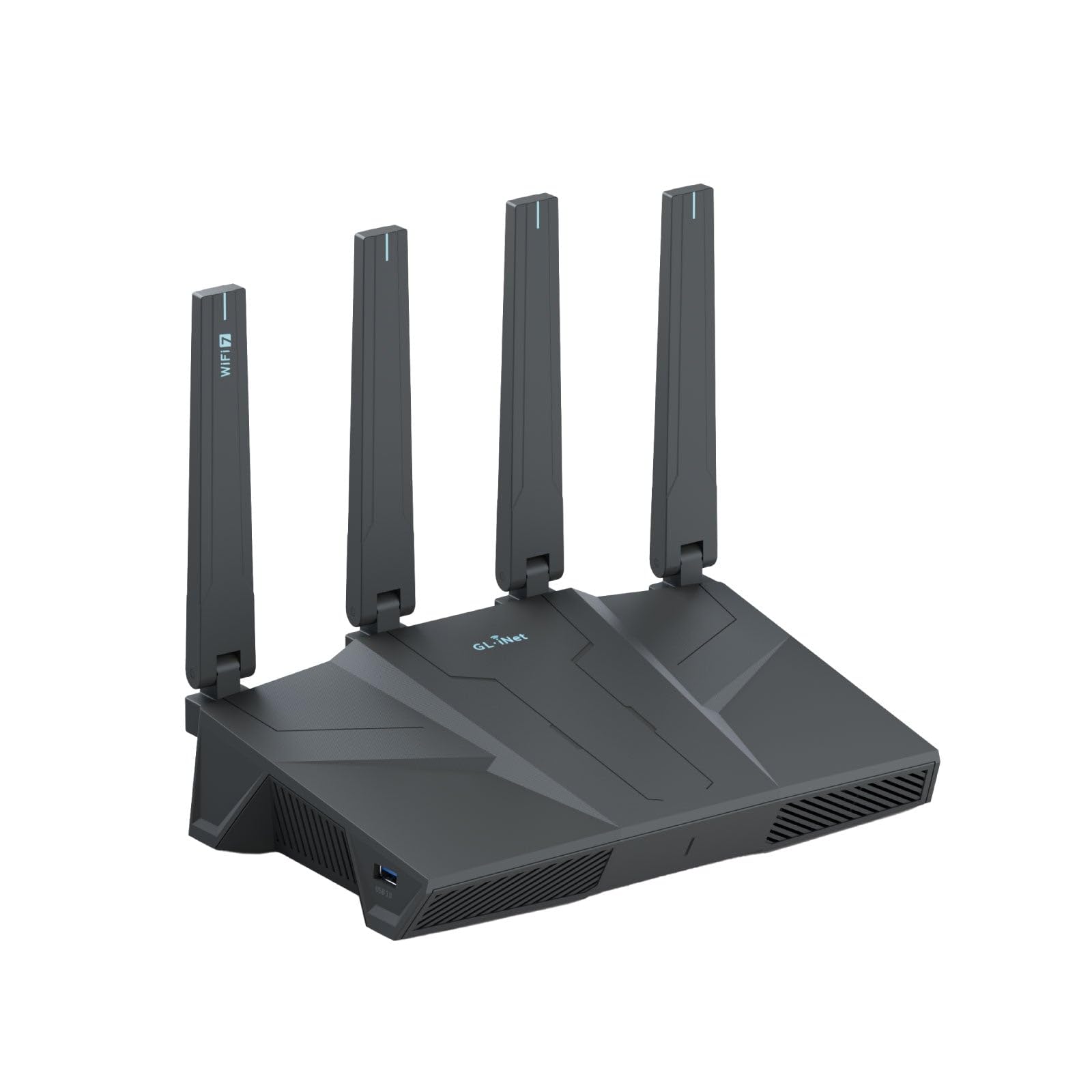
The GL.iNet Flint 3e BE6500 is not a modem combo but a high-performance Wi-Fi 7 router that excels when paired with your existing modem. Its standout feature is the ability to run WireGuard and OpenVPN at speeds up to 680 Mbps, making it an excellent choice for users who prioritize a secure, VPN-protected home network. The hardware includes five 2.5 Gigabit Ethernet ports, offering ample wired throughput for a gaming PC, NAS, and a media server.
Setup is done through a web browser, and the router supports advanced features like AdGuard Home for ad blocking and Bark for parental controls. The coverage is rated for up to 2,500 square feet, and the dual-band Wi-Fi 7 with Multi-Link Operation (MLO) delivers low latency for online gaming. Users report that once configured, the connection is rock solid with great signal strength throughout a typical home.
The main drawback is that the Flint 3e cannot run vanilla OpenWRT without modification, limiting advanced users who want complete control. For those who need a secure, VPN-centric network with modern Wi-Fi 7 speed, this is a specialized and powerful tool.
Why it’s great
- Exceptional WireGuard and OpenVPN speeds
- Five 2.5 Gigabit Ethernet ports for wired networks
- Wi-Fi 7 with low latency MLO support
Good to know
- Setup requires more time and technical know-how
- Cannot flash vanilla OpenWRT
- No built-in cable modem required
5. Synology RT6600ax

The Synology RT6600ax is a prosumer tri-band Wi-Fi 6 router that puts network management first. It runs Synology Router Manager (SRM), a powerful operating system that offers VLAN segmentation, multiple SSIDs, detailed parental controls, and a comprehensive VPN server with up to 40 client licenses. This router is a dream for tech-savvy homeowners who want to create isolated IoT networks or set up a site-to-site VPN tunnel.
The hardware includes one 2.5 Gigabit WAN port and four Gigabit LAN ports. The tri-band design (one 2.4 GHz and two 5 GHz bands) includes expanded 5.9 GHz spectrum support for additional 160 MHz channels, providing strong throughput for a busy home. The Threat Prevention add-on adds an extra layer of security, inspecting traffic for malicious activity without subscription fees.
The major limitation is the single 2.5 Gigabit port and the lack of a USB port that is reliably compatible with all drives for the Threat Prevention feature. Also, the 5 GHz auto-channel selection can be poor, requiring manual configuration for best performance. For those who value network control and security over raw speed, the RT6600ax is an outstanding choice.
Why it’s great
- Best-in-class SRM software for network control
- Free VPN server with 40 client licenses
- Excellent parental controls and threat prevention
Good to know
- Only one 2.5 Gigabit port
- No Wi-Fi 6E support
- Auto 5 GHz channel selection is unreliable
6. TP-Link Archer BE800

The TP-Link Archer BE800 is a statement piece for any home network, boasting tri-band Wi-Fi 7 speeds up to 19 Gbps and a futuristic LED screen on the front. This is a pure router that requires a separate modem, but it’s built for users with multi-gig internet plans who want the fastest possible wireless and wired connectivity. It features two 10 Gbps ports (one RJ45 and one SFP+/RJ45 combo) and four 2.5 Gbps ports, making it ready for any future internet plan.
The Wi-Fi 7 performance is exceptional, with Multi-Link Operation and 320 MHz channels on the 6 GHz band. In practice, users with a 1 Gbps plan see full speeds on Wi-Fi across the home, and the range is impressive for a large home. The EasyMesh support allows for seamless whole-home coverage with compatible TP-Link extenders, while the HomeShield security provides free basic network protection.
One quirk is that some users report the LED screen can be distracting, and the “used” market units can be defective. Also, the Wi-Fi 7 features may require firmware updates to stabilize early-adopter hardware. For those committed to the latest Wi-Fi standard with wired connectivity up to 10 Gbps, the Archer BE800 is a powerful, future-proof foundation.
Why it’s great
- Insane Wi-Fi 7 speeds with 19 Gbps aggregate
- Dual 10 Gbps ports for fiber connections
- Mesh-ready with EasyMesh compatibility
Good to know
- No built-in cable modem required
- LED screen may be distracting in media rooms
- Wi-Fi 7 features may need firmware updates
7. ASUS ROG Strix GS-BE12000
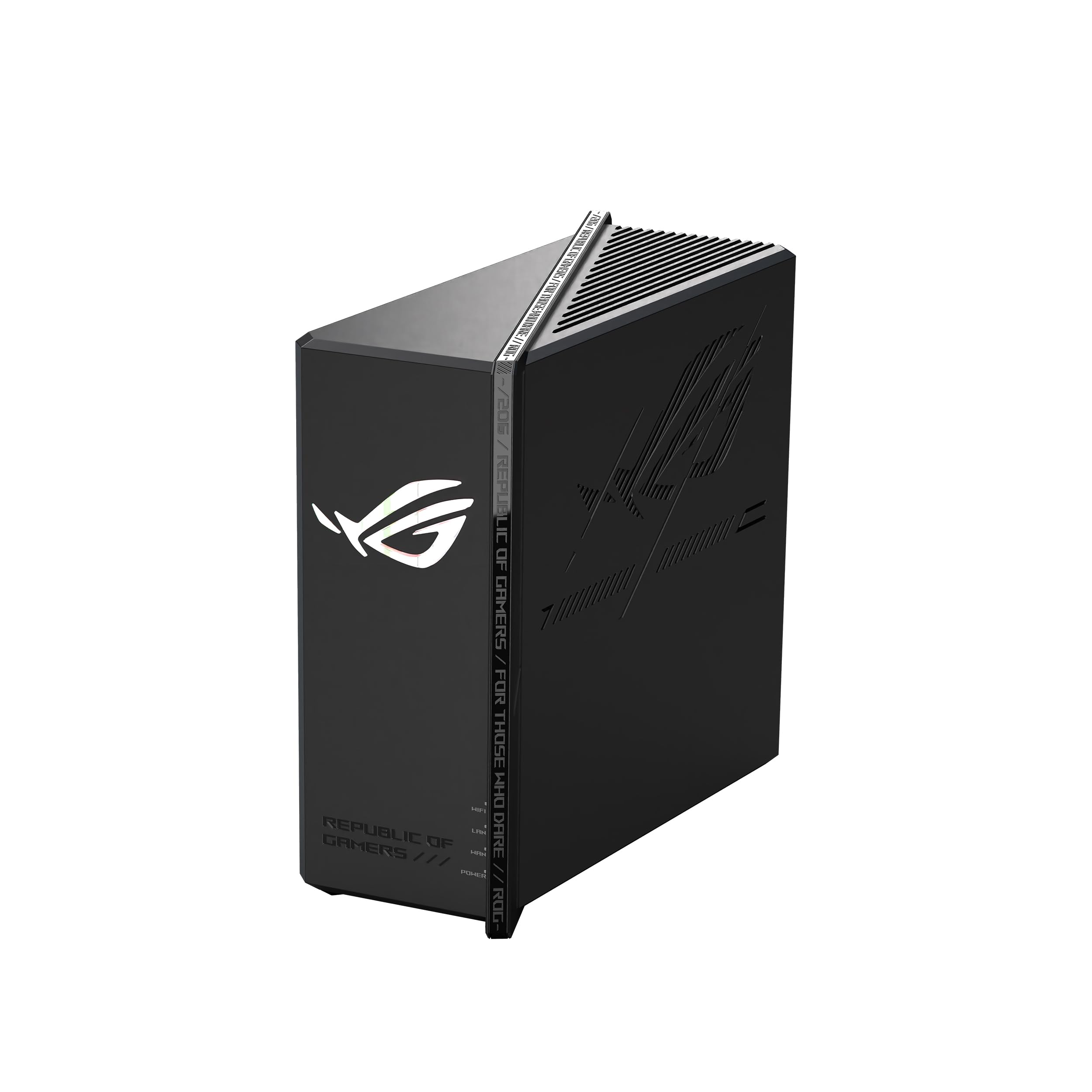
The ASUS ROG Strix GS-BE12000 is a tri-band Wi-Fi 7 router engineered for hardcore gamers and power users. With a 2.0 GHz quad-core CPU and 2 GB of RAM, this router can handle the most demanding network loads. The wired connectivity is exceptional, offering one 2.5 Gbps WAN port and seven 2.5 Gbps LAN ports, allowing you to wire every gaming PC and console at multi-gig speeds without a separate switch.
The Wi-Fi 7 performance benefits from 320 MHz channels on the 6 GHz band, and the ROG-exclusive Gaming Network SSID streamlines traffic prioritization. The AiProtection Pro security is subscription-free and provides commercial-grade protection. Users upgrading from older ASUS routers report a noticeable jump in speed and coverage, with a stable connection for 14+ devices simultaneously after initial setup quirks.
The primary drawbacks are the lack of native VLAN support (only IoT SSID segmentation) and a difficult initial setup phase for some users. The web GUI is also gamer-centric, which may not appeal to everyone. For those who prioritize low-latency gaming and extensive wired ports, the GS-BE12000 is a top-tier choice.
Why it’s great
- Seven 2.5 Gbps LAN ports for a wired gaming rig
- Powerful 2.0 GHz quad-core CPU
- Subscription-free AiProtection Pro security
Good to know
- No native VLAN support
- Initial setup can be problematic for some users
- Gamer-centric design may not suit everyone
8. ASUS RT-BE96U

The ASUS RT-BE96U is a top-tier Wi-Fi 7 router that balances speed and flexibility, featuring dual 10 Gbps ports and support for 6 GHz with 320 MHz bandwidth. This router is designed for large homes and dense device environments, with AiMesh support allowing you to create a seamless mesh network with compatible ASUS routers. The subscription-free AiProtection Pro adds a layer of network security without recurring costs.
Performance is strong, with users reporting a 20% speed increase over Wi-Fi 6E routers and a stable connection handling 35 devices without reboots. The dual 10 Gbps ports are future-proof for multi-gig fiber plans, and the router’s coverage is solid for a large home. Setup is manageable through the ASUS app, though fine-tuning MLO and dual-WAN settings takes some time.
The biggest downsides are the price point and the lack of 2.5 Gbps LAN ports; the only high-speed ports are the two 10 Gbps ones, which may force you to use a 10 Gbps switch for wired devices. Also, the router is physically large and cannot be wall-mounted. For users building a premium mesh system with the latest Wi-Fi 7 standard, the RT-BE96U is a future-proof anchor.
Why it’s great
- Dual 10 Gbps ports for fiber internet
- AiMesh support for seamless whole-home coverage
- Subscription-free AiProtection Pro
Good to know
- No 2.5 Gbps LAN ports; only 10 Gbps
- Cannot be wall-mounted
- Higher price point than comparable models
9. NETGEAR Nighthawk RS700S

The NETGEAR Nighthawk RS700S is the most powerful standalone router in this lineup, delivering tri-band Wi-Fi 7 speeds up to 19 Gbps with coverage rated for 3,500 square feet. This is a pure router, meaning you’ll need a separate cable modem, but its 10 Gig internet port and four 1 Gig LAN ports ensure there’s no bottleneck for even the fastest plans. The 360-degree antenna design provides exceptional signal strength through brick walls and multi-story homes.
Performance is outstanding, with users reporting full gigabit speeds over Wi-Fi 6GHz and strong connections on 5GHz that penetrate walls better than any other router in this list. The Nighthawk app makes setup simple, and the router handles 33+ devices simultaneously without a hiccup. The included one-year NETGEAR Armor subscription adds an extra layer of security for the first year.
The primary drawback is that the 6 GHz band lacks the same wall penetration as 5GHz, requiring close proximity for full speed. Also, the price is premium, placing it firmly in the high-end bracket. For those with very large homes or who want the absolute best coverage and speed without a mesh system, the RS700S is the undisputed champion.
Why it’s great
- Unmatched coverage up to 3,500 sq. ft.
- 10 Gigabit port for the fastest internet plans
- Strong signal penetration through walls
Good to know
- Requires a separate cable modem
- 6 GHz band range is shorter than 5 GHz
- Premium price point
FAQ
Does a gigabit modem router combo eliminate the need for a separate router?
Will any DOCSIS 3.1 modem work with Xfinity or Spectrum?
Do I need a modem with Wi-Fi 7 if my internet plan is only 1 Gbps?
Final Thoughts: The Verdict
For most users, the best gigabit modem router winner is the Arris G36-RB because it combines the critical DOCSIS 3.1 modem with Wi-Fi 6 at a price point that saves you from rental fees without breaking the bank. If you want the ultimate coverage and speed for a very large home, grab the NETGEAR Nighthawk RS700S (pair with a separate DOCSIS 3.1 modem). And for advanced network control and security, nothing beats the Synology RT6600ax.