
Wiping down a mirror or wine glass only to be left with a haze of lint, tiny fibers, or smudges is a particular form of frustration. The difference between a disappointing smear and a dazzling, crystal-clear finish comes down to the specific weave and material of the cloth you use. Standard cotton rags or paper towels simply shred fibers and push oils around, making the task twice as hard.
I’m Mohammad Maruf — the founder and writer behind Drink4Good. I’ve spent years analyzing the construction, GSM density, and weave patterns of microfiber textiles to separate the true glass-polishing performers from the generic dusters that merely shift debris.
Whether you’re polishing stemware, restoring a foggy windshield, or keeping your eyeglasses spotless, choosing the right tool transforms a chore into a satisfying result. This guide cuts through the marketing to find the truest best glass cleaning cloth for your specific cleaning scenario.
How To Choose The Best Glass Cleaning Cloth
Not all microfiber is created equal. The wrong cloth can scratch a delicate lens or leave a fuzzy residue on a freshly polished mirror. To make a confident choice, you need to focus on the specific traits that make a cloth truly glass-safe and polishing-effective.
Weave Type: Waffle vs. Flat Knit vs. Plush
The weave pattern directly influences how the cloth picks up and traps oils and dust. A waffle weave (sometimes called a honeycomb pattern) creates tiny pockets that grab grime without scratching, making it ideal for fine crystal and eyeglasses. A flat knit works well for large surface areas like windows, while a plush, high-pile weave is better for buffing but can sometimes leave lint if the edges are not sealed.
Split Fiber Technology and GSM
True glass cleaning cloths are made from split microfiber — where each microscopic strand is split to create a star-shaped cross-section that acts like a tiny hook to lift and trap dirt. The GSM (grams per square meter) measures density. For glass polishing, a mid-range GSM (200-350) strikes the right balance: high enough to be absorbent without being too bulky to maneuver around delicate stems or frames.
Edge Sealing and Washability
An unsealed edge will fray after a few washes, shedding fibers onto your clean surface. Look for cloths with laser-cut or stitched edges that resist unraveling. A reusable cloth that survives hundreds of machine washes without degrading its split fiber structure is the hallmark of a premium glass-cleaning investment.
Quick Comparison
On smaller screens, swipe sideways to see the full table.
| Model | Category | Best For | Key Spec | Amazon |
|---|---|---|---|---|
| MagicFiber Microfiber 30 Pack | Premium | Eyeglasses & Electronics | 6×7 inches; 30 cloths | Amazon |
| SINLAND Glass Polishing 2 Pack | Premium | Wine Glasses & Stemware | 20×25 inches; large | Amazon |
| MR.SIGA All-Purpose 12 Pack | Mid-Range | Windows & Kitchen Glass | 12.6×12.6 inches; 12 cloths | Amazon |
| Kaywos Zezo-Fiber 11 Pack | Mid-Range | Auto Glass & Windshields | 16×15 inches; 11 cloths | Amazon |
| Mcsher Microfiber 6 Pack | Budget | Portable & On-the-Go | 6×7 inches; 6 cloths | Amazon |
In-Depth Reviews
1. MagicFiber Microfiber Cleaning Cloth

MagicFiber has earned a reputation among eyeglass wearers and photographers for a reason. The cloth uses a high-density split-microfiber weave that feels extremely soft to the touch but aggressively grabs oils and dust particles without needing any cleaning solution. Each of the 30 cloths is individually polybagged, keeping them lint-free and ready to deploy from a glove box or camera bag. Users consistently note that it clears smudges from phone screens and camera lenses with zero marking.
The texture is notably finer than generic microfiber, which makes it suitable for lenses and delicate electronics where scratching is a real concern. The 6×7-inch size is purpose-built for portability — small enough to tuck into a tablet case but large enough to handle a pair of reading glasses or a laptop screen. The cloth is also water-resistant, so a light mist works well to break down greasy residue from cooking or sunscreen.
While some users report that the cloths lose a bit of their initial absorbency after multiple washes, the sheer number of cloths in the pack means you will have replacements ready for months. They are less effective on large, greasy surfaces like full windows or auto windshields compared to a dedicated polishing towel, but for precision glass and lens cleaning, this is the benchmark.
Why it’s great
- Extremely soft, fine weave safe for coated lenses
- Individual packaging keeps each cloth pristine
- Massive 30-pack provides incredible replacement value
Good to know
- Small size limits its use on larger glass surfaces
- Not ideal for heavy grease or stubborn auto glass grime
2. SINLAND Microfiber Glass Polishing Cloths

Designed specifically for wine glass polishing, the SINLAND cloths are an oversized 20×25 inches — a dimension that lets you wrap an entire goblet in one pass without wrinkling the cloth. The 80% polyester and 20% polyamide split-fiber blend creates a texture that is dense enough to polish out hard water spots and fingerprints from crystal stemware without leaving a trace of lint behind. Restaurant reviewers found it indispensable for bar glass polishing on busy service nights.
The waffle-weave structure is the key differentiator here. The geometric pattern creates micro-tunnels that trap moisture and mineral deposits, which means you can polish a glass dry with just a damp cloth and get a brilliant, streak-free finish. Users with hard water have noted a dramatic reduction in the cloudy residue left on drinking glasses after washing, as this cloth absorbs the calcium deposits rather than spreading them around.
It is worth noting that these are designed as dedicated polishing towels rather than all-purpose cleaning rags. They perform best when used only on glass or stainless steel, as cross-contamination with heavy kitchen grease can clog the fibers. They are machine-washable and fast-drying, but should be line-dried or tumble-dried on no-heat to preserve the split fiber integrity.
Why it’s great
- Oversized 20×25-inch format wraps around large stemware easily
- Waffle weave traps water spots and hard water minerals
- Professional-grade polishing results with just water
Good to know
- Not suitable for heavy-duty kitchen mess or greasy surfaces
- Only two cloths per pack; best used as dedicated glass towels
3. MR.SIGA Microfiber Cleaning Cloth 12 Pack

The MR.SIGA cloths hit a sweet spot between general-purpose utility and glass-specific performance. Measuring 12.6 x 12.6 inches, they are large enough to fold twice and still have a fresh surface for each wipe on a window or mirror. The material is a 300 GSM microfiber with reinforced edge stitching, which gives it a notably thicker, more substantial feel than budget alternatives. Users report that they rinse out easily and dry quickly without developing the musty odor that plagues cheaper rags.
On glass surfaces, the cloth performs well when used slightly damp. It lifts fingerprints and dust from glass tabletops and microwave doors without leaving streaks, which is a common failure point for lower-density cloths. The absence of a specialized weave pattern means it is not quite as specialized for crystal polishing as the SINLAND, but it handles everyday glass cleaning — windows, mirrors, shower doors — with consistent, reliable results.
The 12-pack durability is the major selling point. Owners mention that these cloths survive repeated machine washing and still pick up debris effectively. The white color makes it easy to spot dirt buildup, so you know exactly when to switch to a fresh cloth. They are also versatile enough to replace sponges in the kitchen, making them a strong choice for anyone who wants one bulk buy to handle glass, stainless steel, and countertops.
Why it’s great
- Thick, 300 GSM density provides excellent absorbency
- Reinforced edges hold up to hundreds of machine washes
- Versatile size works well on both windows and kitchen glass
Good to know
- Not as specialized for fine crystal as dedicated polishing cloths
- White color shows stains more readily than darker cloths
4. Kaywos Zezo-Fiber Microfiber Cleaning Cloths 11 Pack
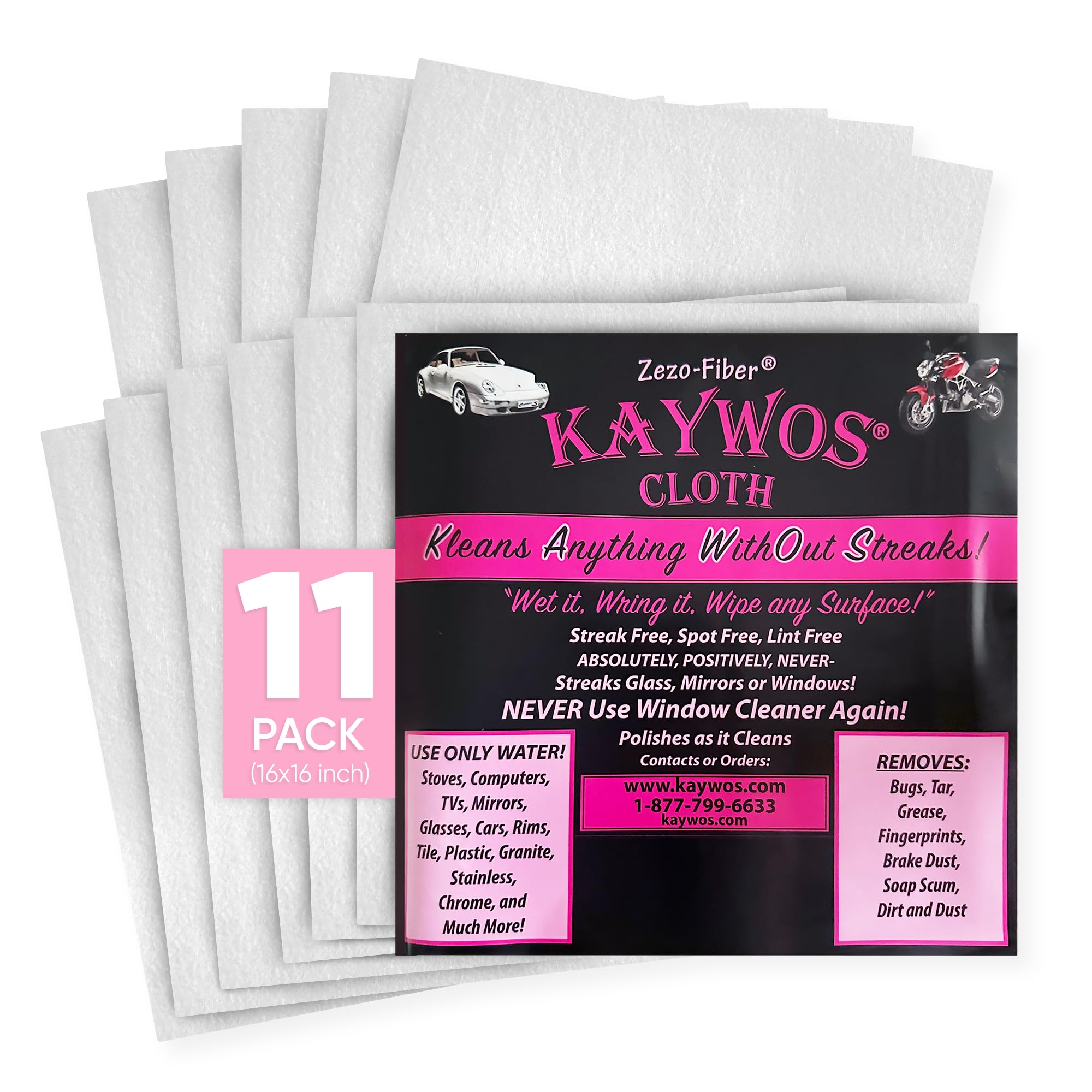
The Kaywos cloths use a proprietary “Zezo-Fiber” technology designed to unlock the cleaning power of plain water. The claim holds up in practice: users report that lightly dampening this cloth and wiping a car windshield or interior mirror produces a streak-free, crystal-clear finish without any glass cleaner or chemical spray. The 16×15-inch size is proportioned for automotive use, giving enough surface area to wipe a full windshield quadrant in one motion.
The construction feels denser than standard microfiber, with a tight weave that resists snagging on rough edges or wiper blades. It excels at removing the stubborn film of exhaust residue and road grime that accumulates on interior glass. Owners of cars with large panoramic roofs and touchscreens have found it particularly useful, as the cloth cleans both the glass and the dashboard display without leaving lint behind on the leather or plastic.
While the cloth is marketed as multi-purpose, its true strength is in glass and polished metal surfaces. It does not perform as well on porous surfaces or heavy kitchen grease compared to a thicker kitchen rag. The pack includes 11 cloths, which is a good volume for keeping several in the car and several in the house. They are machine-washable but should be washed without fabric softener to maintain the fiber’s electrostatic attraction to dust.
Why it’s great
- Streak-free cleaning on auto glass with just water mist
- Dense, snag-resistant weave ideal for car interiors
- Effective at removing road grime and exhaust film
Good to know
- Less effective on heavy kitchen grease or porous surfaces
- Requires washing without fabric softener to maintain performance
5. Mcsher Microfiber Cleaning Cloths 6 Pack
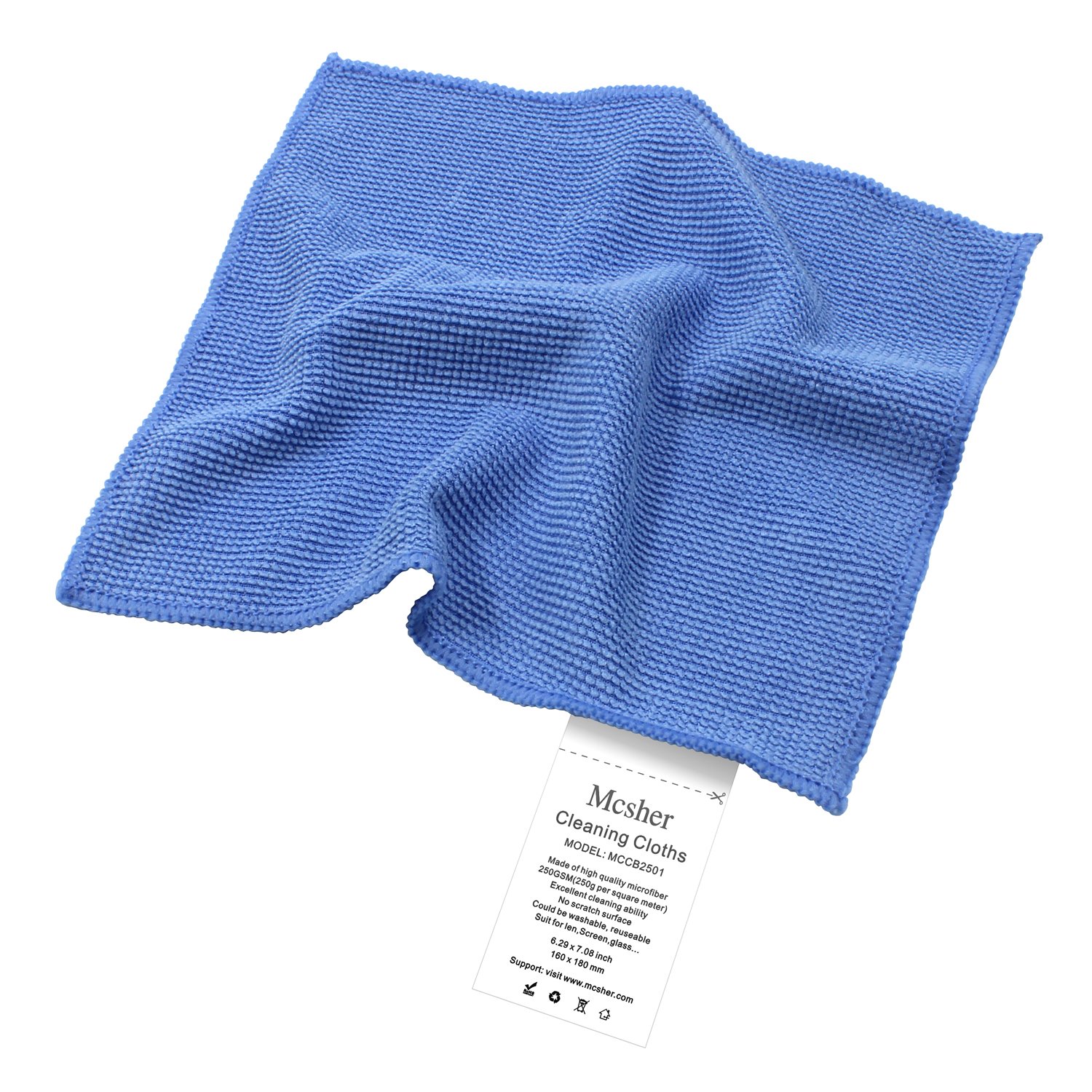
The Mcsher cloths are essentially a budget-friendly alternative to the classic 3M waffle weave cloth, but in a smaller 6×7-inch format. The texture features the same honeycomb pattern that creates pockets for trapping dust and oil, making them effective for dry-wiping smudges off glasses, watch faces, and phone screens. Each cloth comes in its own plastic zip bag, which is a thoughtful touch for keeping the cloth clean in a desk drawer or camera bag.
Customer feedback consistently compares the Mcsher favorably to the discontinued 3M cloths, noting that while the Mcsher is slightly lighter in weight and thinner, the actual cleaning performance on glass is essentially identical for general use. They work well for removing fingerprints from a laptop screen or polishing reading glasses. The small size also makes them an ideal pocketable companion for anyone who wears sunglasses or glasses daily.
The main trade-off with the thin material is that the cloths take noticeably longer to dry after being wet washed. They are best used for dry dusting and smudge removal rather than wet glass cleaning or polishing large surfaces. The edges are simple cut edges rather than reinforced stitching, so they may fray slightly over repeated laundering, but at this pack price, they are still a solid entry-level option.
Why it’s great
- Individual zip bags keep each cloth clean and portable
- Waffle weave design effectively traps dry dust and oils
- Very low commitment entry point for basic glass cleaning
Good to know
- Thinner material takes a long time to dry after wet washing
- Unsealed edges may fray after multiple machine washes
FAQ
Can I use fabric softener when washing my glass cleaning cloth?
What is the difference between a glass polishing cloth and a waxing cloth?
Can I use a glass cleaning cloth on my phone’s screen protector?
Final Thoughts: The Verdict
For most users, the best glass cleaning cloth winner is the MagicFiber Microfiber 30 Pack because it delivers premium lens-safe material in a massive quantity that covers every pair of glasses and every screen in the house without breaking your workflow. If you want a dedicated cloth for polishing wine glasses and crystal stemware, grab the SINLAND Glass Polishing Cloths. And for automotive glass cleaning where streak-free results are critical on large windshield surfaces, nothing beats the Kaywos Zezo-Fiber 11 Pack.