
Color blindness affects roughly 1 in 12 men, turning everyday tasks—matching clothes, reading traffic lights, or even watching a sunset—into a frustrating guessing game. The promise of glasses that can restore color perception has turned into a booming market, but the science is often misrepresented, leaving buyers confused about what these lenses actually do.
I’m Mohammad Maruf — the founder and writer behind Drink4Good. I’ve spent countless hours analyzing the optical filters, spectral notch technology, and customer outcomes behind every major brand to separate genuine performance from marketing hype.
After combing through thousands of verified reviews and spec sheets, this guide breaks down the real-world effectiveness of the best glasses for color blindness, from budget-friendly Pilestone models to premium Enchroma options, to help you find a pair that actually works for your specific type of deficiency.
How To Choose The Best Glasses For Color Blindness
Not all color blindness glasses are created equal, and buying the wrong pair is a common and expensive mistake. The key is understanding that these glasses don’t add color where it’s missing—they use specialized notch filters to cut out specific wavelengths of light that overlap for your eyes, making reds and greens more distinct.
Know Your Type: Deutan vs. Protan
Most color blindness falls under the red-green category, but there are two subtypes: Deutan (green cone weakness) and Protan (red cone weakness). Buying glasses designed for the wrong type can result in zero improvement. Brands like Pilestone assign specific lens codes (A, C, D) and Enchroma color-codes their outdoor lenses (Deutan/Protan). Check your diagnosis before clicking buy.
Indoor vs. Outdoor Lens Design
Many premium glasses are designed exclusively for outdoor use in bright sunlight. They are often heavily tinted and rely on strong UV light to activate the filter. Indoor glasses use a different filter that works in lower, ambient light levels. Using an outdoor pair inside typically results in dark, unhelpful performance. Match the lens to your primary use case.
Quick Comparison
On smaller screens, swipe sideways to see the full table.
| Model | Category | Best For | Key Spec | Amazon |
|---|---|---|---|---|
| Pilestone TP-022 | Kids / Value | Children’s color deficiency | Titanium-coated lens, Kid fit | Amazon |
| Pilestone GM-2 | Casual Style | Strong Protan blindness | Fox News Reported GM-2 Lens D | Amazon |
| Pilestone TP-021 | Indoor Classic | Indoor / Gaming use | Lens C for mild/moderate | Amazon |
| Pilestone TP-006 | Aviator Style | Medium red-green deficiency | Lens A tint | Amazon |
| Pilestone TP-017 | Sporty Style | Mild/Moderate indoor/outdoor | Lens A filter | Amazon |
| Enchroma Tilden Cx3 | Outdoor Premium | UV protection/Outdoor | Cx3 notch filter technology | Amazon |
| Enchroma Ellis | Classic Frame | Deutan & Protan outdoor use | High-end black frames | Amazon |
| Enchroma Ellis | Classic Frame | Deutan & Protan outdoor use | Light tint, various options | Amazon |
| Enchroma Eton | Sport / Premium | Deutan & Protan outdoor use | Polarized, wrap-around style | Amazon |
In‑Depth Reviews
1. Pilestone TP-022 Kids Color Blind Glasses

This pair from Pilestone is specifically designed for children, with a smaller titanium-coated frame and anti-UV protection. The Lens C type targets mild to moderate red-green deficiencies, and verified reviews from parents of children with protanopia report immediate success—one child could tell white from teal for the first time. The titanium coating adds durability against drops and scratches, which is critical for active kids.
Customer feedback is mixed, which is typical for this category. Some children saw no improvement at all, especially those with moderate deutan-type blindness, while others passed standard color vision tests while wearing them. The 3.7-star rating reflects that effectiveness depends heavily on matching the correct lens type to the child’s specific diagnosis.
For the price point, these are a low-risk entry point for parents wanting to test whether color-filtering glasses will help their child. The frame is comfortable for extended wear, and the UV coating adds value as a dual-purpose sunglass. Just be ready to check the lens chart carefully before ordering.
Why it’s great
- Small titanium-coated kid-specific frame
- Anti-UV protection built in
Good to know
- Not effective for all deficiency types
- Lenses are very dark like sunglasses
2. Pilestone GM-2 Color Blind Glasses

The GM-2 uses the Lens D filter, which is engineered for medium to strong protan (red cone) type blindness. Reviews from users with severe protanopia show dramatic results: one user saw their CBT score improve from 2193/88 severity to 3454/16 severity, effectively passing the color blindness test. Reds, greens, and traffic lights become sharply distinct where they were once a muddy blend.
Several reviewers explicitly compared this pair to the more expensive Enchroma brand, stating the Pilestone GM-2 was preferable because it offered a more dramatic, life-changing effect without the heavy tint that made Enchromas too dark. The lenses do have a noticeable rose tint, which distorts neutral colors like whites and blues, but the trade-off is improved color contrast.
This pair comes with a carrying case and feels well-constructed for daily casual wear. Users stress that the glasses require an adjustment period of about 15-20 minutes for the brain to interpret the new color signals. At this price point, it’s a top-tier option for anyone with confirmed protan-type deficiency.
Why it’s great
- Enables passing Ishihara test for strong protans
- More affordable alternative to Enchroma
Good to know
- Rose tint distorts white and blue hues
- Not designed for indoor low-light use
3. Pilestone TP-021 Lens C Color Blind Glasses

The TP-021 is built around the Lens C filter, which is calibrated for mild to moderate red-green blindness and optimized for indoor use. This is a rare and important distinction: most color-blind glasses are designed for outdoor sunlight, but this pair is meant to work under ambient indoor light, making it a strong candidate for activities like gaming, office work, or watching TV.
Customer feedback reveals a classic split. Gamers report seeing red and green elements in games that were previously invisible, while some users with mild deutan blindness saw zero improvement after wearing them for hours. The frame is described as well-built and sturdy, which is a plus, but the limited effectiveness for certain deficiency types means you must check the Pilestone lens recommendation chart.
In terms of tint darkness, users note the TP-021 is not as dark as some outdoor models, making it easier to wear inside without feeling like you’re wearing sunglasses. If your primary use case is indoor color differentiation—reading charts, playing video games, or selecting produce—this is one of the few properly optimized indoor options available.
Why it’s great
- Optimized for indoor ambient light
- Sturdy, well-constructed frame
Good to know
- Not effective for moderate deutan users
- Results vary by deficiency subtype
4. Pilestone TP-006 Lens A Aviator Color Blind Glasses
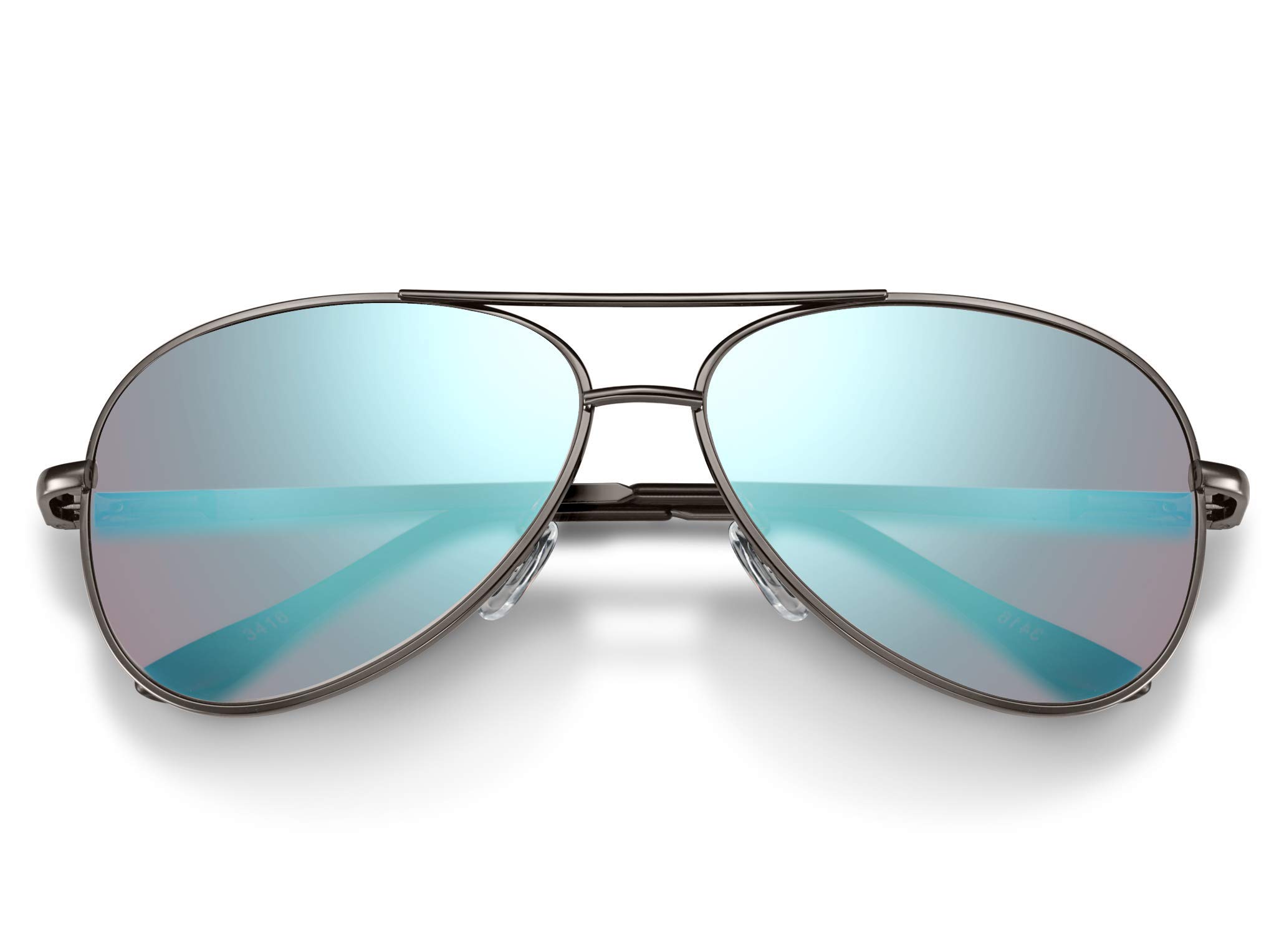
The TP-006 features an aviator frame style and uses the Lens A filter, which is designed for medium red-green blindness and works for both indoor and outdoor use. The Lens A is one of the more common filters, making this a versatile pick, but the style is the primary differentiator here—the aviator shape offers decent coverage and a classic look that appeals to many users.
Verified reviews highlight that this pair works best on contrast shifting rather than adding missing colors. One user reported that their son, a red-green colorblind driver, could suddenly see yellow caution signs popping against gray backgrounds, which improved his driving safety. However, like other entries, some users report zero effect, with the glasses simply making everything look dimmer.
The build quality is decent for the price, though some reviewers note the glasses feel plastic-heavy compared to premium metal frames. The included case is mentioned positively for its unique design. If you want a stylish aviator option that balances indoor/outdoor use, this is a solid choice, but manage expectations regarding the degree of color shift.
Why it’s great
- Classic aviator style with good coverage
- Works for both indoor and outdoor use
Good to know
- More subtle effect than some alternatives
- Can be too dark for some users
5. Pilestone TP-017 Sporty Style Color Blind Glasses

The TP-017 uses the Lens A filter in a sporty wrap-around frame that resembles a modern sunglass. This design is favored by users who want the glasses to double as everyday sunglasses, which is practical since many color-blindness glasses are heavily tinted anyway. The frame wraps around the eyes to block peripheral light, which can help the filter work more effectively outdoors.
Customer reviews highlight strong emotional reactions. One reviewer bought these for their colorblind father who, for the first time, saw a sunset in full color. Another noted the glasses required an adjustment period, but after that, the user could see leaves changing color that were previously a uniform brown. On the downside, the frame quality has been criticized—one user reported the frame broke quickly and was replaced by the company.
In terms of performance, a moderate deutan user reported that reds, browns, oranges, and purples were significantly enhanced, and red/green differentiation became possible in outdoor settings. The glasses are not life-changing for everyone, but for those who respond to the Lens A filter, the color palette expansion is real. It’s a good mid-range option for outdoor daily wear.
Why it’s great
- Wrap-around sunglass format blocks peripheral light
- Enhances reds, browns, and purples outdoors
Good to know
- Frame build quality reported as flimsy
- Not recommended for indoor use
6. Enchroma Tilden Cx3 Color Blind Glasses

The Enchroma Tilden Cx3 represents the premium tier of color-blindness correction, using patented Cx3 notch filter technology to selectively cut overlapping wavelengths of light. This pair is designed exclusively for outdoor use and relies on bright sunlight to activate its filter. It offers full UV protection and can be made into prescription lenses through Enchroma’s custom process.
User reviews are highly divided: some describe it as life-changing, with one 30-year-old deutan user seeing red seeds and tree bark color for the first time—an emotional, tearful reaction. Others, about 20% based on the data, report that the glasses add only a pinkish tint with zero improvement in color differentiation. Build quality has also been a pain point, with one report of the side frame snapping after 6 months of use.
Enchroma’s return policy and the free Chroma Quiz on their website are essential steps to determine compatibility before purchase. The glasses are expensive, and the technology works best for moderate to strong deutans outdoors in daylight. If you fall into the compatible group, the effect can be dramatic, but the risk of being in the non-responsive group is real.
Why it’s great
- Patented Cx3 notch filter for precise wavelength cutting
- Can be converted to prescription lenses
Good to know
- Inconsistent build quality reported
- Does not work for ~20% of users
7. Enchroma Ellis Color Blind Glasses

The Enchroma Ellis is a more traditional frame style in the Enchroma lineup, designed for outdoor use and available in both deutan and protan-specific versions. It uses the same Cx3 filter technology found in other Enchroma models but in a lighter, high-end black frame that’s more socially discreet than sportier wraparound designs.
Customer reactions mirror the Tilden model—users with deutan-type blindness often report seeing colors like Christmas lights in true red and green for the first time, while others see only a pinkish tint with no functional improvement. One dad noted his son loved the glasses because he could finally see color-coded school materials correctly. The case is included and is considered premium quality.
The build quality is generally rated above average for the price, with durable hinges and a solid frame that survives being tossed in a bag. The lens tint is described as lighter than some Pilestone models, which makes the glasses easier to wear for extended periods outdoors but also means the effect may be more subtle. This pair is best for users who prioritize frame aesthetics and everyday wearability.
Why it’s great
- High-end, discreet black frame design
- Lighter tint for easier all-day wear
Good to know
- Works primarily outdoors in sunlight
- High failure rate for non-responsive types
8. Enchroma Ellis Color Blind Glasses (Alternate)

This second listing for the Enchroma Ellis model offers a different frame color variant (and potentially a different lens color option) while maintaining the same Cx3 filter technology. The core performance is identical to the standard Ellis, but the availability of multiple color options allows users to select a frame that better matches their personal style.
Reviews on this variant highlight the same divided user experience: some buyers report their sons or loved ones seeing true colors (e.g., red coats, Christmas lights) with emotional responses, while others receive the glasses and see zero improvement. One reviewer explicitly noted the glasses “only add a pinkish tint” with no functional benefit, which is a common complaint across all Enchroma models.
The frame is described as durable for teens and adults, with a comfortable fit. The case is included and adds value for storage. At the premium price tier, these glasses represent a significant investment, and Enchroma’s official compatibility quiz is a must-take step before purchasing. The glasses are best suited for outdoor daylight use and should not be relied on for indoor color differentiation.
Why it’s great
- Multiple frame color options available
- Durable frame suitable for active teens
Good to know
- Same compatibility risk as all Enchroma models
- Outdoor-only effectiveness
9. Enchroma Eton Color Correcting Glasses
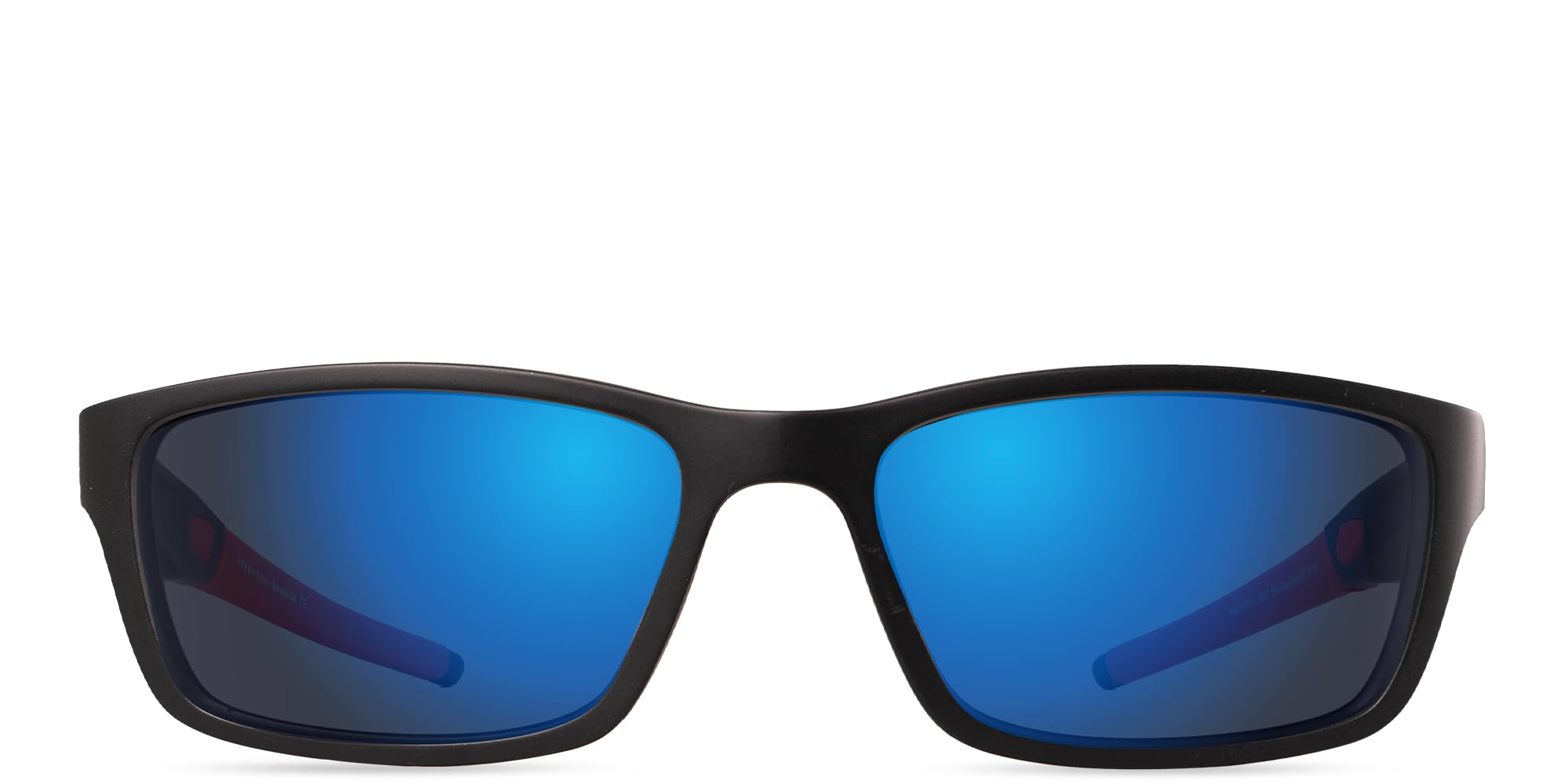
The Enchroma Eton is the highest-priced model in this roundup, featuring a polarized, wrap-around sport frame designed for outdoor activities like running, cycling, and fishing. It includes an anti-reflective coating and full UV protection. The lens is specifically labeled for deutan or protan types, and the wrap-around design provides maximum light blockage to enhance the filter’s effectiveness.
Review data shows a strong protan user improved from 3/15 to 13/15 on a color vision test, and reported seeing vivid red, orange, yellow, and purple for the first time. Another user simply stated the glasses “significantly enhanced” red perception and made everything brighter. However, a significant negative review from a buyer who tried them on a son with deuteranomaly stated the glasses completely failed and recommended the Pilestone alternative at half the price.
The polarized lens is a genuine differentiator here—it helps reduce glare and eye strain during sports, making the Eton a dual-purpose purchase. The rubber temple arms provide a secure fit during movement. Given the high price, this model is for serious outdoor enthusiasts who want both color enhancement and sport-grade eyewear. The compatibility risk remains, and the official quiz is non-negotiable before purchase.
Why it’s great
- Polarized lens with anti-reflective coating
- Wrap-around sport frame for active use
Good to know
- Highest price point with risk of non-functionality
- Some users found Pilestone more effective for less
FAQ
Can color blindness glasses help me pass an Ishihara test?
What is the difference between the Pilestone Lens A, C, and D filters?
Are Enchroma glasses worth the higher price than Pilestone?
Can I wear color blindness glasses indoors?
Final Thoughts: The Verdict
For most users, the glasses for color blindness winner is the Pilestone GM-2 because it delivers the most dramatic, life-changing effect for strong protan users at a fraction of the premium competition’s cost. If you want a discreet, high-end frame with Cx3 technology that works in bright sunlight, grab the Enchroma Ellis. And for a child needing a safe, effective entry point into color-filtering eyewear, nothing beats the Pilestone TP-022.