
Blurred vision from foggy lenses or a face full of dust at speed isn’t just annoying—it’s a crash waiting to happen. The right pair of eyewear transforms a muddy, buggy descent into a clear, controlled ride, letting you read the trail ahead without squinting or wiping your lenses every thirty seconds.
I’m Mohammad Maruf — the founder and writer behind Drink4Good. I’ve spent years analyzing the optical hardware, frame geometries, and venting systems that separate functional mountain bike eyewear from gear that stays in the pack.
This guide compares seven proven options to help you find the best glasses for mountain biking that keep your vision sharp from the first climb to the last dusty descent.
How To Choose The Best Glasses For Mountain Biking
Mountain bike eyewear has to manage high-contrast lighting, flying debris, sweat runoff, and hours of continuous wear without slipping. Choosing the wrong style—like fashion shades without impact-rated lenses—can turn a fun day into a miserable one. Focus on these three factors before buying.
Lens Technology and Light Management
Trails move through dense forest shade into open sun exposure repeatedly. Photochromic lenses, which automatically darken and lighten, handle this transition seamlessly. For riders who prefer a fixed tint, look for a VLT (Visible Light Transmission) percentage between 15% and 25% for mixed conditions. Swappable lens systems offer maximum versatility but require you to carry spare lenses in a pack.
Ventilation and Fog Control
Steep climbs push your heart rate and body temperature up, and still air inside a goggle or sunglass frame causes instant fogging. Look for frames with multiple intake and exhaust vents. Goggles designed for motocross, like the Fox Main and Oakley O-frame MX, use dense foam and thermal lenses to manage condensation. Sunglass-style frames, like the Tifosi Moab, rely on open airflow around the lens periphery.
Helmet Integration and Face Fit
A goggle that gaps at the forehead or a sunglass arm that fights with a helmet strap ruins concentration. Goggle straps should sit flush against the helmet port without twisting. For sunglass frames, verify that the temple arms are thin enough to slide under a helmet without pressure points. Nose pieces must be adjustable to lock the frame in place when you’re sweating and bouncing through rock gardens.
Quick Comparison
On smaller screens, swipe sideways to see the full table.
| Model | Category | Best For | Key Spec | Amazon |
|---|---|---|---|---|
| Tifosi Moab | Sunglass | All-day trail and gravel | Photochromic, 14% VLT, 26g | Amazon |
| Oakley O-frame MX | Goggle | Technical descents and dust | Clear lens, 5.2 oz | Amazon |
| Alpinestars Vision 5 | Goggle | Off-road and MX-style riding | Mirror silver lens, 9.9 oz | Amazon |
| Fox Racing Main | Goggle | Motocross and fast downhill | Triple-layer foam, Lexan lens | Amazon |
| KAPVOE K63 | Sunglass | Budget-friendly daily riding | Photochromic, 26g | Amazon |
| 100% STRATA 2 | Goggle | Helmet-specific fit | Mirror silver lens, 7.2 oz | Amazon |
| Tifosi Vogel SL | Sunglass | Lightweight multi-sport use | Shatterproof polycarbonate | Amazon |
In-Depth Reviews
1. Tifosi Moab Cycling Glasses
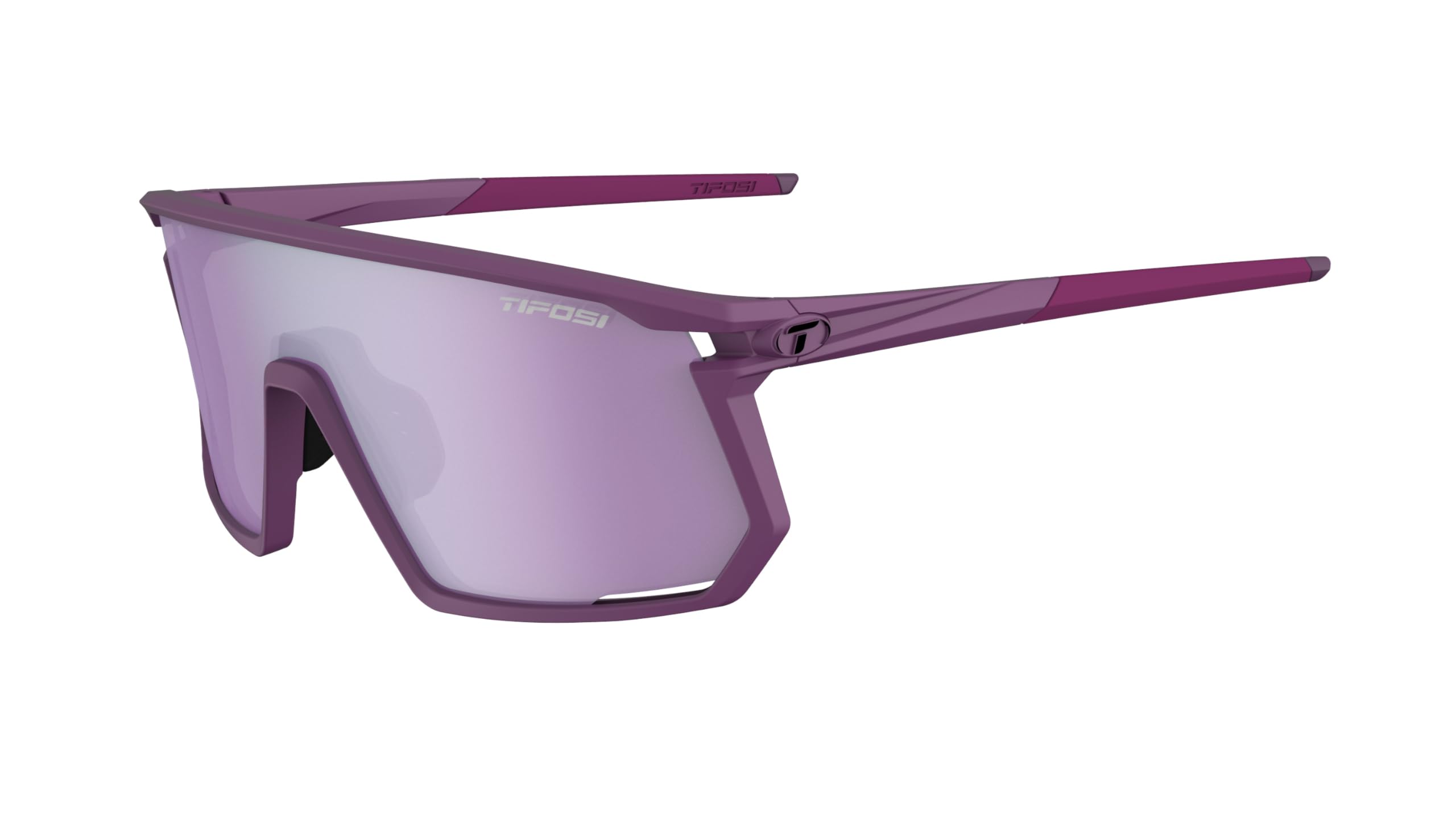
The Tifosi Moab hits the sweet spot between premium optical performance and trail-ready durability. Its photochromic lens transitions quickly from light to dark, with a 14% transmission tint that handles midday sun without being too dark for wooded singletrack. The large frame offers a wide field of view with zero upper frame obstruction, which matters when you’re scanning the trail ahead at speed.
At just 26 grams, the Moab feels nearly weightless on your face. The adjustable nose piece and temple arms let you fine-tune the fit, and riders with larger heads (up to a 7 3/4 hat size) report a secure, gap-free seal. The anti-fog airflow vents prevent moisture buildup during sustained climbs, and the included zippered case adds practical storage for trailside lens swaps.
Reviewers consistently praise the clarity and lack of distortion, with many noting that the build quality rivals far more expensive frames from established brands. The swappable lens system adds versatility for low-light evening rides. For a rider who wants one pair that works from dawn until dusk, this is the strongest all-around pick.
Why it’s great
- Fast photochromic transition between sun and shade
- Ultra-light 26g frame with no pressure points
- Secure fit for larger faces under a helmet
Good to know
- Durability of the lightweight frame is unproven after years of use
- Swappable lenses require carrying spares on longer rides
2. Oakley O-frame MX Goggle

Oakley’s O-frame MX is a time-tested goggle that prioritizes optical clarity and long-lasting comfort. The clear Lexan lens delivers distortion-free vision, which is critical for reading trail features in low-light or overcast conditions. Riders report exceptional durability—some have used the same pair for six years of continuous snowboarding and biking without frame failure.
The O-ring strap system integrates well with most full-face and trail helmets, and the standard fit sits snugly against the face without excessive pressure. Ventilation is sufficient to prevent fogging during five to six hours of continuous use, even in cold weather. The frame’s older silhouette uses a narrower viewing area compared to modern wide-angle goggles, but the trade-off is a proven, reliable seal.
Some riders note that the O-frame runs small compared to current Oakley models like the Airbrake, so check sizing if you have a larger face. Customer feedback highlights the lens clarity as a standout feature, especially in low-light environments where cheap goggles introduce glare. If you want a legacy goggle with a reputation for quality, the O-frame MX delivers.
Why it’s great
- Proven durability—consistent quality after years of use
- Exceptional lens clarity with zero distortion
- Reliable fog resistance during long rides
Good to know
- Narrower field of view than modern wide-angle goggles
- Frame fits smaller—double-check sizing against your face
3. Alpinestars Vision 5 MX Goggle
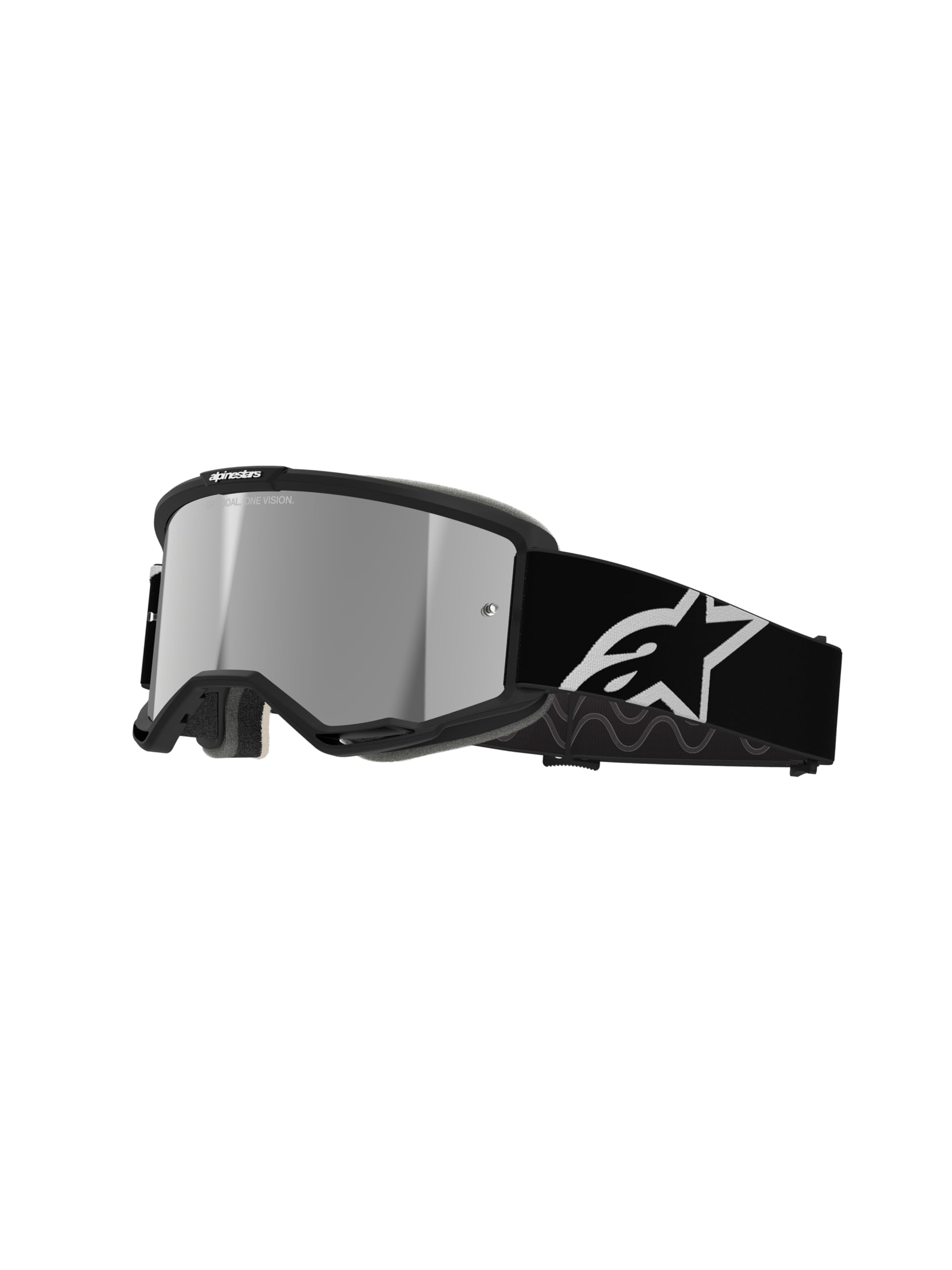
Alpinestars brings its off-road racing pedigree to the Vision 5, a goggle built for riders who push hard in variable terrain. The mirror silver lens cuts glare effectively while letting enough light through for late afternoon rides. At 9.9 ounces, it feels substantial without being heavy, and the frame construction inspires confidence when you’re swapping lenses between runs.
The anti-fog coating performs well across a range of temperatures. Riders report clear vision during both cold morning starts and hot midday sessions. The fit is secure against the helmet port, and the strap width is compatible with standard visor systems. Ventilation ports are positioned to draw air across the lens without channeling dust directly into your eyes.
Comfort is a recurring theme in user feedback, with several riders calling the foam padding plush against the face. The mirror lens is dark enough for bright sun but not so dark that it causes problems when you briefly drop into tree cover. For aggressive trail riders who want a purpose-built MX goggle with modern frame geometry, the Vision 5 is a solid contender.
Why it’s great
- Plush foam padding stays comfortable for hours
- Effective anti-fog performance across temperature swings
- Mirror lens cuts glare without sacrificing low-light visibility
Good to know
- Heavier than sunglass-style options for climbing-focused riders
- Mirror lens may be too dark for deep forest trails
4. Fox Racing Main Goggle

Fox Racing’s Main goggle delivers premium construction at a middle-tier price point. The Variable Lens System (VLS) allows you to swap between standard and injection-molded lenses without changing frames, a feature usually reserved for goggles costing significantly more. The Lexan lens provides UV protection and holds up well against impacts from kicked-up trail debris.
The triple-layer face foam with a fleece liner absorbs sweat without becoming saturated, which keeps the seal intact during long descents. The strap-mounted third tear-off post is a motocross-specific touch that dust-riding mountain bikers will appreciate when the trail turns dry and loose. Customer feedback notes minimal fogging during movement, and the strap stays adjusted once set.
Some riders report that the goggle can fog if you stop moving for extended periods, which is common with any foam-sealed goggle. The fit is standard and works well with both motocross helmets and aggressive trail helmets. For the rider who wants a legitimate MX goggle without paying flagship prices, the Fox Main is the value winner.
Why it’s great
- VLS system supports lens swaps in the same frame
- Triple-layer foam with fleece wicks sweat effectively
- Durable Lexan lens resists scratches and impacts
Good to know
- Fogging possible during complete stops or rest breaks
- Motocross styling may feel bulky for XC riders
5. 100% STRATA 2 Goggle

The 100% STRATA 2 is a sleek, helmet-focused goggle that balances style with function. The ergonomic frame profile mates well with both motocross helmets and mountain bike half-shells, including the popular Biltwell Gringo, where the fit is reportedly perfect. The mirror silver lens cuts harsh sunlight while maintaining enough clarity for technical sections.
Riders report comfortable extended wear, with the foam padding providing a consistent seal without pinching. The lens is anti-fog treated, and feedback indicates that fogging is minimal in most conditions. The goggle’s mid-profile design offers a wide field of view without the bulkiness of larger MX models, making it a good choice for riders who want goggle protection without a heavy visual profile on the trail.
Customer reviews highlight its versatility—riders use it for snow trailing in 30-degree weather and sand dune rides in 80-degree heat. The strap adjusts easily and holds tension through rough terrain. For the rider looking for a reliable goggle that fits specific helmets well, the STRATA 2 is a smart, comfortable pick.
Why it’s great
- Excellent helmet compatibility, including niche models
- Comfortable foam seal with no pinching points
- Versatile performance across extreme temperature ranges
Good to know
- Some fogging reported in stationary high-humidity conditions
- Limited aftermarket lens options compared to major brands
6. KAPVOE Photochromic K63
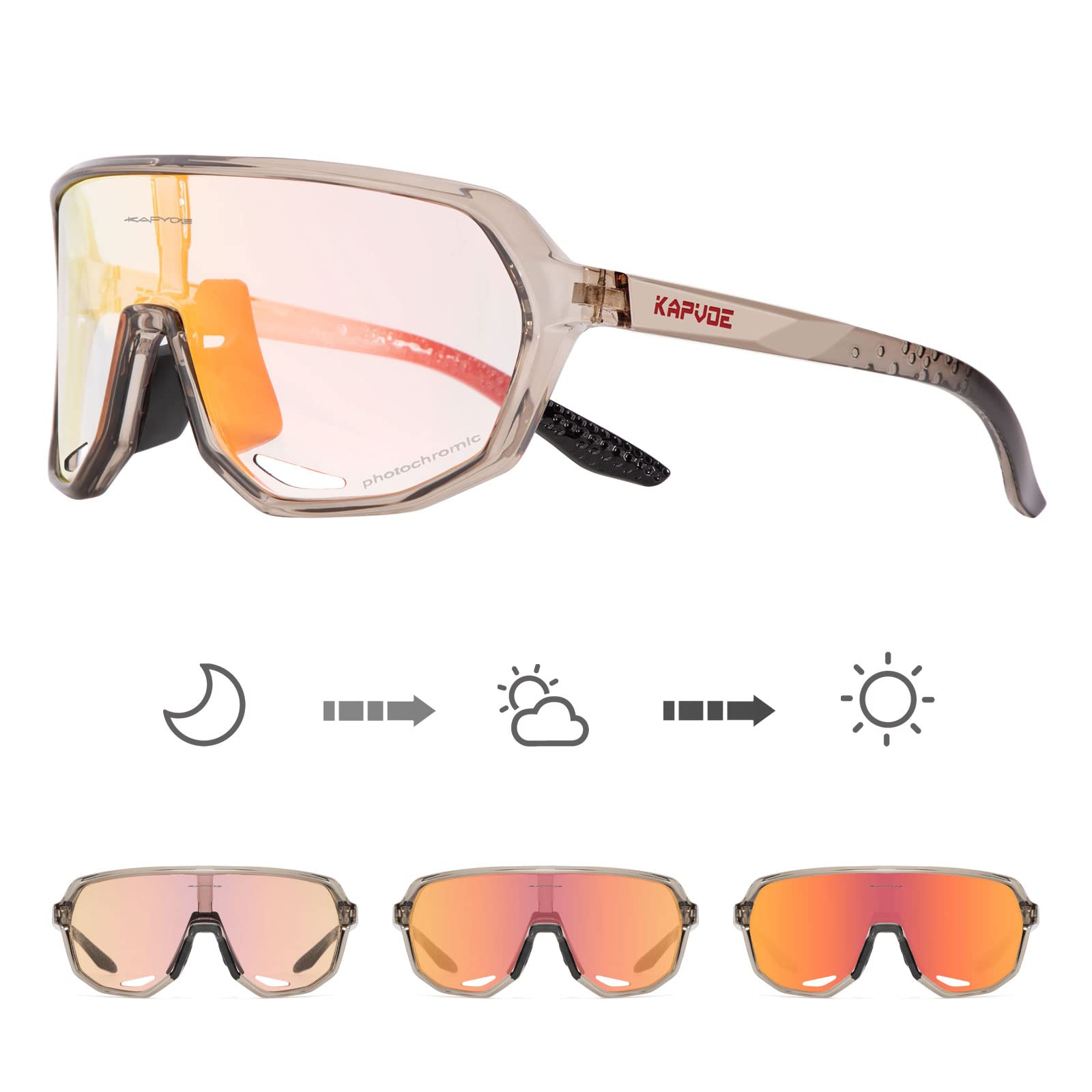
The KAPVOE K63 is the budget entry point that doesn’t compromise on the feature you need most: photochromic lenses. The transition works smoothly from dawn to dusk, darkening enough in direct sun to protect your eyes while staying clear enough for night trail sessions. At just 26 grams, it’s among the lightest options in this roundup.
The ventilated frame design uses small vents along the top edge to manage fogging, and feedback confirms that fog buildup is minimal during climbs. The arms are flexible enough to accommodate a mid-size face, and the subtle darkening curve in sunlight feels natural. Riders with sensitive eyes report no irritation even after hours of wear.
The primary drawback is fit: several riders note the frame is too narrow for larger faces. The lower nose bridge can create a pressure point during extended use. Durability appears acceptable, though some users report the coating showing wear after a couple of months of regular riding. For the budget-conscious rider with a medium face, this is a strong value proposition.
Why it’s great
- Effective photochromic lens at a budget price point
- Ultra-light 26g frame with good ventilation
- No significant fogging issues during active riding
Good to know
- Frame runs narrow—not suited for larger head sizes
- Durability may be limited compared to premium options
7. Tifosi Vogel SL Sport Sunglasses
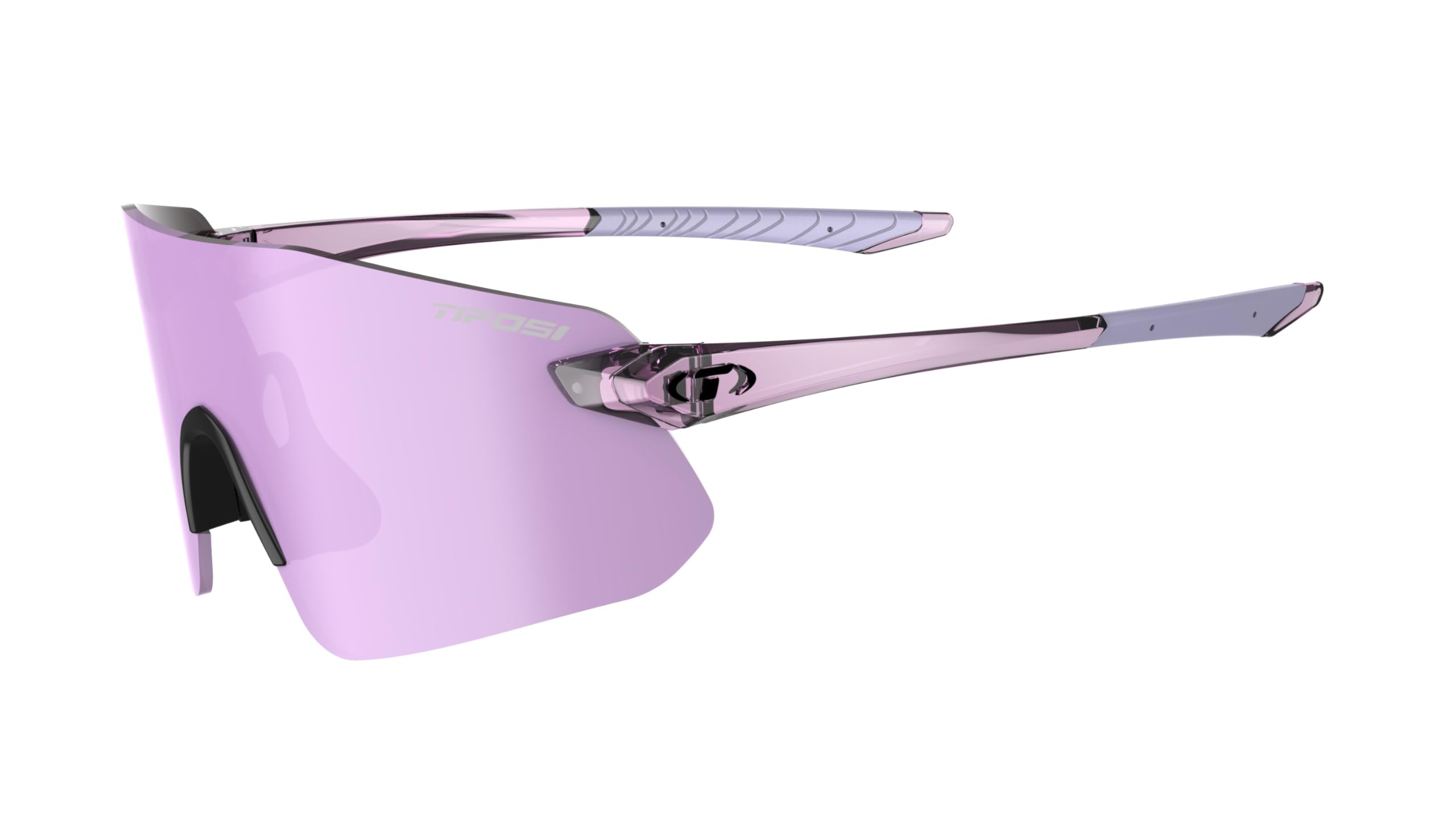
The Tifosi Vogel SL is a lightweight, shatterproof polycarbonate frame designed for riders who want a low-profile sunglass that works across cycling, running, and casual use. The open-frame design eliminates the extra plastic that creates pressure points in traditional sport shades, and the rubberized nose pads keep the glasses planted when you’re sweating.
Customer feedback praises the lens clarity and scratch resistance—one user reports no visible wear after months of sand volleyball and daily driving. For cycling, the Vogel SL sits securely under helmet straps without digging in, and the vented frame allows enough airflow to prevent moisture buildup. The yellow-brown tint, however, may feel gloomy for riders who prefer a neutral color temperature.
The main fit issue is a low nose bridge that causes the lenses to sit close to the cheekbones, making them prone to smudging from sunscreen or sweat. Riders with low-bridge faces may find the contact uncomfortable. The Vogel SL is best suited for the intermediate rider who wants a capable, affordable sport frame for multi-activity use rather than a dedicated mountain bike goggle.
Why it’s great
- Lightweight shatterproof polycarbonate frame
- Secure grip even when wet from sweat
- Scratch-resistant lenses hold up over time
Good to know
- Low nose bridge creates cheekbone contact for some faces
- Yellow-brown tint changes color temperature perception
FAQ
Can I use regular sports sunglasses for mountain biking?
What lens tint is best for trail riding in mixed forest and open sun?
Final Thoughts: The Verdict
For most riders, the best glasses for mountain biking winner is the Tifosi Moab because it combines photochromic versatility, a barely-there 26-gram frame, and secure helmet compatibility into a single do-it-all package. If you need a full-seal goggle for ultra-dusty downhill runs, grab the Alpinestars Vision 5 for its proven anti-fog performance and plush foam fit. And for a budget-friendly option that still gives you photochromic flexibility, nothing beats the KAPVOE K63 for riders with medium faces.